Exploring the Unique Cigar Styles and Heritage of Different Regions
Exploring the Unique Cigar Styles and Heritage of Different Regions
As the editor of "The Cigar Bible," I often feel that the true charm of a seasoned aficionado lies not in remembering numerous brands, but in deducing the land, immigration, politics, and craftsmanship behind a cigar from its sweetness, mineral notes, spiciness, and burn rhythm.
The world's major cigar regions do not tell a linear story of "who replaces whom." Cuba, the Dominican Republic, Nicaragua, Honduras, Mexico, and Brazil each use different soils and histories to turn tobacco leaves into a cultural language; understanding the region means understanding half the flavor and half the human connection.
Cuba: The Mineral Notes of Vuelta Abajo and National Narrative
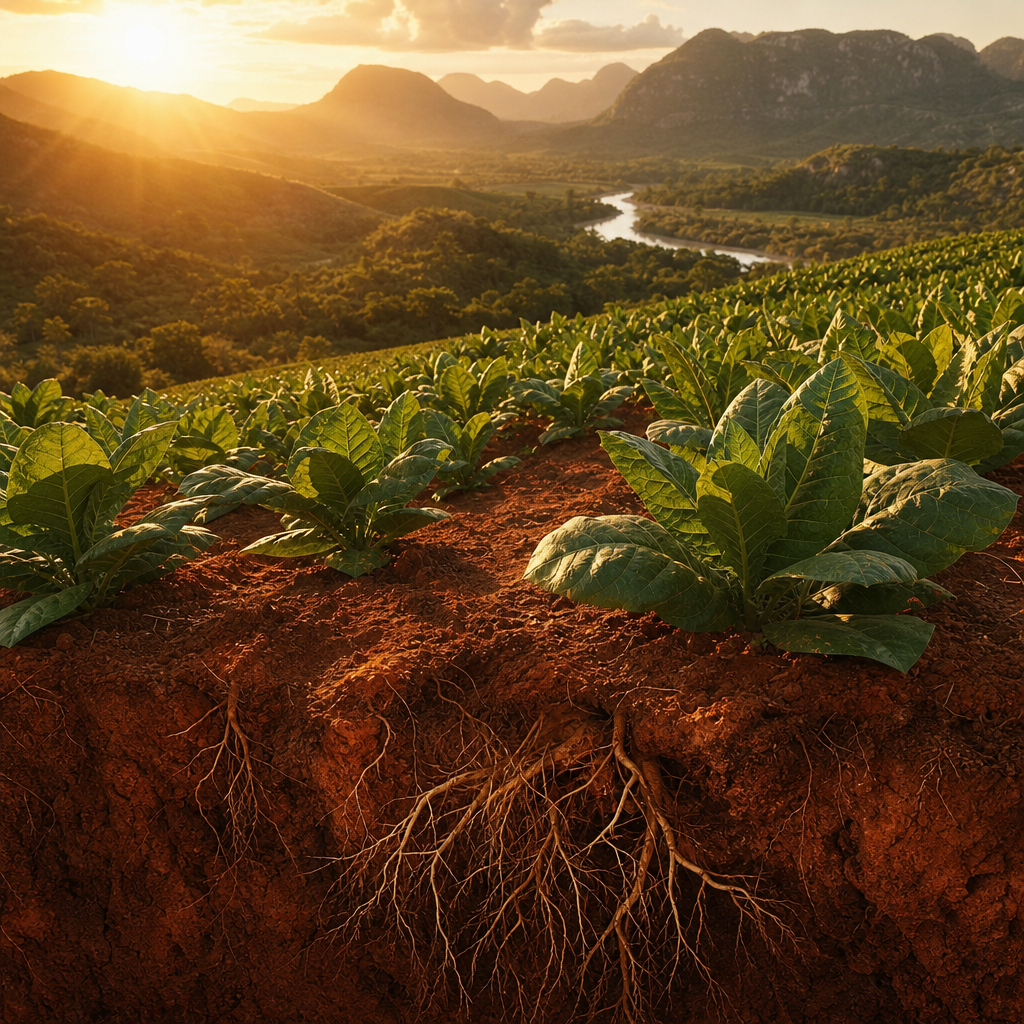
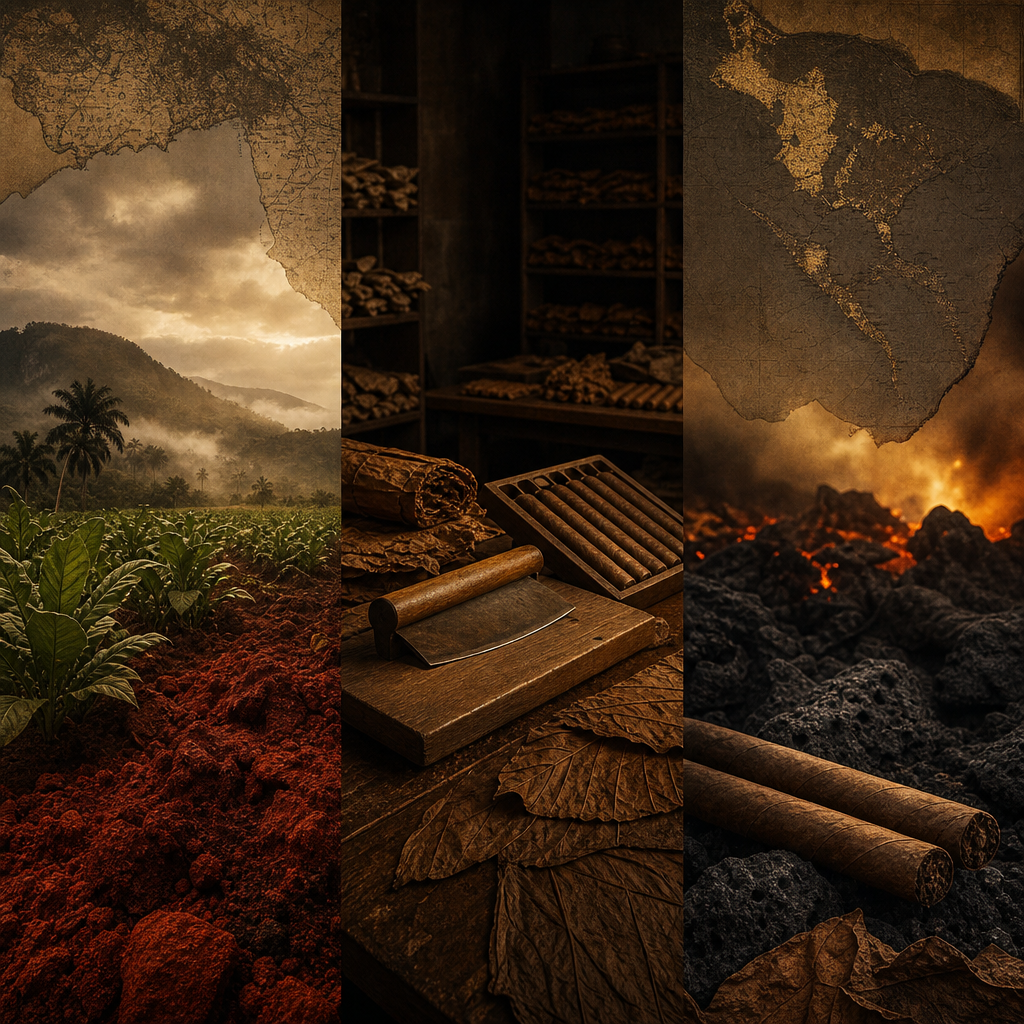
When discussing Cuba, one cannot just mention "Havana." The true core remains the Vuelta Abajo in the Pinar del Río province, especially around San Juan y Martínez and San Luis. The red soil here, rich in iron and well-drained, along with the day-night temperature difference and mist, allows the tobacco leaves to develop typical grassy, honey, leather, cedar, and mineral tones. Cohiba became the most symbolic brand after the revolution in 1966, while Montecristo was founded as early as 1935 by Alonso Menéndez within the H. Upmann factory, representing different eras of Cuban aesthetics.
The most fascinating aspect of Cuban craftsmanship is the coexistence of "state grading" and "handmade tradition." The levels of torcedor rollers, the factory lector culture, and the three-stage fermentation and aging process form a very distinct collective memory. Brands like Partagás, Romeo y Julieta, and Hoyo de Monterrey are not just trademarks but results of the overlap of factories, land, revolution, and export systems. The core of Cuban style is not simply strength but carrying delicate layers with medium to medium-high intensity.
For seasoned aficionados, the most worth studying about Cuba are the vintage differences and preservation differences. For example, the expansion of production capacity in the late 1990s to early 2000s caused some quality fluctuations; after 2006, Habanos' regional limited edition system matured, allowing the "origin story" to be reinterpreted by the market. Collecting holds cultural and historical value, but it does not guarantee appreciation, still depending on source preservation and market. When judging Cuban cigars, the credibility of the source, box age, and humidity records are often more crucial than brand reputation.
Dominican Republic: Elegance and Order After Cuban Immigration
The modern status of Dominican cigars is largely due to the migration of talent and seeds after the Cuban Revolution in 1959. Many Cuban families, tobacco farmers, and production techniques moved to other Caribbean areas, with Santiago de los Caballeros gradually becoming the core manufacturing city. The Arturo Fuente family, traceable to 1912 in Tampa, Florida, established Chateau de la Fuente in the Dominican Republic after the 1980s and launched Fuente Fuente OpusX in 1995, proving that the Dominican Republic can also produce high-standard wrapper leaves.
Compared to Cuba's mineral and herbal notes, the Dominican Republic often features cleaner wood, cream, almond, floral, and mild sweetness. After moving to the Dominican Republic in the 1990s, Davidoff pushed European precision, balance, and gentle temperament to the extreme; La Aurora, traceable to 1903, is one of the most historically profound brands in the Dominican Republic. The essence of Dominican style is to condense strength into order and organize aroma into elegant lines.
When seasoned aficionados study the Dominican Republic, they should not only consider the term "mild." OpusX and some series of La Flor Dominicana have long demonstrated high intensity and dark spiciness; while works like Davidoff Dominicana and Yamasa express the acidity, black pepper, coffee, and woody profiles brought by different land plots. The cultural influence of the Dominican Republic is also profound; cigars are not just export goods but part of the identity of Santiago city, with factories, farms, and family surnames jointly forming the local economic memory.
Nicaragua: Volcanic Soil, War Memories, and New World Power
The rise of Nicaraguan cigars is one of the most dramatic stories in the New World regions. The three major regions of Estelí, Condega, and Jalapa each have their soil characteristics: Estelí is strong, spicy, and structurally thick; Condega is softer, often with herbal and nutty notes; Jalapa is known for its sweetness, cocoa, and roundness. After the Cuban technical migration in the 1960s, Nicaragua began to absorb a large amount of talent, but the Sandinista Revolution in 1979 and the civil war in the 1980s caused multiple interruptions in the industry.
The real revival accelerated after the 1990s. Padrón, founded in Miami in 1964, built a strong reputation long-term with Nicaraguan tobacco leaves; Oliva, My Father, Drew Estate, and A.J. Fernandez also made Estelí a must-visit place for global aficionados. Nicaraguan volcanic soil is rich in minerals, and with strong sunlight, often brings out black pepper, cocoa, coffee, earth, roasted nuts, and dark sweetness. Nicaragua is not just "heavy flavor" but provides density with volcanic soil and creates modernity with blending techniques.
The cultural characteristics of this region are also very distinct: factories and farms often have family stories, with close interactions between rollers, blenders, and brand owners. Around 2016, the demand for Nicaraguan handmade cigars in the U.S. market increased significantly, turning Estelí from an agricultural town into an international cigar landmark. When seasoned aficionados judge Nicaraguan cigars, they should distinguish Ligero proportions, wrapper sources, and aging time; strength is just the surface, the true mastery is whether the power can be condensed into balance.
Honduras, Mexico, and Brazil: Often Underrated Framework and Flavoring Ability
Honduran cigars are often discussed after Cuba, the Dominican Republic, and Nicaragua, but their historical depth should not be underestimated. After the 1960s, many Cuban seeds and techniques entered areas like the Jamastrán Valley and Talanga Valley. Non-Cuban versions of Camacho, Punch, and Hoyo de Monterrey have all used Honduran tobacco leaves to showcase earth, leather, dry wood, coffee, and medium-high intensity spiciness. The style here is rougher than the Dominican Republic but lacks a bit of the volcanic eruption feel of Nicaragua.
Mexican San Andrés wrapper plays an important role in modern blending. San Andrés Negro tobacco leaves are dark and oily, with cocoa, brown sugar, wet earth, coffee, and slightly bitter sweetness, often used in Maduro-style cigars. Brazilian Bahia, Mata Fina, and Arapiraca tobacco leaves also have unique sweet, woody, and spicy notes, responsible for adding low frequencies and sweetness in many blends. Honduras provides the framework, while Mexico and Brazil often provide dark sweetness and spice layers.
If seasoned aficionados only use regional stereotypes to choose cigars, they may miss many blending subtleties. For example, a cigar labeled as Nicaraguan may have its first impression determined by a Mexican San Andrés wrapper; a Dominican-made cigar may also use Brazilian Mata Fina to increase the sweetness of the finish. The region is not just a "birthplace" but more like a raw material library in perfumery. Understanding Honduras, Mexico, and Brazil is essential to truly comprehend the grammar of modern blended cigars.
From Seed to Rolling: How Regional Styles Are Amplified by Craftsmanship
Regional style is not an automatic answer given by the soil but is completed by seeds, shading, harvesting, fermentation, aging, grading, and rolling. Varieties like Corojo, Criollo, Habano, Connecticut Shade, and San Andrés Negro will present completely different personalities in different regions. Cuba often emphasizes the continuity of terroir; the Dominican Republic excels in precise classification; Nicaragua often creates contrasts of strength and sweetness through mixing different valleys.
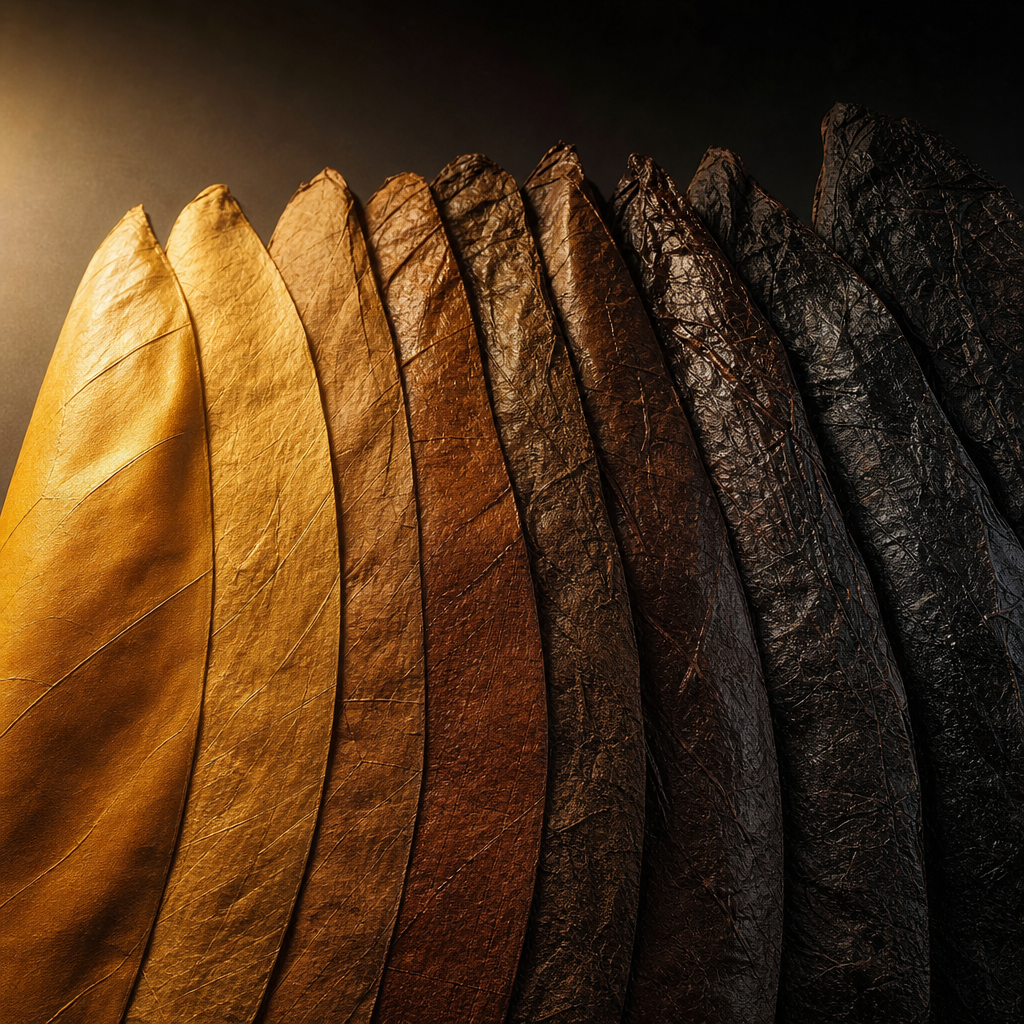
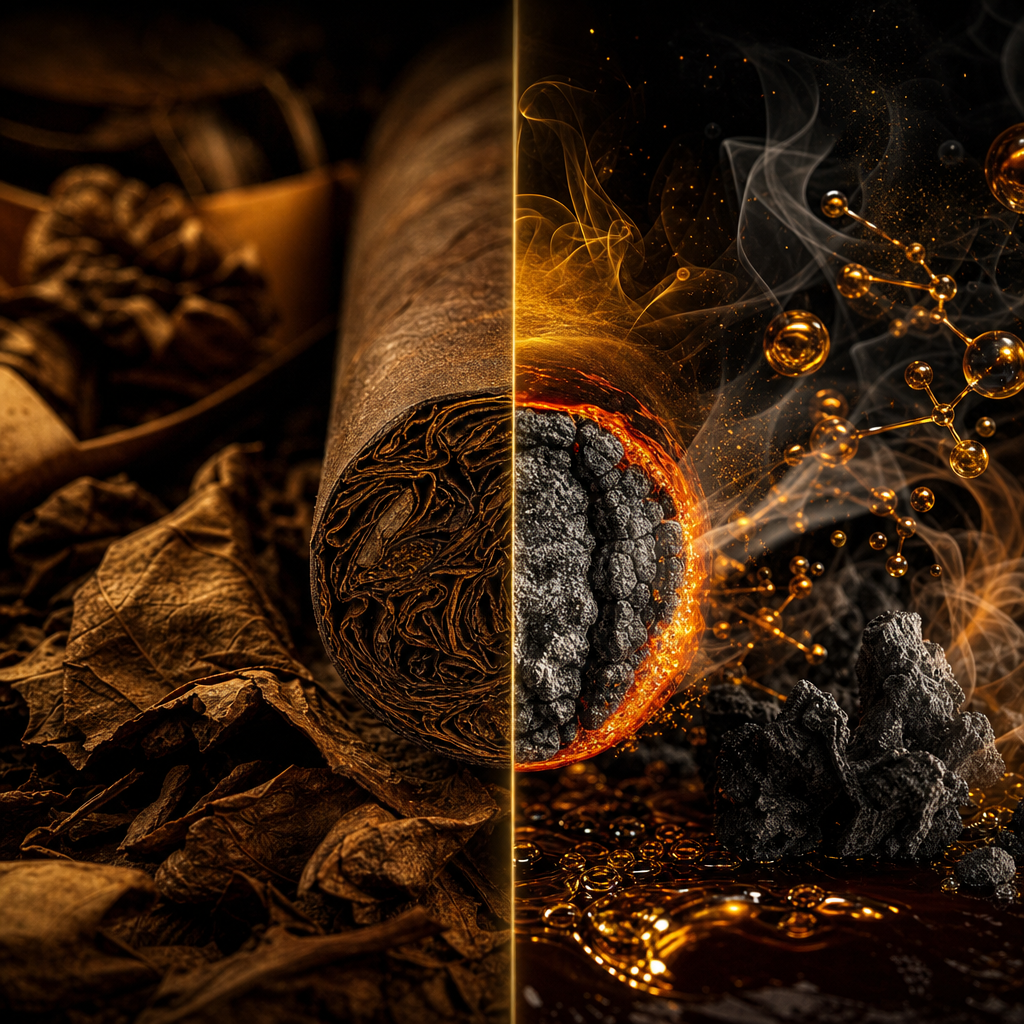
Fermentation temperature and time directly affect ammonia removal, sweetness generation, and spice reduction. Generally, thicker Ligero leaves require longer processing; wrappers focus more on oiliness, elasticity, and appearance integrity. During rolling, the bunch's airflow, filler arrangement, and wrapper tension determine whether the burn is stable. Seasoned aficionados should not only ask about the region but also inquire: where does each leaf come from, where is it placed, and how long has it been processed.
| Craftsmanship Aspect | Impact on Flavor | Key Observations for Aficionados |
|---|---|---|
| Seeds and Plots | Determines aroma genes and mineral notes | Variety, altitude, soil drainage |
| Fermentation | Reduces irritation, generates sweetness | Temperature control, turning frequency |
| Aging | Integrates spiciness and woodiness | Box age, storage humidity, scent cleanliness |
| Rolling | Affects burn and draw resistance | Whether the draw is smooth, whether the burn line is stable |
Truly advanced regional research is to separate "terroir" and "craftsmanship" for judgment, then recombine them. If a Nicaraguan cigar is too spicy, the problem may not be the region but insufficient fermentation or too high a Ligero ratio; if a Cuban cigar's flavor is closed, it may just be in poor condition. Craftsmanship can amplify the land, but it can also obscure it.
Regional Interpretation Method for Aficionados: Building Your Own Map Through Blind Tasting
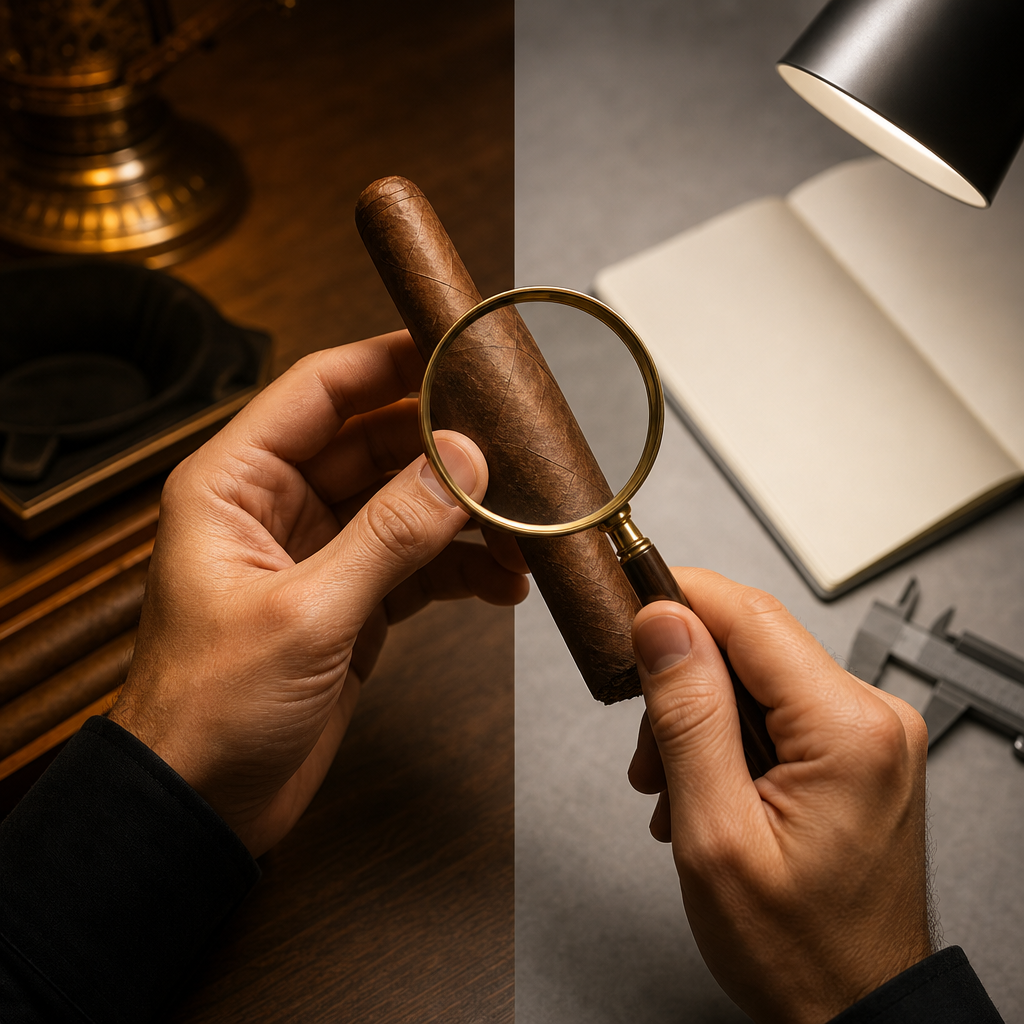
The most common blind spot for seasoned aficionados is being led by brand memory. My suggestion is to build a personal regional map through three rounds of blind tasting: the first round only records strength, sweetness, acidity, bitterness, and mineral notes; the second round adds burn speed, ash color, draw resistance, and temperature; the third round then looks back at the brand, size, and leaf composition. This approach reduces label influence, allowing the senses to speak first. Truly reliable regional knowledge must be repeatedly calibrated from the tongue, nasal cavity, and burn performance.
Advanced records can be set on a 100-point scale, but do not only give a total score. It is recommended to divide into flavor layers 30, balance 20, burn structure 20, finish 15, and condition 15. When comparing common sizes like Robusto 5 x 50, Toro 6 x 52, and Churchill 7 x 47, note that size will change burn temperature and wrapper ratio; different sizes of the same brand may have more research value than different brands.
- Cuba: Record whether herbal, honey, mineral, and leather are continuous.
- Dominican Republic: Observe cream, floral, woody, and cleanliness.
- Nicaragua: Distinguish whether black pepper, cocoa, coffee, and sweetness are balanced.
- Honduras: Note earth, dry wood, leather, and roughness.
- Mexican/Brazilian Leaves: Judge whether dark sweetness dominates the opening.
Over time, you will find that "I like a certain brand" can actually be broken down into more precise language: liking the sweetness of Jalapa, the dark cocoa of San Andrés, the nuttiness of Dominican Piloto Cubano, or the mineral finish of Cuban Vuelta Abajo. This personal map is closer to true preference than any ranking.
Frequently Asked Questions
Are Cuban cigars still the standard for all regions?
Cuba is one of the historical standards, but not the only standard. After the 1960s, Cuban seeds, techniques, and families moved to the Dominican Republic, Nicaragua, and Honduras, forming a multi-centered world. Today's aficionados should use "style fit" instead of "regional hierarchy".
Are Dominican cigars all mild?
No. Davidoff indeed established an elegant and balanced image, but Fuente Fuente OpusX and La Flor Dominicana Ligero series have both strength and depth. The focus of the Dominican Republic is on clean structure, not a lack of power.
Why do Nicaraguan cigars often have black pepper and cocoa notes?
The volcanic soil and strong sunlight of Estelí, Jalapa, and Condega allow tobacco leaves to accumulate higher density and dark tones. If paired with more Ligero, black pepper, strong coffee, cocoa, and roasted notes will be more pronounced.
Should cigar collection focus on region or brand?
Both should be considered, but more importantly, look at source, preservation, and condition. Rare versions, discontinued sizes, and special vintages indeed have research value; however, collecting does not guarantee appreciation, still depending on source preservation and market.
How to train oneself to distinguish regions?
First, fix the size, then make blind tasting records. Compare only 2 to 3 cigars at a time to avoid palate fatigue; record sweetness, acidity, bitterness, spiciness, woodiness, minerals, finish, and burn. After three months, you will be more accurate than relying solely on brand memory.
What is the connection between PCC authorized dealers and regional research?
For seasoned aficionados, stable sources can reduce variables. When preservation, circulation, and version information are clearer, it is easier to attribute differences to region, vintage, size, or craftsmanship, rather than distorted conditions.
When I look at regions, it's never to establish a hierarchy but to respect the people behind every tobacco leaf. Cuba has historical depth, the Dominican Republic has aesthetic order, Nicaragua has volcanic vitality, and Honduras, Mexico, and Brazil are like bass and spices, making the world of cigars more complete. The true freedom of seasoned aficionados is to be able to put down labels and still accurately hear the land speak.
—Cigar Prince Wilson Tsai
Smoking is harmful to health. Under 20 years old is not allowed to smoke. Quitline: 0800-636363. This article is for reference by adults over 20 years old for cigar culture, preservation, and regulatory knowledge, not a tobacco advertisement, promotion, or purchase suggestion.