Traditional Craftsmanship in Cigars: From Leaf Selection to Rolling Techniques
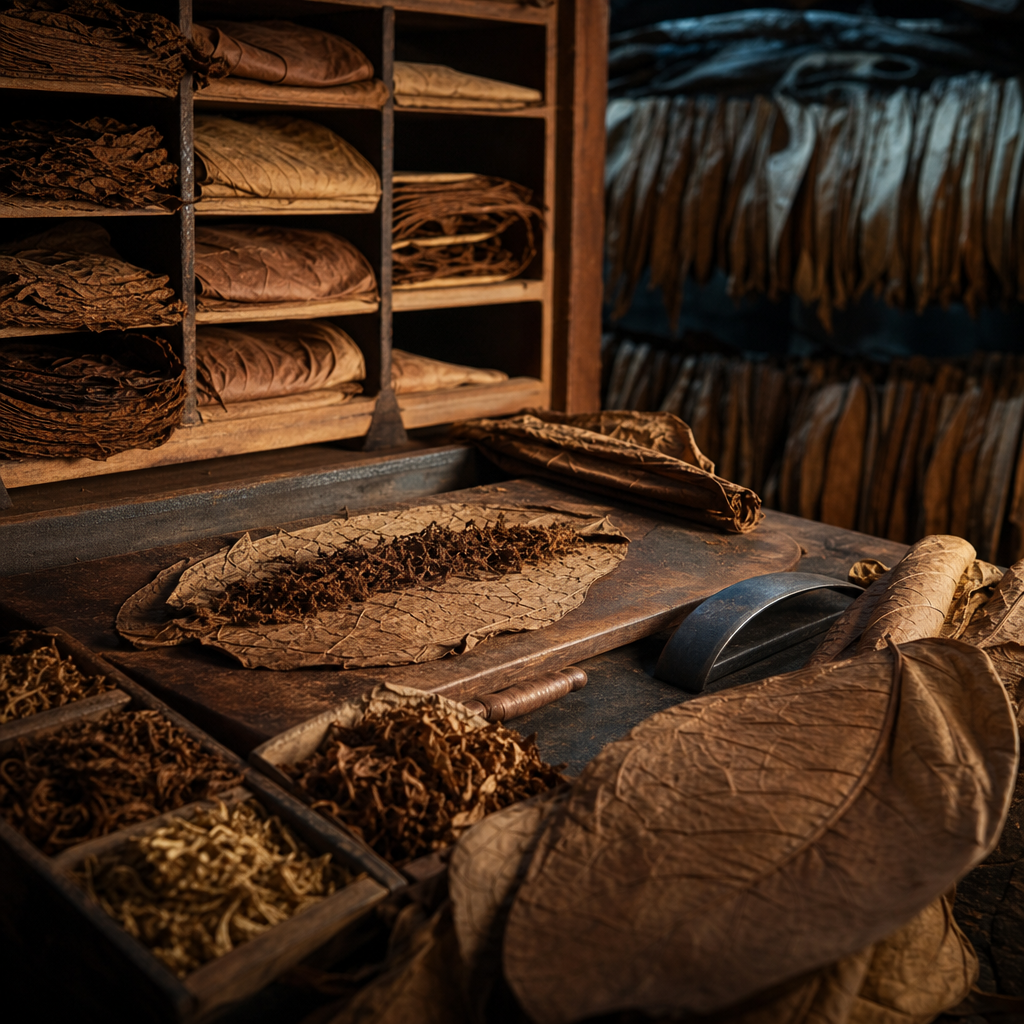
Traditional Craftsmanship in Cigars: From Leaf Selection to Rolling Techniques
As the editor of "Cigar Bible," the most common question I get from beginners is not "which one is the strongest," but rather: why do two cigars that look similar have such different burning, aroma, and feel? The answer often lies not after lighting, but in the years before.
A handmade cigar is a collaborative work of agriculture, fermentation, blending, rolling, and quality control. If you already understand basic tasting, the next step is to learn to appreciate the craftsmanship behind it: how leaves are selected, how rolling is judged, and why the same brand can vary in different years.
Starting from the Field: Seeds, Soil, and Shade Determine the Framework
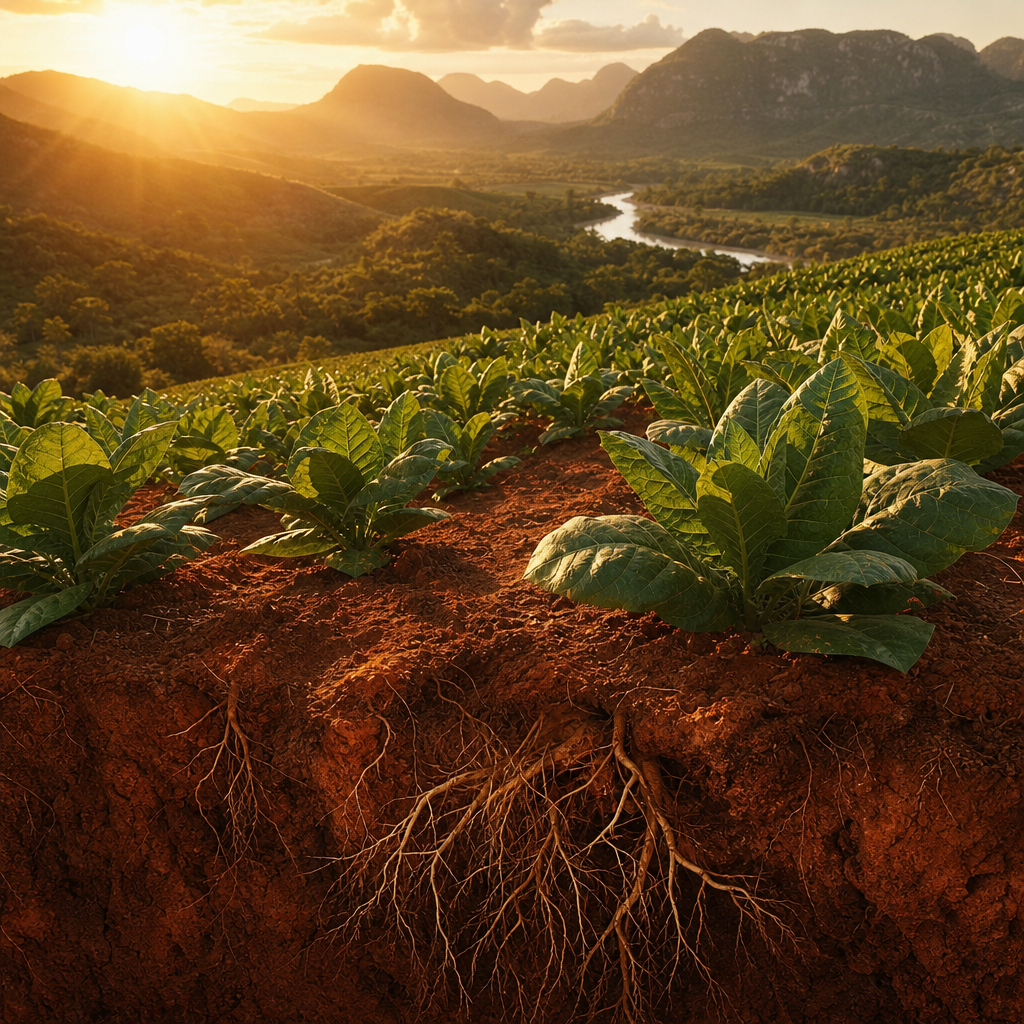
The story of a cigar doesn't start in the factory but in the field. Take Cuba's Vuelta Abajo as an example; this region has long been regarded as a crucial source of premium cigar leaves, not just for its reputation but for the balance of red soil, humidity, sunlight, and drainage. The styles of brands like Cohiba, Montecristo, and Partagás are fundamentally related to the conditions of their origin.
The first craftsmanship checkpoint of a good cigar is whether the farmer can grow leaves for different purposes from the "same tobacco plant." The upper leaves of the same plant usually receive more sunlight, have higher oil content, and are stronger; the middle leaves are more balanced; the lower leaves burn well. Since the 2000s, many Nicaraguan and Dominican estates have also emphasized zonal planting. For instance, the Padrón 1964 Anniversary series highlights the rich framework of Nicaraguan leaves, while Davidoff often presents delicate layers with Dominican leaves.
Shade cloth is also crucial. If the wrapper leaf is to be delicate, elastic, and have fewer veins, shade-grown methods are often used to reduce direct light, making the leaves thinner and more pliable; conversely, sun-grown leaves have thicker oils and often fuller flavors. When Arturo Fuente OpusX was officially launched in 1995, its ability to produce a wrapper leaf with a strong personality in the Dominican Republic was a case that made many connoisseurs reconsider the potential of the region.
Leaf Selection and Fermentation: Beautiful Color Does Not Mean Maturity
After harvesting, the leaves must first enter the curing barn, where air circulation slowly reduces moisture. Traditional curing often requires 45 to 60 days, during which the leaf color changes from green to yellow-brown and brown. If this stage is rushed, the leaves will taste green; if humidity is uncontrolled, they may mold or lose elasticity. The true craftsmanship lies in opening and closing ventilation windows daily, observing subtle changes in the leaf surface and veins.
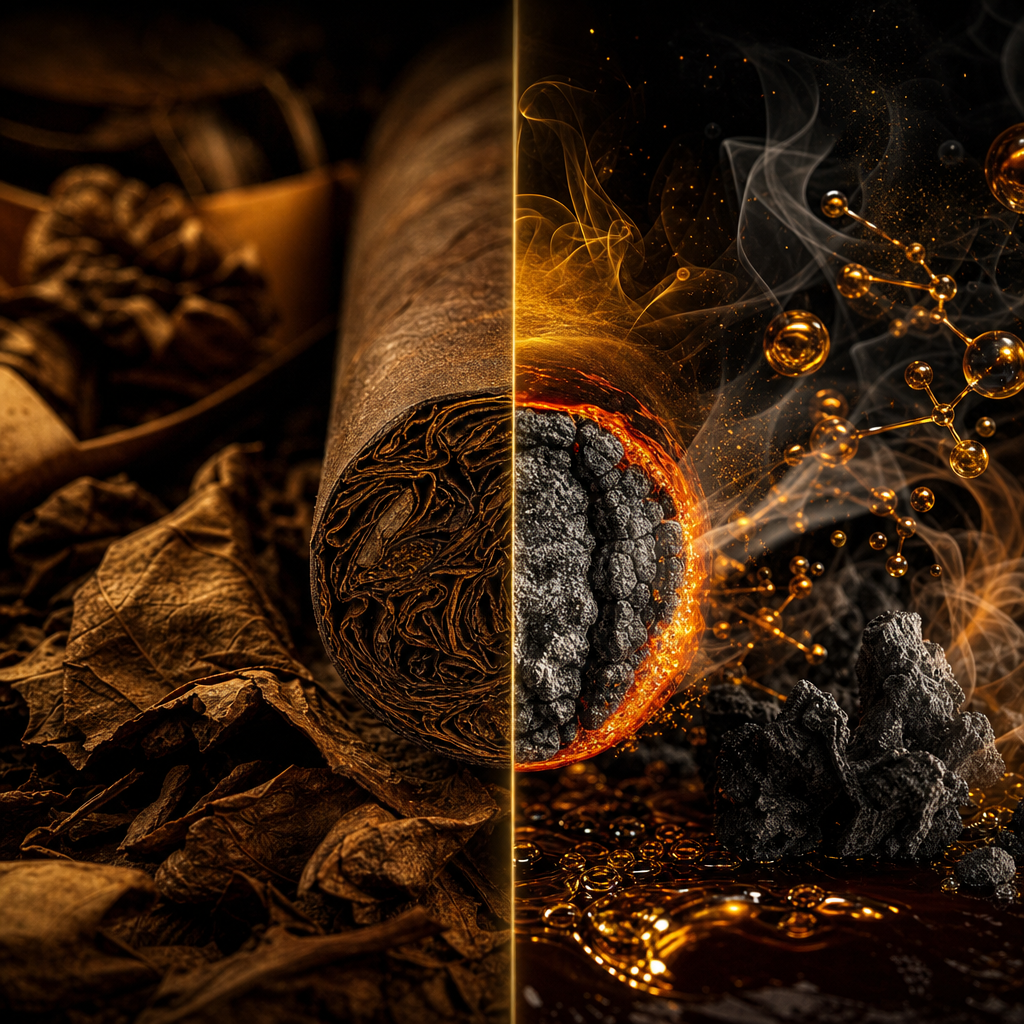
Next is fermentation. Workers stack the tobacco leaves into a pilón, relying on the internal heat of the leaves to break down ammonia and pungency. The stacking height, turning frequency, and temperature vary for leaves from different origins and uses, with some robust leaves requiring multiple fermentations. Fermentation is not just about leaving the leaves for a long time, but about transforming rough power into depth that can be appreciated through temperature, humidity, and time.
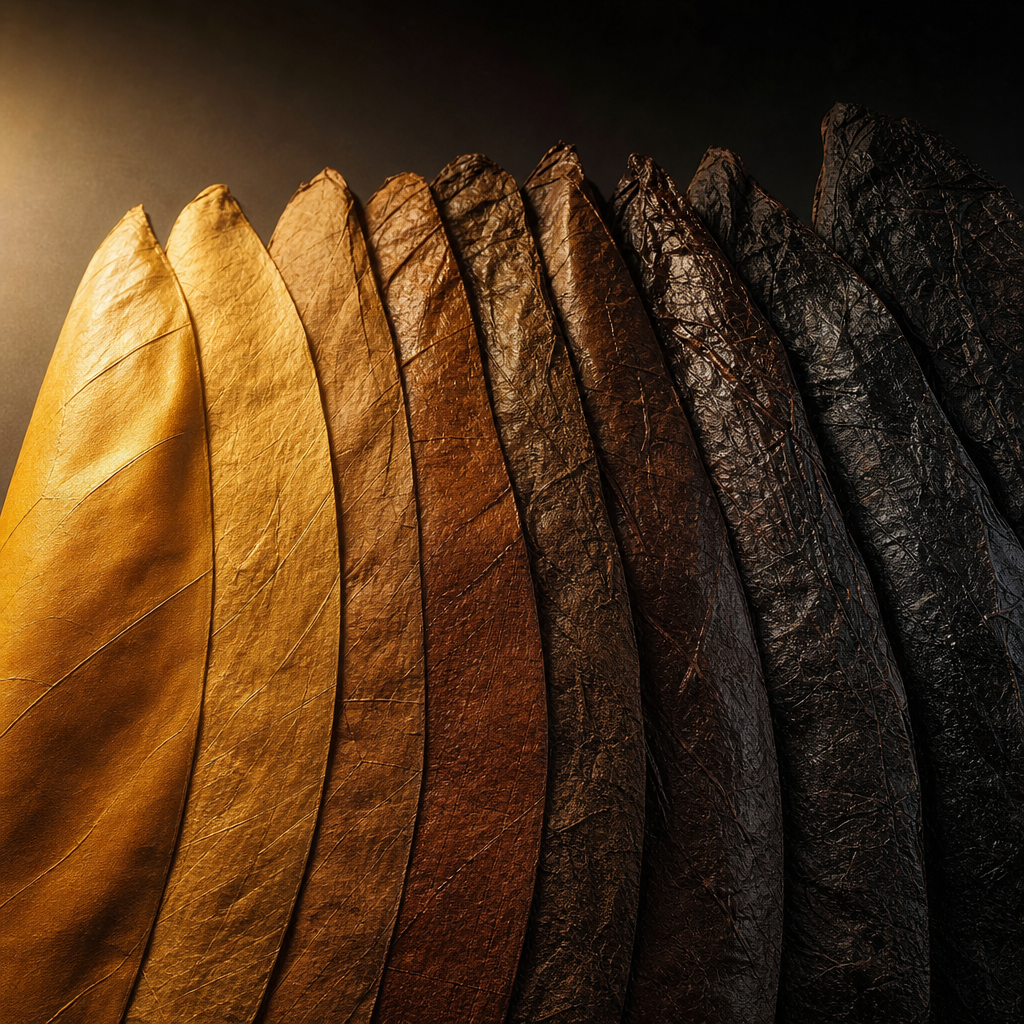
Leaf selection is not just about color. Maduro does not necessarily mean stronger, and Claro does not mean bland; color represents part of the processing method and leaf surface condition but cannot solely determine flavor. For example, Hoyo de Monterrey Epicure No.2 often gives a mild impression, but if well-preserved, it can still have layers of cream, wood, and nuts; conversely, leaves that are shiny but under-fermented may taste sharp.
Blending Formula: The Balance of a Cigar Lies in Its Invisible Interior
Beginners often focus on the wrapper, but the filler and binder are the structural core of a cigar. Blenders design the recipe like chefs, arranging leaves of different positions, origins, and fermentation levels. When the Cohiba Behike series was officially released in 2010, it attracted attention not only for its rare size but also because the medio tiempo leaf brought deeper concentration and aftertaste.
| Leaf Position/Part | Common Characteristics | Craftsmanship Use |
|---|---|---|
| Ligero Upper Leaves | High oil content, strong power, slow burning | Provides depth, spice, and support for the latter part |
| Seco Middle Leaves | Clear aroma, good balance | Establishes main aroma and details |
| Volado Lower Leaves | Good combustibility, lower strength | Helps stabilize burning |
| Binder | Elasticity and structure are important | Fixes filler, affects draw |
| Wrapper | Appearance and feel are key | Provides first impression and part of the aroma |
A truly mature formula is not about piling the strongest leaves together but about achieving simultaneous burning, aroma, concentration, and rhythm. For example, Partagás Serie D No.4 is often regarded as a classic among Robusto sizes because it maintains a stable ratio between wood, earth, spice, and sweetness; pursuing strength alone would lose this rhythm.
Blending also needs to consider size. A larger ring gauge cigar can accommodate more leaf combinations, offering more variation space; a thinner lancero tests the wrapper and rolling skills more, as there is less room for error. This is why different sizes of the same brand should not be simply viewed as "length differences"; they are often different expressions of the formula.
Rolling Site: The Torcedor's Hands Understand the Leaves Better Than Machines
Handmade cigar rollers are called torcedores. Mature rolling is not just about rolling the leaves tightly but ensuring even air channels, consistent filler direction, and stable wrapper tension. In high-end Cuban factories, experienced rollers are often graded by ability, with different levels responsible for different sizes and difficulties. Double Corona, Salomones, and Lancero are more challenging than general parejos.
Traditional rolling generally includes several steps:
- Select and organize filler leaves, removing overly thick veins.
- Arrange long filler with the palm, aligning vein direction with burning.
- Wrap with binder leaf to form the cigar bunch.
- Place in a wooden mold for shaping, usually pressed for a period.
- After removal, cover with the wrapper, trim the cap and foot.
Good rolling will make you feel the draw is natural, not loose and weak or too tight to maintain burning. A cigar that is too loose burns quickly, with high temperature, and the aroma is likely to be coarse; too tight will result in insufficient smoke volume, even extinguishing mid-way. Around 2000, many regions began to use draw testing machines more widely, but truly delicate corrections still rely on the experience in the roller's hands.
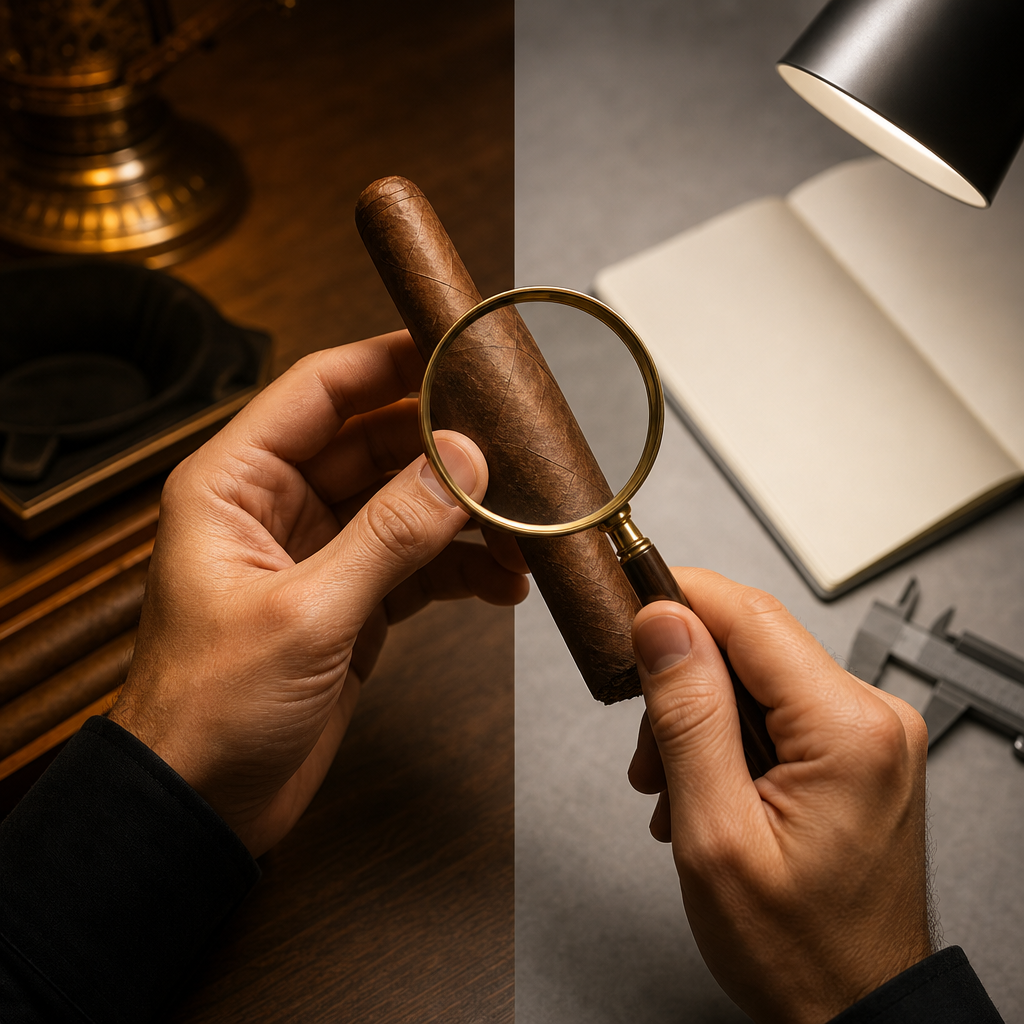
When I look at an unlit cigar, I first gently pinch a few spots: the foot, the center, and near the cap. If there are obvious voids or hard spots, burning may be unstable. This is not about pursuing each one to be rigidly measured but observing whether the density is continuous. The beauty of handmade lies in subtle differences, but differences must be within a reasonable range.
Wrapper and Cap: Appearance Is Not Vanity, But a Craftsmanship Resume
The wrapper is the most visible part and the most easily misunderstood. Beginners often think the darker the color, the higher the grade, but professional judgment will look at oil content, elasticity, veins, patches, cracks, and wrapping direction. A good wrapper does not have to be flawless but should present an even sheen, with a delicate oily feel to the fingertip, not dry like paper or sticky.
The cap is another focus of observation. The traditional Cuban triple cap is cleanly finished with natural lines; Dominican and Nicaraguan factories also have their methods. When cutting a cigar, if you only cut off a small piece at the front end, retaining the cap edge structure, it usually reduces the chance of the wrapper unraveling. This is also part of etiquette: it's not about showing off skills but respecting the time spent by the roller on the finish.
The beauty of the wrapper is not decoration; it reflects whether leaf selection, humidity management, and rolling gestures are in place. For example, a longer size like Romeo y Julieta Churchill, if the wrapper tension is uneven, the burn line is likely to skew; while shorter, thicker sizes are more forgiving, if the foot filler distribution is uneven, one side may burn faster.
Storage will also change the wrapper state. The general recommendation is a relative humidity of about 65% to 69% and a temperature of about 18 to 21°C, practically depending on the environment and circulation within the box. Over-humidification can cause burning difficulties and a dull taste; over-drying can lead to cracking and increased spiciness. When discussing collection value, I always remind: it does not guarantee appreciation, still depending on source preservation and market.
Quality Control: Final Check from Weight, Draw to Box Sorting
Cigars are not immediately boxed after completion. Many factories will first allow them to rest, stabilizing the moisture and tension of the freshly rolled cigars. Afterward, length, ring gauge, weight, and appearance are checked. For a 50-ring gauge Robusto, even if the size is the same, a significant weight difference may indicate different filler density; and density directly affects burning speed and draw.
Draw testing is an important tool in modern quality control. Machines detect the resistance of the cigar bunch with a fixed airflow, and too tight or too loose ones will be picked out. Large factories in Cuba, Honduras, the Dominican Republic, and Nicaragua are increasingly emphasizing this step, but different brands have different standards. The Padrón 1926 Serie is often praised for its stability, backed by long-term quality control and raw material management.
The purpose of quality control is not to eliminate the handmade feel but to keep defects that shouldn't appear out of the box. After completion, cigars are also sorted by color to make the same box look consistent. This is not to deceive visually but is a traditional packaging aesthetic: if the color difference is too large in the same box of 25, it will make people doubt the batch and sorting rigor.
Box codes, years, and source information are also worth learning. Cuban cigar boxes often have factory codes and month-year codes on the bottom. Although factory codes will adjust and cannot solely determine quality, they can serve as tracking clues. Non-Cuban brands often indicate batches, series years, or commemorative editions, such as Davidoff Year of the Dragon and Arturo Fuente Don Carlos related versions, leaving traceable records of craftsmanship and time.
Frequently Asked Questions
Why do cigars from the same box still have some flavor differences?
Handmade cigars use natural tobacco leaves, and even within the same box and batch, there will be slight differences due to leaf position, moisture content, and rolling density. Reasonable differences are a characteristic of handmade, while obvious blockages, cracks, or mold are defects. Beginners can taste three of the same type consecutively to establish their own benchmark.
Does a dark wrapper necessarily mean it's stronger?
Not necessarily. Maduro wrappers often bring sweetness, cocoa, or coffee notes, but the concentration still depends on the filler formula. Some Connecticut Broadleafs are robust, while some dark Ecuadorian wrappers are smoother. When judging, consider the wrapper, filler, size, and brand style together.
What can be done if the draw is too tight?
First, check if the cut is too small, then check if the humidity is too high. If stored too wet, adjust in a more stable environment for a few days. Tools can assist in clearing, but be gentle, do not forcefully insert to the bottom to avoid damaging the filler structure. If the entire cigar is tight from start to finish, it is usually a rolling density issue.
Does a crooked burn line indicate poor quality?
Do not jump to conclusions immediately. Outdoor wind, uneven lighting, and humidity differences can cause uneven burning. If rotating the cigar and slowing the pace can self-correct, it is mostly not a big issue; if one side keeps burning faster and touching reveals hard spots or voids, it is more likely related to rolling.
What craftsmanship observations should beginners learn first?
I suggest practicing three things first: observe the wrapper condition, pinch the density, and record the burn. Each time, note the brand, size, year or box code, humidity, draw, and flavor notes. After three months, you will find that you are not only tasting cigars but also beginning to understand the language of rolling and leaf selection.
From leaf selection to rolling, a cigar is actually a time piece completed by many people together. Farmers watch the sky, fermenters watch the temperature, blenders watch the ratio, rollers watch the feel, quality control watches stability; finally, it reaches our hands, and we slowly read it with fire. My perspective is simple: understanding craftsmanship is not to make cigars sound mystical, but to make each tasting more measured. When you know how many checkpoints a leaf has passed, you will naturally smoke slower and understand respect more.
—Cigar Prince Wilson Tsai
Smoking is harmful to health. Under 20 years old is not allowed to smoke. Quitline: 0800-636363. This article is for reference only for adults over 20 years old regarding cigar culture, preservation, and regulations, not a tobacco advertisement, promotion, or purchase suggestion.