Rare Varieties and Precious Collections of Cigars: A Panoramic Exploration from Origin to Tasting
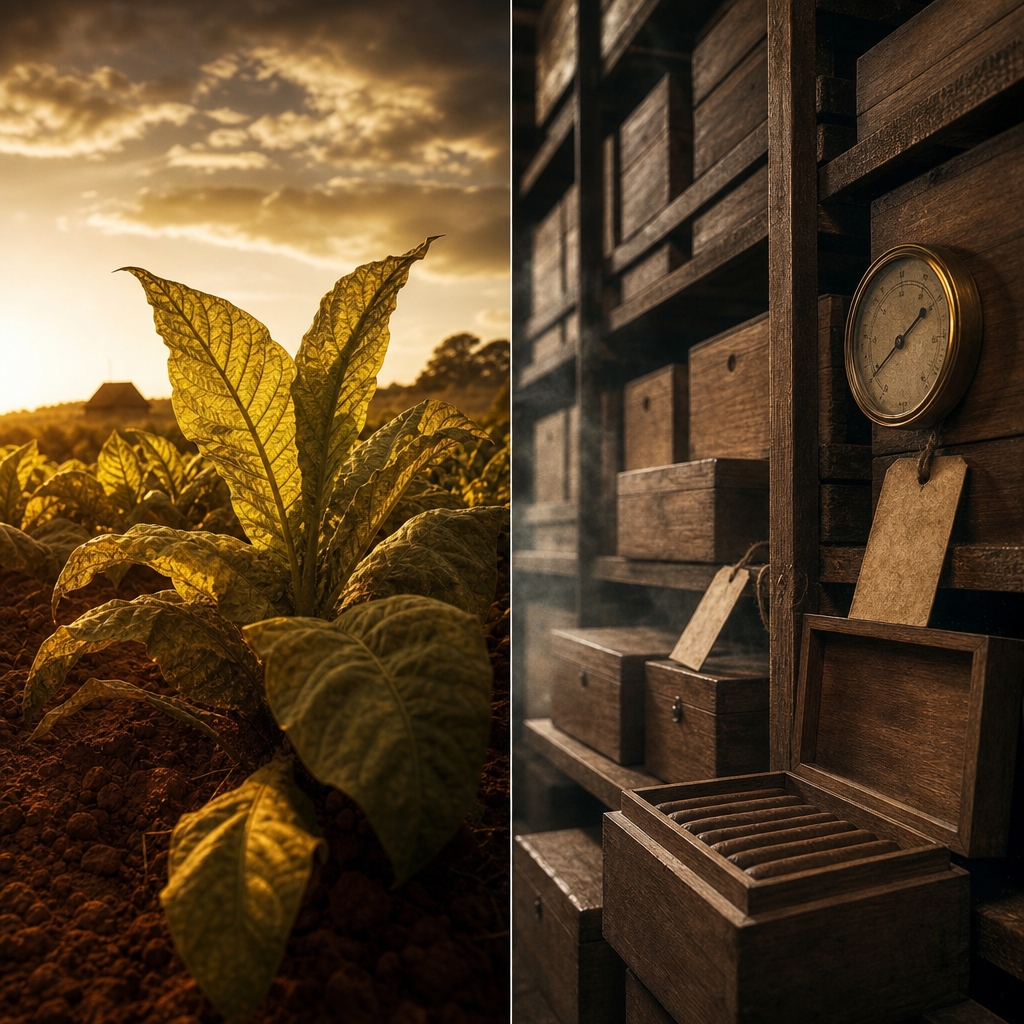
Rare Varieties and Precious Collections of Cigars: A Panoramic Exploration from Origin to Tasting
The allure of rare cigars lies not only in their "scarcity" but in the agronomy, vintage, selection of materials, and circulation context behind them. When discussing rare collections, if one only considers the box's vintage or market rumors, it's easy to miss the details that truly determine flavor and value.
As an editor of the "Cigar Bible," I am more concerned about whether a cigar can be fully understood: where the seeds come from, which field they grow in, how many years they have been aged, who rolled them, and whether they have been stored stably. These answers are the deepest charm of rare cigars.
Rare is Not a Myth: Understanding the Essence Through Tobacco Varieties and Regional Conditions
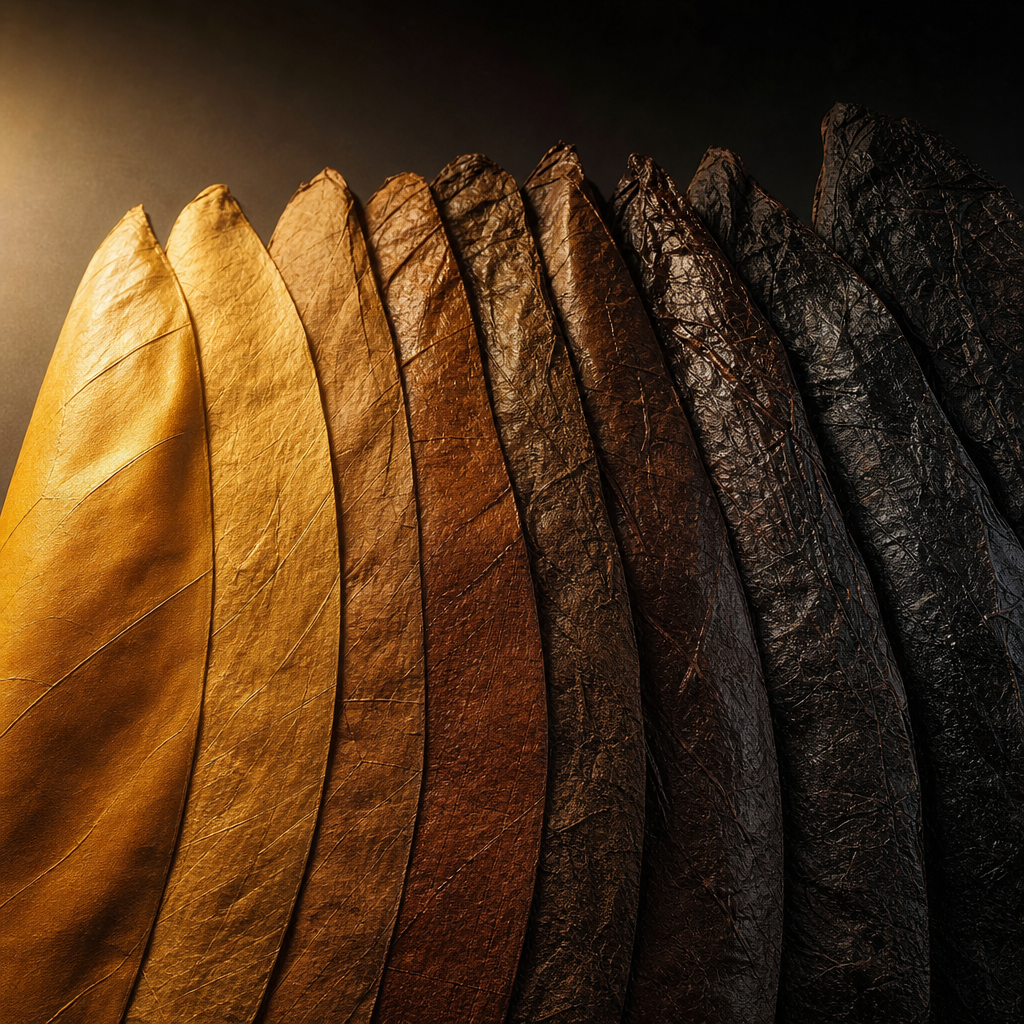
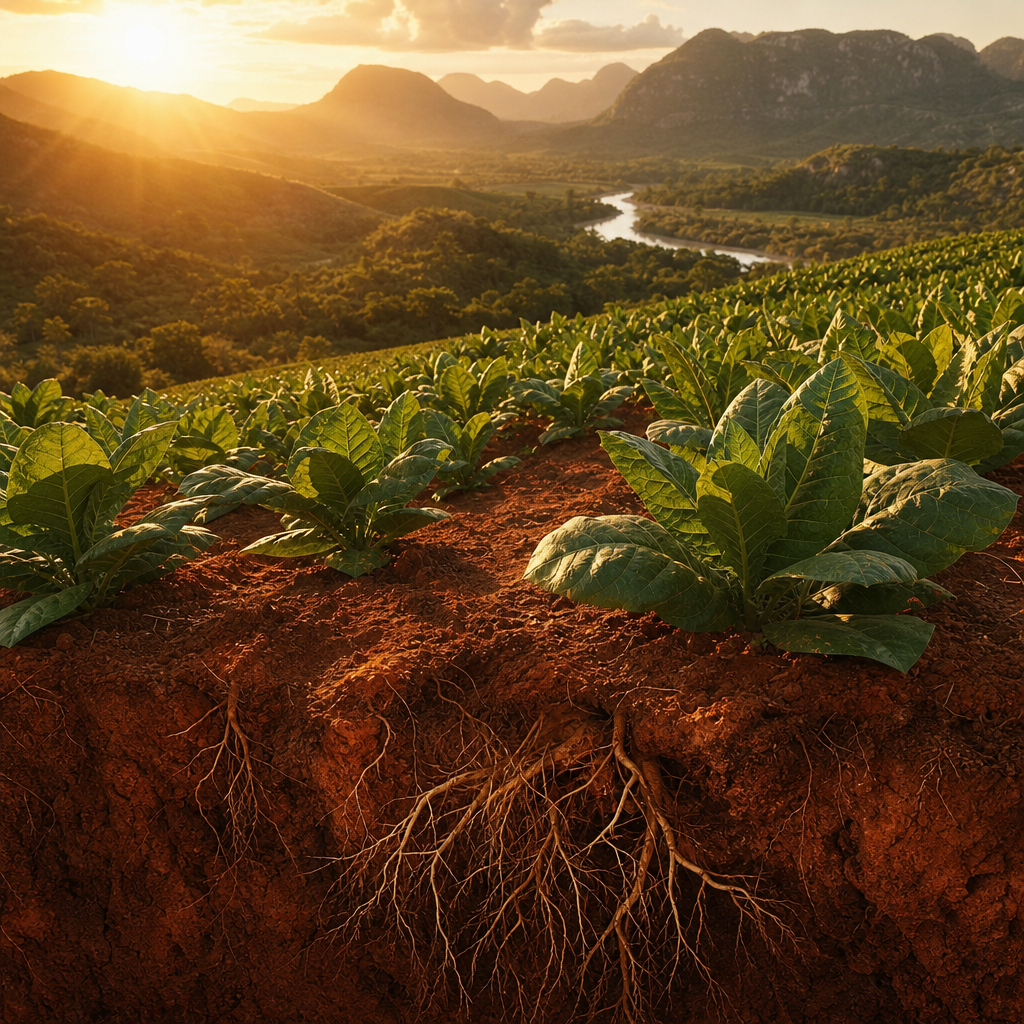
When discussing rare cigars, the first layer is to return to tobacco varieties. Cuba's Medio Tiempo, Nicaragua's Pelo de Oro often mentioned by old-school farmers, and the dark tobacco grown in the Yamasá soil of the Dominican Republic are materials that cannot be replicated by marketing alone. Medio Tiempo appears only at the top of a few plants, with low yield and slow maturity, which is one of the important reasons why Cohiba Behike has been regarded as a special series since its official launch in 2010.
Pelo de Oro is a typical case. This variety was praised in the first half of the 20th century for its rich aroma but was gradually replaced by more stable Corojo and Criollo series due to its poor disease resistance and susceptibility to blue mold. In recent years, a few brands in Nicaragua have tried to replant it, usually only for small batch limited editions, due to high agricultural risks and grading elimination rates.
True rarity often comes from the simultaneous establishment of "hard to grow, hard to mature, and hard to stabilize" conditions. If it's just a small package with a fancy name but lacks clear information on origin, tobacco, or vintage, experienced enthusiasts should be vigilant. The first threshold for rare cigars is always agricultural logic, not market slogans.
Cuban Rare Series: Reserva, Gran Reserva, and Special Vintages
In the Cuban system, the most worthy of in-depth study are Habanos' Reserva and Gran Reserva. Reserva usually boasts of using tobacco aged for at least 3 years, while Gran Reserva often features tobacco aged for at least 5 years. Examples like Cohiba Siglo VI Gran Reserva 2003, Montecristo No.2 Gran Reserva 2005, and Partagás Lusitanias Gran Reserva 2007 are cases that experienced enthusiasts repeatedly compare.
The focus of these series is not just the limited number of boxes but the consistency of the leaf composition over time. For instance, Montecristo No.2 Gran Reserva 2005 retains the classic pyramid shape of No.2, but its flavor is often described as rounder and deeper, with a high integration of bittersweet cocoa, wood, and leather. Compared to the regular version, the difference is not "stronger" but more finely tuned.
| Series Type | Common Aging Standard | Representative Cases | Key Points for Collection Observation |
|---|---|---|---|
| Reserva | About 3 years or more | Partagás Serie D No.4 Reserva 2000 | Whether the classic size of the brand is magnified |
| Gran Reserva | About 5 years or more | Cohiba Siglo VI Gran Reserva 2003 | Box condition, seal, humidity records |
| Edición Limitada | Limited blend of the year | 2004, 2010 multi-brand limited editions | Dark wrapper and vintage characteristics |
| Regional Edition | Market-specific releases | Asia-Pacific, UK, Spain versions | Transparency of issuance and market circulation |
The core of the Cuban rare series is not in "label rarity" but whether the aging period, size selection, and preservation status support each other. The same box of cigars, if the source is clear and stored stably, will be a completely different work ten years later compared to a box that has experienced high temperatures and severe humidity fluctuations.
Non-Cuban Rare Routes: OpusX, Padrón, and Small Batch Farms
If we broaden our view to non-Cuban cigars, the logic of rarity is closer to "farm control" and "family craftsmanship." When Fuente Fuente OpusX was launched in 1995, the most shocking aspect was that high-quality wrappers could also be grown in the Dominican Republic. The microclimate, red soil, and long-term experiments of Chateau de la Fuente have made OpusX one of the most frequently discussed series in non-Cuban collections.
Padrón 1964 Anniversary Series is another route. It does not rely on mysterious production but on long-term consistency and the mature performance of Nicaraguan tobacco. The 1964 series commemorates the founding year of the family, and since its launch in 1994, its box-pressed shape, serial number ring label, and stable blend have made it a tool for experienced enthusiasts to calibrate their taste. Looking further at Family Reserve 1926, No.45, No.85, and other versions, one can understand how family years translate into flavor narratives.
The value of non-Cuban rare cigars is often built on traceable farms, stable craftsmanship, and long-standing reputation, rather than single market popularity. For example, Davidoff Oro Blanco uses tobacco aged for over 12 years, released around 2014, with high pricing and positioning, but what is truly worth studying is its smooth structure, balance of white pepper, creamy wood, and subtle sweetness.
Rare Sizes and Discontinued Editions: Why Enthusiasts Pursue Old Vitolas
Besides tobacco, the size itself can also cause rarity. In the old Cuban sizes, Lonsdale, Dalias, Cervantes, Laguito No.1, and other slender vitolas have been gradually squeezed by the market's Robusto, Toro, and large 60 ring gauge sizes over the past two decades. When a brand discontinues a certain size, the remaining inventory becomes not just a product but a specimen of a certain segment of smoking aesthetics.
Take Cohiba Lanceros as an example, Laguito No.1 is 192mm long with a 38 ring gauge, testing the roller's mastery of airflow and filler. The slender size burns slowly, and the flavor layers do not rely on a large amount of smoke but on linear progression. Looking at classics like Partagás 8-9-8 and Ramon Allones 8-9-8, these box arrangements and size proportions carry the traces of the previous generation's cigar culture.
The preciousness of discontinued sizes comes from preserving the flavor syntax before the market shift. However, old vitolas also carry risks: slender ring gauges are more susceptible to dryness, and if kept below 60% relative humidity for a long time, the wrapper may crack, and the draw may tighten; if kept above 72% for a long time, ammonia and mold flavors may develop. Experienced collectors of sizes look beyond the name to the structural condition.
Tasting Techniques: How Experts Discern the Layers of Rare Cigars
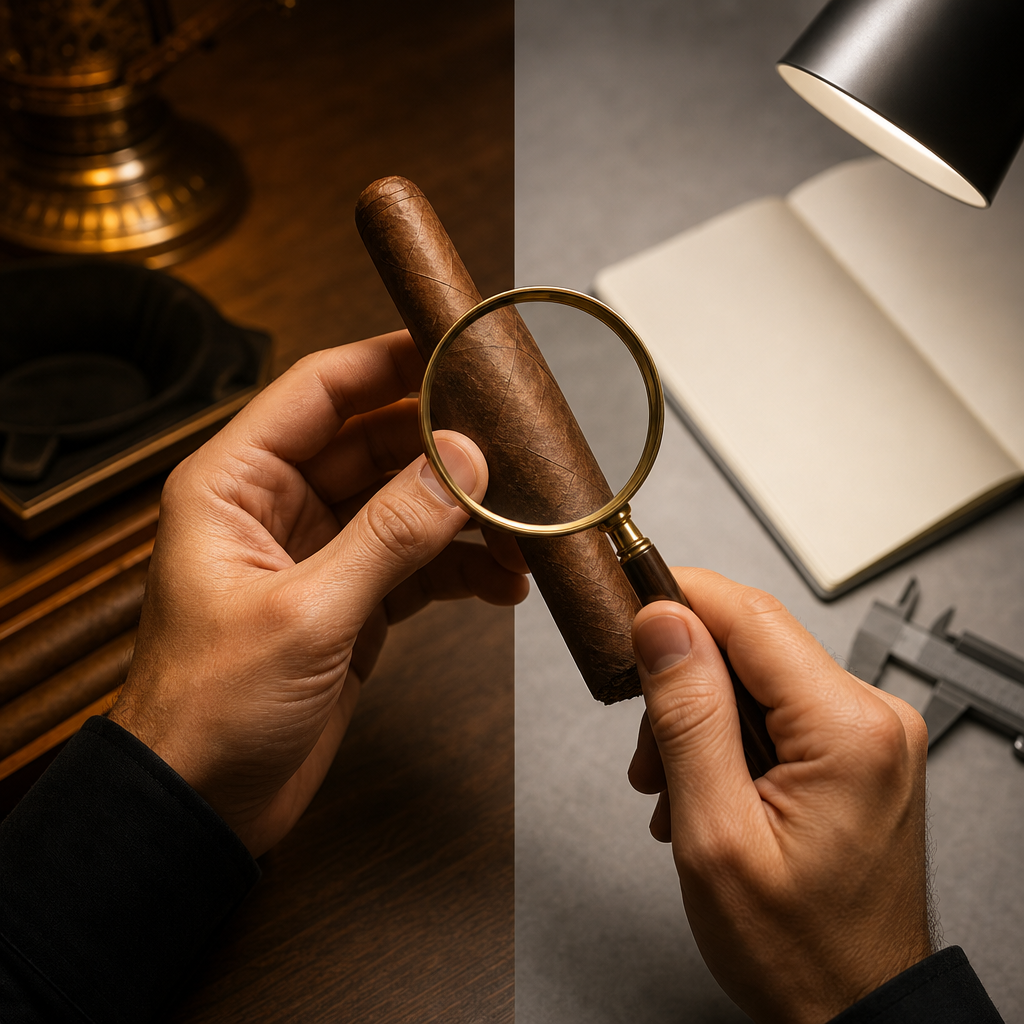
When facing rare cigars, I habitually break down the tasting into three stages: before lighting, during burning, and after completion. Before lighting, observe the wrapper's oiliness, leaf veins, and color uniformity, then smell the foot aroma; if there are notes of grain, hay, honey, cocoa, or cedar wood, it usually indicates that the preservation still has vitality. The cold draw after cutting can check the draw and initial flavor; too loose will cause fast burning, too tight may affect the unfolding of layers.
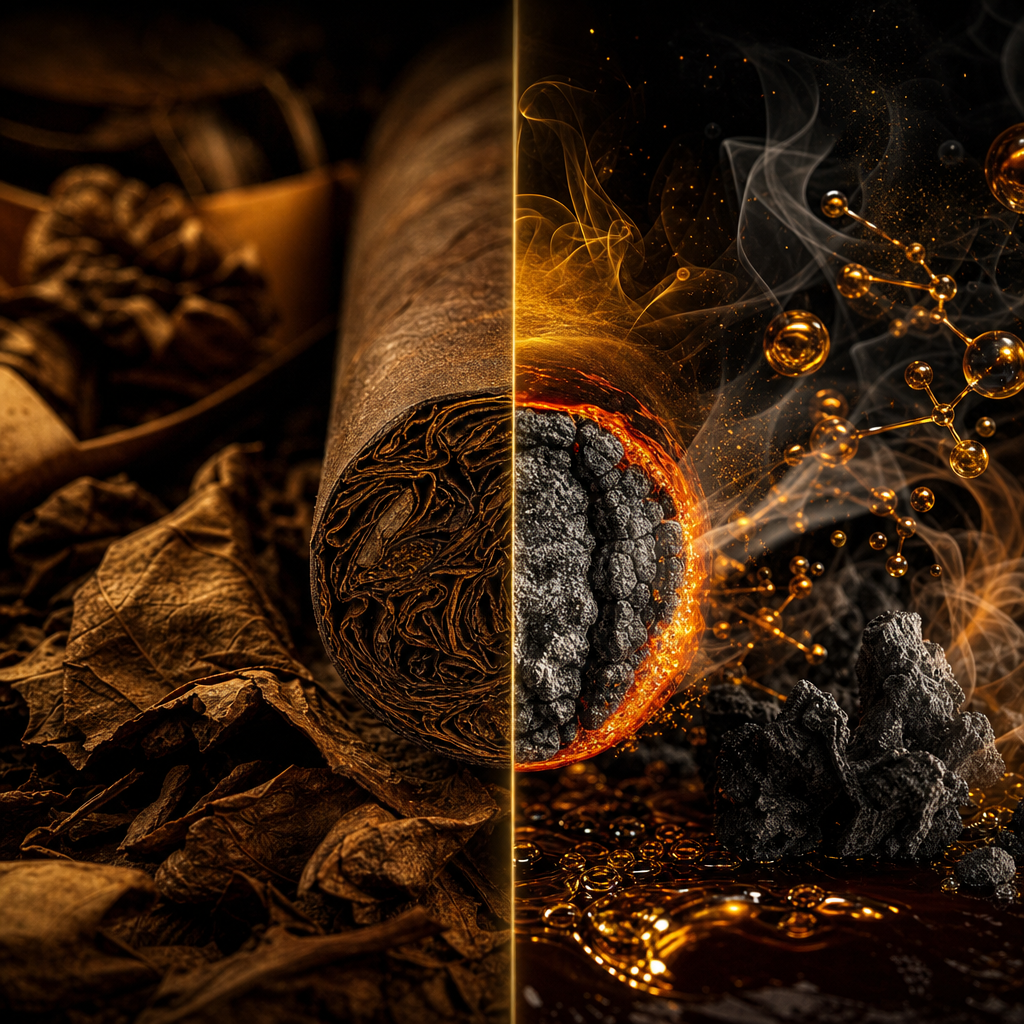
During burning, don't rush to score. The first segment looks at whether the opening is clean, the second segment checks if the body stands up, and the last segment observes whether the nicotine, tar, and aftertaste are unbalanced. Comparing Cohiba Behike 52, 54, and 56, 52 often appears delicate and concentrated, 54 has good balance, and 56 offers a wider smoke volume and mouth coverage; but if the same series is stored differently, the differences may be greater than the size itself.
- Before lighting: Record wrapper, foot aroma, cold draw, and draw resistance
- First segment: Observe sweetness, woodiness, and spice cleanliness
- Second segment: Judge oiliness, thickness, and transitions
- Last segment: Note bitterness, heat, and aftertaste length
- After completion: Write down humidity, burn line, ash color, and personal comments
The focus of rare cigar tasting is not to find surprises but to judge whether it fully expresses the original structure. The most common mistake for experienced enthusiasts is being swayed by price or fame; a truly mature evaluation should let sensory records precede brand aura.
Collection Preservation and Market Dynamics: Source, Humidity, and Circulation Context
When collecting rare cigars, the biggest fear is discussing only the market without discussing preservation. I recommend long-term storage control at 65% to 69% relative humidity, about 18 to 20°C; for thin Cuban wrappers and slender sizes, it can lean towards 65% to 67% to avoid over-moisture causing burning sluggishness. Boxed collections should also retain the outer box, seal, tax label, purchase records, and photos, as these materials will be more convincing than oral stories ten years later.
Market dynamics should also be viewed in layers. From 2019 to 2023, the Asian market's demand for Cohiba, Trinidad, and high-end limited editions has significantly increased, causing price fluctuations for some models to intensify; at the same time, counterfeit and re-boxing issues have also increased. If the source comes from PCC authorized dealers or channels with transparent records, at least the risks of authenticity and preservation gaps can be reduced.
The value of a collection is not just today's price but authenticity, box condition, preservation records, brand status, and future circulation. As for collection appreciation, it does not guarantee appreciation; it still depends on source preservation and the market. If experienced enthusiasts treat cigars as cultural assets, they should prepare two sets of records: one for sensory notes and one for preservation and circulation documents.
Frequently Asked Questions
1. Are rare cigars always better than regular ones?
Not necessarily. Rare represents special production, vintage, size, or tobacco conditions but does not guarantee that the flavor suits you better. Experienced enthusiasts should view rarity as a research specimen, not an automatic high score guarantee. For example, some Edición Limitada with darker wrappers and heavier taste, if you prefer elegant floral and hay tones, regular H. Upmann or Quai d’Orsay might be more suitable.
2. How long are rare cigars best preserved?
It depends on the leaf composition and current state. Generally, cigars with a full structure, good oiliness, and clean burning can be observed in a stable environment for 5 to 15 years; but if they are already cracked and have flat aromas, further aging is unlikely to restore them. Aging is not magic but the result of time, humidity, and raw materials working together.
3. How to determine if an old box is worth collecting?
First, look at the source, then the box condition, and finally the price. Cross-check seals, box codes, tax labels, the smell of the wooden box, and wrapper integrity. If there is a pungent mold smell, severe wormholes, or humidity fluctuation marks inside the box, even if the vintage is attractive, it should be conservatively evaluated.
4. Do non-Cuban rare editions have collection significance?
Yes, and they are increasingly worth researching. Fuente OpusX, Padrón Family Reserve, Davidoff Oro Blanco, Arturo Fuente Añejo, etc., have all established their own collection language. The strength of non-Cuban cigars lies in farm transparency, stable blending, and the continuation of family craftsmanship.
5. What items should experienced enthusiasts record in rare cigar notes?
At least record the brand, size, box code or batch, storage humidity, lighting date, burning time, three-segment flavor, draw resistance, ash color, aftertaste, and whether it is worth revisiting. Three years later, you will find that notes are more reliable than memory and better calibrate your preferences.
When collecting rare cigars, I always believe in taking it slow. Slowly check the source, slowly look at the box condition, and slowly understand the traces left by a piece of land and a roller. The market will heat up, prices will change, but a well-preserved, structurally complete cigar opened at the right moment brings a moment where culture, time, and senses converge. This understanding lasts longer than any label.
—Cigar Prince Wilson Tsai
Smoking is harmful to health. Under 20 years old is prohibited from smoking. Quitline: 0800-636363. This article is intended for adults over 20 years old as a reference for cigar culture, preservation, and legal knowledge, not as tobacco advertising, promotion, or purchase advice.