Analysis of Microclimate and Soil Characteristics in Cigar Regions
Analysis of Microclimate and Soil Characteristics in Cigar Regions
Discussing cigar regions, experienced enthusiasts should not stop at the level of country names like "Cuba, Nicaragua, Dominican Republic." What truly creates flavor differences are altitude, sunlight, night temperature differences, rainfall patterns, soil drainage, and mineral structure; even within the same country, leaves grown twenty kilometers apart can have completely different burning qualities, sweetness, spiciness, and aftertaste.
As an editor of the "Cigar Bible," I have long observed the raw materials, brand formulas, and batch differences of various regions. In this article, I aim to discuss how microclimate and soil change tobacco leaves, thereby shaping brand character and flavor diversity from a perspective closer to agronomy and blending.
Cuba Vuelta Abajo: The "Skeleton Feel" Shaped by Limestone, Red Soil, and Sea Breeze
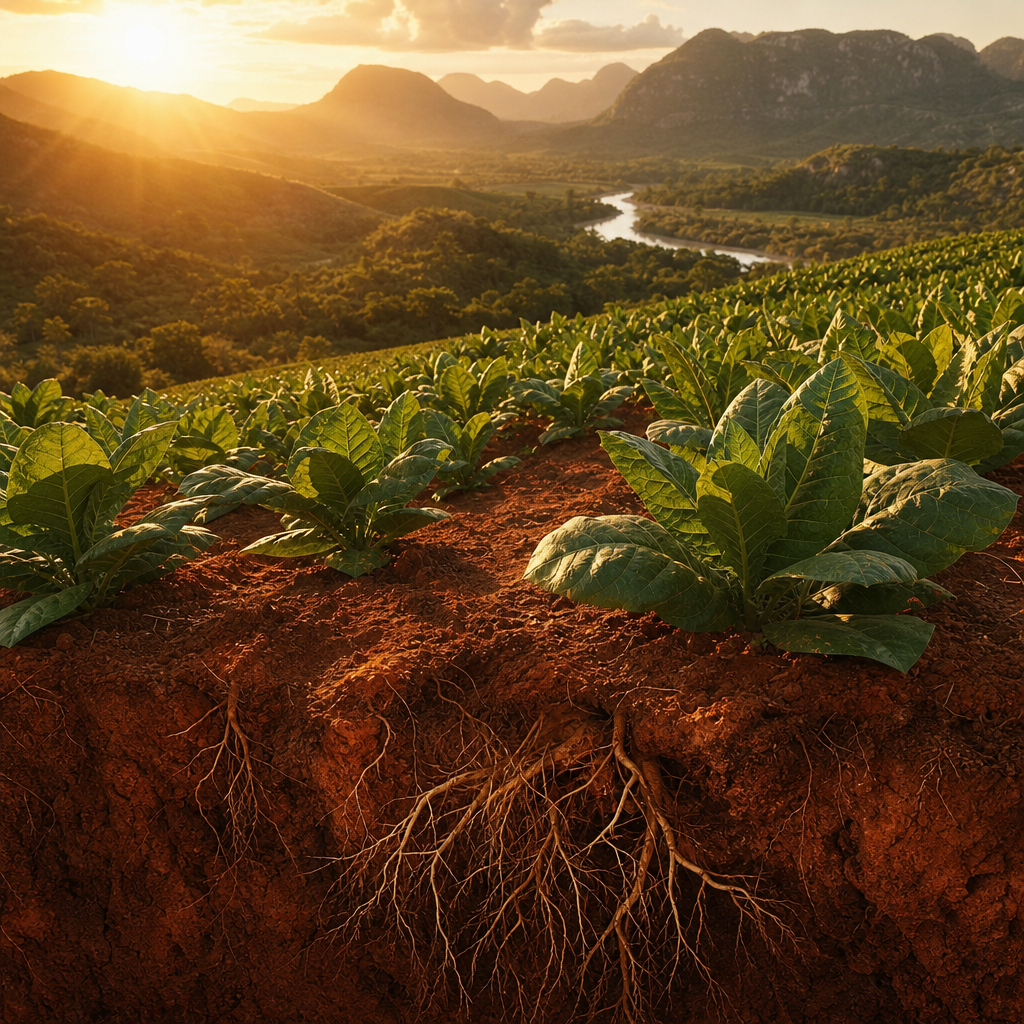
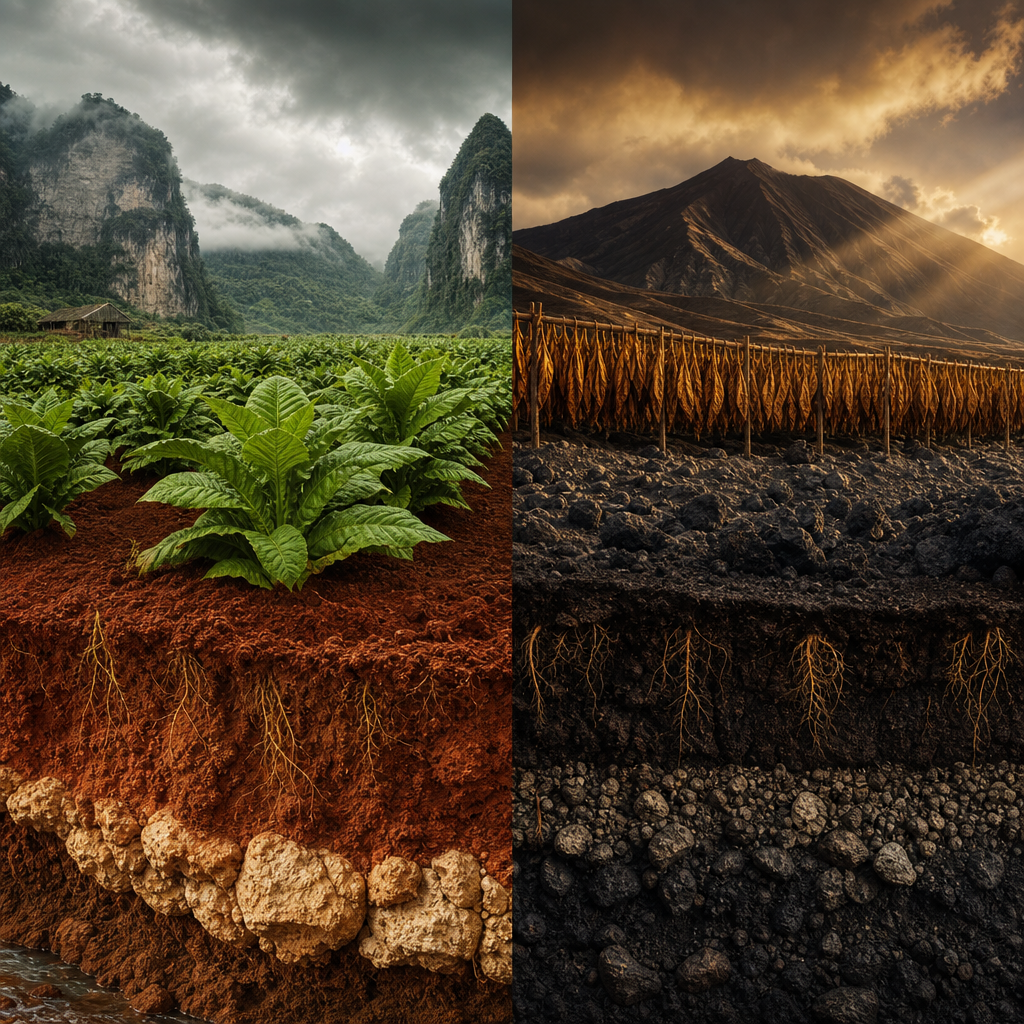
Cuba's Vuelta Abajo in the Pinar del Río province has long been regarded as one of the core regions for premium cigar tobacco, especially around San Juan y Martínez and San Luis. The soil here is mostly reddish-brown loam mixed with limestone weathering products, with a pH often ranging from neutral to slightly alkaline. This type of soil has good drainage, retains water without waterlogging, allowing roots to stabilize downward, which is particularly important for the thickness and mineral feel of ligero leaves. The key to Vuelta Abajo is not just the "Cuban flavor," but the structural feel formed by soil drainage and night humidity.
The microclimate here has two key points: first, there is ample sunlight but not extremely dry heat; second, the humid air from the Caribbean allows the leaves to mature at a relatively balanced pace. Looking at brands like Cohiba, Partagás, H. Upmann, and Ramon Allones, which all use Cuban raw materials, Cohiba often presents cleaner grass, honey, coffee, and delicate wood; Partagás is often described as leathery, black pepper, earthy, and rich wood, which is not only a brand style but also related to different farm leaf positions and fermentation strategies.
Since the 2010s, Cuba has been affected multiple times by hurricanes, abnormal rainfall, and production pressure, with some years experiencing tighter supplies of wrapper leaves. Years like 2003, 2008, 2016, and 2022 have seen batch differences due to climate events. Experienced enthusiasts comparing the same vitola, such as Montecristo No.2, often find greater differences in burn line, sweetness, and spiciness than expected. This also reminds us: the reputation of a region is a starting point, not an endpoint.
Dominican Republic Cibao Valley: The Roundness and Fineness Brought by High-Calcium Soil and Stable Climate
The Cibao Valley in the Dominican Republic, especially around Santiago, Tamboril, La Canela, and Villa González, is the important foundation for many non-Cuban classic brands. The soil here is often loamy, rich in calcium and organic matter, with good drainage, and distinct rainy and dry seasons, which are very friendly to tobacco growth. Compared to Cuba's mineral and herbal notes, the Dominican Republic often showcases cream, nuts, hay, floral notes, and rounded wood. The advantage of the Dominican microclimate lies in its stability, allowing brands to create long-term consistent and clean formulas.
Arturo Fuente is one of the best examples. The Fuente family established the brand in 1912 and later built Chateau de la Fuente in the Dominican Republic, launching OpusX in 1995, proving that the Dominican Republic is not only suitable for filler but can also grow thick wrappers. The success of OpusX is largely due to the specific plots of the estate with controlled sunlight, wind direction, and drainage; it often has cinnamon, roasted sweetness, dried fruit, and spiciness, which is significantly different from the traditional mild impression of the Dominican Republic.
Davidoff has also long benefited from these conditions. Since the 1990s, Davidoff has established a precise, clean, and balanced brand language in the Dominican Republic, such as the Signature, Grand Cru, and Aniversario series, often giving a sense of delicate burn and clear aroma lines. This is not solely due to the blender's skills but the result of stable raw material supply and farm management. For experienced enthusiasts, the value of the Dominican region lies in its ability to make "subtlety" repeatable, rather than just pursuing intensity.
Nicaragua Estelí, Jalapa, Condega: The Triangular Area of Volcanic Soil and High-Intensity Flavor
The explosive flavor of Nicaragua comes from the combination of multiple valleys, not a single region. Estelí is about 800 meters above sea level, with a drier climate and strong sunlight. The volcanic soil is rich in minerals, often producing thick, nicotine-rich ligero; Jalapa, near the Honduran border, has finer soil and higher sweetness, with beautiful wrapper leaves; Condega lies between the two, often bringing herbal, cocoa, and mid-range support. The charm of Nicaragua is in using different valleys to form a flavor structure: Estelí provides strength, Jalapa provides sweetness, Condega provides balance.
Padrón is an important entry point to understanding Nicaragua. The 1964 Anniversary and 1926 Serie often present black cocoa, coffee, soil, pepper, and dried fruit sweetness, which is highly related to Nicaraguan volcanic soil and thicker leaves. Oliva Serie V uses Jalapa Valley ligero as one of its cores, achieving a balance between concentration and sweetness; AJ Fernandez's New World, San Lotano, Dias de Gloria also often use Estelí's strength and different regional leaves to layer dark-toned flavors.
Nicaragua formed a new generation of brands during the 1979 revolution, the 1990s reorganization, and post-2000 export growth. After the 2000s, the U.S. market's demand for high-intensity cigars rose, and Nicaragua happened to provide black pepper, concentrated coffee, caramel, and mineral bitterness. Experienced enthusiasts comparing Nicaraguan cigars might look at whether the formula specifies Estelí, Jalapa, Condega, or Ometepe; this can better predict the flavor focus than just looking at ring gauge and length.
Wrapper Leaf Regions: The Expression Differences of Ecuador, Cameroon, Connecticut, and San Andrés
The wrapper leaf is not just decoration; it determines the first wave of aroma after lighting, burning speed, and tongue feel. Ecuador, due to its equatorial position and cloud cover, has strong sunlight but diluted direct exposure, often producing thin yet elastic, beautifully oily Connecticut Shade, Habano, and Sumatra wrapper leaves. Cameroon, due to soil and varietal characteristics, often has delicate spiciness, dry wood, cinnamon, and slight sweetness. The microclimate of wrapper leaves often more directly affects the first impression and burning rhythm than filler leaves.
Mexico San Andrés, located in the Veracruz area, has dark volcanic soil rich in organic matter. San Andrés Negro leaves are thick, often carrying molasses, earth, cocoa, licorice, and damp wood flavors. Drew Estate Liga Privada, Alec Bradley, Tatuaje, and many maduro formulas have made good use of Mexican dark wrapper leaves. Connecticut River Valley is known for Shade and Broadleaf, the former being delicate, creamy, and grainy, the latter being heavy, deeply sweet, and slower burning.
| Wrapper Leaf Region | Typical Microclimate / Soil | Common Flavors | Brand Examples |
|---|---|---|---|
| Ecuador | Cloud cover, stable humidity, volcanic soil | Cream, wood, slight spice, floral | Oliva, Rocky Patel, Davidoff |
| Cameroon | Tropical humidity, precise soil drainage needed | Cinnamon, dry wood, delicate spice | Arturo Fuente Hemingway |
| Connecticut River Valley | River valley sediment soil, shade management | Grain, cream, sweet wood | Ashton, Avo, Foundation |
| Mexico San Andrés | Volcanic soil, high organic matter, thick leaves | Molasses, cocoa, earth, licorice | Liga Privada, Tatuaje |
From Soil Composition to Leaf Position: How Nitrogen, Potassium, Calcium, and Fermentation Rewrite Aroma
The influence of soil composition on cigar flavor is not mystical. Nitrogen content affects leaf protein and growth speed; too high can bring greenness and irritation. Potassium is closely related to burnability; sufficient potassium helps white ash and stable burning. Calcium affects cell walls and leaf structure, often related to toughness and clean burning. Good soil is not about more fertilizer but achieving a balance of minerals, organic matter, drainage, and root depth.
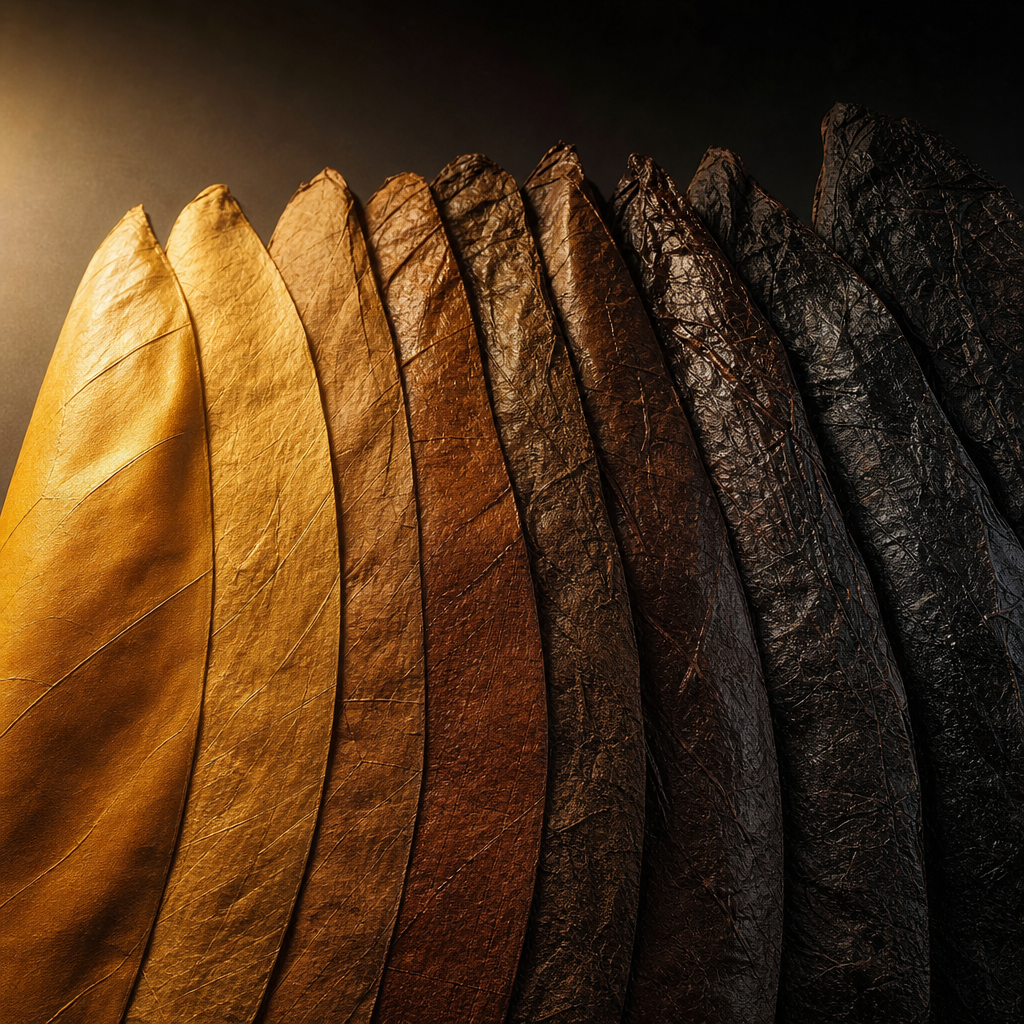
Leaf position is equally important. Volado is located at the lower part of the plant, with good burnability and low strength; seco is in the middle, rich in aroma; viso provides oil and medium strength; ligero is at the top, with the most sunlight, thick leaves, and high strength. For the same farm, if a year has more rain, ligero might mature slowly and require longer fermentation; if the dry season is too strong, wrapper leaves might become brittle, requiring adjustments in shading, irrigation, and harvest timing.
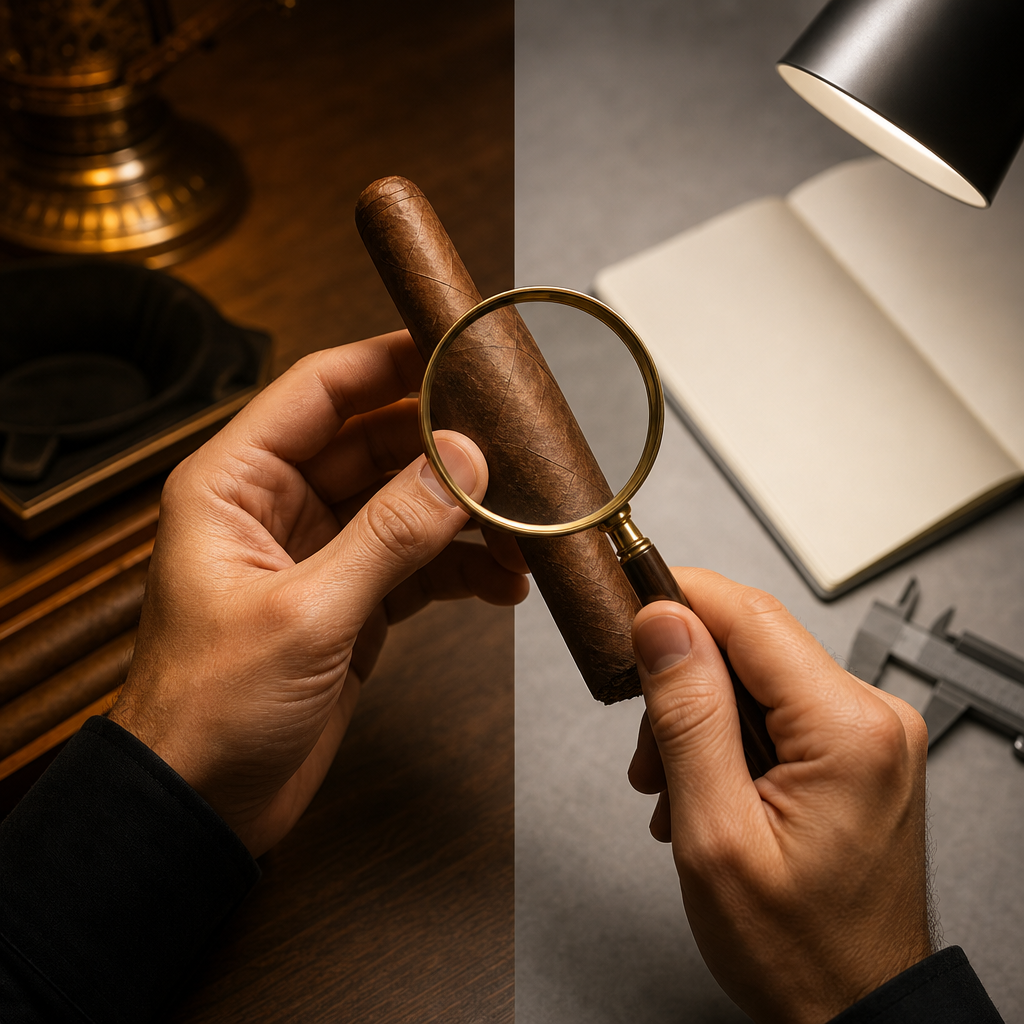
Experienced enthusiasts can establish judgment using three steps:
- First, look at the formula: does it specify the country or valley for the wrapper, binder, and filler leaves?
- Then, observe the burn: is the ash color, burn line, and mid-section temperature stable?
- Finally, assess the aftertaste: are sweetness, bitterness, and spiciness integrated rather than clashing?
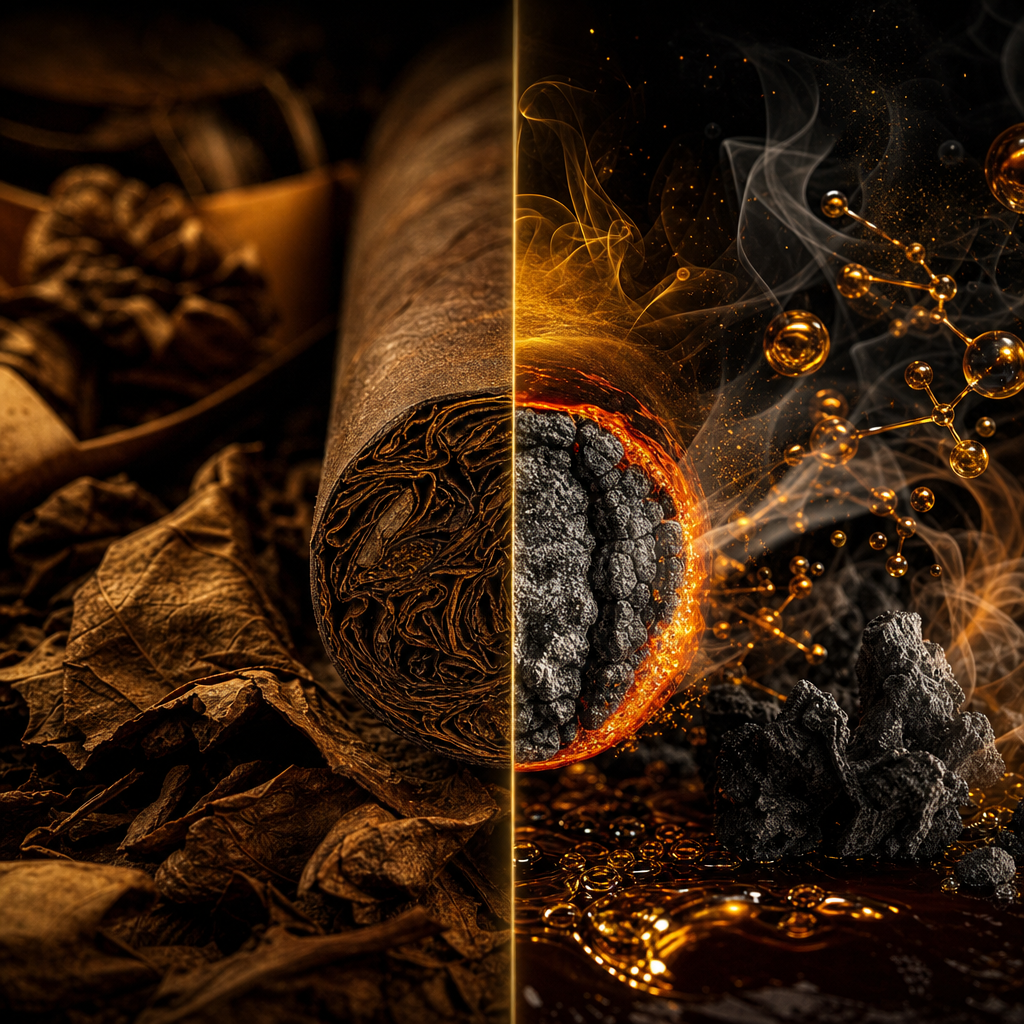
Fermentation and aging transform agronomic results into cigar language. Perdomo, My Father, Fuente, and Davidoff often manage leaves with different pilón heights, temperatures, and turning rhythms. If fermentation is insufficient, even a good region might produce ammonia, sharpness, and off-flavors; if over-processed, aromas might become flat. Soil provides materials, craftsmanship decides if it can tell a good story.
Brand Diversity: Why the Same Region Can Produce Completely Different Flavors
Many experienced enthusiasts ask: if the region is the same, why are brand differences still huge? The answer lies in seeds, leaf position, harvest, fermentation, inventory, and blending philosophy. Taking Nicaragua as an example, Padrón likes to present deep, balanced, sweet-bitter intertwined concentration; My Father often highlights pepper, floral, and distinct spiciness; Joya de Nicaragua often retains more direct earth, coffee, and strength. Regions provide flavor boundaries, brand blending decides the final expression.
Cuban brands are the same. Romeo y Julieta is often considered softer, with floral and wood notes more evident; Bolívar is thick, earthy, and deeply spicy; Trinidad often carries honey, hay, cream, and delicate wood aroma. Even if all come from the Cuban system, brand history, size design, and leaf distribution cause differences. Especially with larger ring gauges, burning temperature is lower, smoke volume thicker, and sweetness easily magnified; slender sizes are more sensitive, with a higher wrapper leaf ratio, making aroma lines sharper.
The collector market often elevates the discussion of rare vintages, discontinued sizes, or special editions, such as some early 2000s Cuban limited editions, Padrón anniversary series, or specific batches of Fuente OpusX. However, I must remind: collecting appreciation does not guarantee value increase; it still depends on source preservation and market. For those who truly understand flavor, it's more important to understand why it's good, why it's rare, and whether humidity, temperature, and box condition support its state.
Common Questions
Is the region more important than the brand?
Both cannot be viewed separately. The region determines the ceiling and direction of raw materials, such as Estelí often having strength, Jalapa often having sweetness, Cibao often having delicate balance; but the brand decides how to harvest leaves, ferment, and blend. Experienced enthusiasts should record both region and brand to truly understand batch differences. Only noting the brand might overlook raw material sources; only looking at the region might underestimate the blender's skills.
Does volcanic soil always mean stronger cigars?
Not entirely. Volcanic soil usually has good mineral and drainage conditions, making it easy to grow leaves with clear structure and deep flavor, but concentration also depends on seeds, leaf position, and fermentation. Estelí's ligero often has strength, while Ometepe might carry sweetness, herbal, and mineral notes. If the blend uses more seco or different regional leaves, volcanic soil can also express mild and delicate.
Why is Ecuador wrapper so common?
Ecuador's natural cloud cover acts like a large shade tent, reducing direct sunlight, making leaves thinner, more even, with better oil and elasticity control. For brands, this means a relatively stable wrapper leaf supply, suitable for making different styles like Connecticut, Habano, Sumatra. Many mid-to-high-end cigars choose Ecuador wrapper, not as a trend, but because agricultural conditions are indeed suitable.
Why do cigars from the same box taste different?
Reasons might include leaf batch, rolling tightness, humidity, transport environment, and personal condition. Although the same box undergoes color sorting and quality screening, each cigar is still an agricultural product. If storage humidity is too high, burning will be slow, increasing bitterness; if too low, spiciness and dry wood notes will be amplified. Experienced enthusiasts are advised to record temperature, humidity, lighting date, and flavor changes to build their own database.
Can aging improve regional shortcomings?
Aging can integrate aromas, reduce irritation, and make sweetness and wood more harmonious, but it cannot turn fundamentally poor leaves into top leaves. The ammonia from insufficient fermentation might decrease over time, but if the raw material has poor burnability, loose structure, or damaged preservation, time cannot fully repair it. Aging amplifies strengths and smooths edges, not a magic fix for agronomic and craftsmanship flaws.
How can experienced enthusiasts build their own regional map?
I suggest cross-comparing the same brand from different regions or different brands from the same region. For example, choose one medium-strength cigar each from the Dominican Republic, Nicaragua, and Honduras, record the sweetness, bitterness, spiciness, wood, and aftertaste in the front, middle, and back sections, then check the source of wrapper and filler leaves. After doing this more than ten times, you'll start to distinguish which flavors come from the soil and which from brand techniques.
I have always believed that the most fascinating aspect of cigars is how they condense land, climate, time, and human judgment into one stick. Understanding regions is not about memorizing terms but making each lighting more directional. When you can infer soil and microclimate from ash, aroma, burn, and aftertaste, that cigar truly starts to speak.
—Cigar Prince Wilson Tsai
Smoking is harmful to health. Under 20 years old is not allowed to smoke. Quitline: 0800-636363. This article is for reference by adults over 20 years old for cigar culture, preservation, and regulatory knowledge, not a tobacco advertisement, promotion, or purchase suggestion.