In-Depth Look at Danlí, Honduras, City of Cigars: The Red-Soil Legend of the Jamastran Valley and the Core Origin of the Non-Cuban Full-Bodied Philosophy
In-Depth Look at Danlí, Honduras, City of Cigars: The Red-Soil Legend of the Jamastran Valley and the Core Origin of the Non-Cuban Full-Bodied Philosophy
Within the global map of top cigar origins, Nicaragua has in recent years often outshone its neighbor. Yet on the historical map of non-Cuban cigars, Honduras was the earliest foundation supporting the "New World full-bodied philosophy" - and Danlí, a mountain city in El Paraíso Province, is the core coordinate on that map.
Danlí holds the title "City of Tobacco" (Ciudad del Tabaco). This is not marketing rhetoric, but a factual description built on more than half a century of history. From the arrival of Cuban exile tobacco masters in Honduras in the 1960s to the establishment of factories here by top global brands today, Danlí's cigar industry represents a complete trajectory from exile memory to the world stage.
Geographic Background: The Climatic Advantages of El Paraíso Province
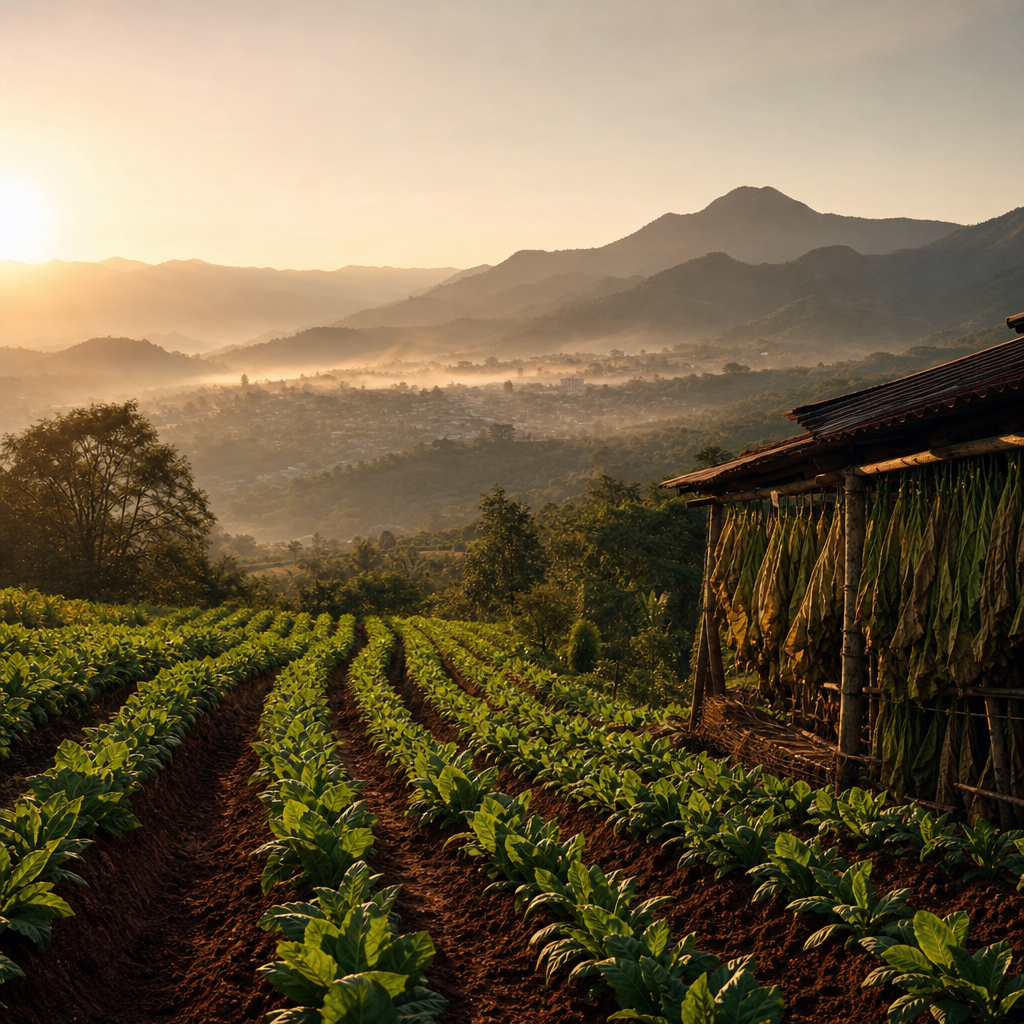
Danlí is located in southeastern Honduras, near the Nicaraguan border, at an elevation of about 780-900 meters, with a tropical highland climate. This altitude brings several key agricultural advantages:
Diurnal temperature variation: Daytime temperatures are 25-30°C, dropping to 15-18°C at night. The clear temperature difference helps the slow accumulation of natural sugars in tobacco leaves, forming more complex flavor precursors. This mechanism is similar to the role played by the Jalapa Valley in Nicaragua, and is a common advantage of high-altitude tobacco-growing regions.
Rainfall distribution: May-October is the rainy season, and November-April is the dry season. The low-humidity environment of the dry season is highly suitable for outdoor air-curing of tobacco leaves and subsequent fermentation and aging. Sufficient but regular rainfall avoids waterlogging, while also preventing excessive dryness that can make tobacco leaves brittle.
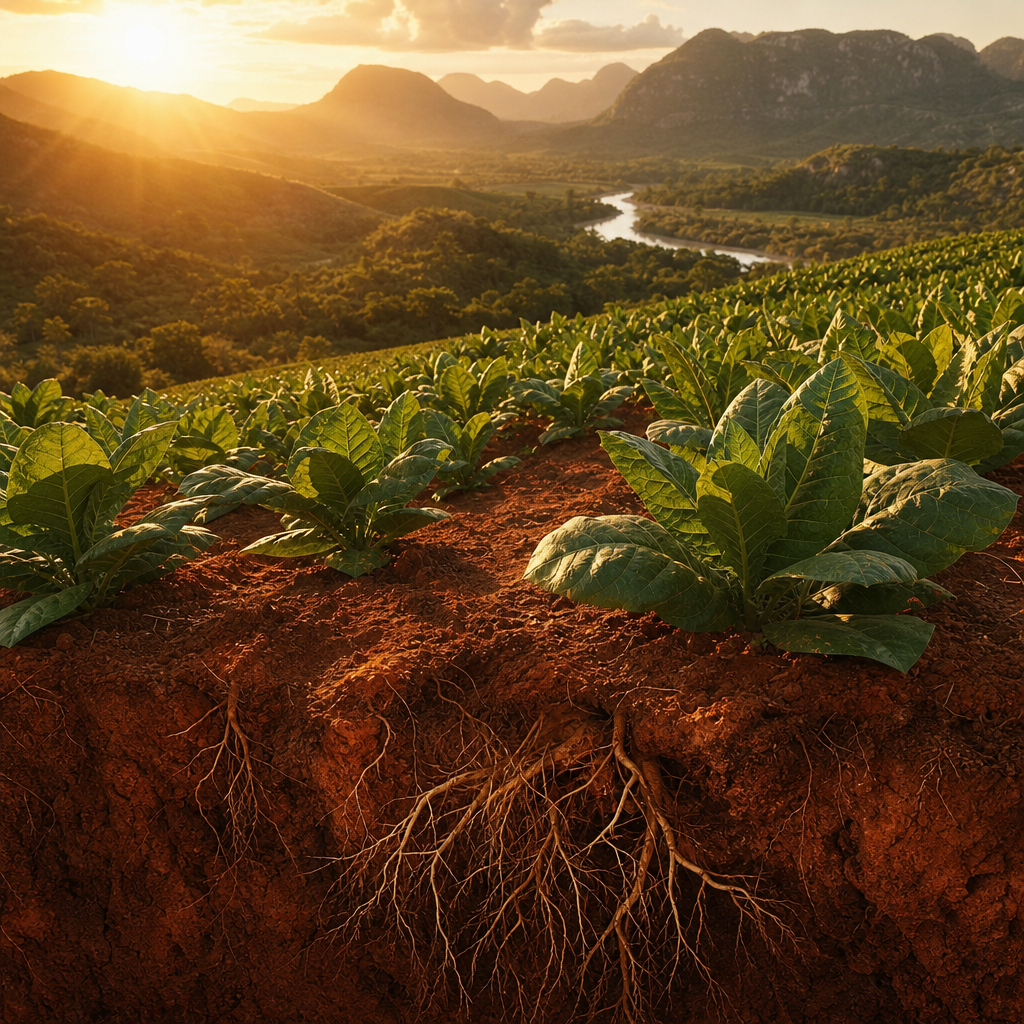
Soil characteristics: The soils of El Paraíso Province are mainly reddish-brown clay, rich in iron and with good drainage. Tobacco roots can develop deeply and fully absorb mineral nutrients from the soil. To a certain extent, this gives local tobacco leaves their distinctive mineral undertone and substantial body.
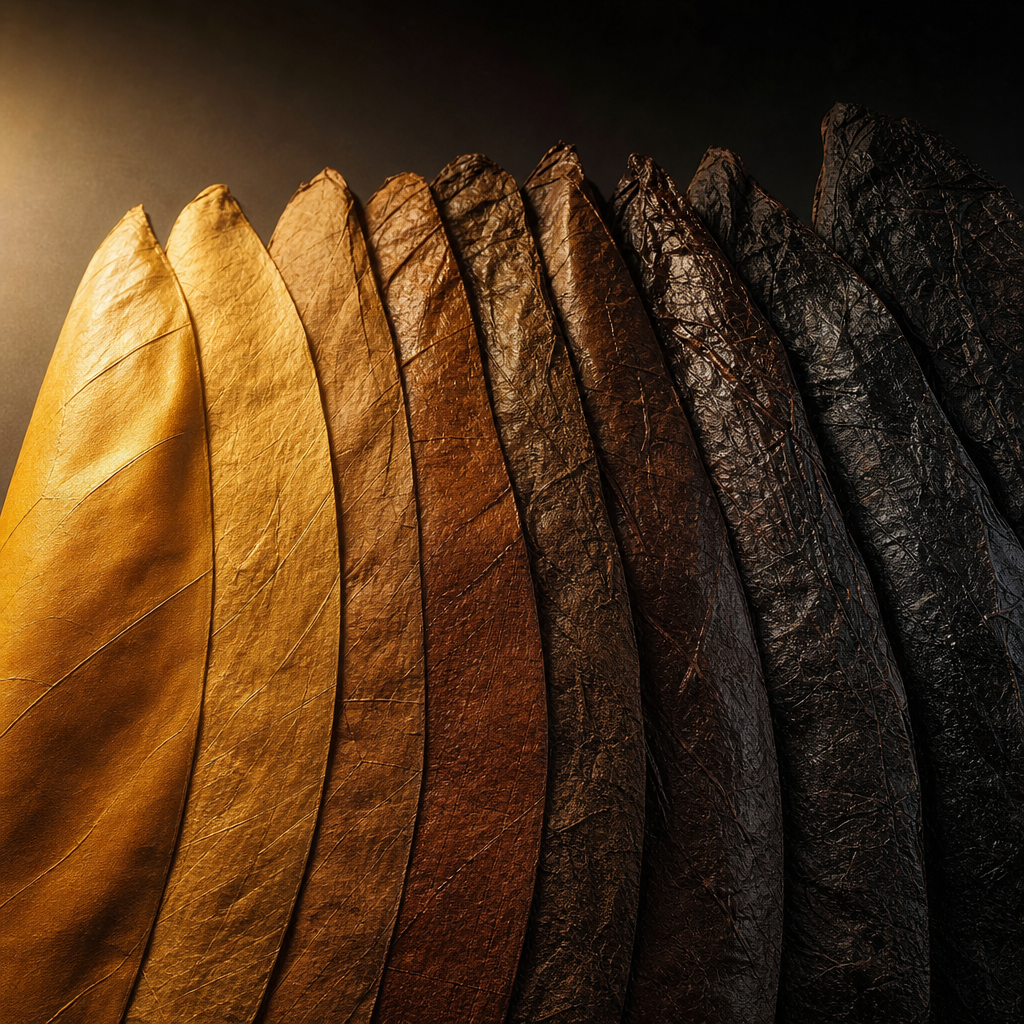
Jamastran Valley (Valle de Jamastran) is the best-known tobacco-growing belt around Danlí. Its microclimate is stable, and historically it has been famous for growing Corojo and its derivative varieties. The tobacco leaves produced here have medium to full strength, rich spice notes, and a woody foundation, making them the most representative terroir expression of the Honduran cigar style.
Historical Background: The Second Home of Cuban Exiles
After the Cuban Revolution in 1959, large numbers of tobacco farmers, torcedores, and brand families went into exile overseas in search of land suitable for continuing Cuban tradition. With its highland environment similar in climate and relatively flexible agricultural policies, Honduras became one of the important destinations for exiled tobacco masters, especially Danlí.
In the 1960s-1970s, several Honduran-origin brands established production bases in Danlí. During this period, Honduran cigars were once among the most important sources of non-Cuban cigars in the American market, until the later rise of Nicaragua changed the landscape. But Danlí's foundation did not disappear - it settled into a more steady, more historically grounded style inheritance.
This history gives Danlí a unique cultural character: its tobacco leaves are not only products of Honduran soil, but also extensions of Cuban craftsmanship overseas. The cultivation philosophy of Cuba's Vuelta Abajo, the traditional selection and breeding of Corojo seed stock, and the handmade standards passed down from the El Laguito era found a second life in the red soil of Jamastran through the hands of exiled masters.
Camacho: The Most Representative Brand Statement of Jamastran
When speaking of Danlí, it is almost impossible to avoid the name Camacho Cigars. The Camacho family's cigar business is rooted in Honduras, and it has built a distinctive brand identity in the international market through its Corojo and Connecticut lines.
The brand was later brought under Switzerland's Oettinger Imhof AG (the parent company of Davidoff). Factory equipment and quality-control standards were significantly upgraded, while Danlí's original farms and traditional cultivation techniques were retained. Davidoff Group's global channels further expanded Camacho's influence, but the core remains the tobacco leaves of the Jamastran Valley - a point deliberately emphasized in Camacho's brand communication and regarded as a key identity distinguishing it from competitors.
The Camacho Corojo line uses leaves grown in the Jamastran Valley, with strength ranging from medium-full to full. Its spice character is distinct, making it one of the most direct examples for understanding Honduran terroir in the market. For aficionados accustomed to the medium-strength style of Cuban cigars, Camacho Corojo is an effective "entry point into the full-bodied world."
Other brands with deep cooperation in Danlí or long-term sourcing of Honduran tobacco leaves include Alec Bradley (which makes extensive use of Honduran wrapper and binder) and certain limited lines from Rocky Patel. Danlí's tobacco ecosystem is far richer than what any single brand can present.
Style Comparison: The Selection Logic of Honduras vs Nicaragua
When experienced aficionados choose non-Cuban cigars, one of the most common decisions they face is "Honduras vs Nicaragua." Although the tobacco leaves of these neighboring countries are geographically close, their styles differ clearly:
| Characteristic | Honduras (Danlí/Jamastran) | Nicaragua (Estelí/Jalapa) |
|---|---|---|
| Overall strength | Medium-full to full | Medium to full (wider range) |
| Spice character | Warm and substantial, leaning toward molasses-like spice | Sharper, more direct pepper character |
| Sweetness | Mainly light molasses and woody sweetness | Fruity sweetness with slight acidity |
| Soil personality | Mineral steadiness from reddish-brown clay | Light smoky note from volcanic ash |
| Stylistic character | Historical inheritance, steady and substantial | Stylish, diverse, rich in innovation |
This is not a question of superiority, but of different appreciation preferences. Aficionados who prefer "steady strength and historically grounded complexity" often feel closer to Honduras; those inclined toward "lively strength and multi-layered freshness" tend toward Nicaragua. Both deserve serious exploration as important appreciation dimensions beyond the Cuban style.
Conclusion: An Underrated Tobacco Power
In today's non-Cuban cigar market, Honduras indeed has less voice than Nicaragua and less of a fashionable aura than the Dominican Republic. But if measured by historical depth, craft inheritance, and stylistic uniqueness, the status of Danlí and the Jamastran Valley is beyond doubt. The red soil there has grown the homesickness of exiles, and it has also grown a spice language unique to Honduras.
For members of W Cigar Bar, understanding the origin context of Danlí is an important step in deepening the appreciation perspective on non-Cuban cigars. The next time you pick up a Camacho Corojo, you might first think of that Jamastran red soil at 800 meters above sea level, and of how the craftsmen who once rolled cigars on the streets of Havana rebuilt an ancient dialogue in a valley far from home.
--
Procurement sources: Cuban cigars from four official channels (PCC authorized dealers, Cuban official state-run stores, Swiss general distributor, Spanish general distributor).
LUBINSKI accessories official website: https://cigarclub.tw/
Book an appreciation: https://share.google/d9NIeFEetij9qWKj0
This site is only for adults aged 20 and above. Smoking is harmful to health. Smoking cessation hotline: 0800-636363.
W Cigar Bar Gentlemen's Cigar House, written and planned by Cigar Prince Wilson Tsai.