How to Identify and Choose Premium Cigars: A Comprehensive Guide from Brand, Year to Craftsmanship
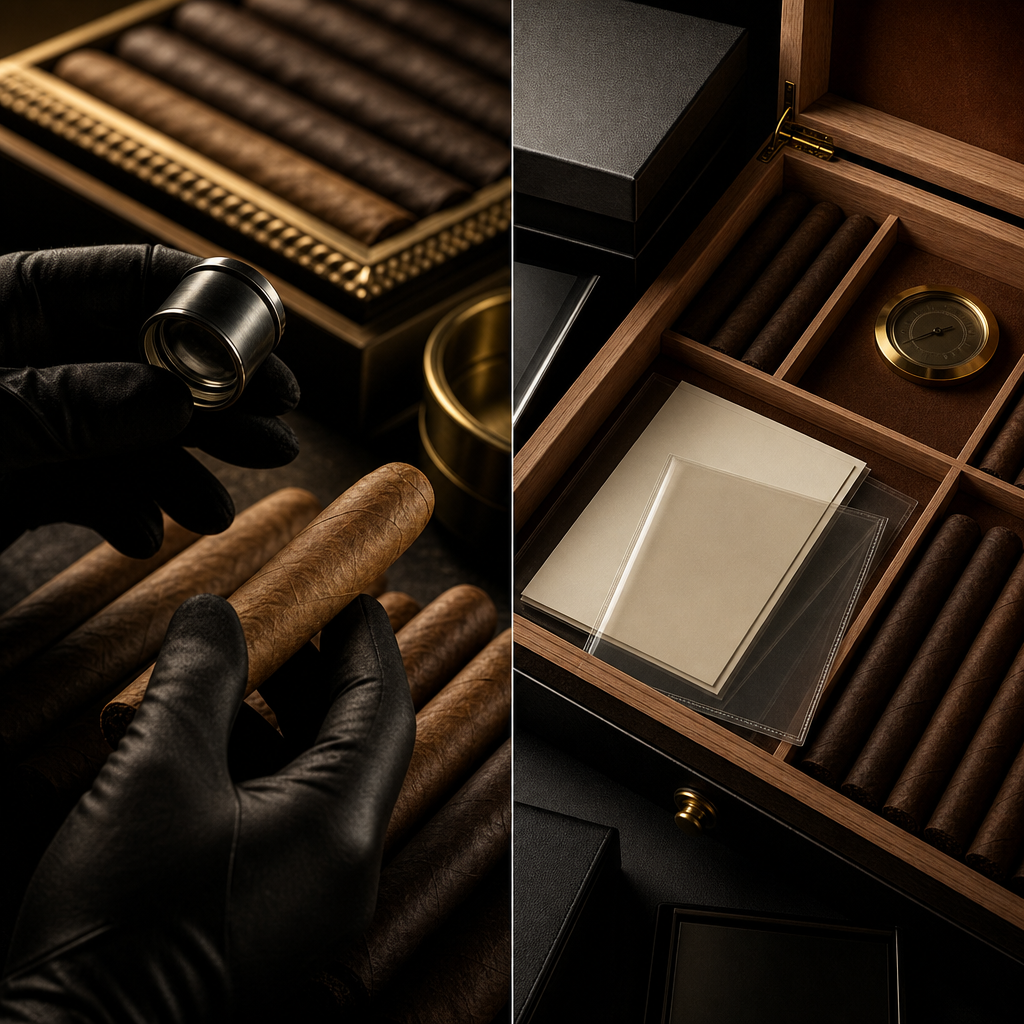
How to Identify and Choose Premium Cigars: A Comprehensive Guide from Brand, Year to Craftsmanship
Choosing premium cigars is not about "recognizing famous brands," but about determining whether a cigar matches its year, storage, craftsmanship, size, and personal taste. Experienced smokers often have their preferences, but the higher you go, the more you need to break down preferences into verifiable clues.
As the editor of "Cigar Bible," I've been compiling brand data, box code cases, and market observations for years. My deepest insight is: premium cigars don't win by a single label, but by a complete chain of evidence. Below, I will establish an advanced interpretation method using brand, year, and craftsmanship.
Brand Hierarchy: Don't Just Look at Fame, Look at "Core Line" and "Stability"
When talking about premium cigars, Cohiba, Trinidad, Montecristo, Partagás, Hoyo de Monterrey, and Romeo y Julieta are often listed together, but their strengths are not the same. The positioning and scarcity of Cohiba Behike 52, 54, 56 are different from the classic balance of Siglo VI; Trinidad Fundadores' slender elegance is not the same language as the rich leather and peppery notes of Partagás Serie D No.4.
Non-Cuban brands should not be viewed as "substitutes" either. Davidoff Aniversario No.3, Arturo Fuente OpusX, Padrón 1964 Anniversary, Padrón 1926 Series, My Father Le Bijou 1922 each represent different regional craftsmanship and aging philosophies. The focus of premium brands is not who is more famous, but which product line of the brand can consistently present its core style.
When I judge a brand, I look at three levels: the first is the brand's history and regional context, the second is whether the product line is stable over the long term, and the third is the performance of the same size across different years. For example, H. Upmann Magnum 46 from 2008, 2014, 2018 may have significant differences, but if stored well, the main notes of honey, nuts, and wood usually remain. This "style framework" is more important than a one-time surprise. Experienced smokers choosing premium cigars should first find the style framework, then talk about rarity and year.
Year and Box Code: Aging Window is More Critical than "The Older, The Better"
The year is not magic; it just hints at what stage the cigar might be in. Cuban cigars are often judged by the factory code and month-year on the bottom of the box, for example, Cohiba Robusto from 2016, 2019, 2021 may be in completely different states; non-Cuban brands often use limited batches, box data, agency records, or store preservation records to assist judgment. Experienced smokers should not just ask "how many years," but "how has it been stored these years."
Generally speaking, cigars with higher concentration and solid structure, such as Bolivar Belicosos Finos, Partagás Lusitanias, Padrón 1926 No.9, often require a longer time to integrate spicy, woody, cocoa, and sweet notes; milder or slender sizes, like Hoyo de Monterrey Epicure No.2, Trinidad Coloniales, may enter a comfortable period within 2 to 5 years. The value of the year depends on the aging curve, not simply the worship of old years.
I often divide aging into three stages: 0 to 2 years to see if the production and storage are clean; 3 to 7 years to see if the aroma is integrated; over 8 years to see if the structure still has support. A 2007 Montecristo No.2, if stored too dry, may only have a woody feel left; the same model from 2018, if humidity is stable, may have better cream, coffee, and mild spicy notes. The topic of collection is often magnified, but collection appreciation does not equal guaranteed appreciation; it still depends on source preservation and market.
Craftsmanship Details: Beautiful Appearance is Not Enough, Look at Burning Logic
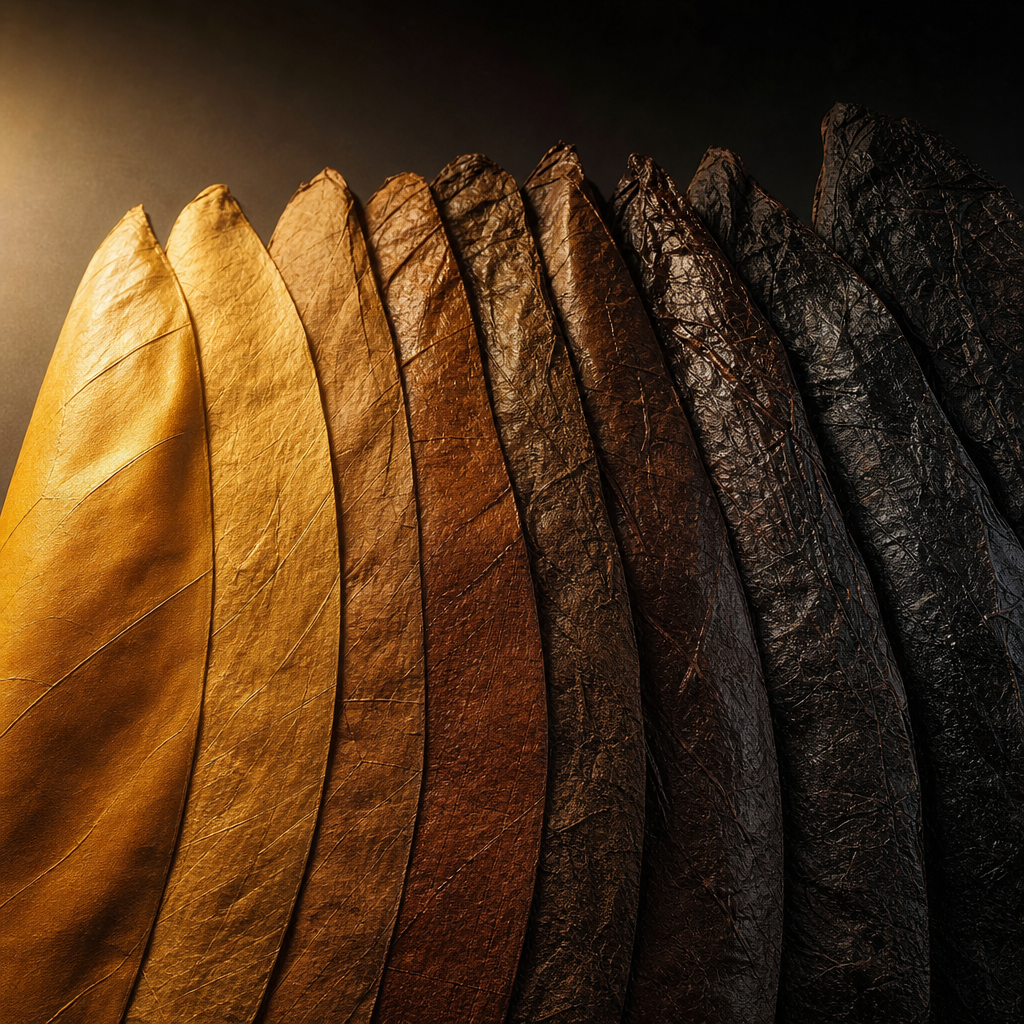
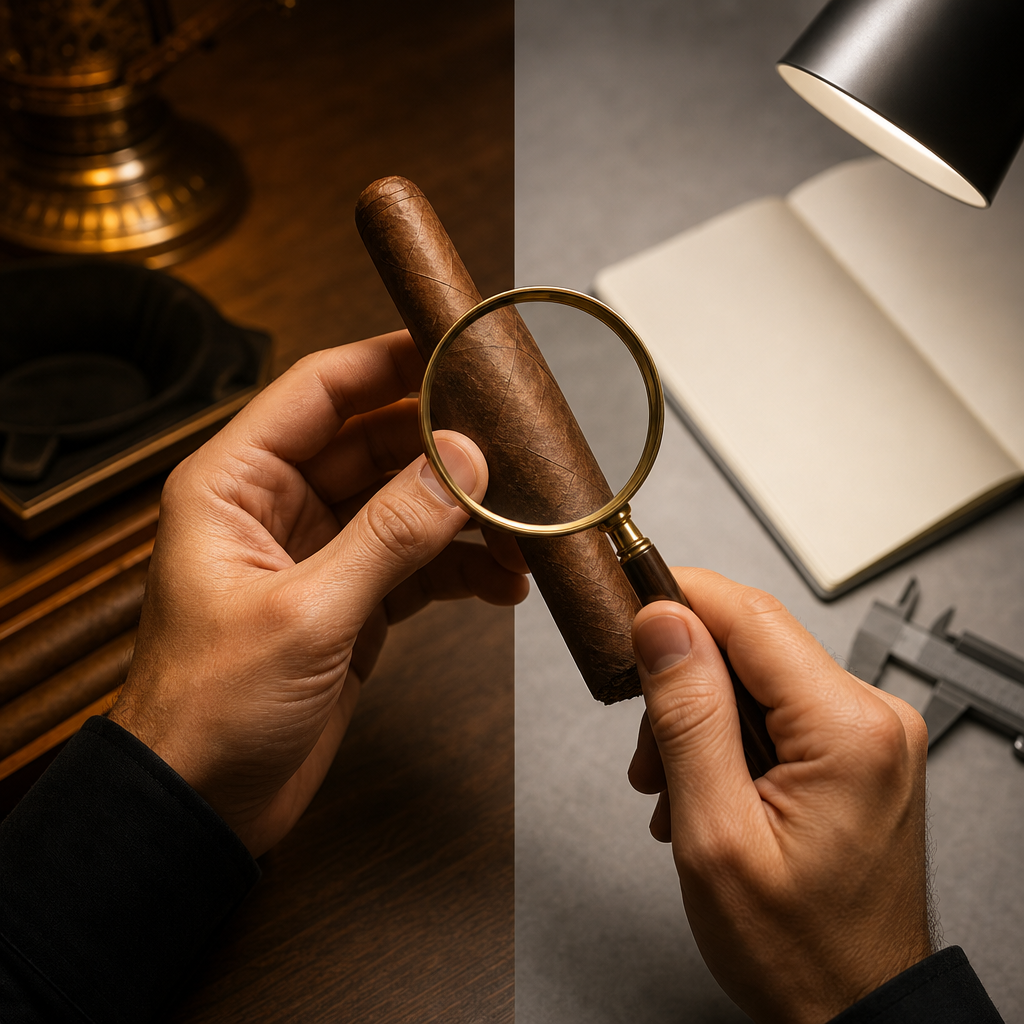
The first step in judging the craftsmanship of premium cigars is to look at the wrapper. A good wrapper doesn't have to be shiny to the point of reflection, but the color should be even, the veins should not be too coarse, and the touch should be elastic but not loose. Cohiba Siglo VI often has a delicate golden-brown wrapper; Padrón 1964 Maduro may present a deeper chocolate color. The depth of color is not a hierarchy, the key is whether the leaf surface is natural, the seams are smooth, and the cap is clean.
The second step is to touch the density. Press lightly from head to foot; if a part is too hard, burning may be obstructed; if the middle is too soft, it may cause excessive temperature and hollow taste. For a Double Corona size like Hoyo de Monterrey Double Coronas, with a length of about 194mm, if the rolling density is uneven, the back section can easily become bitter. Craftsmanship is not about looking glamorous on the outside, but about whether the entire cigar can maintain stable burning and clear flavor.
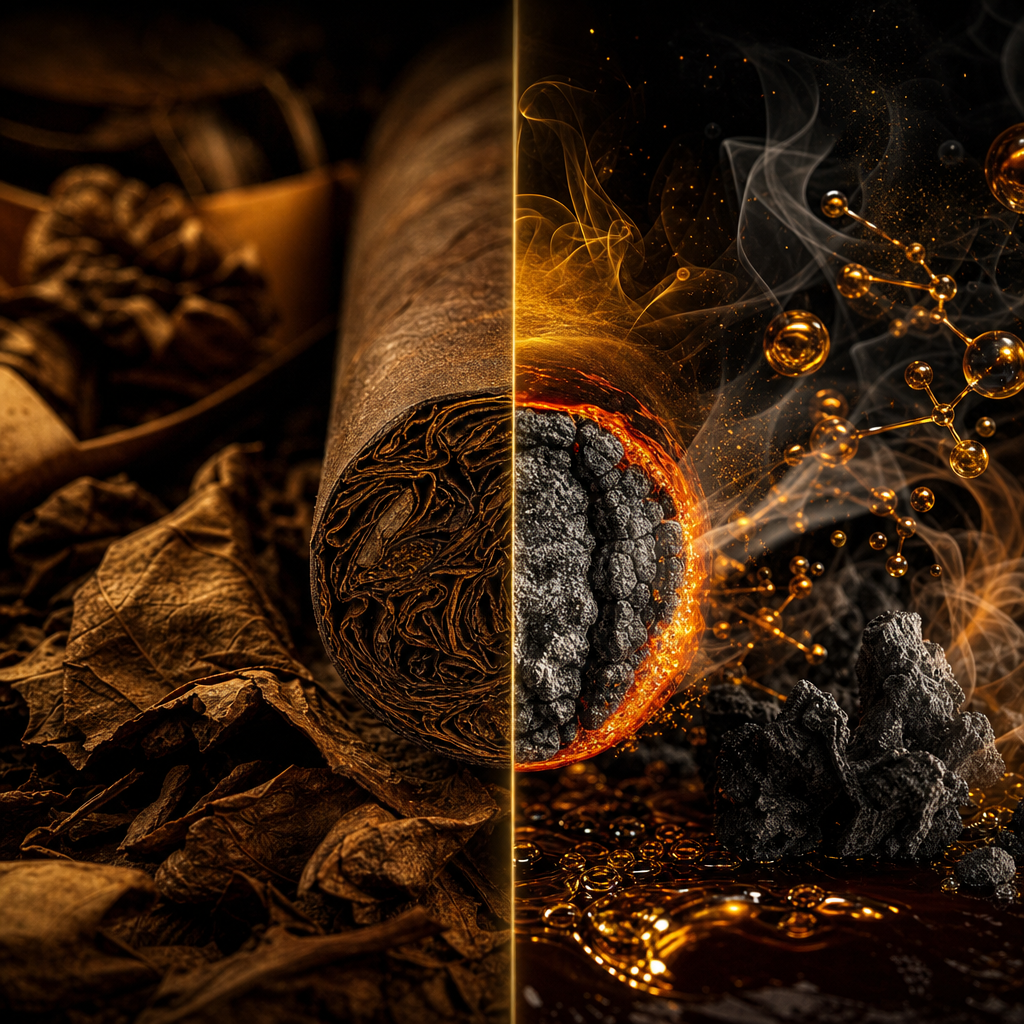
The third step is to observe the ash column and burn line. The burn line doesn't have to be ruler-straight, but if the uneven burn continues for more than 1 cm, it usually reflects issues with humidity, rolling, or lighting control. The value of premium cigars should include the progressive layers from the front, middle to the back. If an OpusX Lost City has cedar, cream in the front, transitions to cinnamon and cocoa in the middle, and still retains sweet spicy notes at the end, that is the result of craftsmanship and formula working together.
Size and Formula: Different Specifications of the Same Brand May Be Two Different Cigars
Many experienced smokers are led by brand names, ignoring the huge impact of size on flavor. The larger the ring gauge, usually the more different filler leaves it can accommodate, the lower the burning temperature, the rounder the taste; slender sizes more directly present the wrapper and main aroma, and also test the rolling more. Cohiba Lancero and Cohiba Robusto are both classic brands, the former delicate, linear, with obvious herbal notes, the latter broader, with more pronounced cream and wood.
The table below is a thought process I often use to establish a comparison benchmark for experienced smokers, not an absolute ranking, but to help you connect "size—time—flavor":
| Brand and Model | Approximate Size | Common Style Highlights | Suitable Year Range for Observation |
|---|---|---|---|
| Cohiba Siglo VI | 150mm x 52 | Cream, grass, cedar, honey | 5 to 10 years |
| Trinidad Fundadores | 192mm x 40 | Floral, woody, delicate spicy | 6 to 12 years |
| Partagás Serie D No.4 | 124mm x 50 | Leather, black pepper, earth, cocoa | 3 to 8 years |
| Davidoff Aniversario No.3 | 152mm x 50 | Cream, nuts, hay, elegant wood | 2 to 6 years |
High-end models of the same brand cannot be sorted only by price, but must be re-understood by size, burning time, and formula structure. For example, Montecristo 1935 Leyenda has a large ring gauge and thick taste, suitable for slow processing; Montecristo No.2 torpedo head pays more attention to the cut and rhythm. If you are familiar with a certain brand, you can compare adjacent sizes, such as first comparing Robusto, Toro, Churchill, then establishing your "sweetness, spiciness, woodiness, concentration" coordinates.
Source and Preservation: Authenticity Judgment Should Look from the Box to the Humidity Record
The biggest fear of premium cigars is not high prices, but incomplete information on source, preservation, and authenticity. Cuban cigars can check box labels, seals, laser labels, box bottom codes, inner lining paper, brand band printing; non-Cuban high-end models should look at the original box, batch, agency data, and store preservation conditions. If it's popular models like Cohiba Behike 56, Trinidad La Trova, Montecristo Línea 1935, be more vigilant.
In terms of preservation, the common ideal range is relative humidity of 65% to 69%, temperature about 18 to 21°C. In Taiwan's humid and hot environment, if you only rely on a desktop wooden box without stable temperature control, it is easy for cigars to absorb water, expand, or produce off-flavors in summer. The true value of premium cigars comes half from the original quality, and the other half from the discipline of long-term preservation.
I would suggest experienced smokers establish a source record: purchase month and year, box code or batch, preservation humidity, box opening status, and tasting notes each time. Obtaining information through PCC authorized dealers, brand-authorized systems, or professionally transparent retail sources will have a more solid foundation for judgment. If you encounter old items like 2003 Cohiba Espléndidos, 2006 Partagás 8-9-8, instead of being attracted by the year first, check the box condition, oil content, aroma cleanliness, and preservation continuity first.
Establishing an Experienced Smoker's Selection Model: Use Scoring to Avoid Emotional Judgment
At the experienced smoker stage, the biggest trap is "I like this brand, so it should be good." I suggest breaking down the choice of premium cigars into five scores: brand stability 20%, year and aging status 20%, craftsmanship and appearance 20%, source preservation 25%, personal taste match 15%. This is not an academic formula, but to avoid being led by rare labels, social media volume, or single experiences.
In practice, you can use the following checklist to evaluate each item:
- Brand: Is it the core line or representative size of the brand?
- Year: Is it currently in a reasonable aging window?
- Craftsmanship: Are the wrapper, density, cap, and burn line stable?
- Source: Can the box code, batch, and preservation record be accounted for?
- Taste: Does it match your preferred concentration, sweetness, spiciness, and length of aftertaste?
The true maturity of selection ability is being able to clearly explain why you chose it, and also why you passed on it. For example, if you like rich, dark chocolate, and leather notes, Padrón 1926, Partagás Serie E No.2 may be more in tune than the elegant Davidoff Grand Cru; if you value delicate layers and clean aftertaste, certain lines of Trinidad, Hoyo, Davidoff are worth exploring more deeply. The choice is not about chasing the highest price, but about accumulating each experience into a replicable judgment.
Common Questions
The core of judging premium cigars is to put the brand name, year, craftsmanship, and preservation on the same map, not to believe in single points. The following are some of the most common questions I discuss with experienced smokers, and the areas most easily confused by market information.
Q1: Are older years necessarily better than newer years?
Not necessarily. A 2010 cigar, if not well preserved, may be dry and have broken aromas; a 2020 cigar, if stored stably, may have clearer wood, cream, and sweetness. The year is just a clue; the aging state is the answer.
Q2: Do all premium cigars need long-term storage?
Not necessarily. High concentration, thick-structured models often need more than 5 years to integrate; but Davidoff, Hoyo de Monterrey, or some Dominican-style cigars may have very good balance in 2 to 4 years.
Q3: Does a dark wrapper mean stronger and higher quality?
Not necessarily. Maduro wrappers often have cocoa, molasses, and coffee notes, but concentration also depends on filler, fermentation, rolling, and size. Dark color is just a flavor hint, not a grade proof.
Q4: How to avoid being led by rare limited editions?
First ask three things: Does this model have a clear source? Is the preservation continuous? Does the flavor match your preferences? Limited edition only means less supply, not that every piece is suitable for you.
Q5: Can collecting premium cigars be an investment?
It can be part of collection research, but collection appreciation does not equal guaranteed appreciation, still depends on source preservation and market. Without box condition, preservation records, and credible sources, rare years may also lack actual value.
The charm of the world of premium cigars is not just in brands and prices, but in teaching patience, discernment, and self-calibration. My view is simple: what experienced smokers should truly pursue is not filling the cabinet with famous models, but establishing their own judgment system. When you can see the year, craftsmanship, and preservation behind a box code, a wrapper, a burning rhythm, what you choose is not just a cigar, but a complete experience.
—Cigar Prince Wilson Tsai
Smoking is harmful to health. Under 20 years old is not allowed to smoke. Quit smoking hotline: 0800-636363. This article is for reference only for adults over 20 years old on cigar culture, preservation, and regulations, not a tobacco advertisement, promotion, or purchase suggestion.