The Climate and Flavor of Cigars: How They Affect Personalized Taste
The Climate and Flavor of Cigars: How They Affect Personalized Taste
Climate's impact on cigars is never as simple as "a bit hotter, a bit wetter." As the editor of "The Cigar Bible," when I look at a cigar, I first consider the region of origin, then the rainfall of that year, soil drainage, day-night temperature differences, and aging conditions, because these factors determine whether it is smooth, spicy, mineral-rich, or sweet.
Veterans often have fixed preferences: some have long loved the robustness of Partagás, others lean towards the clean lines of Davidoff, and some pursue the cocoa and coffee depth of Padrón 1964 Anniversary. But the real advanced enjoyment is understanding how climate rewrites the character of the same brand and size in different years and batches.
Climate is Not the Background, But the Underlying Syntax of Cigar Flavor
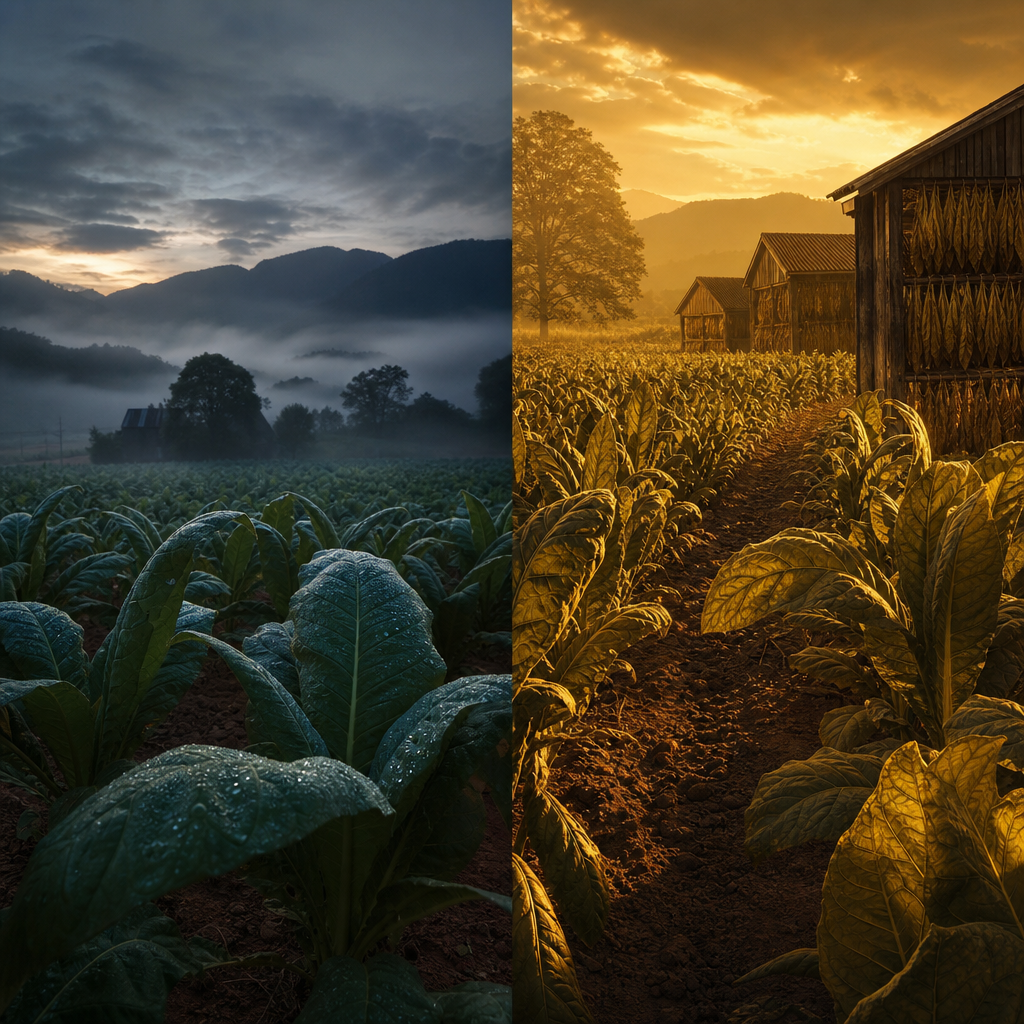
Cigar tobacco leaves dread "single-variable thinking." Considering the growth temperature range of 22°C to 32°C, high temperatures accelerate plant metabolism, making the leaves thicker and oilier; but if the nighttime temperature doesn't drop, sugar accumulation is insufficient, and the burn can seem coarse. Cuban Vuelta Abajo, Nicaraguan Estelí, and Dominican Cibao Valley are famous not just for their latitude but for the combined effects of temperature, humidity, wind, and rainfall cycles shaping the tobacco.
Veterans interpreting regions should not just memorize brand names but see climate as the first layer of flavor structure code. For instance, between 2015 and 2016, the El Niño phenomenon affected the rhythm of the rainy season in parts of Central America, resulting in some Nicaraguan leaves exhibiting more pronounced pepper and earthy notes; while batches with excessive rain, if insufficiently aged, might retain green wood or ammonia notes.
Climate also affects the performance of different tobacco leaf parts. Ligero is located at the top of the plant, receiving the most sunlight, with higher nicotine and oil content; Seco is in the middle, responsible for aroma; Volado is at the bottom, often affecting burn stability. If a season has strong sunlight and low rainfall, Ligero will be more powerful, but the blender must enhance balance, or a robust style like Partagás Serie D No.4 might become too direct.
For veterans, flavor records should include "climate assumptions." The same Montecristo No.2, if one exhibits hay, almond, and cream, and another leans towards leather, black pepper, and minerals, don't rush to blame storage; it could involve the planting year, fermentation intensity, aging time, and transportation conditions. Climate is the starting point of a cigar's personality.
The Microclimate of Western Cuba: Why Vuelta Abajo is Hard to Replicate
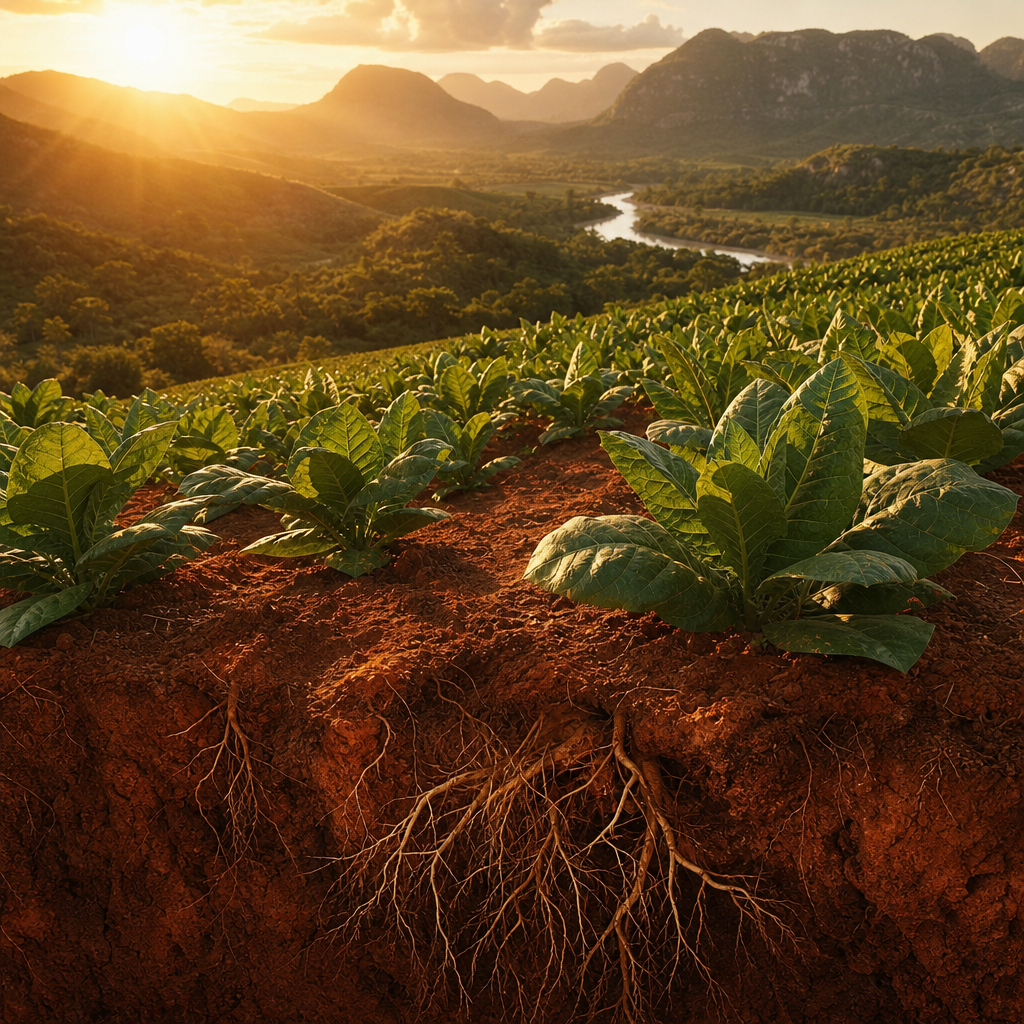
Cuba's Pinar del Río's Vuelta Abajo is often seen as a classic region, not due to myth, but because of its high microclimate density. Here, the annual average temperature is about 24°C to 26°C, with distinct dry and wet seasons, and reddish-brown soil with good drainage, allowing the leaves to accumulate oils during the dry season. The core charm of cigars like Cohiba Siglo VI, H. Upmann Magnum 46, and Partagás Serie P No.2 often comes from the balance between aroma layers and strength.
The allure of Cuban cigars is not just "richness," but the detail density brought out by the combination of temperature, soil, and aging. Around 2008, some connoisseurs mentioned H. Upmann Sir Winston with notes of honey, toasted bread, cedar, and a hint of floral; while younger batches of the same brand sometimes leaned more towards hay, nuts, and spices. This is not a contradiction but the result of overlapping climate, batch, and aging time.
Vuelta Abajo's flavors often have several identifying points: cedar, hay, minerals, coffee, nuts, leather, and a gradually emerging saltiness in the mid-to-late stages. In wetter years, the burn pace might be slower, with the initial aroma more restrained; if the leaves are well-managed in sunny and dry conditions, the mid-stage sweetness and oiliness will be more pronounced. This is why veterans often compare cigars from the same box months apart.
I often advise veterans not to just ask "does this resemble a typical Cuban," but "which type of Cuban does it resemble." For example, Bolivar Belicosos Finos tends to be heavy, Ramon Allones Specially Selected leans towards dried fruit and earth, while Trinidad Vigía often has cream and spice notes. Climate gives them a common language, while brand blending determines the way they speak.
Dominican Republic: Mildness is Not Thin, But the Art of Clean Lines
The climate of the Dominican Cibao Valley is relatively stable, with day-night temperature differences and regular rainfall allowing the tobacco leaves to mature more delicately. Many equate the Dominican Republic with "mildness," which is too simplistic. Arturo Fuente OpusX, Davidoff Millennium Blend, and La Flor Dominicana Andalusian Bull all prove that the Dominican Republic can produce both elegance and strength, but its strength is usually cleaner and more defined.
The sophistication of Dominican flavors often lies in the transparency of aroma, not merely pursuing impact. Take Arturo Fuente OpusX as an example, launched in 1995, breaking many people's impressions of the difficulty of successfully using Dominican wrappers. Its spice, sweet wood, cream, and red pepper notes come from the unique microclimate of Chateau de la Fuente and long-term agricultural management.
Davidoff takes another path. Davidoff Signature 2000 is often seen as a representative of clarity, elegance, herbal and creamy tones; while Davidoff Nicaragua incorporates Nicaraguan tobacco, showcasing stronger coffee, pepper, and cocoa. Comparing the two, veterans will find that the Dominican Republic is not just "light," but excels at reducing noise, making the aroma as clean as a white shirt.
If you previously preferred the minerals and leather of Cuban cigars, when turning to the Dominican Republic, don't use the same measure. The Dominican Republic's strengths lie in nasal aftertaste, burn stability, and mid-stage detail. If stored at too high a humidity, such as consistently above 72%RH, these line-type cigars may seem stifled; controlling it around 65% to 69%RH often makes floral, cream, and wood notes clearer.
Nicaragua: Volcanic Soil, Sunlight, and the Source of Strength
Nicaragua's Estelí, Jalapa, and Condega regions have distinct flavor differences. Estelí has fertile soil and strong sunlight, often bringing black pepper, strong coffee, earth, and cocoa; Jalapa is softer, often with sweet aromas, dried fruit, and fragrant wood; Condega is between the two, with herbal and spice notes. Brands like Padrón, My Father, Oliva, and Drew Estate are adept at using this geographical puzzle.
The strength of Nicaraguan cigars is not just nicotine, but the flavor propulsion brought by volcanic soil and blending ratios. Padrón 1964 Anniversary Maduro often features cocoa, concentrated coffee, brown sugar, and earthiness, related to its long-term use of aged tobacco and box-pressed style. Oliva Serie V uses Ligero to express pepper, coffee, and sweet wood, valuable for veterans who like strength but still want balance.
After 2010, Nicaragua's visibility in the high-end market significantly increased. This is not just marketing but improved mastery of the region: farms pay more attention to leaf grading, fermentation temperature control, and aging warehouse management. My Father Le Bijou 1922 often presents dark chocolate, cinnamon, pepper, and leather; if stored too dry, the mid-to-late stages may be sharper, while too high humidity sacrifices explosiveness.
Veterans evaluating Nicaragua should distinguish "strength" from "coarseness." Good Nicaraguan cigars are like a heavy jazz drum, strong but not chaotic; coarse ones are only spicy, bitter, and scorching. If you prefer the thickness of Cuban Partagás, try using Estelí-dominated blends for contrast; if you prefer the sweetness of Trinidad, Jalapa leaf-heavy styles are more likely to match your taste range.
Wrapper Climate Differences: The Same Filling, The Wrapper Can Rewrite Half the Expression
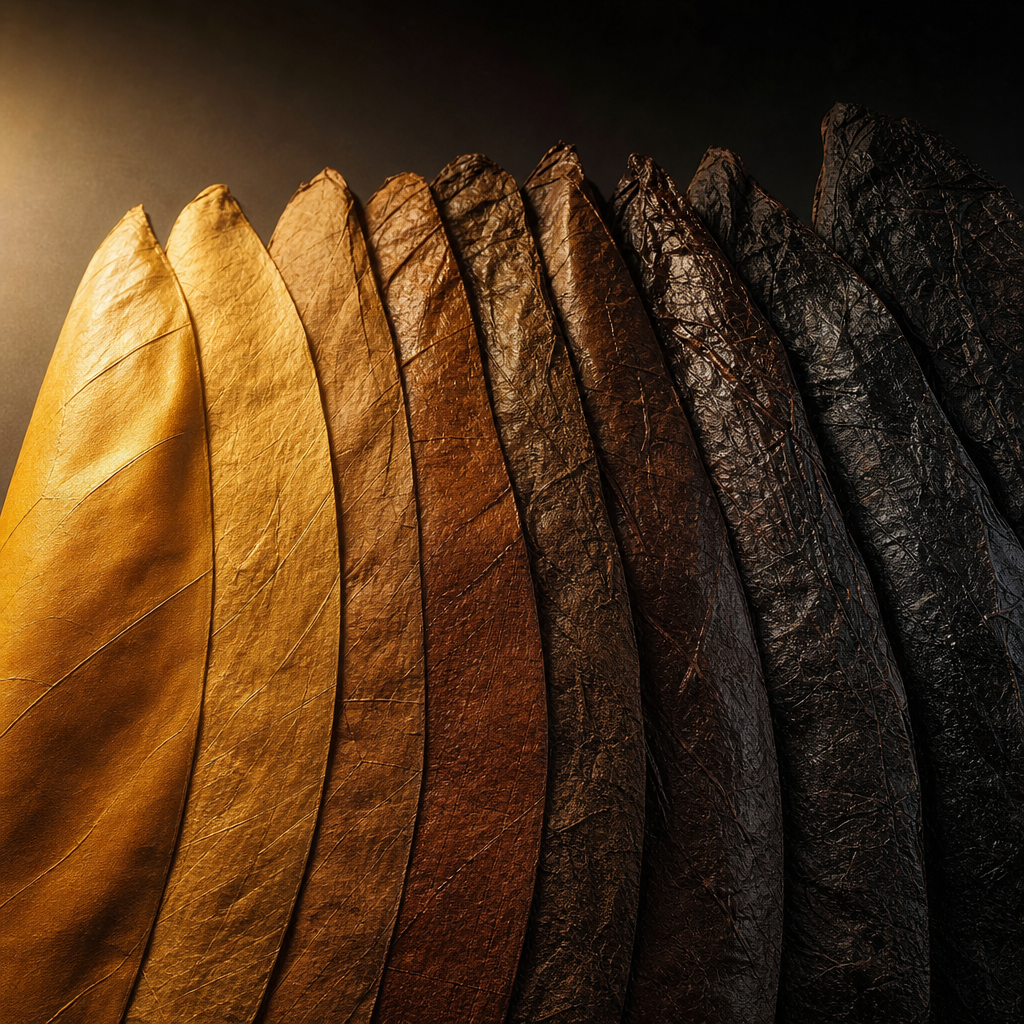
Veterans know that filler is the skeleton, binder is the structure, and wrapper is the first impression and aroma window. Although the wrapper is just one layer, it directly contacts the tongue and nasal aftertaste during burning, and its influence is often underestimated. Ecuador, with its frequent clouds and gentle sunlight, is suitable for Connecticut Shade and Habano leaves; Brazil's Bahia often brings sweet earth and dark tones; Honduras has wood, leather, and spice notes.
The wrapper is not packaging but the climate's signature on the surface of the cigar. For example, Ashton VSG uses Ecuador Sun Grown wrapper, presenting cedar, pepper, cream, and sweet aroma; while Arturo Fuente Hemingway's Cameroon wrapper often has cinnamon, nuts, and dry sweetness. If the same size changes wrapper, the initial aroma and mid-stage thickness will be completely different.
| Region/Wrapper Type | Typical Climate Conditions | Common Flavors | Representative Cases |
|---|---|---|---|
| Ecuador Connecticut | Frequent clouds, gentle sunlight | Cream, cereal, white pepper | Davidoff Signature series |
| Ecuador Habano | Moderate sunlight, stable humidity | Wood, coffee, red pepper | My Father part of the series |
| Cameroon | Humid, strong soil mineral feel | Cinnamon, nuts, sweet spices | Arturo Fuente Hemingway |
| Brazil Mata Fina | High humidity, tropical climate | Brown sugar, earth, cocoa | CAO Brazilia |
| Mexico San Andrés | Volcanic soil, day-night difference | Cocoa, leather, rich sweetness | Liga Privada No.9 |
In practice, I treat the wrapper as a shortcut to adjust personal taste. If you find Nicaraguan cigars too sharp, choose Ecuador Connecticut or Cameroon to soften the edges; if you find Dominican cigars too light, San Andrés or Maduro wrapper can add cocoa, coffee, and wet earth depth. This selection method is more precise than simply pursuing concentration.
Year, Harvest, and Aging: Why the Same Brand Has Different Personalities
Cigars are not spirits, but the concept of vintage is still important. After harvesting, tobacco leaves undergo initial drying, fermentation, grading, and further aging, with some high-end brands allowing specific leaves to rest for 2, 3, or even more years. Padrón often emphasizes the use of mature tobacco; Davidoff adjusts the aging rhythm according to the formula in different series. Vintage differences are not mysticism but the joint result of agriculture and time.
Veterans should not pursue vintage fame but whether the vintage, storage, and batch performance form a consistent logic. For instance, between 2014 and 2016, some Cuban box cigars had significant state differences due to market circulation and storage conditions; some boxes exhibited honey, leather, and wood fusion after 5 years, while others were stifled, sour, and burned poorly due to improper humidity.
Regarding collection appreciation, I always take a conservative view. Rare editions, discontinued sizes, and complete box conditions do attract market attention, but collection appreciation does not guarantee value increase, still depending on source preservation and market. Names like Cohiba Behike 56, Trinidad Fundadores, Partagás 8-9-8, if storage records are unclear, box conditions poor, and sources unexplainable, value judgment will be greatly discounted.
I suggest veterans establish their own "aging journal": record box codes, purchase year, storage humidity, each burn state, flavor in the front, middle, and back stages, and whether ammonia or bitterness appears. Don't rush to negate the whole box based on one experience, it's best to compare every 3 to 6 months. When you accumulate records of over 30 cigars, the impact of climate and aging on flavor will become very clear.
Personalized Taste: Rebuild Your Cigar Preferences with a Climate Map
The most common bottleneck for veterans is "I know what I like, but I don't know what to choose next." At this time, don't just use brand classification, but rebuild preferences with climate logic. You might like the herbal cream of Cohiba, not just because you like Cuba, but because you like medium concentration, clear aftertaste, and delicate sweetness; you might like Padrón Maduro, perhaps preferring the cocoa, coffee, and earth depth after dry aging.
The core of personalized taste is not expanding the list but finding your response pattern to climate flavors. I break down preferences into four axes: strength, sweetness, spice, mineral/earthiness. If in 10 records, you like the wood and red pepper of Ecuador Habano wrapper in 7, this is more valuable than "I like medium strength."
You can calibrate using the following method for 90 days:
- Days 1 to 30: Choose 3 regions, 2 cigars each, record front, middle, and back stages and burn.
- Days 31 to 60: Fix the size, such as Robusto or Toro, to eliminate size interference.
- Days 61 to 90: Only change the wrapper, observe aroma and sweetness changes.
- Record temperature, humidity, and rest time each time, to avoid mistaking storage issues for regional characteristics.
For example, if you originally preferred Montecristo No.2's hazelnut, cedar, and cream but feel recent states are unstable, you can compare with Davidoff Aniversario, Plasencia Alma Fuerte, H. Upmann Magnum 50. It's not about finding substitutes but positioning the taste elements you truly value through the lines of the Dominican Republic, the thickness of Nicaragua, and the mineral feel of Cuba.
Common Questions
Climate can change tobacco personality, but veterans ultimately need to judge: does this change match their flavor map. Here are some directions I often discuss with seasoned cigar enthusiasts.
Can you judge flavor just by the country of origin?
You can only judge the general direction, not make conclusions. Cuba often has minerals, cedar, and hay; Nicaragua often has pepper, cocoa, and earth; the Dominican Republic often has cream, herbs, and clean wood. But brand blending, wrapper, size, and storage will change the result.
Why do cigars from the same box have different states?
Tobacco is an agricultural product, and there are still micro-differences within the same box. Plus, differences in rolling density, box position, storage humidity, and rest time will affect burn and aroma. If the difference is significant, first check if humidity has been consistently above 72%RH or below 62%RH.
How should veterans compare different regions?
It's best to fix the size and strength range. For example, choose Robusto and compare Cuba, Nicaragua, the Dominican Republic, and Honduras. Change only one variable each time to know if the difference comes from the region, wrapper, or storage state.
Are cigars from hot climate regions stronger?
Not necessarily. Heat and sunlight affect leaf thickness and oil content, but strength also depends on leaf position, fermentation, and formula ratio. The Dominican Republic can also produce strong works, and Nicaragua can produce smooth styles, so latitude alone cannot determine.
How long should aging be for veterans to observe changes?
Generally, 6 months, 1 year, and 3 years can be used as nodes. The first 6 months look at stability, 1 year at aroma fusion, and 3 years at whether sweetness, wood, and spice are rounded. Different brands vary greatly, and journals are more reliable than single impressions.
Will storage humidity mask climate flavors?
Yes. Too high humidity will make the aroma stifled and burn slow; too low will amplify spice and bitterness. To judge the region, it's recommended to let the cigar rest in a stable environment for at least 2 to 4 weeks before recording.
The most fascinating aspect of cigars is that they roll weather, soil, farming, time, and human choices into one. Veterans don't need to chase all popular names but should train their climate taste map: knowing when to want Cuba's minerals and finesse, when to want Nicaragua's propulsion, and when to need the Dominican Republic's clear lines. Understanding climate is truly understanding your taste.
—Cigar Prince Wilson Tsai
Smoking is harmful to health. Under twenty years old is not allowed to smoke. Quitline: 0800-636363. This article is for adults over twenty years old as a reference for cigar culture, preservation, and legal knowledge, not a tobacco advertisement, promotion, or purchase suggestion.