Quick Answer
Smoking is harmful to health. Persons under twenty years of age must not smoke. Smoking cessation hotline: 0800-636363. This article is provided solely for adults aged twenty and above as a reference on cigar culture, storage, and regulatory knowledge. It is not tobacco advertising, promotion, or purchase advice.
Quick Answer
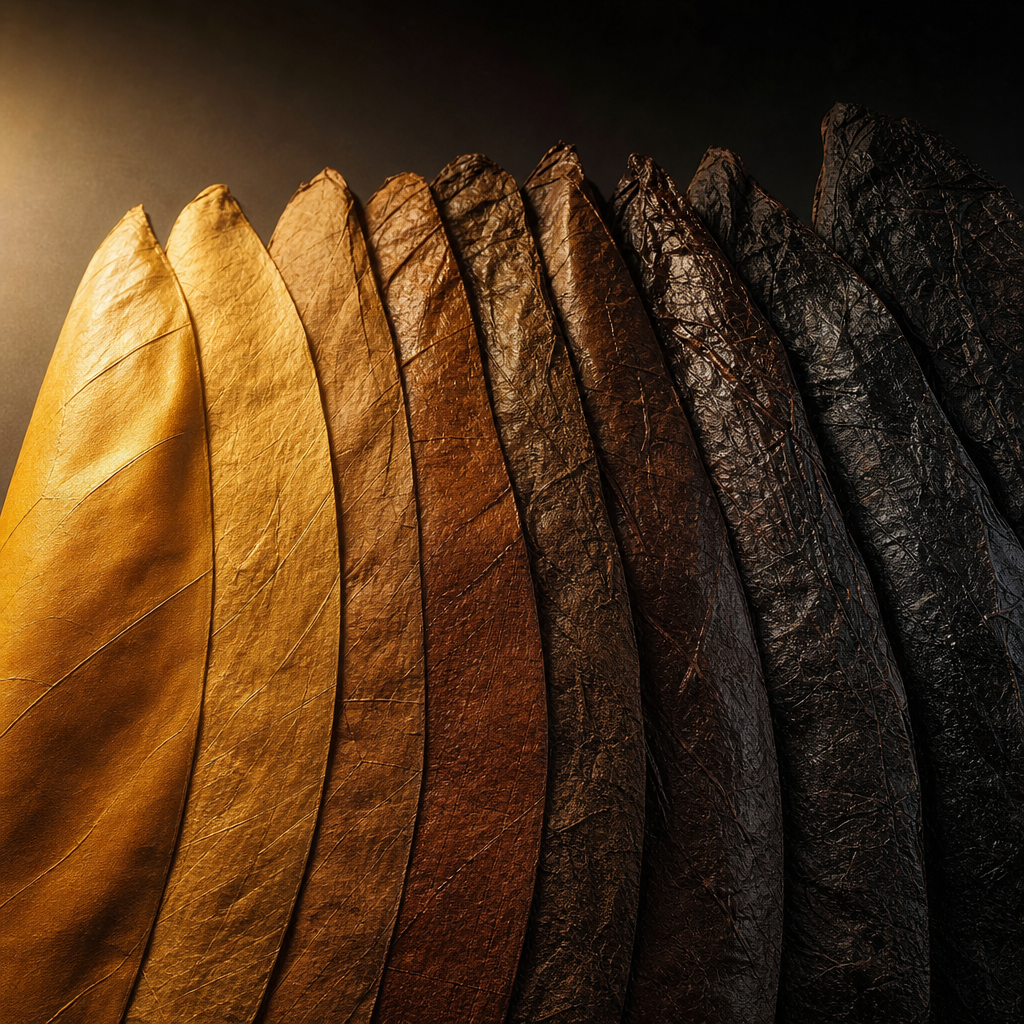
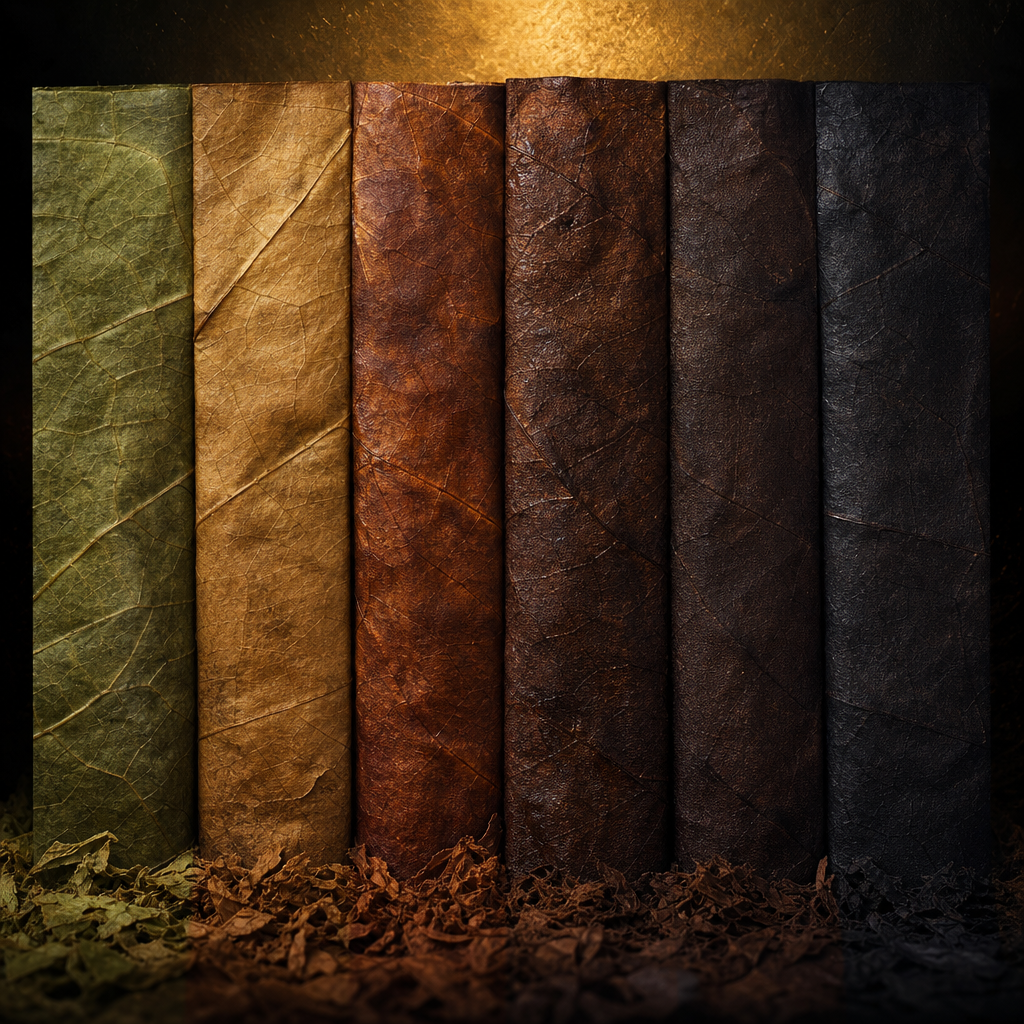
Cigar wrapper color describes appearance from light to dark as Double Claro, Claro, Colorado, Colorado Maduro, Maduro, and Oscuro, but a darker color does not necessarily mean greater strength. Wrapper shade mainly comes from tobacco variety, leaf position, sunlight exposure, harvest maturity, fermentation, and aging time. Dark colors are often associated with cocoa, coffee, molasses, and earthy impressions, while light colors commonly show grassy, nutty, woody, and creamy tones. When judging style, color can only serve as a first clue; region, filler blend, size, and draw must still be considered.
Basic Definition/Background
A cigar is composed of the wrapper, binder, and filler. The outermost wrapper is the easiest part to see, and beginners often use it to infer flavor. Traditional color categories often mix Spanish and English terms, ranging from the greenish Double Claro, also commonly called Candela, to light-brown Claro, reddish-brown Colorado, dark reddish-brown Colorado Maduro, dark-brown Maduro, and nearly black-brown Oscuro. This classification is not an absolute scale like ring gauge 50 or a length of 5 inches; rather, it is a shared industry language for describing a visual range.
The green color of Double Claro is usually related to processing that fixes chlorophyll earlier, and it was common in the U.S. market in the mid-20th century. Claro is often seen in lighter brown or golden-brown wrappers. Colorado is a common mid-range color in many traditional Cuban and Dominican styles. Maduro literally carries the meaning of maturity, usually indicating that the leaf has undergone longer or deeper fermentation treatment. Oscuro is an extremely dark deep brown to nearly black color. It should be noted that these names describe the wrapper, not the entire blend of the cigar. Even when the appearance is the same Maduro, if the filler uses different regions and different leaf positions, the mouthfeel, aromatic direction, and strength may still vary greatly.
Key Summary
| Color Level | Appearance Range | Common Clues and Flavor Associations |
|---|---|---|
| Double Claro / Candela | Green, olive green | Grass, tea-like notes, fresh woodiness, from processing that preserves chlorophyll |
| Claro | Light brown, golden brown | Nuts, hay, cream, cedar, often giving a clearer clean impression |
| Colorado | Medium brown, reddish brown | Wood, leather, roasted nuts, slight sweetness; a common balanced color range |
| Colorado Maduro | Dark reddish brown | Cocoa, coffee, spice, dried fruit; sweetness and thickness are more apparent |
| Maduro | Dark brown | Dark chocolate, molasses, damp earth, espresso; often showing fermented impressions |
| Oscuro | Nearly black-brown | Brown sugar, caramelized aromas, minerals, earth; depending on the blend, it can be very full-bodied |
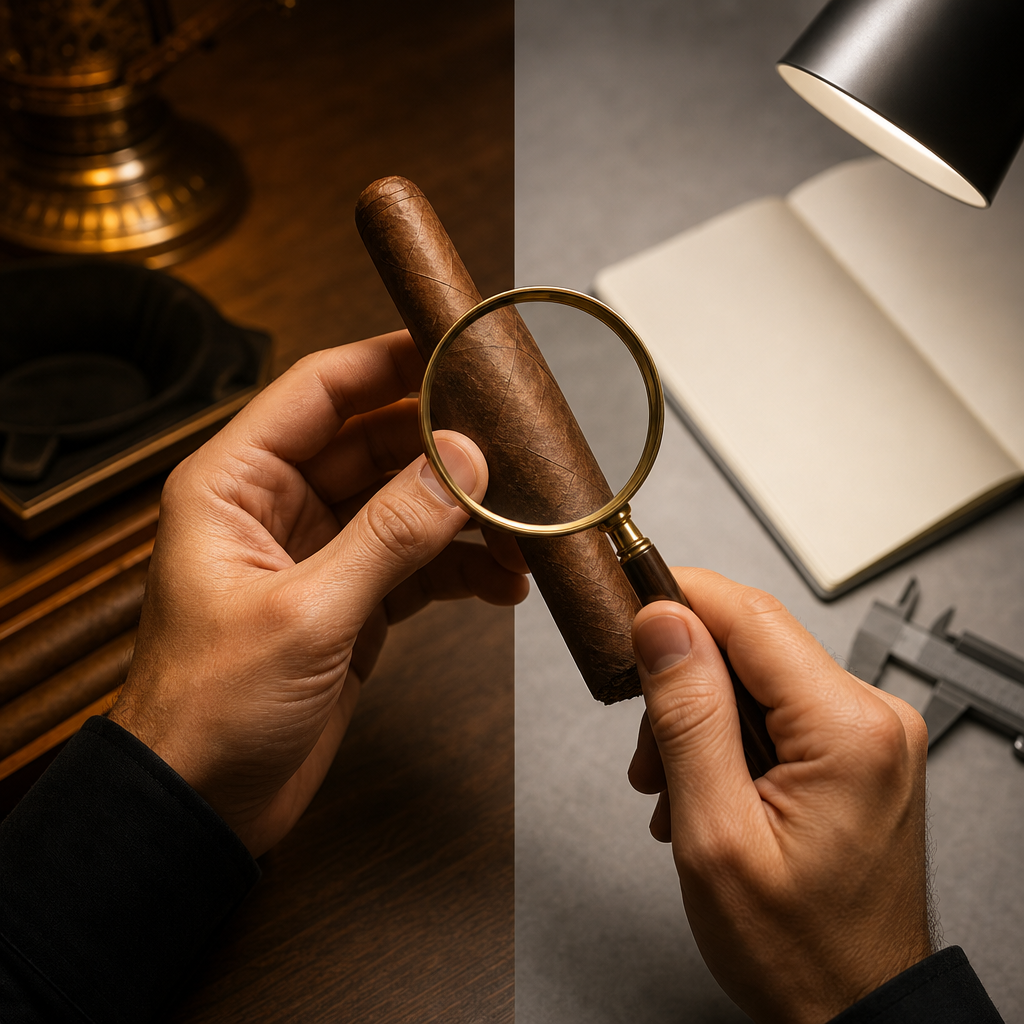
The table above is a quick map for beginners learning to read cigar wrapper colors, not an absolute formula. Wrapper shade can suggest fermentation, sunlight exposure, and leaf position, but it cannot determine intensity on its own, nor can it be directly equated with nicotine perception. In actual observation, it is recommended to look at three things at the same time: whether the color is even, whether the sheen is natural, and whether the veins are fine. If a Robusto is about 5 inches with ring gauge 50 and uses a dark Maduro wrapper, but the filler uses milder Dominican leaves, its performance may still be softer than the appearance suggests.
Where Color Comes From: Leaf Position, Sunlight, Fermentation, and Aging
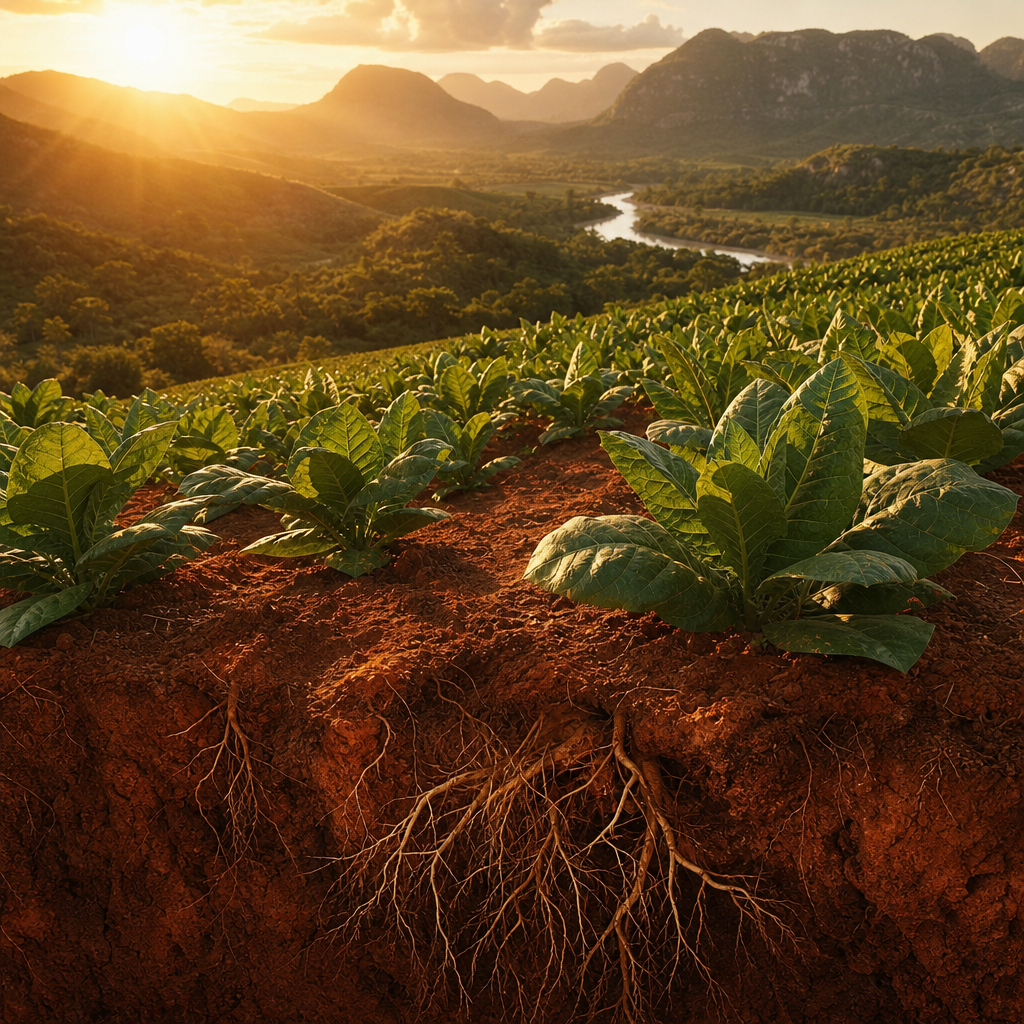
Cigar wrapper color is not simply a matter of being "darkened by the sun." The first key factor is leaf position. From bottom to top, a tobacco plant can be broadly divided into layers such as volado, seco, viso, and ligero. The higher layers usually receive more sunlight, the leaves are thicker, and oiliness and a sense of power are often more pronounced. In traditional Cuban grading, ligero is located in a higher position and is often used in filler to add structure. However, wrappers require intact appearance, good elasticity, and fine veins, so the selection is not simply about choosing the topmost leaves, but about balancing beauty and combustion.
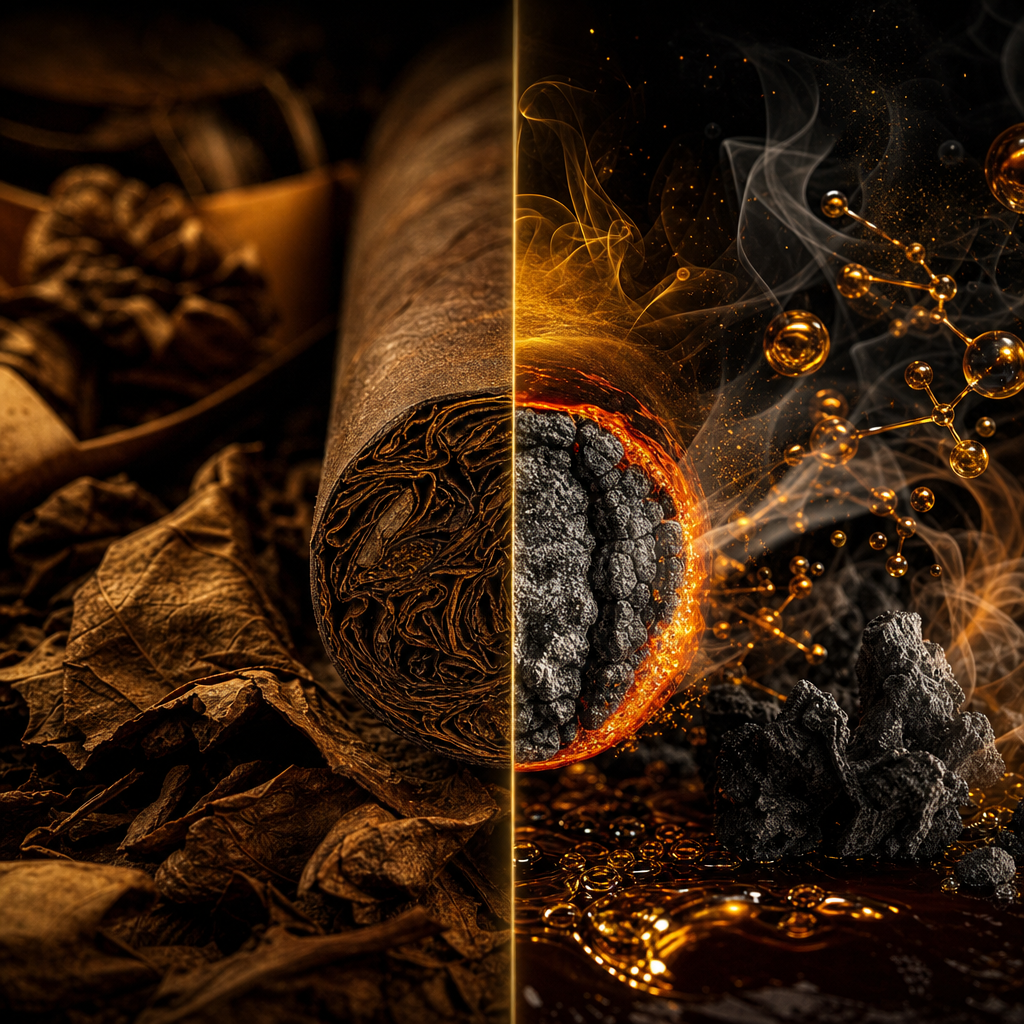
The second key factor is sunlight conditions. Shade-grown Connecticut Shade wrappers often have a more delicate and lighter appearance. Wrappers with more abundant sunlight exposure, such as Ecuador Habano or Nicaragua Habano, may range from Colorado to Colorado Maduro. The third is fermentation. After harvesting, tobacco leaves must undergo drying, grading, and pile fermentation. The temperature at the center of the pile may reach more than 40 degrees Celsius, and the duration can range from several weeks to several months. Darker Maduro wrappers often require longer processing, allowing starches, proteins, and polyphenols to transform, darkening the appearance and producing associations such as cocoa, coffee, and molasses. The fourth is aging. After rolling, resting under suitable humidity allows the color and aroma to integrate further, but aging is not magic that turns Claro into Oscuro; it makes the original materials more stable.
Examples from Claro to Oscuro: Brands, Specifications, and Style Reading
In practical cigar language, Claro and Colorado often appear in traditional entry-level sizes, such as a Corona of about 5.5 inches with ring gauge 42, or a Robusto of about 5 inches with ring gauge 50. Taking the commonly seen Dominican Connecticut Shade wrapper as an example, its color is mostly from Claro to light Colorado, with an appearance leaning golden brown, often showing aromatic clues like cream, cedar, hay, and almond. This type of wrapper does not mean the contents are hollow; rather, its expression is clearer and has fewer sharp edges, making it suitable for practicing the distinction of burn, draw, and puffing rhythm.
Colorado is a common color range in many classic Cuban sizes, such as Marevas at about 5 1/8 inches with ring gauge 42, or Corona Gorda at about 5 5/8 inches with ring gauge 46, often showing reddish-brown or chestnut-brown appearances. This range readily presents wood, leather, floral notes, roasted nuts, and slight sweetness, and its layers are usually more varied than a simply light-colored wrapper. Colorado Maduro to Maduro is often seen in modern blends from Nicaragua, Honduras, and the Dominican Republic, such as the common Toro at about 6 inches with ring gauge 52. A dark wrapper can bring associations of cocoa, coffee, brown sugar, and dried fruit. However, if the filler ratio is milder, Maduro may simply show deeper sweetness without being forceful in strength. Oscuro is often used in blends that emphasize a substantial appearance, but judgment must still return to filler leaf position, region, and rolling balance.
Myths About Color and Flavor: Dark Does Not Equal Strong
The most common misunderstanding among beginners is equating "black" directly with "strong." In fact, a cigar's strength is mainly related to the leaf positions, varieties, fermentation, and blend ratios in the filler. Although the wrapper has a major influence on aroma, it is not the only source. A cigar with a Maduro wrapper may have a rounded, thick mouthfeel and apparent sweetness because of sufficient fermentation, and may therefore be less sharply stimulating. Another cigar with a Colorado appearance may feel more pronounced if its filler uses more high-priming ligero. In other words, color often affects the "aromatic impression," but it does not necessarily determine the "bodily sensation."
It is also important to distinguish flavor intensity from nicotine sensation. Flavor intensity refers to whether the aroma is thick and whether the transitions are numerous, such as whether coffee, cocoa, wood, or pepper is apparent. Nicotine sensation is the body's response to tobacco components, influenced by individual constitution, whether one has eaten, and appreciation speed. If one is on an empty stomach and puffs repeatedly and quickly, even a Claro may cause discomfort. If the rhythm is steady, a dark Oscuro is not necessarily difficult to handle. Another myth is that the more uniform the color, the better. Natural wrapper leaves may have slight color differences, especially on handmade cigars. The key points are whether the color variation is reasonable, whether the leaf surface is cracked, and whether there is abnormal mottling or excessive dampness. When reading a cigar, treating color as an opening clue rather than a final conclusion is closer to a professional approach.
Practical Notes
When actually selecting and storing cigars, wrapper color can be observed using the four steps of "look, touch, smell, and draw," but each step should be restrained. First, look at the color: Claro should be light brown or golden brown, not dry and white like paper. Maduro and Oscuro should be dark brown to nearly black-brown. If they show an unnaturally uniform ink-black color and a rough leaf surface, extra attention is needed. Second, look at the sheen: a good wrapper often has a soft oily feel, not wet shine and not powdery dryness. Third, touch the outer layer lightly: at suitable humidity, it has slight elasticity; when too dry, it cracks easily, and when too wet, it may become soft and collapsed. Storage usually uses 18 to 21 degrees Celsius and a relative humidity of about 65% to 70% as common reference ranges, though actual conditions still need to be adjusted according to the environment.
Fourth, before lighting, complete proper cap removal and a cold draw check. Cap removal means handling the cap at the head of the cigar, not damaging the wrapper. If cut too deeply, the wrapper may loosen. During the cold draw, one may note unlit impressions of wood, hay, cocoa, or sweetness, but should not judge the entire course by the cold draw alone. Dark wrappers are more likely to burn slowly when humidity is on the high side, while light wrappers may heat up too quickly if too dry. For practice, a puffing rhythm of about once every 45 to 60 seconds is recommended as a baseline, allowing the burn line to stabilize and making it easier to distinguish the aromatic differences brought by color.
Common Mistakes
- Treating Maduro as necessarily very strong. Maduro mainly describes a dark mature wrapper; strength still depends on filler leaf position and blend ratio.
- Looking only at appearance color and not size. The same blend made as a Robusto and a Churchill may differ in burn speed, temperature, and aromatic development.
- Thinking Double Claro is immature leaf. The green color of Candela is mostly related to drying processes that preserve chlorophyll; it does not mean crude quality.
- Mistaking shininess for the wetter the better. A wrapper needs soft oiliness, not surface dampness; excessive moisture affects burn and draw.
- Applying experience from a single brand to all color ranges. Different regions and factories may define Colorado and Maduro within different ranges.
- Ignoring aging condition. Cigars in the same color family may differ greatly in aromatic integration and burn performance under different storage conditions.
Common Questions
Does a darker cigar wrapper necessarily mean stronger flavor? Not necessarily. Dark wrappers often bring thicker associations of cocoa, coffee, molasses, or earth, but flavor intensity is still affected by the filler, binder, fermentation, and size. Color is a clue, not a verdict.
What is the difference between Claro and Double Claro? Double Claro usually refers to the greenish Candela, related to drying processes that preserve chlorophyll. Claro is mostly light brown or golden brown, commonly showing hay, nuts, wood, and creamy tones.
Why is Colorado regarded by many as a balanced color range? Colorado sits between Claro and Maduro, often appearing reddish brown or chestnut brown. It readily expresses wood, leather, roasted nuts, and slight sweetness at the same time, so it is very common in many traditional blends.
How should Maduro and Oscuro be distinguished? Maduro is usually dark brown, while Oscuro is even darker, close to black-brown. Both may involve longer or deeper fermentation treatment, but each factory's judgment is not completely the same, so the actual leaf surface and blend must still be considered.
Can beginners start with dark wrappers? Yes, but do not assume difficulty solely because the appearance is dark. It is recommended to first choose a moderately sized, stable-burning format, such as Robusto or Corona Gorda, and slow down the puffing rhythm while observing differences in aroma and bodily sensation.
Will wrapper color change because of storage? Short-term suitable storage usually only makes the condition more stable and does not greatly change the color range. Long-term aging may make the appearance slightly more integrated or deeper, but it will not turn Claro into a standard Oscuro.
Is slight color variation in the same box of cigars normal? Handmade cigars use natural leaves, so slight color variation is not uncommon. The key points are whether the leaf surface is intact, whether there is cracking, whether there are abnormal spots, and whether overall humidity and burn performance are stable.
Smoking is harmful to health. Persons under twenty years of age must not smoke. Smoking cessation hotline: 0800-636363. This article is provided solely for adults aged twenty and above as a reference on cigar culture, storage, and regulatory knowledge. It is not tobacco advertising, promotion, or purchase advice. —Cigar Prince Wilson Tsai