The Heritage and Craftsmanship of Cigars: A Comparison between Cuba and Emerging Regions
The Heritage and Craftsmanship of Cigars: A Comparison between Cuba and Emerging Regions
As the editor of "Cigar Bible," I am often asked by seasoned cigar enthusiasts: What exactly is the "heritage" of Cuban cigars? And is the rise of Nicaragua and Honduras in the last two decades merely a triumph of strength and packaging?
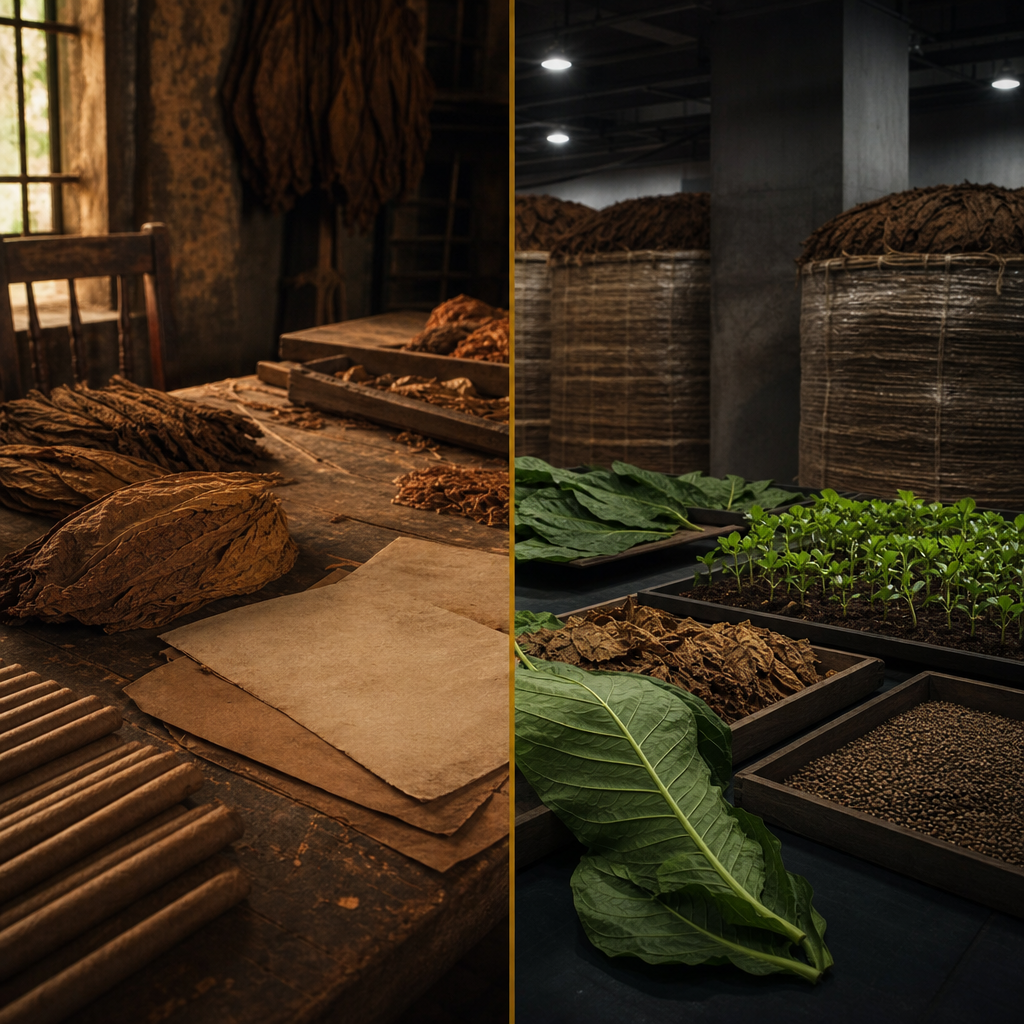
My answer is usually not a simple either-or. Cuba is like an old-school language, emphasizing soil, process, and rhythm; emerging regions are like rapidly maturing laboratories, precisely mastering seeds, fermentation, and blending. What seasoned enthusiasts should truly compare is not fame, but the logic of craftsmanship.
Heritage is Not a Myth: The Timeline and Systematic Nature of Cuban Craftsmanship
The core of Cuban cigars lies not only in "Cuban seeds" but in the institutionalized process from the field to the factory. Take Vuelta Abajo in Pinar del Río, for example, which established a professional division of labor among tobacco farmers, buyers, graders, and factory rollers by the late 19th century. H. Upmann was founded in 1844, Partagás can be traced back to 1845, and Romeo y Julieta was born in 1875; these years are not mere decorations but represent the long-term fixation, correction, and transmission of brand styles.
After 1959, the Cuban cigar industry entered a nationalized system, with brands retaining historical names but raw material allocation, factory management, and export rhythms being uniformly planned. Seasoned enthusiasts comparing Cohiba Siglo VI from the 1990s and 2010s often find that the same size and brand can still vary due to year, factory status, and raw material batches. The true value of Cuban heritage is placing "terroir, grading, craftsmanship" within the same long-term grammar, rather than relying solely on some mysterious formula.
When I look at Cuba, I don't just look at the band but whether it presents the rhythm the brand should have: Montecristo's cocoa, coffee, and wood; Hoyo de Monterrey's gentle floral aroma; Bolívar's robust earth and leather. What seasoned enthusiasts are most fascinated by is often not the initial impact but whether the transitions in the first, middle, and final thirds are natural, whether the ash line is stable, and whether the burn is unhurried.
Soil, Seeds, and Leaf Selection: The Starting Point Differences between Cuba and Nicaragua
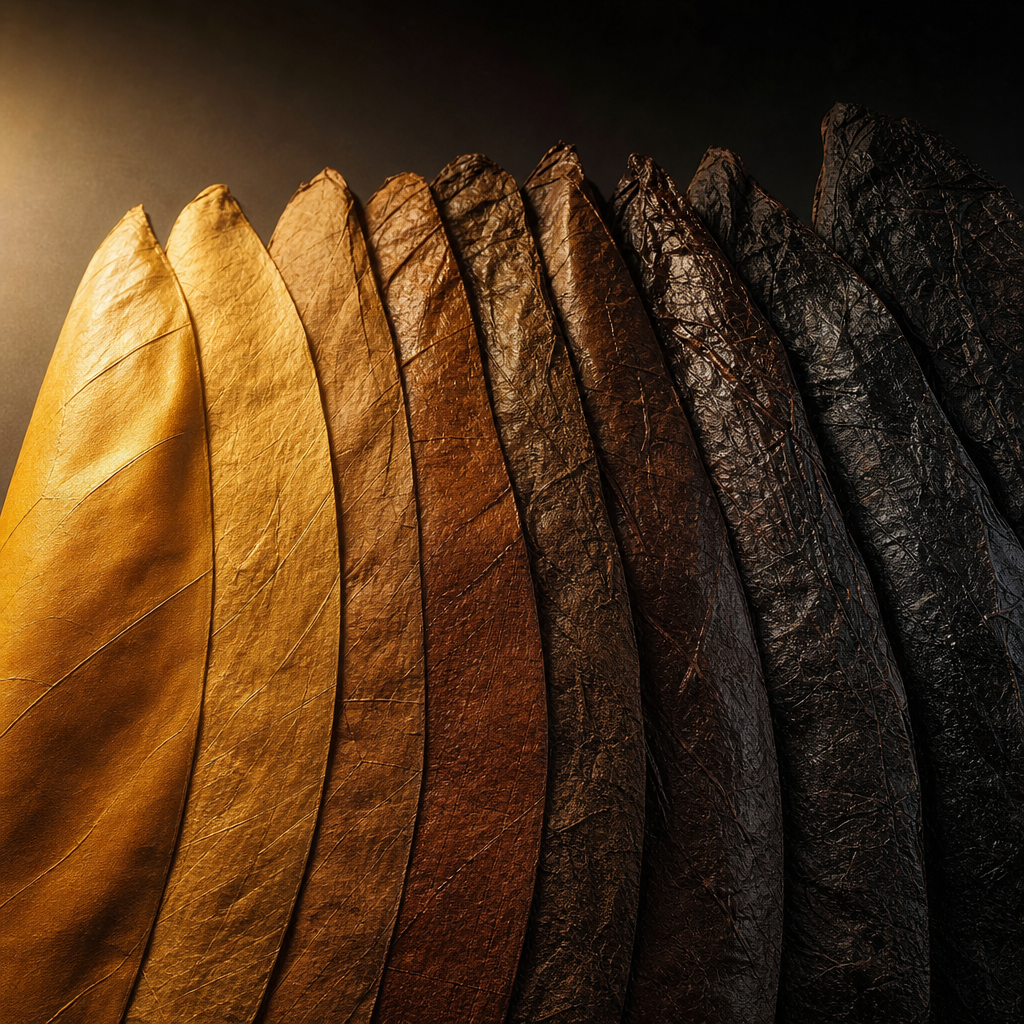
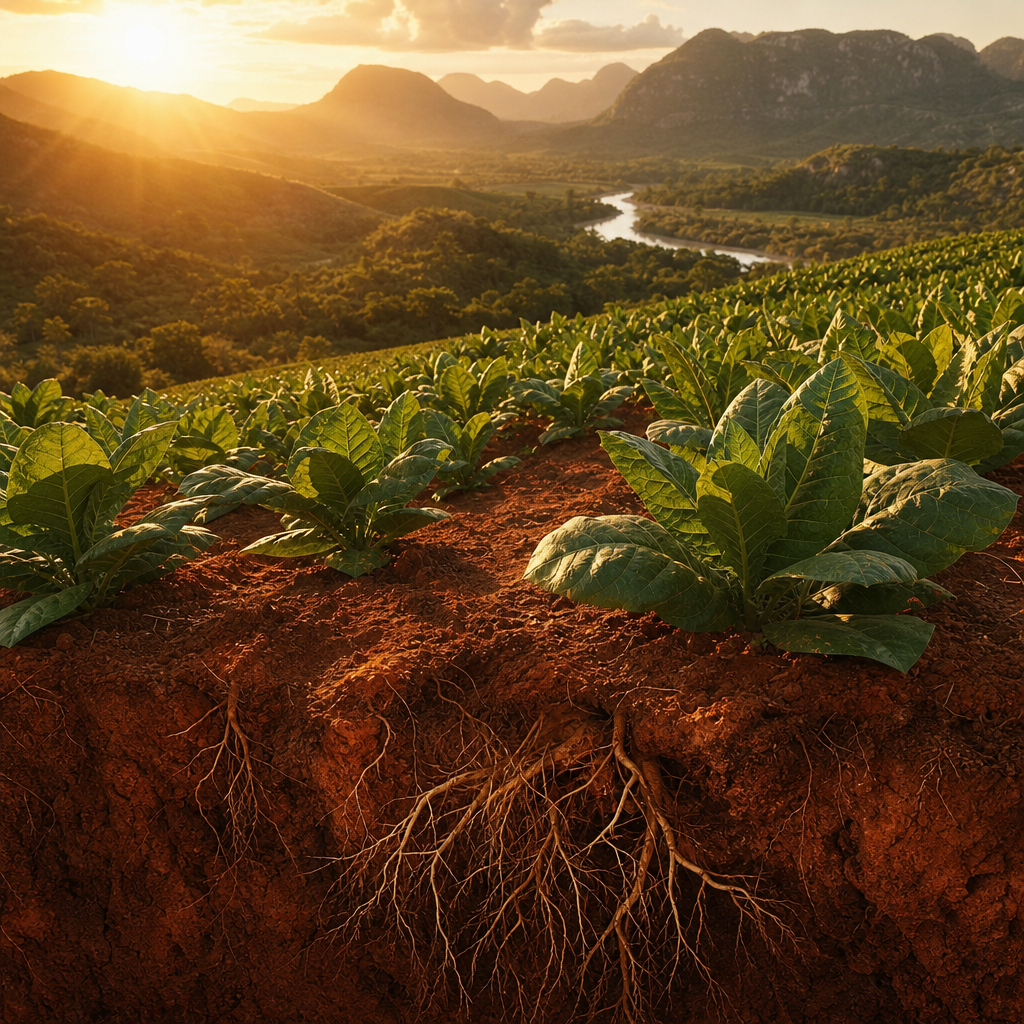
The red soil, humidity, and sea breeze of Cuba's Vuelta Abajo are the foundation of its light yet complex flavors. The commonly seen Criollo and Corojo lineages in Cuba emphasize aroma details and burn balance; different leaf positions of the same tobacco plant, Ligero, Seco, and Volado, each have roles. Ligero provides strength, Seco provides aroma, and Volado supports burning, forming the backbone of Cuban cigars.
Nicaragua, on the other hand, has established a more contrasting material library in the three major regions of Estelí, Jalapa, and Condega. Estelí leaves are thick and spicy; Jalapa leaves are sweet and smooth; Condega often provides structure and aroma balance. Take Padrón 1964 Anniversary or Oliva Serie V, for example, and you will feel that Nicaragua is not simply "heavy," but composed of leaves from different valleys to form a three-dimensional intensity.
Honduras's Jamastrán and Talanga Valley should not be overlooked either. Camacho established a strong Honduran Corojo image after the 1990s, and some Rocky Patel series use Honduran leaves to create spicy, woody, and nutty notes. Cuba excels in terroir consistency and detail, while emerging regions excel in the blending freedom of multi-source leaves. This is the most fundamental divergence between the two.
Seasoned enthusiasts who only use "Cuba is more delicate, the New World is heavier" to summarize will miss a lot. In the past decade, Nicaragua's high-end lines have been able to produce creamy, cocoa, dried fruit, and mineral notes; Cuba has also shown a trend of larger sizes and thicker flavors in recent years. True comparison must return to leaf position, origin, seeds, and blending purpose.
Fermentation and Aging: Aroma Depth Begins in the Warehouse
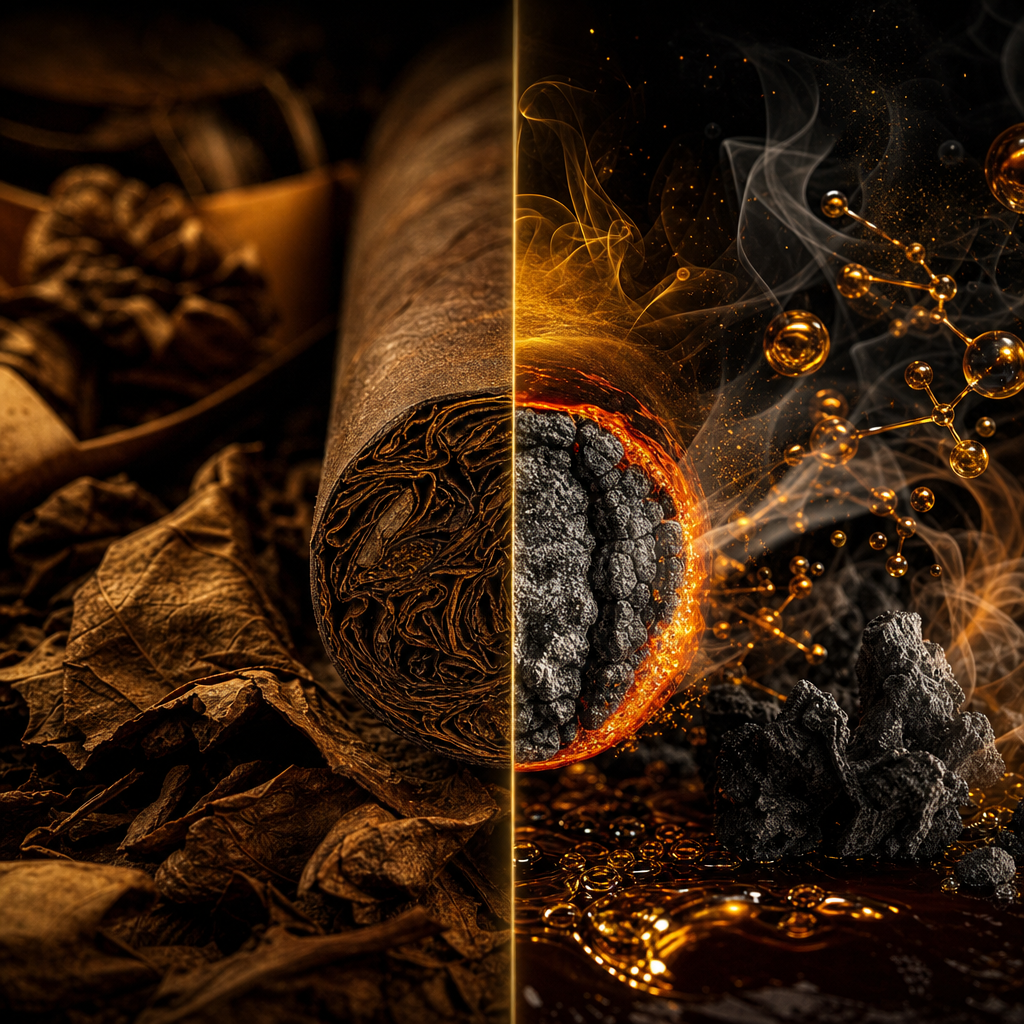
Cigar flavor does not begin after rolling but gradually forms in the fermentation pile. Traditional Cuban fermentation emphasizes natural management of temperature and humidity, with tobacco leaves heating up in the pilón, and workers controlling ammonia, bitterness, and moisture through turning. High-quality leaves may undergo multiple fermentations before entering aging warehouses, waiting for the sharpness to decrease and the aroma to become rounder.
Cohiba's most discussed craftsmanship is the additional barrel fermentation for some leaves. This practice is crucial in the brand image, making the Behike and Siglo series often carry layers of cream, grass, honey, and coffee. Of course, actual performance still depends on the year and preservation; the Siglo VI launched in 2006 and the batches stably supplied after 2010 are often discussed separately by seasoned enthusiasts for their maturity.
Nicaragua and Honduras emphasize controllability more. Large factories like Drew Estate, AJ Fernandez, and Plasencia establish different fermentation curves based on leaf type, position, and thickness. Estelí Ligero may require a longer time to reduce stimulation, while Connecticut Shade or Ecuador Habano wrappers need to avoid over-fermentation to prevent aroma loss. The advantage of emerging regions is treating fermentation as a manageable precision engineering; Cuba is more like correcting natural rhythms with experience.
For seasoned enthusiasts, judging fermentation quality can start from three points: First, whether there is a pungent ammonia smell in the cold aroma; second, whether there is sharp bitterness and spiciness in the first third; third, whether sweetness and woodiness can emerge in the middle third. Good fermentation does not necessarily make cigars gentle, but it will make the strength orderly.
Rolling Techniques and Factory Culture: Hand Feel, Molds, and Consistency
The handmade tradition of Cuban cigars is most charming and most easily misunderstood. The torcedor's skills include leaf selection, arrangement, bunching, molding, wrapper application, and capping; each step affects draw resistance and burn. Factories like La Corona, El Laguito, and Partagás each have their history, and seasoned players even trace the factory codes and date codes on the box bottom, as the performance of the same brand can indeed vary at different times.
Emerging regions' large factories more often combine handcraft and quality control equipment. Take Drew Estate's La Gran Fabrica in Estelí, Nicaragua, for example, where large-scale production still retains hand-rolling, but draw resistance testing, humidity control, and batch tracking are more institutionalized. Padron's strength lies in family standards, with the 1964 and 1926 series maintaining stable styles over the years, which is the competitiveness of high-end New World cigars.
| Comparison Item | Typical Cuban Practice | Common Nicaraguan/Honduran Practice |
|---|---|---|
| Rolling Culture | Factory heritage and master-apprentice experience | Family factories and modern quality control coexist |
| Draw Resistance Control | Highly reliant on master's hand feel | Often paired with draw resistance testing equipment |
| Size Preference | Traditional vitola and recent large ring gauges coexist | 50 to 60 ring gauges are more common |
| Style Stability | More apparent year and batch differences | Brand line stability is usually higher |
Cuba's charm lies in hand feel and batch personality, while emerging regions' strength lies in consistency and predictability. When seasoned enthusiasts choose cigars, they might consider "perfect burn" and "personality expression" separately; some Cuban cigars require careful adjustment in burning but reward you with aroma transitions. Conversely, a high-quality Nicaraguan cigar often allows you to grasp the rhythm from start to finish, which is also proof of mature craftsmanship.
Flavor Language: The Depth of Cuba and the Three-Dimensional Intensity of Emerging Regions
Cuban cigars are often described as delicate and elegant, but this does not mean bland. Bolívar Belicosos Finos can have distinct earth, leather, pepper, and black coffee; Partagás Serie D No.4 is known for its rich wood, sweet spices, and roasted notes; Montecristo No.2 balances cocoa, coffee, nuts, and slightly salty minerals. These flavors do not explode at a single point but unfold gradually like aged wine.
Nicaraguan flavors more often present "forward progression." Padrón 1926 Serie No.9 often features dark chocolate, concentrated coffee, pepper, and caramel; My Father Le Bijou 1922 is known for spices, dark wood, and cocoa; Oliva Serie V Melanio does quite delicately between cream, coffee, and sweet wood. These examples show that the high-end New World line has long surpassed mere intensity.
Honduras often provides a profile between the two. Camacho Corojo presents spice, leather, and dry wood; Alec Bradley Prensado was rated as a high-scoring cigar of the year by "Cigar Aficionado" in 2011, bringing more attention to Honduran blends in the international market. Cuba leans towards depth and aftertaste, while emerging regions lean towards clear contours, sweetness, and intensity management.
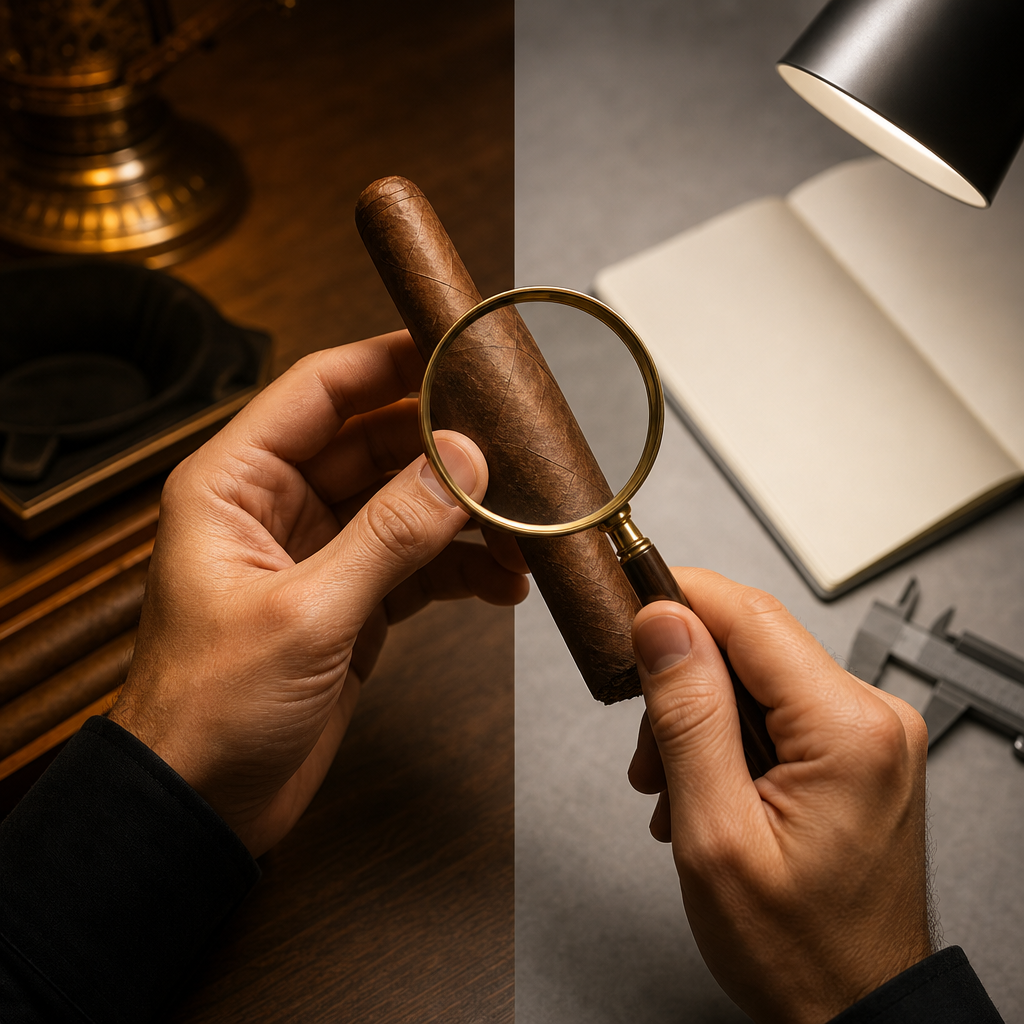
In advanced comparisons, I would suggest seasoned enthusiasts use a three-stage method to record: the first 2 cm to see if the opening is clean; the middle third to see if sweetness, spices, and woodiness are integrated; the final third to see if the strength imbalance when rising. Don't just write "good draw" or "very intense," but note temperature, burn line, ash color, aftertaste, and nasal aroma, which is the basis for in-depth comparison.
Brand Cases: Craft Choices from Cohiba, Padrón to Plasencia
Cohiba is a representative of understanding Cuban heritage. Born as a high-end brand in 1966 and officially entering the international market in 1982, the Siglo series was launched in 1992, corresponding to the 500th anniversary of Columbus's arrival in the Americas. Cohiba is not just a price symbol; it represents a style jointly established by top-grade leaves, special treatment, and brand narrative: grass, cream, honey, coffee, and delicate spices.
Padrón is another paradigm of Nicaraguan craftsmanship. Founded by José Orlando Padrón in 1964, the family later established a stable, rich, and deeply sweet style with Nicaraguan leaves. The 1964 Anniversary and 1926 Serie do not pursue flamboyance but use long-aged leaves, stable sizes, and precise blending to allow seasoned enthusiasts to grasp the brand's backbone in different years.
Plasencia's case is more modern. This family has been growing tobacco in Central America for over a century, and in recent years, series like Alma del Campo and Alma Fuerte demonstrate vertical integration capabilities from cultivation to finished products. It shows that emerging regions are not just OEM for others but can establish their high-end aesthetics. Cuba relies on historical brands to accumulate authority, while emerging regions rely on family agriculture, cross-national leaves, and modern quality control to build trust.
When discussing collections, seasoned enthusiasts can focus on box condition, origin, preservation records, and market circulation, rather than just fame. Some limited editions or discontinued sizes are indeed sought after, but collection appreciation does not guarantee appreciation, still depending on origin preservation and market. I must make this very clear: cigars are first about craftsmanship and flavor, then market stories.
Advanced Preservation and Comparison Methods: Making Regional Differences Truly Visible
To compare Cuba and emerging regions, preservation conditions must first be stable. Generally, I recommend long-term preservation at 65% to 69% relative humidity and 18 to 21 degrees Celsius; for larger ring gauge, oilier Nicaraguan cigars, slightly lower humidity can prevent overly tight draw. If Cuban cigars are too moist, they often lose clear floral and mineral notes, leaving only dull sweetness and poor burn.
Advanced enthusiasts can adopt the "same size comparison method." For example, choose Robusto sizes: Cohiba Robustos, Partagás Serie D No.4, Padrón 1964 Exclusivo, Oliva Serie V Melanio Robusto. When sizes are close, burn time, tar accumulation, and temperature changes are more comparable. If you take Churchill against Toro, Minuto against Gordo, conclusions are easily misled by size.
My records usually include the following items:
- Box bottom year or purchase year
- Preservation humidity and temperature
- Cold aroma and draw resistance
- First, middle, and final third flavors
- Burn line, ash color, and relight times
- Aftertaste length and oral cleanliness
Without stable preservation, there is no fair comparison; without records, only impressions and preferences remain. The true advancement of seasoned enthusiasts is not how many brands they have smoked, but being able to understand a cigar in the context of region, factory, year, and preservation conditions. When you can articulate why a Nicaraguan cigar has deep sweetness or a Cuban cigar has a drifting aroma, you have already crossed the surface scoring.
Frequently Asked Questions
Are Cuban cigars always more premium than Nicaraguan or Honduran ones?
Not necessarily. Cuba has irreplaceable history and terroir, but emerging regions are very mature in quality stability, fermentation control, and blending freedom. In terms of craftsmanship completeness, brands like Padrón, Fuente, Plasencia, and My Father have works worthy of being discussed alongside high-end Cuban lines. Premium status is not only about origin but also about leaves, processes, preservation, and actual performance.
Why can the same Cuban cigar have such significant differences between different boxes?
Cuban cigars are significantly affected by year, factory, leaf batch, and preservation. Even the same Montecristo No.2 can have differences in draw resistance, sweetness, and intensity between different box bottom years. This is why many seasoned enthusiasts trace box codes, not out of superstition, but to establish comparison clues.
Does the high intensity of New World cigars mean they are not refined enough?
This is a common misconception. High-end Nicaraguan cigars often have thicker coffee, cocoa, and pepper, but refinement depends on blending ability. Oliva Serie V Melanio, Padrón 1964 Anniversary, and Plasencia Alma Fuerte can all retain sweetness and layers within intensity.
How should seasoned enthusiasts arrange horizontal comparisons between Cuba and emerging regions?
It is recommended to choose similar sizes, similar preservation conditions, and record on the same day or close dates. Robusto to Robusto, Toro to Toro, is a reasonable comparison. Start with medium intensity, then move to heavy series, to avoid taste fatigue affecting later judgments.
Should cigar collections prioritize brand, year, or origin?
All three are important, but origin and preservation are the top priorities. Brand and year provide market interest, preservation determines actual state; if box condition is poor and humidity is uncontrolled, even a famous brand will lose value. Collection appreciation does not guarantee appreciation, still depending on origin preservation and market.
What is the significance of PCC authorized dealers?
PCC authorized dealers represent traceable supply systems and origins, which is an important reference for seasoned enthusiasts who value the authenticity and preservation state of Cuban cigars. Especially with the complex circulation of high-end Cuban cigars in the market, clear origins can reduce many unnecessary risks.
The comparison between Cuba and emerging regions is ultimately not about who replaces whom, but a dialogue between two craftsmanship philosophies. Cuba condenses time, land, and master hand feel into tradition; Nicaragua and Honduras showcase modern power through agricultural integration, fermentation management, and blending ambition. If seasoned enthusiasts can put aside labels and return to leaves, years, preservation, and flavor rhythm, they will find that each region has a respectable height.
—Cigar Prince Wilson Tsai
Smoking is harmful to health. Under 20 years old is prohibited from smoking. Quitline: 0800-636363. This article is for reference by adults over 20 years old for cigar culture, preservation, and regulatory knowledge, not tobacco advertising, promotion, or purchase advice.