The Unique Flavor Components of Cigars: The Science Behind the Aroma
The Unique Flavor Components of Cigars: The Science Behind the Aroma
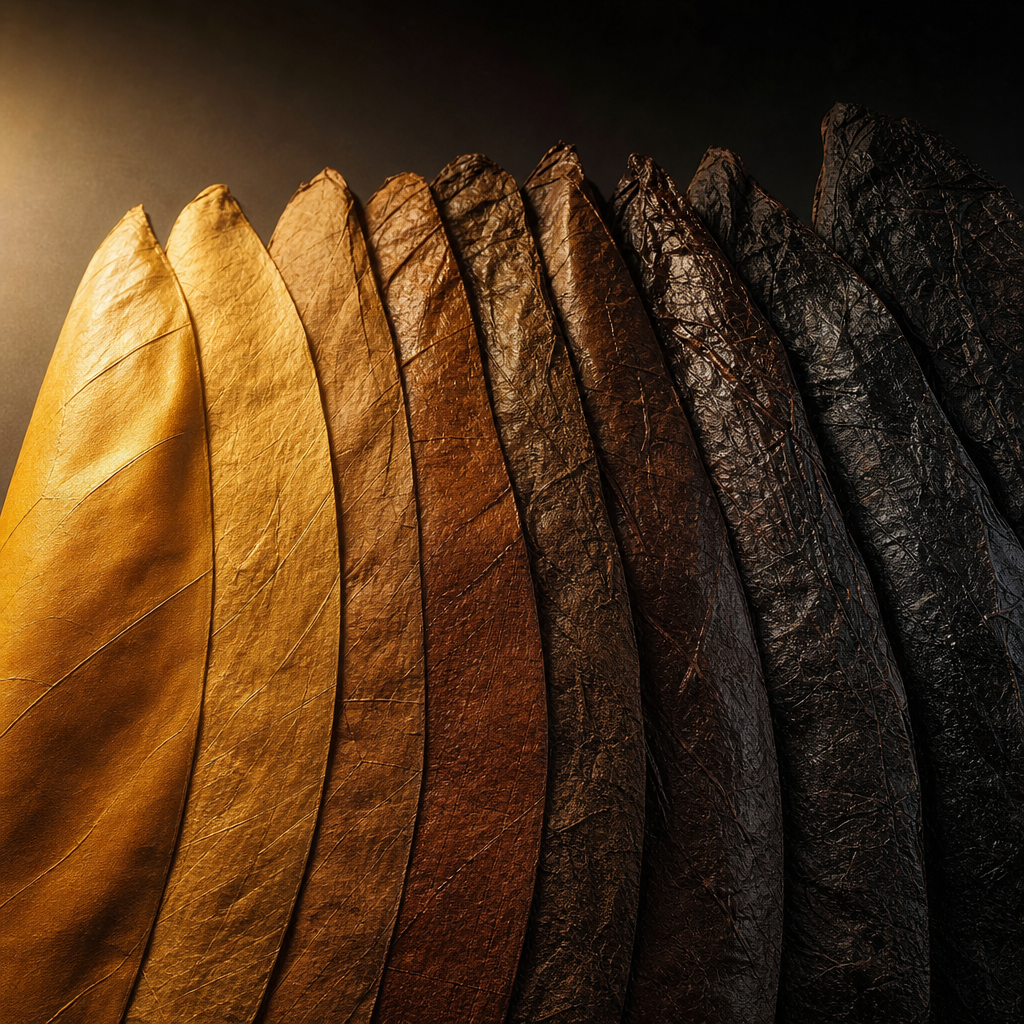
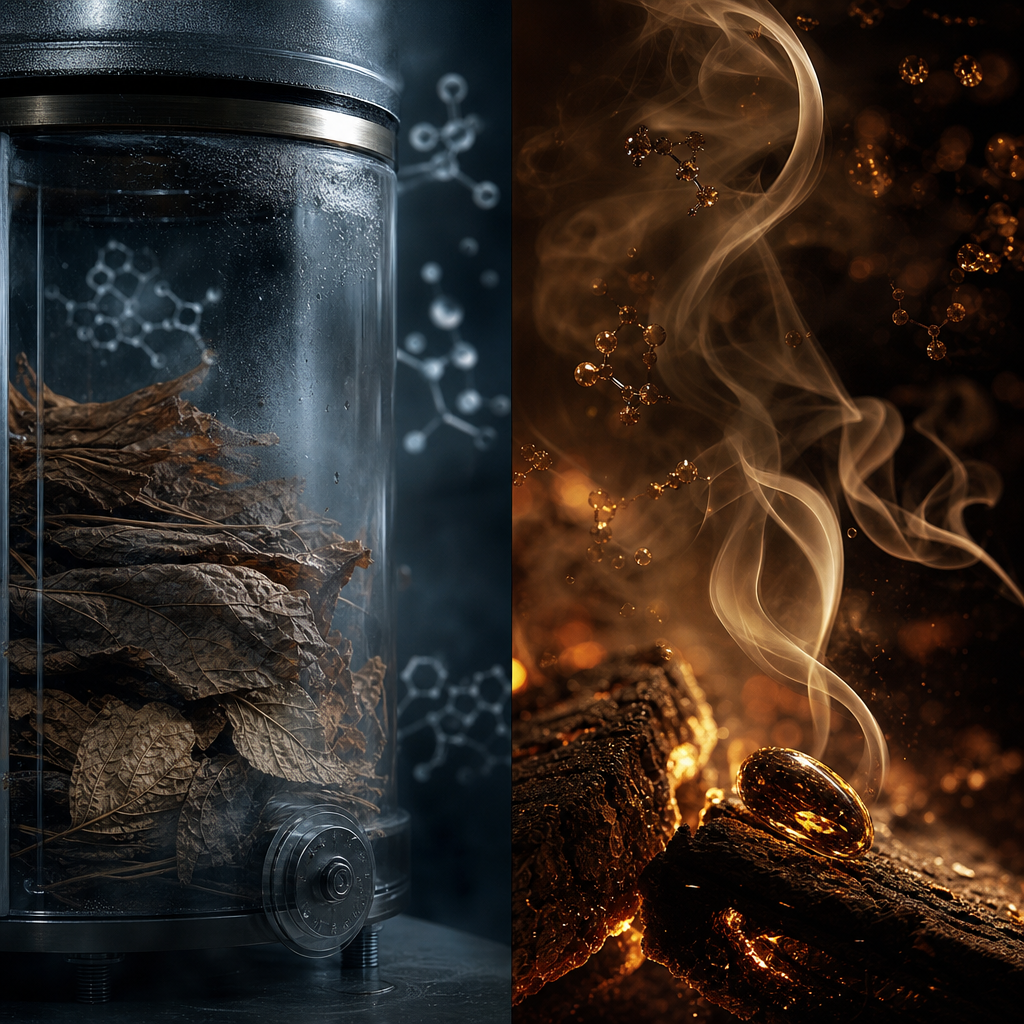
The aroma of a cigar is not just about "what it smells like." When a cigar is lit, the sugars, proteins, lignin, resins, and essential oils in the leaves release hundreds of volatile compounds under the influence of heat, oxygen, and humidity, creating layers of leather, coffee, cocoa, wood, spices, floral, and dried fruit.
As the editor of the "Cigar Bible," I often remind beginners: true advancement is not memorizing brand names, but learning to break down the aroma into "source, condition, and change." When you understand the science behind the flavors, abstract sensations become clearer, and you gain a greater appreciation for the craftsmanship and etiquette of a cigar.
Aroma is Not Mysticism: Cigar Flavor Comes from Volatile Molecules
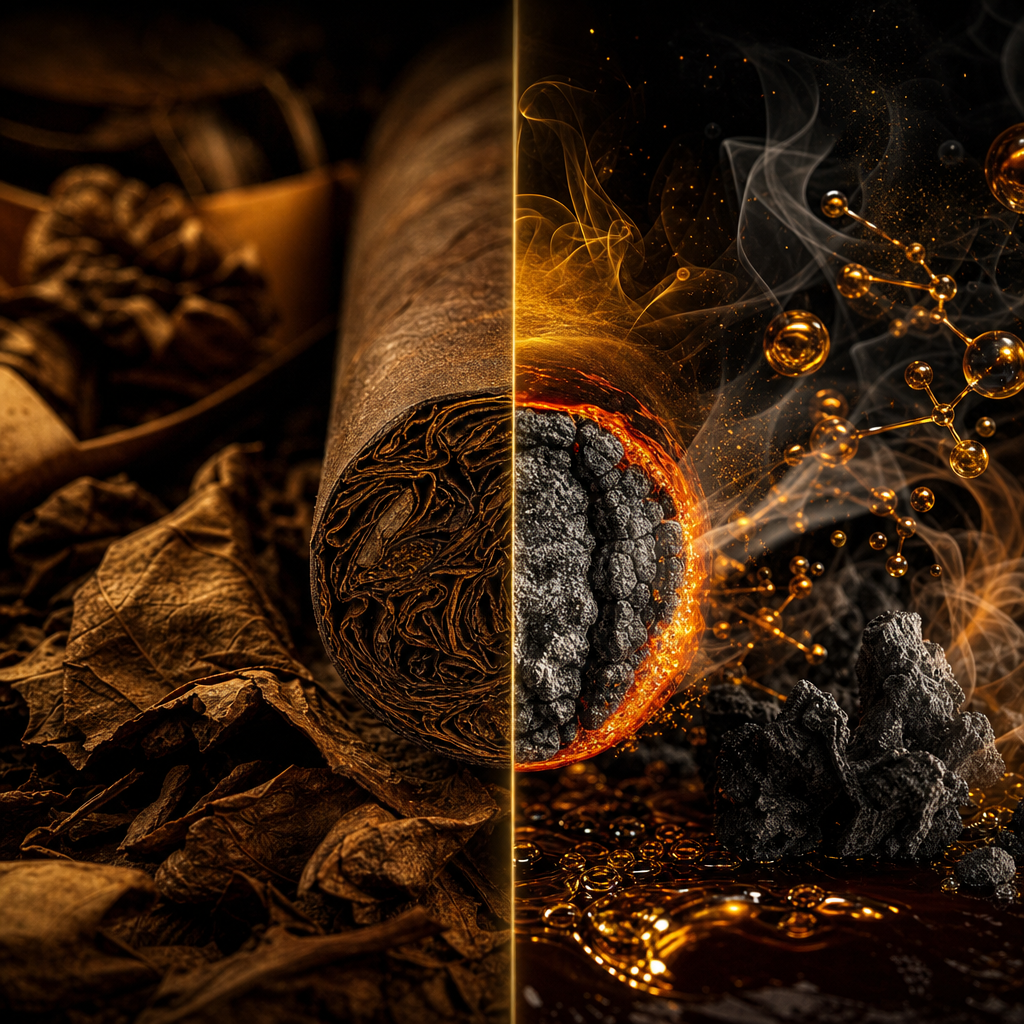
The aroma of a cigar primarily comes from the volatile organic compounds released after combustion and pyrolysis. For long-filler cigars from regions like Cuba, Nicaragua, and the Dominican Republic, the burning end temperature can vary between approximately 400°C and 900°C. When the smoking pace is too fast, the burning end heats up, amplifying bitterness, spiciness, and ammonia sensations. If the pace slows down, many sweet, woody, and nutty notes become more discernible.
Cigar aroma is not a single flavor but a result of hundreds of volatile compounds combining at different temperatures, humidity levels, and burning speeds. For example, Montecristo No.2 is often described as having cocoa, coffee, and creamy notes, not because the leaves contain chocolate, but due to the combined effects of pyrazines, aldehydes, ketones, and trace acids. The spicy, earthy, and black pepper notes of Partagás Serie D No.4 are closely related to fermentation intensity, leaf position, and burning performance.
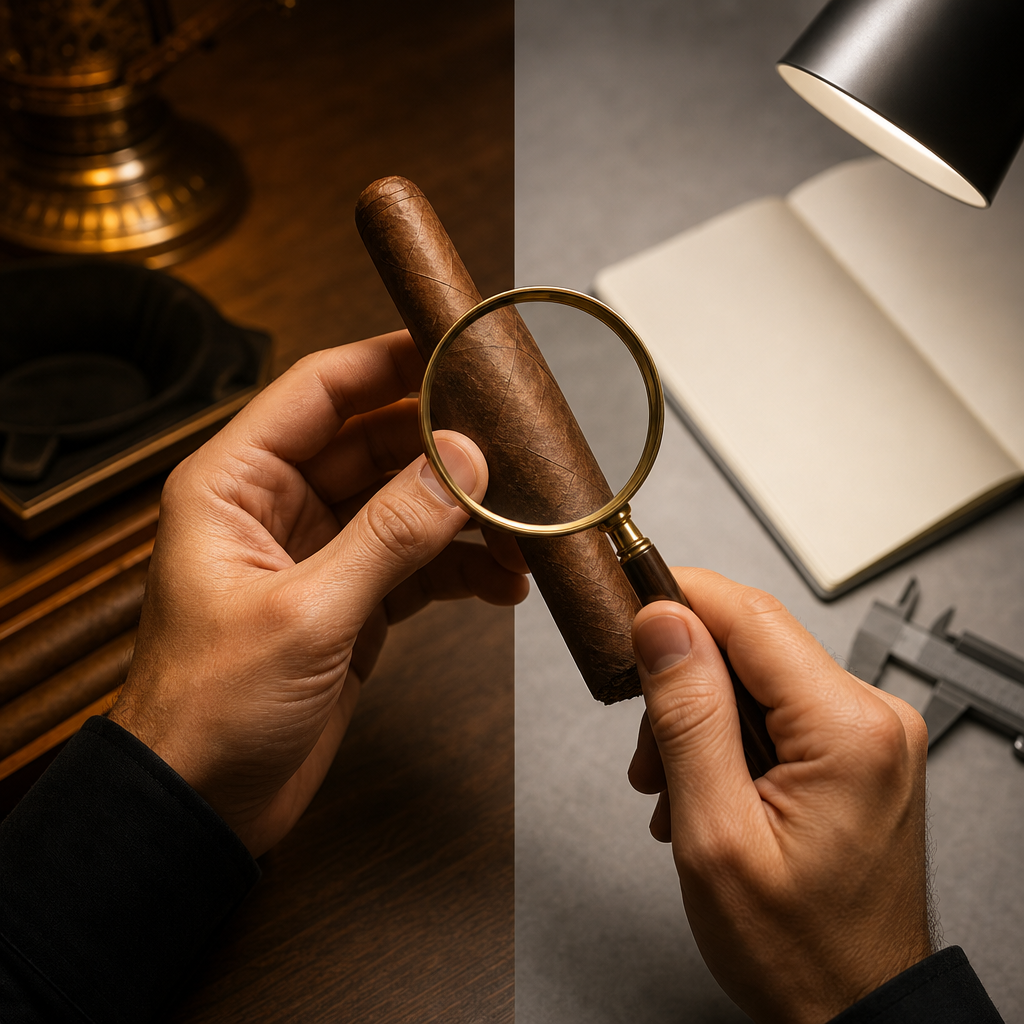
The most practical approach for beginners is to record aromas in three layers: the first layer is direct sensations like sweet, bitter, spicy, and sour; the second layer is associative items like coffee, cedar, and hay; the third layer is structural changes like bright in the front, thickening in the middle, and rising spiciness in the back. Since 2010, many brands have emphasized darker wrappers in regional limited editions and Edición Limitada series, often featuring more pronounced cocoa, brown sugar, and woody notes, partly due to the fermentation and oil content of the wrapper affecting volatile compound performance.
From Cultivation to Fermentation: Aroma Molecules Begin Forming Before Ignition
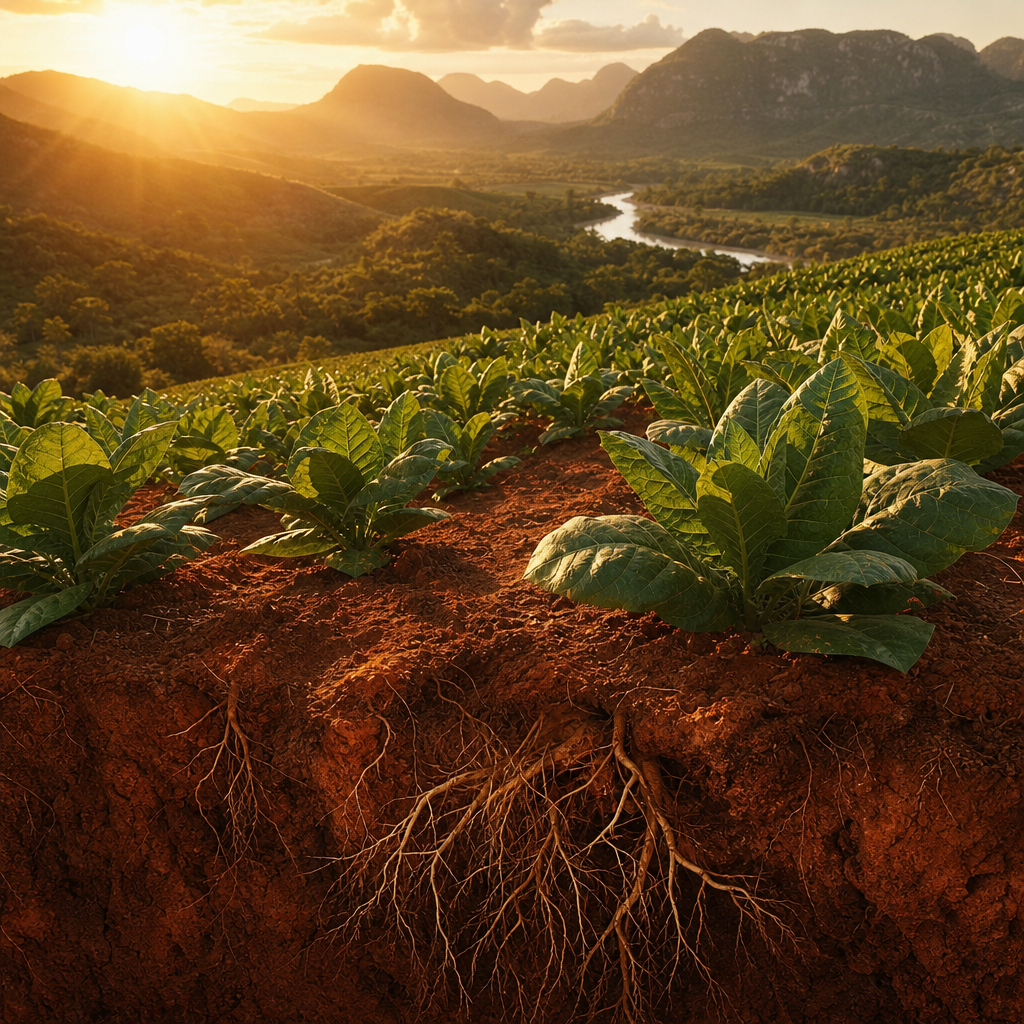
Cigar aroma does not appear the moment it is lit; it is gradually established during cultivation, harvesting, drying, fermentation, and aging. Taking Cuba's Vuelta Abajo, Nicaragua's Estelí, and the Dominican Republic's Cibao Valley as examples, even with the same black soil and tropical climate, mineral composition, sunlight hours, rainfall, and leaf picking height can alter the sugars, nicotine, and aroma precursors in the leaves. Ligero leaves, receiving more sunlight, usually have more strength; Seco leaves have more delicate aromas, and Volado leaves have better combustibility.
Fermentation is key to flavor formation. When tobacco leaves are stacked, the internal temperature is often controlled at around 45°C to 55°C, allowing protein breakdown, ammonia reduction, polyphenol oxidation, and the formation of softer woody, nutty, and sweet aromas. Insufficient fermentation often results in green, pungent, and rough spiciness; over-fermentation may flatten the aroma. Around 2006, many high-end Dominican brands began to focus more on batch fermentation and leaf grading, significantly improving flavor consistency.
| Stage | Main Changes | Common Aroma Influences |
|---|---|---|
| Drying | Moisture reduction, chlorophyll breakdown | Hay, tea, light wood |
| Fermentation | Ammonia reduction, polyphenol oxidation | Nuts, earth, cocoa |
| Aging | Integration of irritants, reorganization of volatiles | Honey, leather, rounded wood |
Good cigar aroma is often not "added" but achieved by gradually refining roughness through agriculture, fermentation, and time. This is why the same brand and size can vary between different years. For example, H. Upmann Magnum 46 from 2008, 2014, and 2019 may have subtle differences in creaminess, tea notes, and herbal tones, not due to mysterious stories, but due to the combined effects of raw material vintage, fermentation management, and storage conditions.
Pyrazines, Aldehydes, and Esters: Where Do Coffee, Roasted Nuts, and Dried Fruits Come From?
Many people worry if they're imagining things when they first describe a cigar as "like coffee" or "like roasted almonds." But from a chemical perspective, these associations are quite reasonable. Pyrazine compounds are commonly found in roasted coffee, roasted peanuts, and toasted bread and can produce similar impressions after cigar combustion and leaf fermentation. When you capture roasted grains, cream, and light cocoa in a Cohiba Siglo VI, it may be related to these nitrogen-containing volatiles.
Aldehydes and esters often provide sweet, fruity, and floral profiles. Vanillin may evoke vanilla and sweet wood; benzaldehyde might bring out almond and cherry pit sensations; some esters at low concentrations can remind one of ripe fruit, honey, or dried fruit. Davidoff Aniversario No.3 is often described as having white pepper, cream, hay, and light nuts, relying on the balance of low-concentration volatile compounds rather than strong impact.
When beginners practice aroma breakdown, they should not rush to find the "answer" but learn to categorize similar sensations. You can establish your sensory database using the following methods:
- Record only the three most obvious aromas each time, rather than forcing ten.
- Divide aromas into roasted, woody, spicy, plant, and sweet categories.
- Use the same glass of room-temperature water to cleanse the palate, avoiding coffee or spirits that could distract the sense of smell.
- Record changes every 2 centimeters, observing differences in the front, middle, and back sections.
After doing this for three months, you'll find your description of "coffee" more precise: sometimes it's the bitter aroma of espresso, sometimes the creamy sensation of a latte, and sometimes the burnt bitterness of cold black coffee. This ability to differentiate is key to progressing from a beginner to a mature enthusiast.
The Role of Terpenes: The Invisible Driver of Wood, Floral, Citrus, and Spice
When discussing the unique flavors of cigars, terpenes are an essential group of molecules not to be overlooked. Terpenes are widely present in plant essential oils, such as limonene, which imparts a citrus feel, linalool, which often evokes floral and lavender notes, α-pinene, which has pine, resin, and forest aromas, and β-caryophyllene, which leans towards spicy, peppery, and dry woody notes. Tobacco, as a plant, naturally contains trace amounts of terpenes and related precursors, which, after fermentation, aging, and combustion, participate in the overall aroma in a very subtle way.
In practical perception, terpenes rarely stand out individually like perfumes but rather shape the "direction" in the background. For instance, the herbal, floral, and honey notes of Trinidad Fundadores, if well-preserved, appear delicate and layered; the rosewood, sweet spice, and gentle fruit notes commonly found in Romeo y Julieta Churchill can also be understood through the combined effects of terpenes and aldehydes. The Nicaraguan Padrón 1964 Anniversary series often features cocoa, coffee, dry wood, and slight spiciness, presenting a deeper and more substantial expression.
The interesting aspect of terpenes is that they don't necessarily determine intensity but often decide whether a cigar has "dimensionality." The same woodiness can resemble freshly sharpened cedar pencils, old furniture, or damp wooden boxes; the difference is often not a single substance but the result of the overlay of terpenes, phenols, acids, and burning temperature. This is why the aroma expression of the same cigar can change with slight differences in cutting, lighting, and smoking pace.
To practice identifying terpenes, you can start with everyday materials: smell lemon peels, rosemary, pine needles, cloves, black pepper, and dried lavender, then compare them to the side notes of cigar smoke. The goal is not to make cigars sound like essential oils but to let the nose remember the "citrus, resin, spicy, herbal" directions.
Humidity, Temperature, and Combustion: Why the Same Cigar Can Have Two Expressions
Many beginners assume that buying the same box and size should result in identical flavors; in reality, storage conditions significantly affect volatile compound release. Common storage reference values for long-filler cigars are a relative humidity of 65% to 69% and a temperature of about 18°C to 21°C. When humidity is too high, combustion is sluggish, smoke is thick, and ammonia and bitterness are more likely to emerge; when humidity is too low, combustion is too fast, aromas are short-lived, and spiciness and woodiness may become sharp.
I once conducted a simple comparison with the same Robusto: one stored at 69% RH for 30 days, the other at 62% RH for 30 days. The former had full smoke volume and noticeable sweet wood, but the back section was slightly stuffy; the latter burned sharply, with clear pepper, but lacked the creamy and cocoa notes in the middle section. It's not that one number is always correct, but it depends on the brand, size, wrapper thickness, and personal pace. Larger ring gauge cigars usually contain more moisture, making short-term balance before smoking more important.
Storage is not just about putting cigars in a box but controlling how moisture affects aroma release. For beginners, I recommend establishing three habits: first, record whether the hygrometer is calibrated; second, avoid frequent box openings that cause significant environmental fluctuations; third, let the cigar stabilize at room temperature for 10 to 20 minutes after removal. Especially in Taiwan, where spring and summer humidity often exceeds 75%, improper management can lead to uneven burning, tighter draw, or muddled aroma.
Lighting is equally important. Overly direct burning of the foot with the outer flame can let the initial bitterness overshadow delicate aromas; if only the surface is lit and the core is not evenly heated, the burn line will be unstable. The ideal method is to evenly toast the foot first, then gradually ignite with the flame, avoiding rapid, large puffs. The more you can control the temperature, the more opportunities those low-concentration floral, sweet wood, and nutty notes have to emerge.
Flavor Wheel and Etiquette: Turning Science into an Elegant Tasting Method
Understanding the science of aroma is the first step to turning it into a polite and structured tasting method. Cigars are not a race, nor a pursuit of intensity; taking a puff every 45 to 75 seconds usually keeps the burning temperature in a more comfortable range. If smoked too quickly, the smoke heats up, and the bitterness and spiciness of phenols and pyrolysis products will overshadow the delicate layers. This is why some people find the same cigar "great in the first half, bitter in the second half," often due to pace.
A flavor wheel can help beginners move from vague descriptions to clear expressions. You can divide sensations into wood, spice, roasted, sweet, plant, animal, and mineral categories. For example, Bolívar Belicosos Finos often features leather, earth, black coffee, and pepper; Hoyo de Monterrey Epicure No.2 may lean more towards cream, hay, honey, and light wood. The personality of different brands is easier to compare through the flavor wheel.
Good cigar etiquette is about allowing yourself and others to enjoy the rhythm, not turning sensory performance into pressure. In social settings, there's no need to loudly comment on every detail, nor to negate others' perceptions. Aroma memory is naturally influenced by diet, nasal condition, and experience; the same cigar may be described as black chocolate by one person and toasted bread by another, both possibly valid.
If you want to make a more complete record, you can write down the brand, size, year or box code, storage humidity, lighting time, pairing beverage, and three-stage flavor. For beverages, room-temperature water is the most neutral; unsweetened tea can highlight woodiness; low-sugar coffee enhances roasted notes; spirits, while interesting, can also numb the sense of smell. For beginners, it's more stable to first listen to the cigar itself before discussing pairings.
Common Questions
Why do I perceive different aromas than others?
This is normal. Everyone's sense of smell is influenced by diet, nasal condition, memory, and training, leading to different descriptions. Some may describe the same sweet wood as honey, others as vanilla, and others as buttery cookies; it's not necessarily about who is wrong. The focus of cigar aroma description is not a standard answer but whether you can consistently and clearly record your own sensations.
Does a stronger cigar mean more complex aromas?
Not necessarily. Strength usually refers to nicotine sensation, smoke thickness, and intensity, while complexity refers to aroma layers and changes. Cohiba Behike, launched in 2010, received much discussion partly due to its rich flavor details, not just its strength. Conversely, some medium-strength cigars can also display tea, floral, nutty, and creamy layers.
How long should aging be for better aroma?
There is no fixed answer. Generally, 6 months to 2 years may soften fresh stimulation; over 5 years may develop leather, honey, old wood, and more rounded mouthfeel. But the premise is reliable sourcing, stable storage, and sufficient structure in the cigar itself. If storage is poor, time won't automatically become an advantage.
Why does the back section often become bitter?
The back section naturally becomes heavier with increased tar, heat, and concentration; if smoked too quickly, bitterness becomes more pronounced. It's recommended to slow down the pace, let the cigar stabilize its burn, and avoid frequent relighting. If a pungent burnt taste appears, pause for 1 to 2 minutes, let the temperature drop, and see if balance is restored.
How can beginners train to recognize terpenes and unique aromas?
Starting with everyday smells is most effective. Prepare lemon peels, pine wood, black pepper, cloves, hay, cocoa powder, and coffee beans, smell each for 10 seconds, and record associations. Then, when tasting cigars, only look for one or two similar directions. With long-term accumulation, you'll more easily distinguish citrus, resin, spicy, floral, and woody differences.
The science of aroma makes cigars more fascinating, but it shouldn't make tasting rigid. For me, a good cigar is like a conversation with rhythm: greeting in the front, unfolding in the middle, leaving personality in the back. Understanding volatiles, terpenes, and storage conditions is to appreciate more delicately, not to turn enjoyment into an exam. May every adult reader gradually build their flavor language with respect, moderation, and curiosity.
—Cigar Prince Wilson Tsai
Smoking is harmful to health. Under 20 years old is not allowed to smoke. Quitline: 0800-636363. This article is for adults over 20 years old as a reference for cigar culture, storage, and regulations, not a tobacco advertisement, promotion, or purchase suggestion.