Aroma is Not Taste: First Distinguish Between Nasal, Tongue, and Mouthfeel
Smoking is harmful to health. No smoking under the age of twenty. Quitline: 0800-636363. This article is intended for adults over the age of twenty as a reference for cigar culture, preservation, and regulations, not as an advertisement, promotion, or purchase suggestion.
The aroma of cigars is not just something that can be described with the words "pleasant" or "intense." For beginners who already know the basics of tasting and understand not to inhale smoke into the lungs, the next truly interesting step is to understand how the nasal cavity, oral cavity, saliva, temperature, and rhythm collectively shape the sensory experience. Take a 124 mm, 50 ring gauge Robusto as an example, the aroma of the first 1 cm, the middle 4 cm, and the last 2 cm may be completely different; even the same brand in 2016, 2019, and 2023 batches may exhibit differences due to tobacco aging, storage, and humidity. This article will use specific methods to help you establish a repeatable aroma recognition system.
Aroma is Not Taste: First Distinguish Between Nasal, Tongue, and Mouthfeel
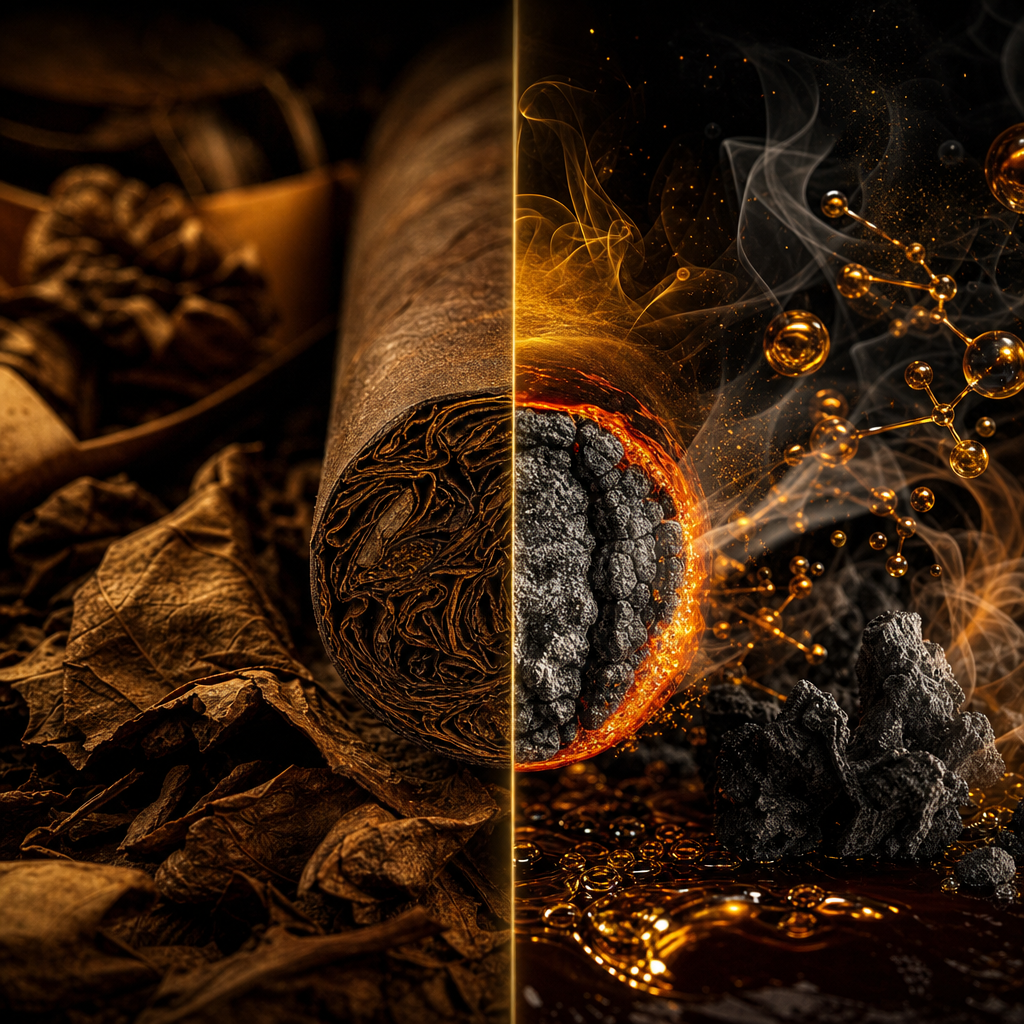
Many beginners categorize "sweet, woody, leathery, nutty" all as flavors, but strictly speaking, the tongue can directly recognize mainly sweet, sour, bitter, salty, umami, and pungent sensations; the truly rich layers of cigars mostly come from nasal olfaction and oral tactile sensation. Take the Cuban Cohiba Siglo VI as an example, its 52 ring gauge and 150 mm size allow for relatively stable smoke temperature, with the front often described as having hay, honey, and creamy notes, and the middle possibly showing cedar, coffee, and a hint of spice; these are not "tasted" by the tongue alone, but recognized by the olfactory nerves when volatile aromatic molecules in the smoke enter the nasal cavity. Conversely, if you find a cigar "spicy," it often relates to smoke temperature, puff frequency, ammonia content in the tobacco, and the burning state of the wrapper, not necessarily indicating a lack of flavor. During practice, you can divide your perceptions into three columns: nasal aroma, tongue taste, and oral tactile sensation. The former records woody, floral, cocoa; the middle records sweetness, bitterness, acidity; the latter records oiliness, dryness, spiciness, and smoke body thickness. When you start layered recording, you'll find that "aroma analysis" is not a pile of adjectives but a set of sensory language that can be repeatedly verified.
From Ignition to the First Three Puffs: Key Timeline for Aroma Interpretation
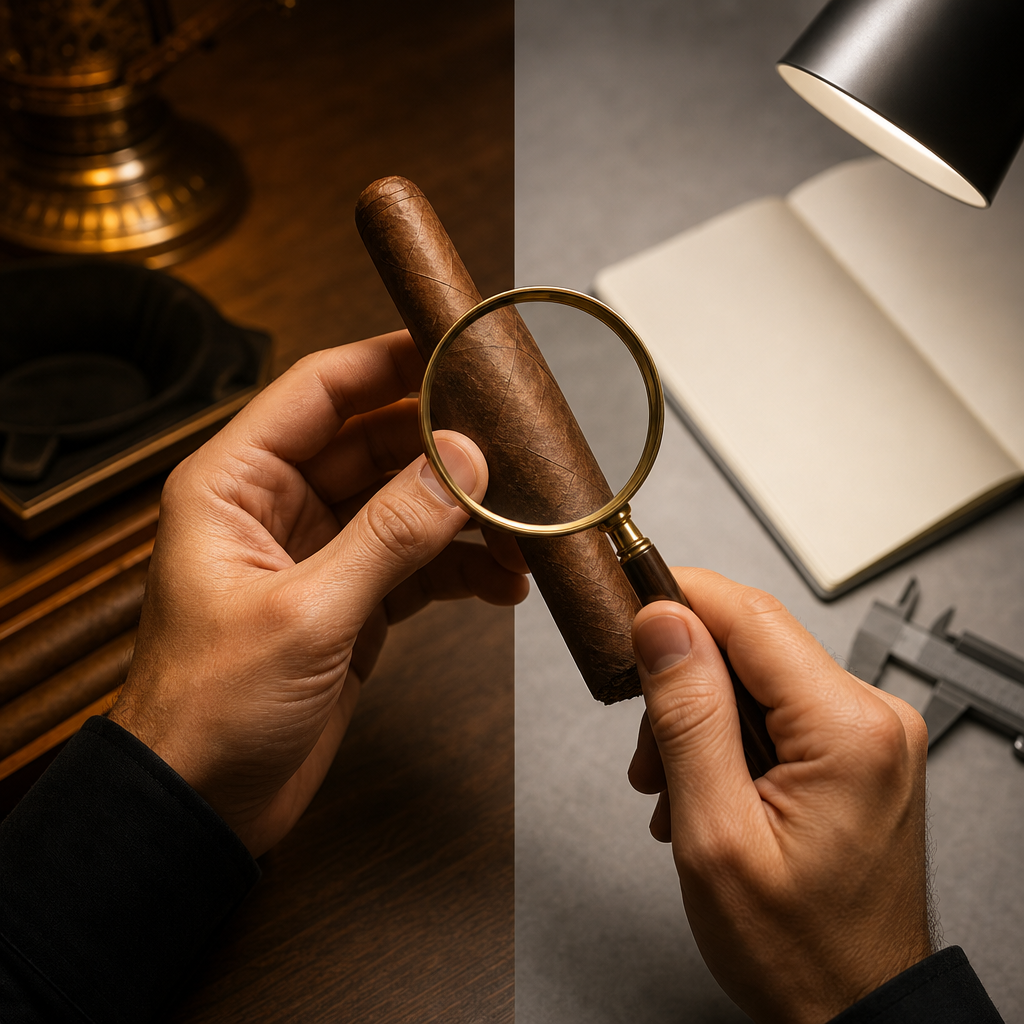
The aroma changes of a cigar can often be divided into six stages: cold smell, cold draw, the first three puffs after ignition, the front, middle, and end sections. Cold smell is smelling the foot and wrapper before lighting, often revealing barn, hay, wooden box, cocoa powder, or slight ammonia notes; cold draw is lightly drawing air without lighting after cutting, observing airflow resistance and sweetness in an unburned state. Take Partagás Serie D No.4, a 124 mm, 50 ring gauge Robusto as an example, if stored at 18 to 20°C, relative humidity 65% to 69% for about 60 days before enjoying, the cold draw may have earthy, black pepper, and dry wood notes; the first three puffs after lighting should not be hastily concluded, as the initial 2 to 3 minutes often mix flame, foot carbonization, and instant combustion of the wrapper. A more reliable interpretation point is after burning about 5 to 8 mm, when smoke temperature drops, the burn line stabilizes, and the aroma gradually becomes clear. Beginners can use 60 to 90 seconds per puff as a baseline; too fast will let bitterness and spiciness overshadow the aroma, too slow may require repeated relighting, causing carbon flavor. If the middle section shows coffee, leather, roasted nuts, and the end turns into concentrated cocoa, black pepper, and mineral notes, this is the result of burning, tar accumulation, and tobacco blend progression, not just "getting heavier" as you smoke.
Build Your Own Cigar Aroma Wheel: Start Training with 8 Categories
The biggest fear in aroma recognition is two situations: one is only saying "smooth, fragrant, intense"; the other is using sophisticated vocabulary that cannot be reproduced in the next cigar judgment. It is recommended to first establish an 8-category aroma wheel: woody, herbal, floral-fruity, sweet, nutty, roasted, earthy, spicy. Each time you record, don't strive to write 30 adjectives at once, but first locate the category, then add details. For example, if you smell woody, the next step is to distinguish whether it's fresh cedar, old wooden box, pencil wood, or oak barrel; if you smell sweet, then distinguish whether it's honey, caramel, brown sugar, vanilla, or raisins. Below is a training table that beginners can directly use, paired with 2 to 3 times short practice per week, noticeable progress can be seen in about 4 weeks.
| Aroma Category | Common Descriptions | Materials for Home Practice | Common Positions in Cigars |
|---|---|---|---|
| Woody | Cedar, pencil wood, wooden box | Cedar chips, pencil shavings | Front to middle |
| Herbal | Hay, tea leaves, grass | Dry hay, oolong tea leaves | Cold smell and front |
| Sweet | Honey, caramel, brown sugar | Honey, roasted sugar, brown sugar | Front and middle |
| Nutty | Almond, walnut, hazelnut | Unsalted nuts | Middle |
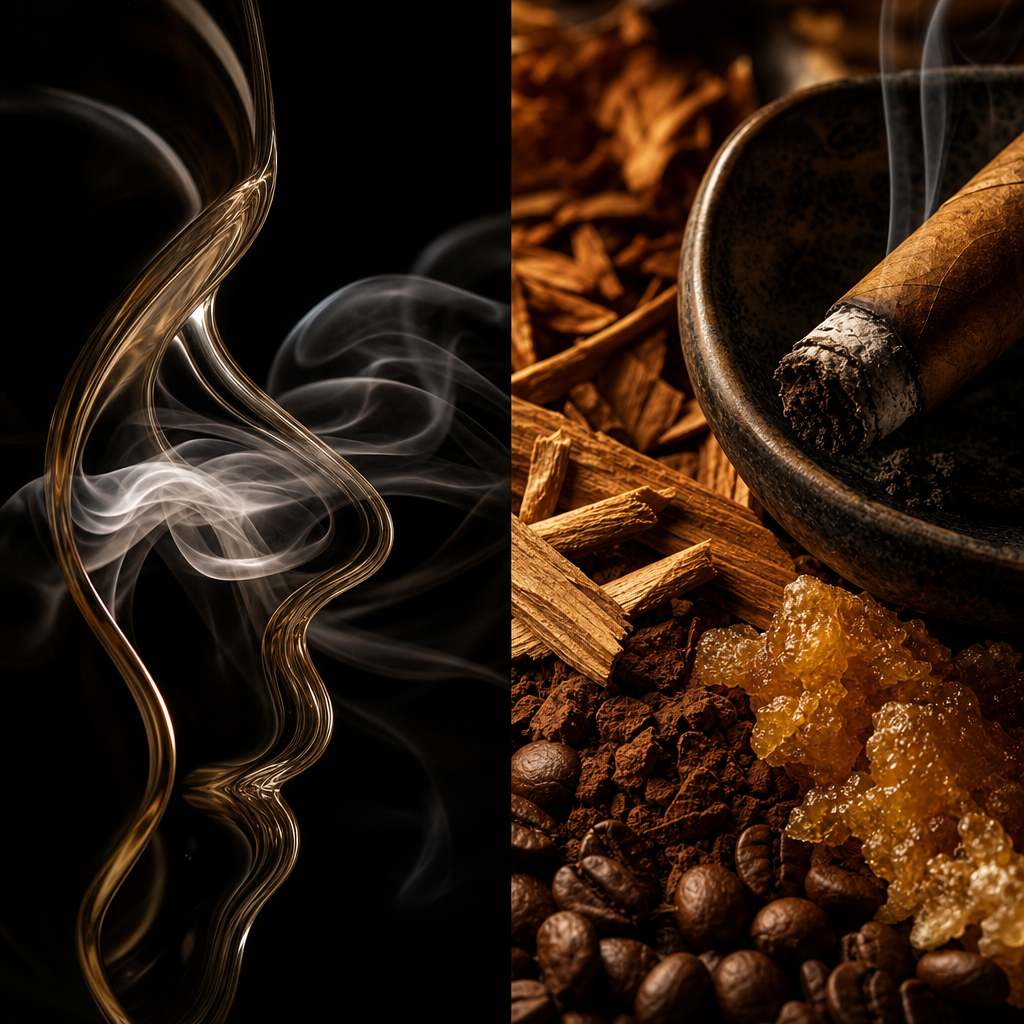
| Roasted | Coffee, cocoa, toast | Coffee beans, cocoa powder | Middle to end |
| Earthy | Earth, mineral, wet stone | Post-rain earth, clay cup | Middle to end |
| Spicy | Pepper, cinnamon, clove | Black pepper, cinnamon stick | After lighting and end |
The purpose of this table is not to fix cigars into textbook answers but to train your olfactory memory. When you next encounter the cocoa and coffee of Montecristo No.2, or the floral and gentle sweetness of Romeo y Julieta Wide Churchills, you can more systematically articulate the differences.
Brand, Year, and Region: Why the Same Cigar Can Be Different
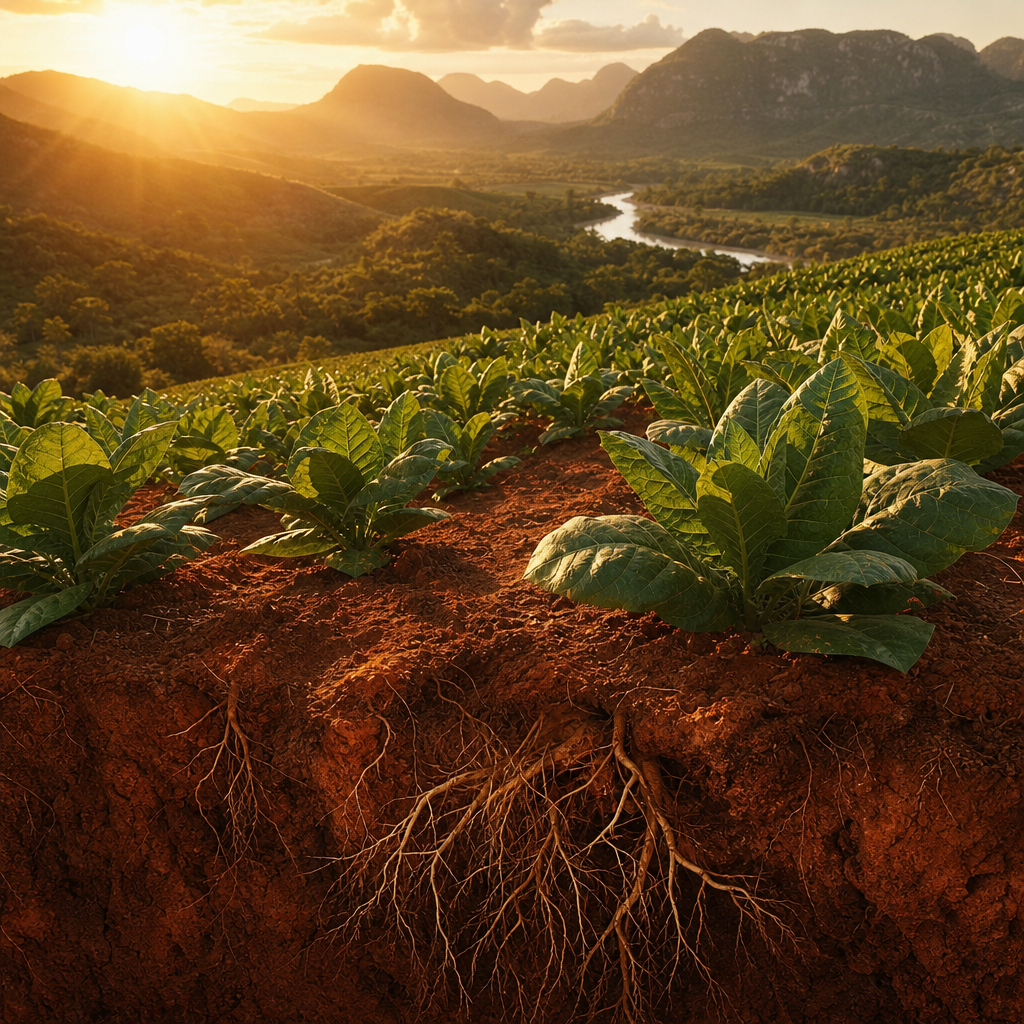
Cigar aroma is not determined solely by brand name, but also influenced by year batch, regional tobacco, aging time, size structure, and storage conditions. For Cuban cigars, the Pinar del Río region, especially Vuelta Abajo, has long been considered a high-quality source, but even the same H. Upmann Magnum 46 can vary between different box numbers and production years. Between 2014 and 2016, many enthusiasts discussed certain batches of H. Upmann showing clearer cream, nut, and tea notes; while younger boxes sometimes have green herbal, ammonia, or sharper spicy notes. Non-Cuban cigars are also great materials for aroma training, such as Padrón 1964 Anniversary Series commonly showing cocoa, coffee, black pepper, and rich sweetness; Arturo Fuente Hemingway series, due to its Perfecto shape, has a small burning area in the front, with aroma often evolving from light woody to creamy and spicy. Davidoff Nicaragua allows beginners to experience the mineral, spicy, and clean woody notes of Nicaraguan tobacco. Comparing 3 different brands under the same humidity and similar size builds judgment better than simply chasing fame. As for the value discussion brought by collection or vintage, it must be viewed rationally: collection appreciation does not guarantee appreciation, still depends on source preservation and market, aroma quality will not automatically improve just because of the vintage number.
Humidity, Cut, and Puff Rhythm: Three Variables That Amplify Aroma
The same cigar, if stored and handled differently, can have vastly different aromas. Generally, long-term storage is recommended at 16 to 20°C, relative humidity 65% to 70%; if humidity is as high as 72% or above, the smoke may become stuffy, burn line fluctuates, bitterness becomes apparent, woody and sweet aromas are easily masked by dampness. If below 62%, it may burn too fast, smoke becomes hot, floral and creamy notes are lost, the end becomes rougher. The cut also affects aroma presentation, a straight cut has a large opening, ample smoke but if drawn too quickly, temperature rises fast; V cut can concentrate smoke, often making sweetness and spice more pronounced; a punch cut is more conservative, suitable for larger ring gauge cigars, but if tar accumulates on the cap, it may lead to concentrated bitterness in the end. Puff rhythm is the third key. For a 50 ring gauge Robusto, 60 to 90 seconds per puff usually maintains aroma stability; Churchill or Double Corona can extend to 90 to 120 seconds per puff. Each puff stays in the mouth for about 2 to 4 seconds, allowing the smoke to gently cover the tongue, then naturally exhale, and then use the nasal cavity to sense the residual aroma. Remember not to chase concentration by rapid consecutive puffs, as high temperatures can turn cedar, honey, and cream into charred wood, bitter coffee, and pungent spiciness, which is not the layer cigars truly want to express.
Olfactory Training and Note-taking: Establish Repeatable Judgment in 4 Weeks
To enhance aroma recognition, it's not necessary to consume a large number of cigars, but rather to refine daily olfactory training. In the first week, only practice woody and herbal, smell cedar chips, dry tea leaves, hay, paper boxes, each for 20 seconds, close your eyes and describe three words; in the second week, add sweet and roasted, like honey, brown sugar, coffee beans, cocoa powder, record whether they are bright, heavy, dry, or sticky; in the third week, add nuts, leather, spices, like almonds, walnuts, black pepper, cinnamon, old leather items; in the fourth week, link these materials with actual cigar notes. Note format is recommended to be fixed as: date, cigar name, size, box number or year, storage humidity, lighting method, front-middle-end aroma, smoke body strength, aftertaste length, burn status. Scores don't need to be complex, use 1 to 5 points to record sweetness, woody, spicy, balance, and aftertaste. For example, if you record a Bolívar Royal Corona in 2023, write "wet earth, woody, black pepper 2/5" for the front, "coffee, leather, cocoa, smoke body 4/5" for the middle, "spicy rises, sweetness declines" for the end, and when you look back half a year later, you'll know if you were just influenced by brand impression. A truly mature cigar note is not written like poetry, but allows you to more accurately predict preferences, adjust storage, and read aroma with a stable method next time.
Frequently Asked Questions
1. Why can I only smell smoke, not woody, cocoa, or floral notes?
This is very normal, especially when starting training, the brain will first categorize all burning smells as "smoke." It is recommended to first reduce environmental interference, avoid perfume, heavy oil meals, and strong alcohol influence, and slow down the puff rhythm to 60 to 90 seconds per puff. Don't rush to find complex vocabulary, first determine if it's dry, sweet, bitter, spicy, thick, or thin, then slowly subdivide into cedar, coffee, or nuts.
2. Is nasal exhalation a must-learn?
Nasal sensation can help recognize aroma, but don't force it. Beginners can first practice with "small amount, low pressure, short time": leave a bit of smoke in the mouth, not inhaling into the lungs, gently let a small amount of smoke exit through the nasal cavity. If it feels irritating, tearful, or uncomfortable, stop, switch to smelling the residual aroma in the air after exhaling, which can also train the sense of smell.
3. Is a stronger cigar always better in aroma?
Not necessarily. Strength refers to smoke body, nicotine sensation, spiciness, and oral weight, while aroma quality looks at layers, balance, cleanliness, and variation. Some medium-bodied Hoyo de Monterrey or Davidoff series have very high aroma delicacy; some high-strength cigars, if stored too wet or smoked too fast, may only have spiciness and bitterness left.
4. Will pairing with coffee or spirits affect judgment?
Yes. Black coffee can amplify cocoa, roasted, and bitter notes; rum may enhance caramel, vanilla, and sweet aromas; peaty whiskey may cover delicate floral notes. If the purpose is learning, it's recommended to drink only room temperature water for the first 15 minutes, first record the original aroma, then add beverages to observe changes, so you know if the pairing adds or masks.
5. Is the aroma of older cigars always better?
Not necessarily. Aging can reduce some spiciness, ammonia, and roughness, and may allow woody, leather, honey, and dried fruit to blend more; but if the source is unclear, humidity out of control, or affected by high temperature or pests, even long-aged cigars may lose vitality. Judging old cigars requires looking at wrapper oil, elasticity, aroma cleanliness, and burn performance, not just the vintage label.
6. What size should beginners choose for aroma training?
It's recommended to start with Robusto, Corona Gorda, or Toro, with a duration of about 45 to 75 minutes, stable burn and not too long. Too small a size can make smoke hot, too large a size requires longer focus. Comparing 3 similar-sized, different-style cigars is more effective than trying many types at once.
The charm of cigars lies not in describing every puff with flowery language, but in quietly establishing your own sensory order. When you can distinguish nasal aroma, tongue taste, and oral tactile sensation, you won't be led by brand reputation or others' comments. Remember, rhythm is more important than force, preservation is more important than imagination, honest notes are more important than boastful vocabulary. Aroma is ultimately a moment where time, land, craftsmanship, and personal state intersect, knowing how to slow down is the only way to truly read it. —Cigar Prince Wilson Tsai
Smoking is harmful to health. No smoking under the age of twenty. Quitline: 0800-636363. This article is intended for adults over the age of twenty as a reference for cigar culture, preservation, and regulations, not as an advertisement, promotion, or purchase suggestion.