The Perfect Pairing of Cigars and Spirits: Exploring the Depth and Subtlety of Flavors
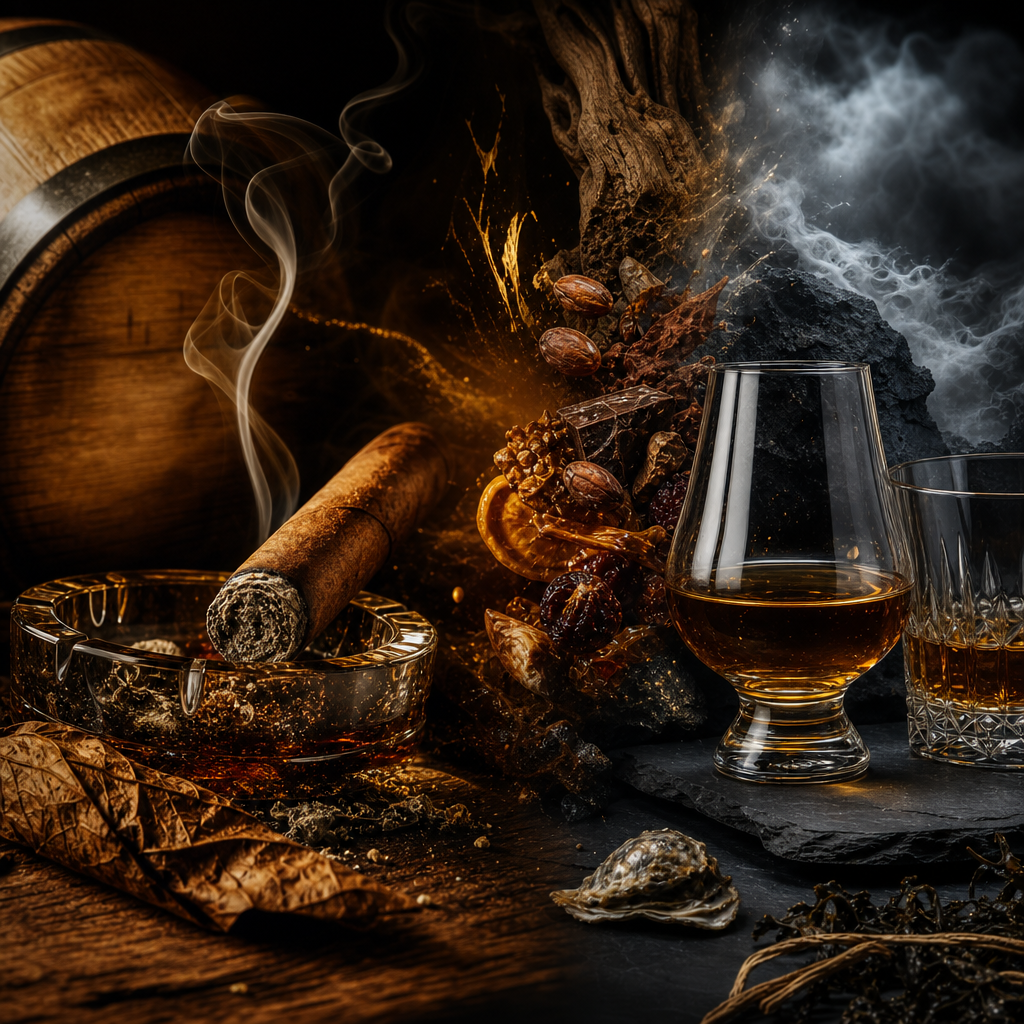
The Perfect Pairing of Cigars and Spirits: Exploring the Depth and Subtlety of Flavors
As the editor of "Cigar Bible," I often view the pairing of cigars and spirits as a "dual concerto": it's not about one overpowering the other, but rather establishing an order of woodiness, oiliness, sweetness, spiciness, saltiness, and alcohol sensation in the mouth. What seasoned enthusiasts truly pursue is not novelty, but repeatable, explainable, and adjustable depth.
This article will not discuss the entry-level "just like it" approach, but instead analyze different spirits like whiskey, brandy, and rum in terms of brand, vintage, alcohol concentration, cigar size, and burning rhythm. If you already have preferences for Cohiba, Partagás, Padrón, Davidoff, or Arturo Fuente, the following will be closer to an advanced operation manual.
The Underlying Logic of Pairing: Strength, Sweetness, and Length of Finish
When pairing cigars and spirits, the first layer is not brand reputation but strength matching. Take Partagás Serie D No.4, a robusto with medium-high concentration and noticeable pepper and leather notes, for example. If paired with a 40% ABV, lighter-tasting blended whiskey, the cigar can easily overshadow the aroma of the drink; conversely, the peat, iodine, and smoky notes of Lagavulin 16 years might cover the creaminess and floral notes of Hoyo de Monterrey Epicure No.2.
A truly stable pairing must first align the concentration of the cigar with the weight of the spirit. I categorize cigars into four levels: light-medium, medium, medium-high, and heavy, and then match them with the body of the spirit: low peat high fruitiness, high sherry cask sweetness, the raisin and oak of cognac, and the molasses and spices of rum. This is more reliable than simply saying "Cuban with cognac" or "Nicaraguan with bourbon."
The second layer is the exchange of sweetness and bitterness. Padrón 1964 Anniversary Maduro often features cocoa, coffee, brown sugar, and nuts, and when paired with a sherry cask whiskey like GlenDronach 15 Revival, the sweetness can mutually enhance. However, if the cigar already has a heavy dark chocolate bitterness and the drink is too sweet, the latter part may become cloying. Seasoned enthusiasts should observe not how impressive the first sip is, but whether it remains clear, clean, and layered twenty minutes into the middle section.
Whiskey: The Three Routes of Peat, Sherry Cask, and Bourbon Cask
The most fascinating aspect of pairing whiskey with cigars is the subtle divergence that cask type and smokiness can create. Macallan 18 Sherry Oak often features dried fruit, orange peel, cinnamon, and oak sweetness, suitable for cigars like Cohiba Siglo VI or Trinidad Fundadores, which have creamy, grassy, honey, and delicate spicy notes. It doesn't rely on alcohol impact but uses the roundness of the sherry cask to connect the grain sweetness in the front section of the cigar with the woodiness in the back.
If taking the peat route, Lagavulin 16, Ardbeg Uigeadail, or Laphroaig 10 years should be used cautiously. The strong iodine, sea breeze, herbal, and tar notes of these whiskies are more suitable for pairing with Partagás Serie P No.2, Bolívar Belicosos Finos, or Liga Privada No.9. Peated whiskey can be paired with Cuban cigars, but it requires a thick, salty, and leathery style; otherwise, the details will be overshadowed by the smokiness.
Single malt whiskies from bourbon casks or bourbon whiskies are suitable for cigars with vanilla, coconut, corn sweetness, and toasted wood aromas. Highland Park 18 balances honey, smoke, and spices, suitable for Romeo y Julieta Churchill; Maker’s Mark or Woodford Reserve Double Oaked can support the spiciness and sweet wood of Arturo Fuente OpusX. If the alcohol concentration exceeds 50% ABV, I would add 2 to 4 drops of room temperature water to reduce the burning sensation, allowing the cigar aroma not to be cut off by the alcohol.
Brandy and Cognac: The Intersection of Raisins, Oak, and Cigar Oiliness
The classic feel of cognac and cigars comes from the dried fruit, floral, and oak tannins of distilled wine. Hennessy XO, Rémy Martin XO, Martell Cordon Bleu, and Frapin Château Fontpinot XO are types that can converse with medium-high concentration cigars. For Montecristo No.2, its cocoa, coffee, nuts, and light soil notes, when encountering the candied orange peel and raisins of XO cognac, make the middle section smoother.
Brandy is best at handling the "oiliness" of cigars, especially those with longer sizes and burning times exceeding seventy minutes. For example, H. Upmann Magnum 46 or Sir Winston, with biscuit, cream, and wood in the front section, can be paired with a delicate cognac like Frapin XO, allowing the floral notes of the drink to parallel the hay aroma of the cigar; if replaced with an overly sweet liqueur, that elegance would turn into a monotonous sweetness.
A simple comparison can be made as follows:
| Spirit Type | Representative Drink | Suitable Cigar | Flavor Interaction Focus |
|---|---|---|---|
| XO Cognac | Rémy Martin XO | Montecristo No.2 | Dried fruit enhances cocoa and nuts |
| Delicate Cognac | Frapin XO | H. Upmann Magnum 46 | Floral connects cream and wood |
| Armagnac | Delord 25 years | Partagás Lusitanias | Leather, prune, and spice deepen |
| Apple Brandy | Calvados 15 years | Davidoff Grand Cru | Apple acidity modifies creaminess |
Rum: Molasses Sweetness Isn't Always Better
Rum is often misunderstood as "sweet is good to pair," but seasoned enthusiasts know that the real key is the source of sweetness. Ron Zacapa 23 often has caramel, vanilla, dried banana, and oak, which can amplify the smoothness of cigars like Romeo y Julieta Short Churchill or Hoyo Epicure Especial; Diplomático Reserva Exclusiva has a heavier sweetness, and if paired with Maduro-wrapped cigars, caution is needed to avoid a syrupy sensation in the latter part.
When pairing rum with cigars, the sweetness should support the spiciness, not glue all the details together. Appleton Estate 12 years and 21 years have the ester aroma, ripe fruit, oak, and slight astringency of Jamaican rum, making them very suitable for Padrón 1926 Serie No.9 Maduro, as they can cut through the thickness of cocoa and coffee without leaving only sweetness. Foursquare Exceptional Cask Selection, such as the 2009 or 2010 bottlings, often have higher alcohol concentration and clean cask aroma, which can also correspond to high-concentration Nicaraguan cigars.
Cuban rum like Havana Club Selección de Maestros has a natural geographical and flavor connection with Cohiba Robustos or Partagás Serie D No.4. The former's woodiness, citrus peel, and molasses can extend the grass, honey, and toasted grain of Cohiba; if paired with Partagás, it will create a deeper finish of soil, pepper, and leather. If the cigar has been aged for many years and the stimulation has decreased, the rum should be drier to avoid overly softening the aroma.
Tasting Process: Temperature, Glassware, Rhythm, and Oral Cleansing
The biggest fear in advanced pairing is the lack of process, as the first sip can easily be swayed by emotions. I usually control the spirit temperature between 18 to 22°C, cognac can be slightly higher, while whiskey and high-alcohol rum should not be too warm. In terms of glassware, Glencairn is suitable for whiskey, tulip glasses for cognac and Armagnac, and if the rum's alcohol exceeds 50% ABV, a closed-mouth glass is recommended to avoid alcohol rushing straight to the nose.
My basic sequence is to first smell the cold aroma of the cigar, then the drink, and not rush to drink the spirit in the first five minutes after lighting, allowing the cigar to establish a baseline. Then, take three sips as a group: one puff of the cigar, a small sip of the drink, and then another puff of the cigar, recording the changes. If the second puff of the cigar becomes sweeter, longer, and clearer, the pairing is successful; if it becomes bitter, spicy, or flat, it's usually due to too high alcohol, too much sweetness, or the body and cigar strength not being on the same level.
You can check with the following four steps:
- Early stage 0 to 15 minutes: See if the drink amplifies the original aroma of the cigar rather than creating noise.
- Middle stage 15 to 45 minutes: Observe if the balance of sweet, bitter, and spicy is maintained, which is the core of pairing success or failure.
- Late stage after 45 minutes: Pay attention to whether the tar sensation and alcohol sensation amplify each other.
- 10 minutes after finishing: Determine if the oral finish is clean, sweet, woody, or murky, burning, sticky.
Brand Cases: Practical Combinations from Cohiba to Padrón
Cohiba Siglo VI and Yamazaki 12 years is a delicate pairing I really like. The herbal, honey, cream, and light bean aroma of Siglo VI, when encountering the pear, white flower, coconut, and Japanese oak aroma of Yamazaki 12 years, will be very refreshing in the early stage, gradually appearing honey toast sensation in the middle stage. This combination does not win by concentration but by cleanliness and extensibility, suitable for cigars with stable condition and humidity control around 65% to 68%.
Partagás Serie D No.4 can be paired with Highland Park 18 or Delord Bas-Armagnac 25 years. The former connects the pepper and leather of Partagás with honey, light smoke, and spices; the latter uses prune, oak, and the thickness of old wine to suppress the power of the middle and late stages of the cigar. The key to pairing Partagás types is to find the "outlet for saltiness and spiciness," not just to cover it with sweet wine.
In terms of new world cigars, Padrón 1964 Anniversary Maduro paired with GlenDronach 15 Revival is very suitable for cocoa, coffee, and brown sugar lovers; Arturo Fuente OpusX PerfecXion No.2 can be paired with Foursquare 2009, allowing the spiciness, sweet wood, and the clean power of high-alcohol rum to parallel; Davidoff Nicaragua Toro can be paired with Appleton Estate 12 years, establishing a bright contrast between the coffee, white pepper, and ripe fruit aroma of Nicaraguan cigars and rum. The common point of these combinations is not to take "intensity" as the only value, but to allow the layers to have ups and downs.
Aging, Humidity, and Vintage: Confirm the Cigar's Condition Before Pairing
The same cigar, with different storage conditions, will completely change the pairing answer. Take Montecristo No.2 as an example, if the humidity is above 72% for a long time, the burning is slow, and the smoke becomes heavy, it is easy to appear stuffy sweet when paired with cognac; if it is below 62% for a long time, the outer layer is crisp, and the spiciness increases, it will appear sharp when paired with high-alcohol whiskey. I usually recommend stabilizing at 65% to 69% RH, temperature around 18 to 21°C, and letting the cigar rest for several weeks before making a serious comparison.
Vintage is not a myth; the value of aging lies in reducing edges and extending the finish, but the premise is that the source and storage must be credible. For example, H. Upmann Magnum 46 boxed around 2017, if well preserved, often has more biscuit, tea sensation, and creamy texture than younger versions, and will be more delicate with Frapin XO; but if not well preserved, even if the vintage is beautiful, it may only have wood flavor and flat sweetness left.
When it comes to collection and market, one must be calm: rare boxed, discontinued models, and specific vintages may indeed receive attention, but collection appreciation does not equal guaranteed appreciation, still depending on source preservation and market. For pairing, I value "current state" more than label vintage. Seasoned enthusiasts can establish their own record sheets, noting box code year, humidity, lighting time, pairing drink, ABV, glass type, and three-stage changes; accumulating more than twenty times will reveal a stable trajectory of personal taste.
Common Questions
There is no universal formula for pairing, but there is a verifiable method: first compare strength, then look at sweet-bitter balance, and finally see if the middle and late stages are clean.
Will adding ice to whiskey ruin the cigar pairing?
Not necessarily, but ice will quickly suppress the aroma and thin the body. If it's a detail-focused whiskey like Macallan 18 or Yamazaki 12, I tend not to add ice; if it's high-alcohol bourbon or cask-strength whiskey, a small amount of room temperature water can be used for adjustment, which is more precise than large ice cubes.
Does a stronger cigar mean it needs a stronger drink?
Not entirely. Strength needs to match, but alcohol sensation does not equal body. A 54% ABV drink, if clean in structure, may pair better than a 40% but sweet and cloying drink. The key is whether the drink can carry the spiciness, oiliness, and finish of the cigar, not just using stimulation to counter stimulation.
Is XO cognac always more suitable for cigars than VSOP?
Not necessarily. XO usually has deeper dried fruit, oak, and spice, suitable for medium-high concentration cigars; but a quality VSOP, if bright in floral and clean in body, may pair more lightly with Davidoff Grand Cru or Hoyo Epicure No.2. The focus is on style, not just grade.
How to adjust if rum is too sweet?
You can switch to drier Jamaican or Barbadian rum, such as Appleton Estate 12 years or the Foursquare series; or switch the cigar to a Nicaraguan style with more pronounced spiciness. If the cigar itself is Maduro and the drink has a heavy molasses sensation, the latter part often becomes sticky.
Can the same cigar be paired with two types of drinks for comparison?
Yes, but there should be an order. It is recommended to start with the lighter-bodied and less sweet one, then switch to the heavier one; rinse the mouth with room temperature water in between, with at least a 3 to 5-minute interval. If you start with peated or high-alcohol rum, the delicate cognac that follows is likely to be overshadowed.
Is it necessary to record pairing notes?
Seasoned enthusiasts find it very worthwhile. At least note the cigar brand, size, storage humidity, drink, vintage or age, ABV, glass type, and changes in the early, middle, and late stages. Looking back three months later, you will find that what you truly prefer is not a specific brand, but a certain flavor structure.
—Cigar Prince Wilson Tsai
I have always believed that the most fascinating aspect of cigars and spirits is not putting two expensive names together, but using time, taste, and records to find an order that you can repeatedly confirm. A good pairing will make the cigar more three-dimensional and the drink more contoured; a bad pairing reminds us that concentration, sweetness, temperature, and storage conditions cannot be neglected. The taste of a seasoned enthusiast is often not more flamboyant, but more precise.
Smoking is harmful to health.
Under 20 years old is not allowed to smoke.
Quit smoking hotline: 0800-636363.
This article is only for adults over 20 years old as a reference for cigar culture, preservation, and regulatory knowledge, not a tobacco advertisement, promotion, or purchase suggestion.