The Dualism of the Cigar World
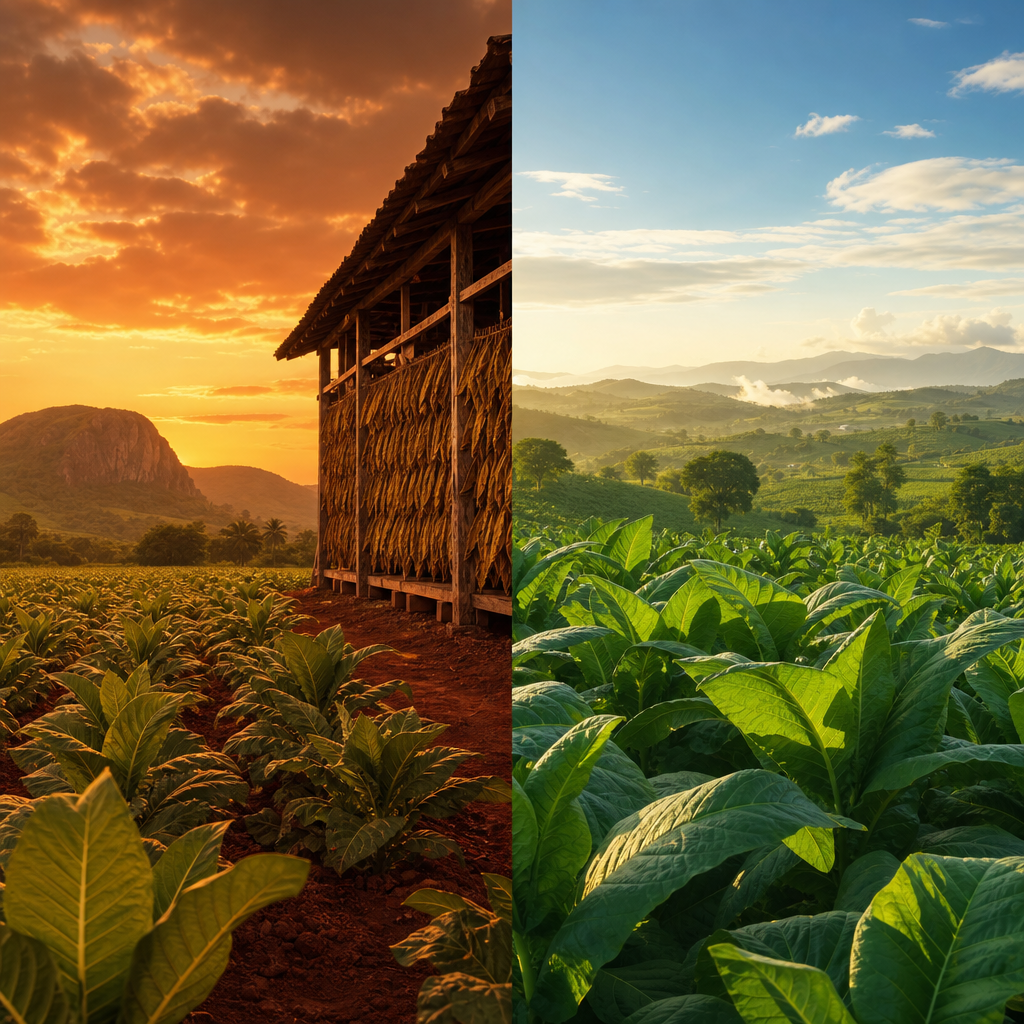
The Dualism of the Cigar World
Beginners most often ask: "Which is better, Cuban cigars or non-Cuban cigars?"
Answer: The question itself is wrong.
The correct question is: "What kind of cigar experience do I want today?"
| Dimension | Cuba | Non-Cuban (Dominican Republic + Nicaragua + Honduras) |
|---|---|---|
| History | 534 years of continuous tradition | Mostly continued by exile families after 1959 |
| Tobacco origin | Single region: Vuelta Abajo | Multi-origin blends (Connecticut, Ecuador, DR, Nica) |
| Flavor spectrum | More singular, more classical, more earthy | Diverse, modern, innovative |
| Strength | Medium to medium-full | From mild to full strength |
| Average price | Higher (NT$300-3,000/cigar) | Wider range (NT$100-5,000/cigar) |
| Quality consistency | Unified factories, greater variation | Multiple families, each with its own quality control |
| Availability | Limited by Habanos quotas | Easier to obtain |
Core Characteristics of Cuban Cigars
Flavor Keywords
- Earthy - the distinctive taste of Cuba's Vuelta Abajo red soil
- Leather - a leathery character from years of aging
- Hay - a typical Cuban flavor
- Creamy floral notes - elegant-style Cuban cigars (Hoyo de Monterrey, Romeo y Julieta)
- Spicy pepper - the core of Cohiba and Partagás
Craft Characteristics
- Three-leaf blending technique: Volado (lower priming) + Seco (middle priming) + Ligero (top priming)
- Vuelta Abajo red-soil tobacco: one of the world's top tobacco-growing regions
- 18-24 months of mandatory aging: a required process for all Habanos before leaving the factory
When to Choose Cuban
- When you want to experience the "most classical cigar"
- When you want to feel the heritage of 534 years of cigar civilization
- When you want the "purity of a single soil flavor"
- When your budget allows and you have enough time (Cuban cigars are not suitable when you are in a hurry)
Core Characteristics of Non-Cuban Cigars
Flavor Keywords
- Creamy floral notes (Connecticut shade wrapper, such as Macanudo Café)
- Dark coffee (Maduro wrapper, such as Padrón Anniversary)
- Spicy pepper (Nicaraguan full strength, such as My Father, Liga Privada T52)
- Creamy cocoa (Dominican elegant style, such as Davidoff, Arturo Fuente)
- Innovative flavors (Drew Estate Liga Privada, etc.)
Craft Characteristics
- Multi-origin blending: Connecticut + Ecuador + DR + Nica + Honduras
- Innovative tobaccos: diverse wrappers such as San Andrés Maduro and Habano Oscuro
- Family manufacturing: 50+ year family dynasties such as Padrón, Fuente, and My Father
- Rapid product iteration: many new releases and limited editions every year
When to Choose Non-Cuban
- When you want to experience the "innovation of modern cigars"
- When you want a specific strength (mild entry level / full-strength peak)
- When you want the "storytelling of family narratives" (exile families, 80-year dynasties)
- When you want flexible budgets and diverse exploration
5 Key Differences
Difference 1: Exile Families vs Nationally Unified Brand Portfolio
Cuba: After the 1959 revolution, families went into exile - Cuban cigars became the nationally unified brand portfolio of Habanos S.A. (30 brands, shared factories, shared tobacco).
Non-Cuban: Exile families rebuilt in Nicaragua and the Dominican Republic - every brand is an independent family dynasty (Padrón 60 years, Fuente 110 years, My Father 18 years).
Difference 2: Single Region of Vuelta Abajo vs Multi-Origin Blending
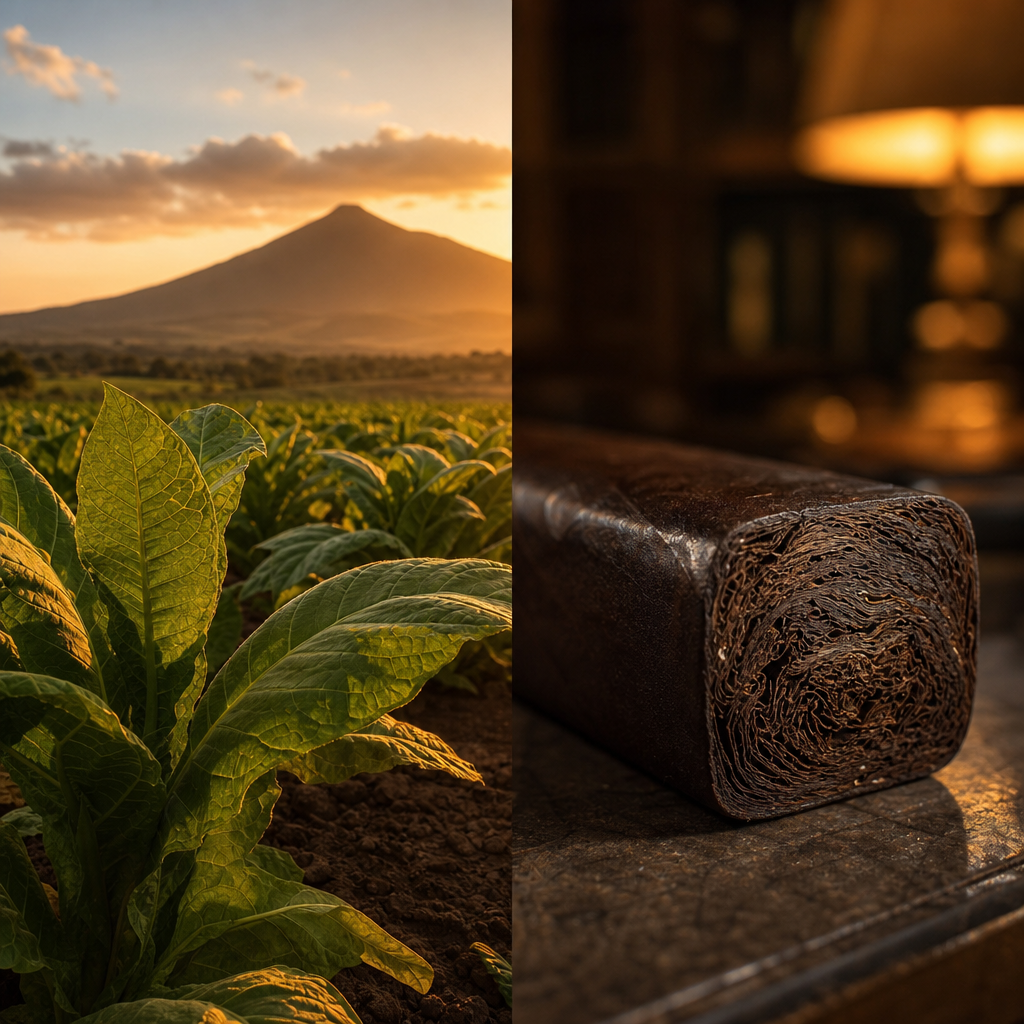
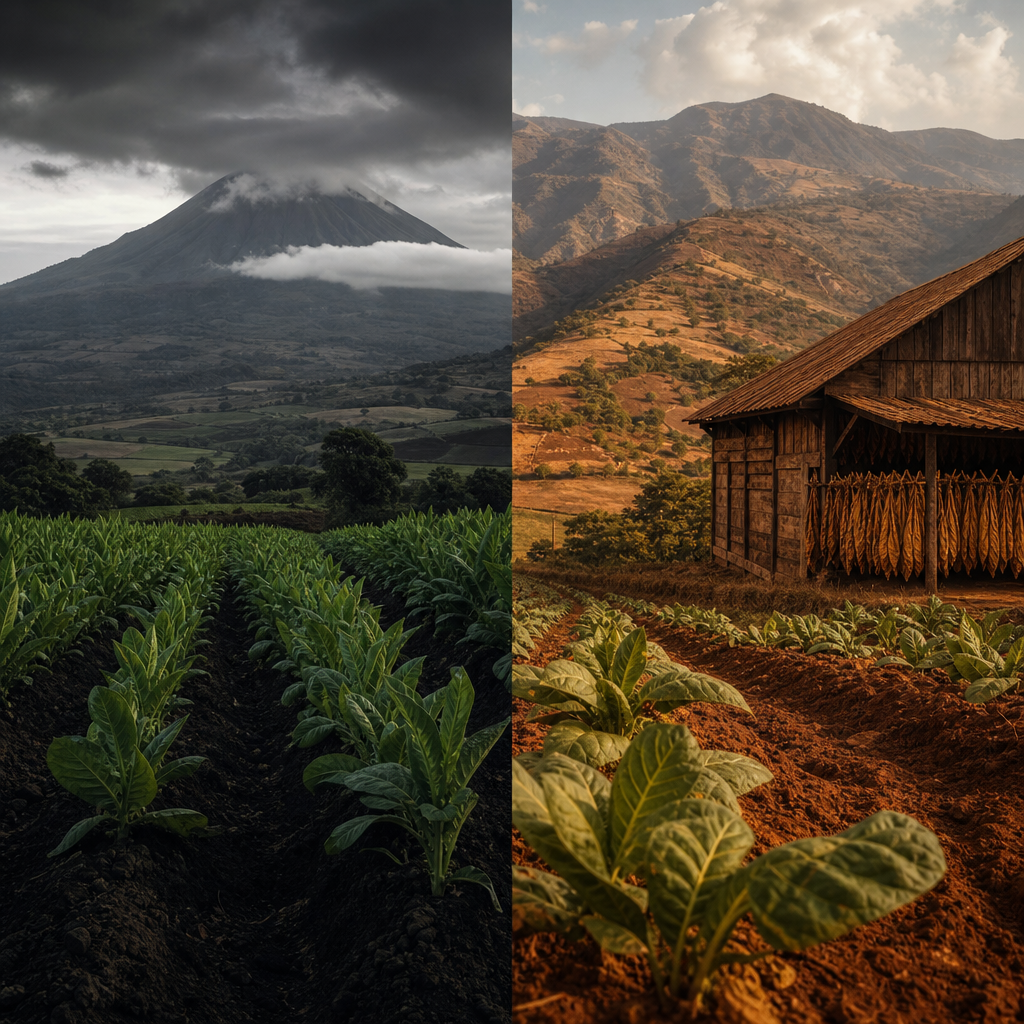
Cuba: The tobacco for all Habanos cigars comes only from Cuba's Vuelta Abajo.
Non-Cuban: Most cigars use multi-origin blend formulas (Ecuador for the wrapper, DR for the binder, Nica for the filler).
Difference 3: 18 Months of Mandatory Aging vs Each House's Own Standard
Cuba: All Habanos cigars are mandatorily aged for 18-24 months before leaving the factory.
Non-Cuban: Each house sets its own standard - some brands age for 6 months (entry-level lines), while others age for 5+ years (such as Padrón Family Reserve 1964 50 Years).
Difference 4: Quota Restrictions vs Free Market
Cuba: Each distributor has an annual Habanos quota - popular brands (Cohiba Behike, Trinidad) are often out of stock.
Non-Cuban: Free market - Padrón, Fuente, and Davidoff are usually available at any time (except limited editions).
Difference 5: Cuban Crisis vs Quality Consistency
Cuba: Memories left by the 1996-1999 Cuban Crisis - Cuban cigar quality fluctuates more, and vintages need to be selected carefully.
Non-Cuban: Family manufacturing with more stable quality - My Father and Padrón have made almost no mistakes over the years.
The Cigar Prince's Advice
First Year for Beginners (Recommended Path)
- Start with Macanudo Café (Dominican elegant entry level)
- Move on to Davidoff Aniversario or Arturo Fuente Hemingway (Dominican advanced level)
- Try one Cohiba Siglo VI (Cuban classic)
- Try one Padrón 1964 Anniversary (Nicaraguan full strength)
Advanced Players (Recommended Combination)
Keep at home: 3 Cuban + 3 non-Cuban
- Cuban: Cohiba Siglo VI, Hoyo de Monterrey Epicure No.2, Trinidad Reyes
- Non-Cuban: Padrón 1964 Anniversary, My Father Le Bijou 1922, Liga Privada T52
Veteran Players (In-Depth Experience)
Pursue limited editions:
- Cuban: Cohiba Behike, Trinidad Topes, limited-edition Edición Limitada
- Non-Cuban: Padrón Family Reserve 50 Years, Liga Privada Únicos
The Dual-Lineage Philosophy at W Cigar Bar
W Cigar Bar has Cuban cigars from the four major official channels (PCC authorized dealers, official Cuban state-run stores, Swiss general agent, Spanish general agent) - while also offering:
- The complete Cuban Habanos spectrum: 30 genuine Cuban brands
- A top non-Cuban portfolio: 30+ non-Cuban brands
We do not favor either side - we provide the complete cigar world, allowing players to explore for themselves.
You are welcome to visit W Cigar Bar Gentlemen's Cigar Lounge in Da'an District and begin your cigar exploration journey with the Cigar Prince, Wilson Tsai.