Why "3 Major"?
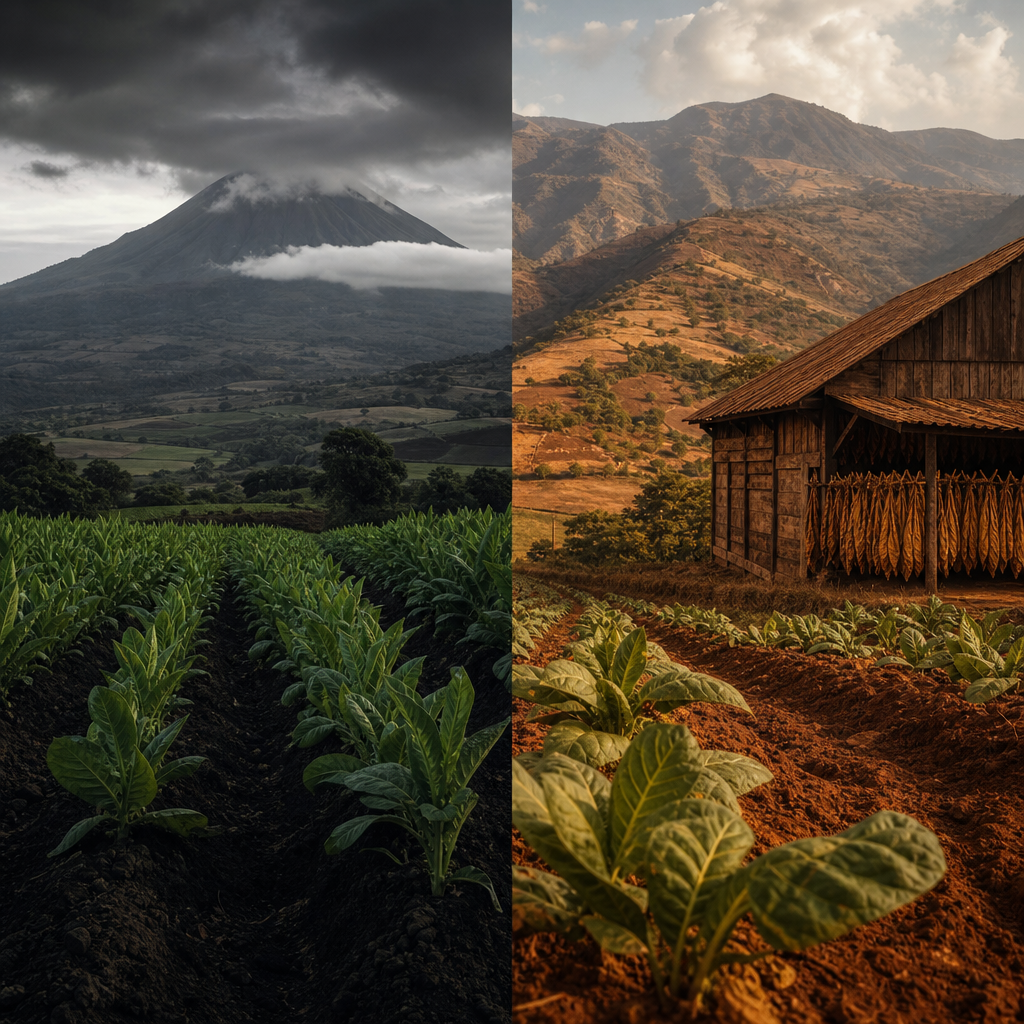
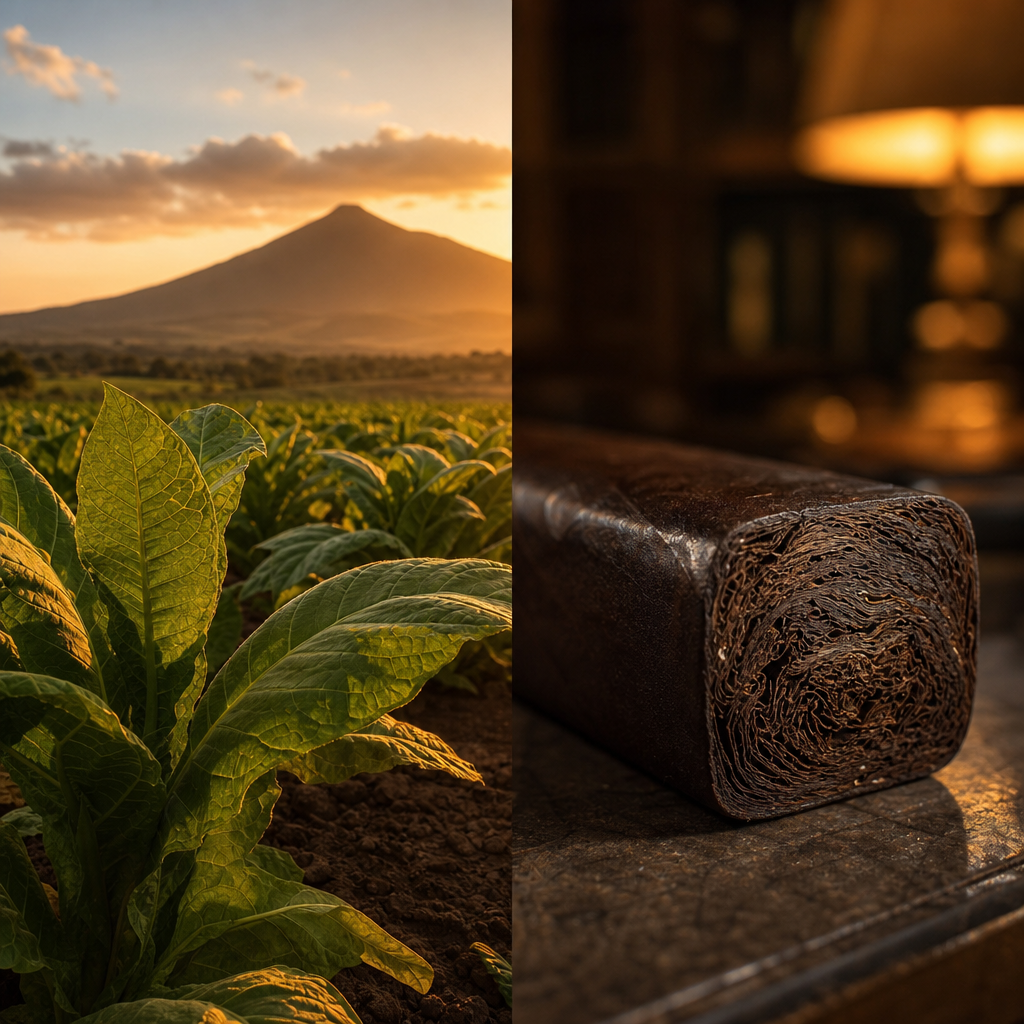
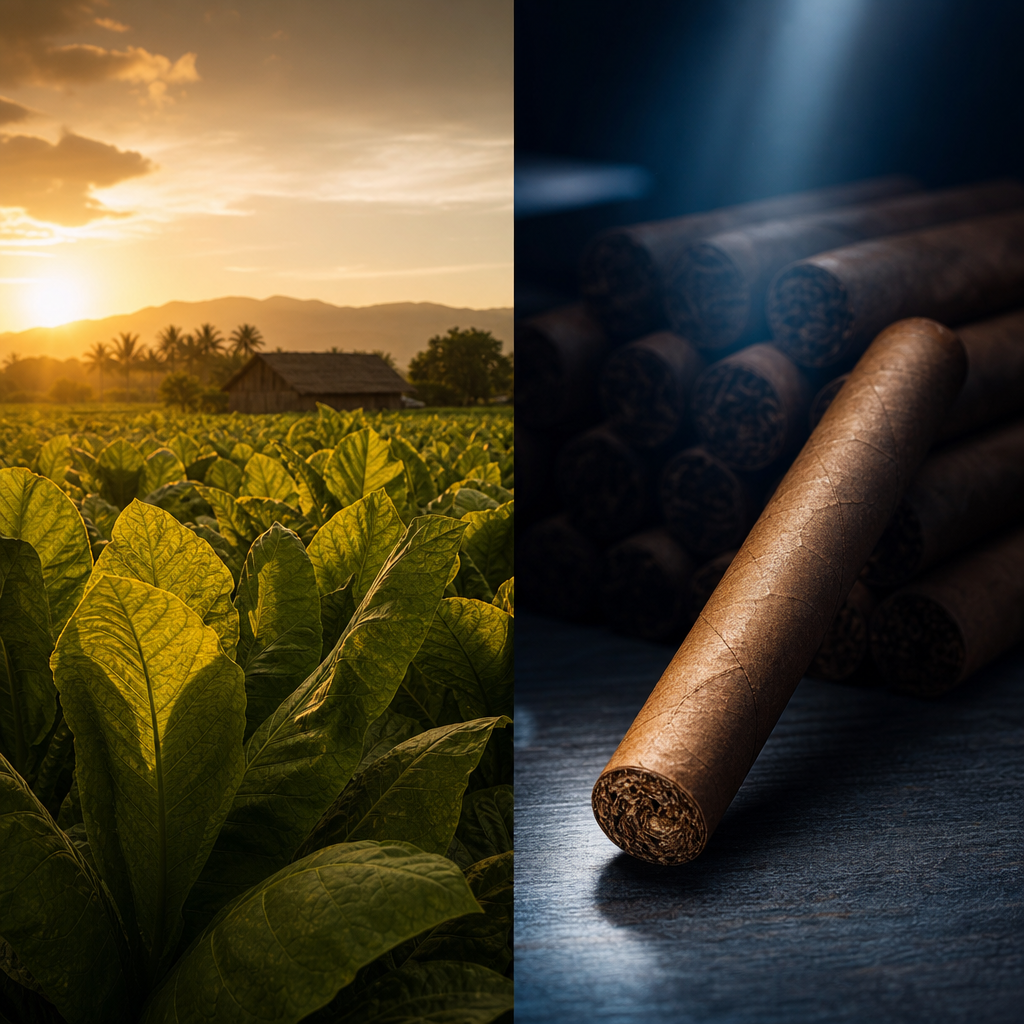
The non-Cuban cigar world has 3 major producing regions--each with its own distinctive soil, climate, and brand ecosystem.
Wilson Tsai, the Cigar Prince, uses practical experience + principles of geography to give you a complete comparison of the 3 major non-Cuban producing regions.
Why "3 Major"?
There are many non-Cuban cigar origins (Cuba, Dominican Republic, Nicaragua, Honduras, Mexico, Brazil, Indonesia...), but the high-end non-Cuban market is truly defined by 3:
- Dominican Republic (Dominican Republic)--the world's largest producer
- Nicaragua (Nicaragua)--a powerful force that has risen over the past 20 years
- Honduras (Honduras)--the home base of long-established brands
These 3 countries account for more than 90% of the global high-end non-Cuban cigar market.
1. Dominican Republic
Geography
- Located on the eastern half of Hispaniola in the Caribbean Sea (Hispaniola)
- Haiti to the west, Puerto Rico to the east
- Numerous mountain ranges and a subtropical climate
Main Tobacco-Growing Regions
Cibao Valley (largest producing region):
- Northern valley
- Red soil + volcanic ash
- Main base for Davidoff and Arturo Fuente
Yaque del Norte Valley:
- Subregion of Cibao
- River alluvial plain
- High-quality filler
El Seibo:
- Emerging producing region in the east
- Developed by Davidoff Yamasa
Soil Characteristics
- Red soil + volcanic ash mixture
- Slightly acidic
- Rich in organic matter
- Closest to Cuba's Vuelta Abajo (though the mineral composition is slightly different)
Climate
- Caribbean humidity
- Warm year-round (24-28°C)
- Rainy season from May to October, dry season from November to April
- Ideal planting period: December to March
Flavor Characteristics
- Cream, floral notes, nuts, light cocoa
- Balanced, elegant, approachable
- Dominican Republic = "a synonym for balance"
- Wrappers commonly use Connecticut Shade or Ecuador Habano
Representative Brands
| Brand | Characteristics |
|---|---|
| Davidoff | Swiss luxury + Dominican craftsmanship |
| Arturo Fuente | Century-old family, OpusX estate-grown Wrapper |
| Macanudo | The world's best-selling Connecticut Shade |
| Romeo y Julieta (Dominican version) | Differentiated from the Cuban version |
| H. Upmann (Dominican version) | Supplied exclusively for the U.S. market |
| Cohiba (Dominican version) | The "legal Cohiba" after the U.S. ban on Cuba |
The Cigar Prince's Observation on the Dominican Republic
"Dominican cigars are the "good friend" of the cigar world--they will not disappoint you, are always balanced, and suit any occasion. But if you are looking for "passion", you may need to look to Nicaragua."
2. Nicaragua
Geography
- Western Central America
- Honduras to the north, Costa Rica to the south
- Multiple active volcanoes (Mombacho, Maderas, Concepción)
- Large lakes (Lake Nicaragua, Lake Managua)
Main Tobacco-Growing Regions
Estelí (best known):
- Northern mountainous area
- Volcanic soil, elevation 800-900m
- Main base for Padrón, My Father, and Plasencia
Jalapa:
- North of Estelí
- Lower elevation, different soil composition
- Sweeter flavor profile
Condega:
- Between Estelí and Jalapa
- Balanced producing region
Ometepe Island:
- Island in Lake Nicaragua
- Cultivated between two volcanoes
- High-quality and rare
Soil Characteristics
- Volcanic soil (black soil)
- Rich in minerals, magnesium, and potassium
- Completely different from Cuban red soil
- Produces a distinctive spicy pepper flavor
Climate
- Pacific humidity + Caribbean influence
- Warm year-round
- Diverse microclimates around volcanoes
Flavor Characteristics
- Spicy pepper, leather, intense, powerful
- A paradise for Full strength cigars
- Not suited to appreciators seeking balance
- Wrappers commonly use Nicaragua Habano and Connecticut Broadleaf
Representative Brands
| Brand | Characteristics |
|---|---|
| Padrón | Cuban exile family, a model of Maduro |
| My Father | Pepin Garcia Cuban heritage |
| Joya de Nicaragua | Nicaragua's first cigar brand (1968) |
| Plasencia | Nicaragua's largest tobacco merchant |
| Drew Estate (part of Liga Privada) | Nicaraguan base of an American brand |
| Rocky Patel | Diversified American brand |
| Oliva | Classic from the Oliva family |
The Cigar Prince's Observation on Nicaragua
"Nicaraguan cigars are "fuel"--strong, spicy, sharp, and complex. If you want to smoke a cigar that "makes you remember", look to Nicaragua."
3. Honduras
Geography
- Northern Central America
- Caribbean Sea to the north, El Salvador/Nicaragua to the south
- Mountainous terrain
Main Tobacco-Growing Regions
Jamastrán Valley (most important):
- Southeastern valley
- Near the Nicaraguan border
- Red soil + volcanic ash
Copán:
- Western producing region
- Near ancient Maya ruins
- Leans toward Maduro
Olancho:
- Central producing region
- Rich in organic matter
Soil Characteristics
- Red soil + volcanic ash mixture (similar to the Dominican Republic, but with slightly different minerals)
- Relatively alkaline in Honduras
- High vegetation diversity
Climate
- Dual influence from the Caribbean Sea + Pacific Ocean
- Variable mountain climate
- Rainy season from May to November
Flavor Characteristics
- Substantial, earthy, smoky, traditional
- Medium-Full
- Between "Dominican balance" and "Nicaraguan intensity"
- Wrappers commonly use Honduras estate-grown and Ecuador Habano
Representative Brands
| Brand | Characteristics |
|---|---|
| Camacho | A Honduran benchmark, under Davidoff |
| Punch | Cuban exile family, Honduran version |
| Hoyo de Monterrey (Honduran version) | Differentiated from the Cuban version |
| Romeo y Julieta (Honduran version) | Supplied exclusively for the U.S. market |
| CAO | Diversified American brand (partly Nicaraguan/Honduran) |
The Cigar Prince's Observation on Honduras
"Honduran cigars are "old-school gentlemen"--not flashy, not aggressive, and with a sense of history. This is a kind of "steadiness" appreciated by those who know cigars well."
Ultimate Comparison of the 3 Major Producing Regions
| Dimension | Dominican Republic | Nicaragua | Honduras |
|---|---|---|---|
| Soil | Red soil + volcanic ash | Volcanic black soil | Red soil + volcanic ash |
| Climate | Caribbean subtropical | Volcanic microclimate | Caribbean + Pacific |
| Flavor | Cream, floral notes, nuts | Spicy, intense, leather | Earthy, smoky, substantial |
| Strength | Mild-Medium | Medium-Full | Medium |
| Representative Brands | Davidoff, Fuente | Padrón, My Father | Camacho, Punch |
| Suitable For | Balance, elegance, business | Strength, passion, nighttime | Tradition, gentlemen, afternoon |
| Beginner Friendliness | ★★★★★ | ★★★ | ★★★★ |
| Advanced Depth | ★★★★ | ★★★★★ | ★★★★ |
The Cigar Prince's "Advanced Appreciation Path for the 3 Major Producing Regions"
Stage 1: Dominican Beginner Level
- Macanudo Café Hyde Park
- Davidoff Aniversario No. 3
- Arturo Fuente Hemingway Short Story
Stage 2: Honduran Advanced Level
- Camacho Connecticut
- Punch Robusto (Honduran version)
Stage 3: Nicaraguan In-Depth Level
- Padrón 1964 Anniversary No. 4
- My Father No. 1
- Liga Privada No. 9
- Padrón 1926 Series No. 9
Stage 4: Producing-Region Blind Appreciation Challenge
- Blindfold -> smoke 3 cigars -> identify the producing region
- 90% of enthusiasts can do this by their 30th cigar
Conclusion
The 3 major non-Cuban producing regions = 3 flavor philosophies.
Understand these 3 producing regions + 7 major Cuban brands + 5 major non-Cuban brands -> and you have fully entered the world of cigar enthusiasts.
W Cigar Bar Gentleman's Cigar Lounge · Taipei Da'an District · Cuban cigars through four formal channels (PCC Authorized Dealer・Cuban official state-run store・Swiss general distributor・Spanish general distributor) · Complete supply from the 3 major non-Cuban producing regions--Dominican Republic, Nicaragua, and Honduras all available.
Reservation: Da'an Main Store. Accessories reference: cigarclub.tw.
Warning: Smoking is harmful to health. Smoking cessation hotline: 0800-636363.