The Flavor Development of Cigars: From Sowing to Aging
Many beginners can already distinguish sweet, spicy, woody, and leathery notes, yet they often ask me: why does the same brand and size taste so different across different years? As the editor of "The Cigar Bible," I've always believed that the answer doesn't lie in the moment of lighting up but begins even before the seed is planted.
Cigar flavor is not created by a single process; it is the result of agriculture, fermentation, rolling, storage, and time working together. Today, I'll guide you through the complete context from sowing, harvesting, fermenting to aging, to understand how a cigar forms its layers and character.
From Seed to Field: The First Blueprint of Flavor
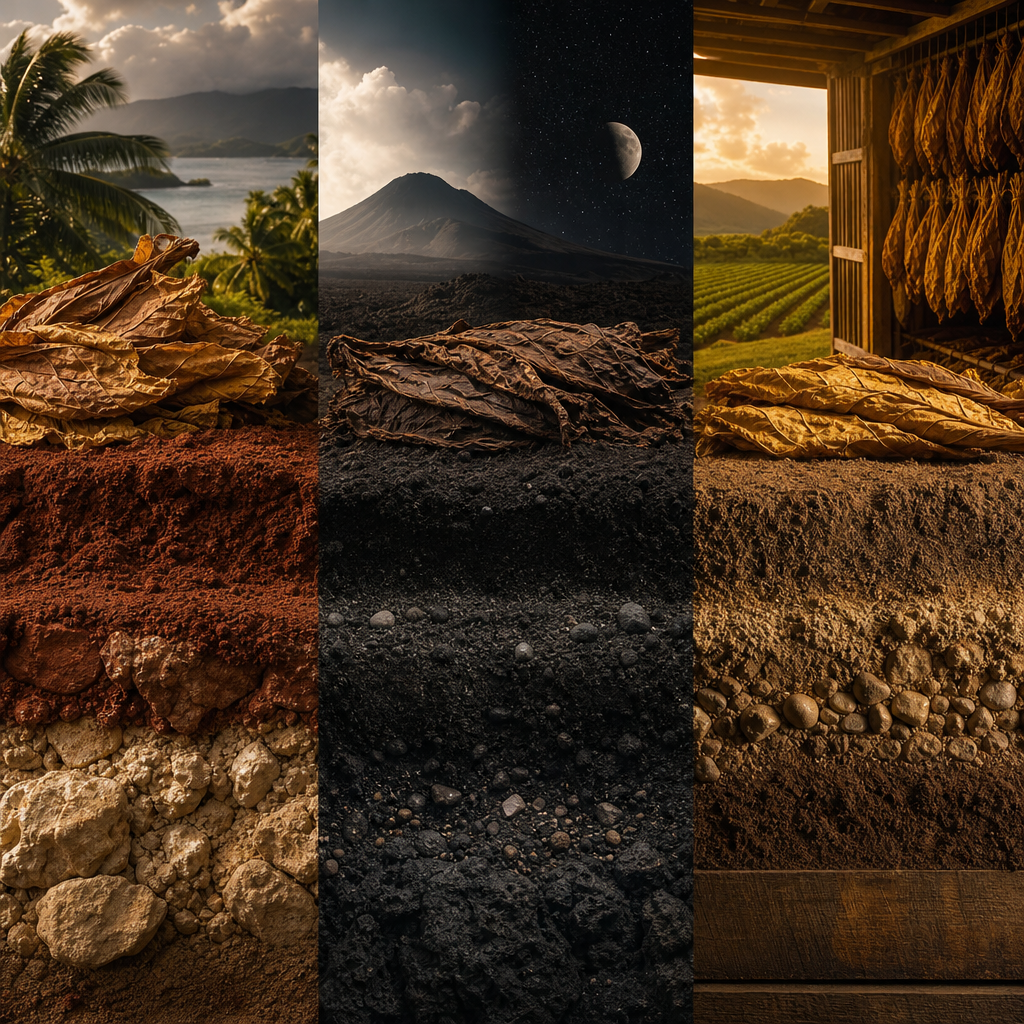
The genetic makeup of a cigar often sets its direction from the seed and field configuration. Take Vuelta Abajo in Pinar del Río, Cuba, for example, which has long been considered the core area for high-quality tobacco leaves. This is not just due to its reputation but because the soil drainage, sunlight, humidity, and traditional farming methods create stable conditions. The Cibao Valley in the Dominican Republic, Estelí and Jalapa in Nicaragua, have also developed distinct styles with noticeable spicy, sweet, or mineral notes.
The seed variety affects the thickness, oiliness, sugar content, and nicotine performance of the tobacco leaves. Corojo varieties often carry clearer spicy notes and structure, while Criollo varieties are often described as having more pronounced sweetness, grain, nut, or earthy notes. After 2000, many regions began to focus on balancing disease-resistant varieties with flavor stability because outbreaks of blue mold or black shank could force adjustments to the entire season's harvest and blending plans.
Cigar flavor is not born after lighting but is pre-arranged in the seed, soil, and field management. The same Habano seed may exhibit black pepper and cocoa in Estelí, Nicaragua, while in Jalapa, it may be softer and sweeter, illustrating the impact of terroir on cigars.
Beginners who want to understand brand styles can start by remembering three levels: country, region, and leaf position. For example, the Padrón 1964 Anniversary is often discussed for its rich cocoa, coffee, and spicy notes, related to Nicaraguan soil and long processing; while the Davidoff Signature series' clean woody, creamy, and floral notes reflect the more delicate expression of Dominican tobacco.
Shade and Sun: The Division of Wrapper, Binder, and Filler
A cigar is not made from a single leaf but is composed of a wrapper, binder, and filler. The wrapper usually determines the first impression: texture, sheen, burn rate, and part of the aroma. Wrappers from Cuba, Ecuador, Connecticut, Cameroon, etc., each have different personalities; for example, Ecuador Connecticut often gives a creamy, nutty, and hay-like feel, while Cameroon often carries slightly sweet spice and woody notes.
Shade-grown leaves, filtered by thin cloth, are thinner, have finer textures, and better elasticity, often used for wrappers. Sun-grown leaves receive more sunlight, increasing thickness, oil, and nicotine, often used for fillers or binders. In terms of leaf position, the upper ligero is strong and slow-burning, the middle seco is aromatic, and the lower volado has good combustibility; these roles are indispensable in blending.
A good cigar is not just strong but achieves balance between the wrapper, binder, and filler. If too much ligero is used, the front may be powerful, but the middle and back can become irritating; if volado is insufficient, the burn line may be unstable, affecting the overall rhythm.
For classic sizes like the Romeo y Julieta Churchill, the longer 178 mm length and about 47 ring gauge give the blender more space to lay out the front, middle, and back. The Robusto, about 124 mm and 50 ring gauge, is more direct, with quicker flavor transitions. Beginners comparing different sizes should observe the structure rather than just the strength.
Harvesting and Curing: The Boundary Between Sweetness, Grassiness, and Initial Aroma
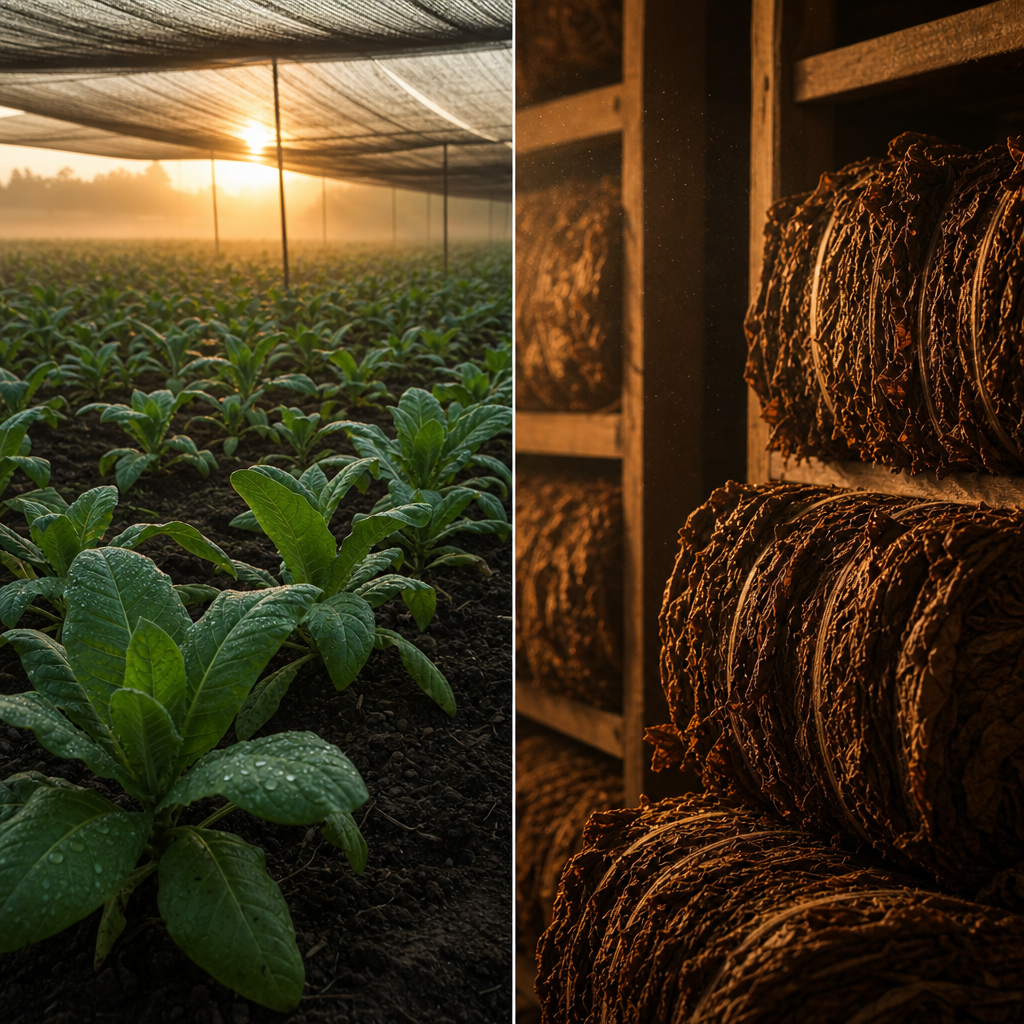
Tobacco harvesting is not just cutting down the whole plant at once; many premium cigars are picked in batches according to leaf position. Lower leaves mature first, upper leaves later, extending the entire harvest period over several weeks. This segmented method allows each leaf to be picked at a more ideal maturity, avoiding raw grassy notes or overripe loose structure.
After harvesting, the tobacco leaves are sent to a curing barn. Traditional air curing takes about 45 to 60 days, adjusted according to temperature, humidity, and ventilation. Chlorophyll gradually breaks down, and the color changes from green to yellow, brown, and then to different shades of coffee. This period is not just about dehydration but is crucial for transforming rough plant aromas into initial aromas.
Good curing provides a clean foundation for subsequent fermentation; unbalanced curing makes it difficult to completely correct grassy, bitter, and irritating notes. When comparing certain Nicaraguan batches from 2017 and 2019, I clearly felt the impact of curing stability on the purity of sweetness.
Beginners can practice judging from the cold smell before lighting: if there are hay, barn, honey, or wood notes, it's a normal and pleasant signal; if there are pungent ammonia, wet cardboard, or rancid notes, be cautious. However, relying solely on the nose is not conclusive; it must be combined with storage conditions, burn, and taste.
Fermentation and Grading: Turning Raw Power into Drinkable Layers
After curing, the tobacco leaves enter the fermentation stage, usually done by stacking in pilóns. The internal temperature of the leaf pile naturally rises, with common control ranges around 38 to 49°C, adjusted according to leaf thickness and use. This process reduces ammonia, breaks down proteins, and some sugars, turning aromas from raw to woody, leathery, cocoa, coffee, or spicy.
Different leaf positions require different times. Thin leaves may stabilize faster, while thick ligero often requires longer processing. Many factories perform multiple turnings to ensure even temperature and humidity, avoiding overheating that destroys oils. The rich floral, spicy, and sweet woody notes of the Fuente Fuente OpusX are closely related to the Chateau de la Fuente region in the Dominican Republic and meticulous post-processing.
The purpose of fermentation is not to make the tobacco heavier but to refine the original raw power into recognizable, sustainable layers. Grading also takes place at this time, classifying by color, size, thickness, elasticity, and leaf position to ensure stable reproduction of brand style in future blending.
| Stage | Common Time or Conditions | Main Changes | Flavor Impact |
|---|---|---|---|
| Curing | About 45–60 days | Chlorophyll decreases, moisture reduces | Hay, grain, initial sweetness |
| Initial Fermentation | Weeks to months | Ammonia reduces, irritation decreases | Woody, leathery, earthy notes |
| Secondary Fermentation | Adjusted by leaf position | Oil and aroma stabilize | Cocoa, coffee, spices |
| Post-Rolling Rest | Several months or more | Moisture integration, burn improvement | Smoother taste, more coherent segments |
Blending and Rolling: How Brand Style is Materialized
The work of a blender is like perfuming and composing. The wrapper provides outer aroma and visual texture, the binder is responsible for structure and burn support, and the filler determines the main flavor and strength. For large cigars like the Cohiba Siglo VI, the 52 ring gauge allows for a higher filler ratio, so the arrangement of leaf positions in blending can significantly influence the overall direction.
Different series of the same brand may have very different blending logics. The torpedo shape of the Montecristo No.2, with its tapered head, concentrates airflow when entering the mouth, often making the front woody, coffee, and slightly sweet notes more pronounced; the robusto rhythm of the Partagás Serie D No.4 is faster, often described as having more direct earthy, spicy, and rich mouthfeel. These sensations are shaped not solely by origin but by blending and size together.
The size of a cigar is not just an appearance option but a part of the flavor rhythm. The same tobacco leaves placed in Lancero, Corona Gorda, or Robusto will have different burn temperatures, wrapper ratios, and smoke concentrations, naturally resulting in different mouthfeel.
Rolling technique is equally crucial. Filling too tightly can cause high draw resistance, dull burn, and increased bitterness; too loose can lead to fast burning, high temperature, and thin aroma. Traditional handmade cigars undergo draw tests to check resistance, and many factories use machines to set reasonable ranges, but ultimately, experienced torcedores control the feel.
Pre-Release Aging: Letting Different Parts Speak the Same Language Again
Cigars are not at their best state immediately after rolling. During the rolling process, the wrapper, binder, and filler come from different batches, humidity, and processing states, and need time to integrate after assembly. Many factories place finished products in aging rooms, with times ranging from weeks to months, and high-end or special series may take longer.
This pre-release aging mainly allows moisture to redistribute, reducing the sharpness after rolling and making the burn more stable. Brands like Davidoff, Arturo Fuente, and Padrón are often seen with stable reputations in the market, related not only to the tobacco itself but also to pre-release management. Some limited series from the late 2010s, if slightly closed when first launched, often show more sweet woody and nutty notes after about a year.
Pre-release aging is like a rehearsal before a band performance, aiming to let different leaf positions and aromas interlock. If this step is insufficient, the cigar may have aroma in the front but suddenly become bitter, spicy, and dry in the middle, and more easily unbalanced in the back.
Beginners often see "freshness" as an advantage, but cigars are not fruits. If a newly acquired box of cigars has undergone long-distance transport, it is recommended to rest in a stable environment for 2 to 4 weeks before making formal tasting records. This is not superstition but to allow humidity, temperature, and internal structure to return to a more stable state.
Personal Storage and Aging: How Home Environment Changes Flavor
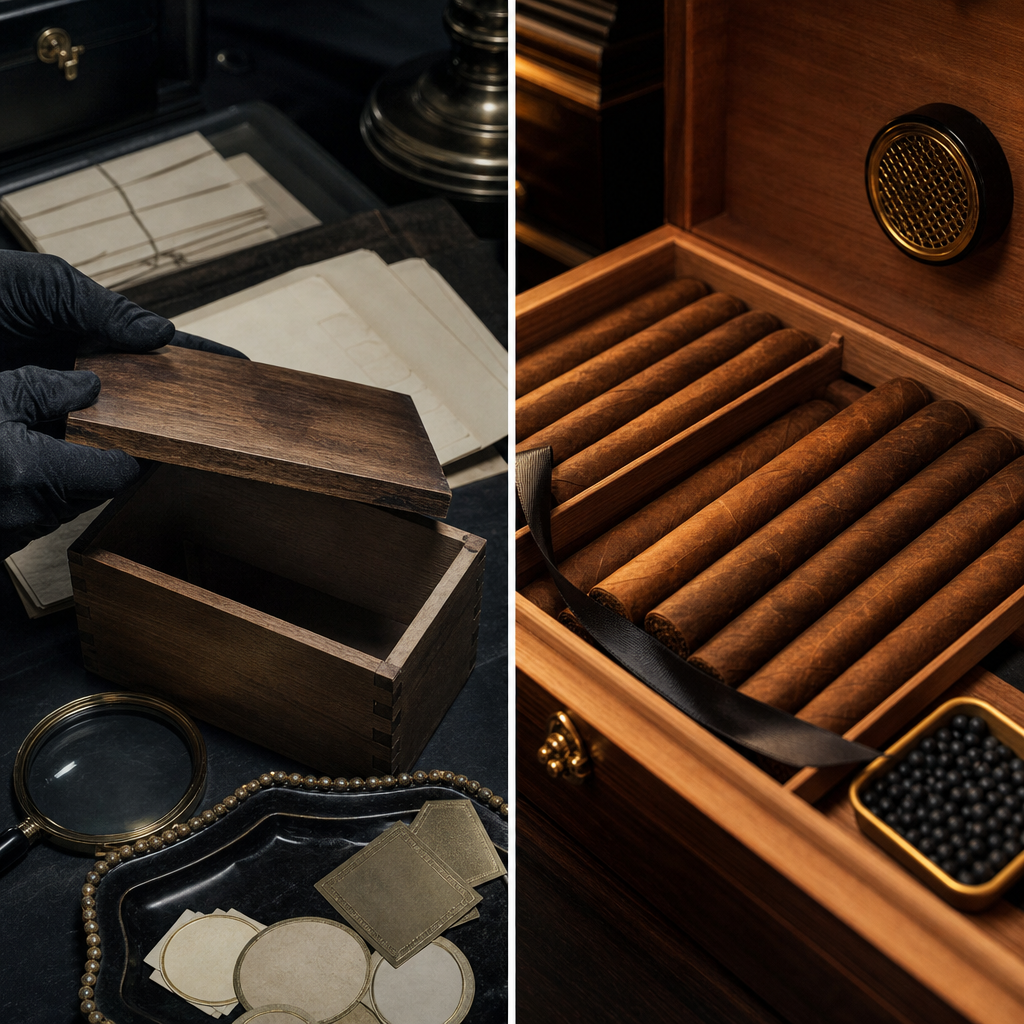
After leaving the factory, storage conditions continue to affect flavor. Common recommendations are 65–70% relative humidity and about 18–21°C. Practically, I prefer between 65–68% because the burn is cleaner, and bitterness and dullness are less. In Taiwan's humid climate, if humidity is consistently above 72%, it can easily cause uneven burn, sour taste, or wrapper swelling.
Aging is not about leaving cigars unattended. If the environment is too dry, aromas will thin, and wrappers may crack; too wet, smoke becomes heavy, and there is a risk of mold. If using an electronic humidor, it's best to calibrate the hygrometer every 6 to 12 months; if using humidification packs, also pay attention to box capacity, opening frequency, and the number of cigars to avoid local humidity differences.
The core of home aging is not pursuing longevity but pursuing stability. A cigar originally balanced, placed in a stable environment for 6 months to 2 years, can often make spiciness rounder and sweetness clearer; but if stored poorly, time will only magnify flaws.
When discussing collection value, I always remind: rare vintages, special packaging, or discontinued models may attract market attention, but collection appreciation does not guarantee value increase; it still depends on source storage and market. For beginners, establishing records is more important: brand, size, box code, purchase year, humidity, tasting date, and impressions, to have the ability to judge whether a cigar has truly improved through aging.
Tasting Interpretation: Breaking Down Flavor Development into Practicable Techniques
Many people only remember "good smoke" or "too spicy," without breaking down the flavor. My suggestion is to use a three-stage record: front, middle, and back. The front looks at opening aroma and burn, commonly hay, wood, and nutty; the middle looks at sweetness, oiliness, and whether the main body unfolds; the back looks at whether bitterness, spiciness, and temperature are out of control.
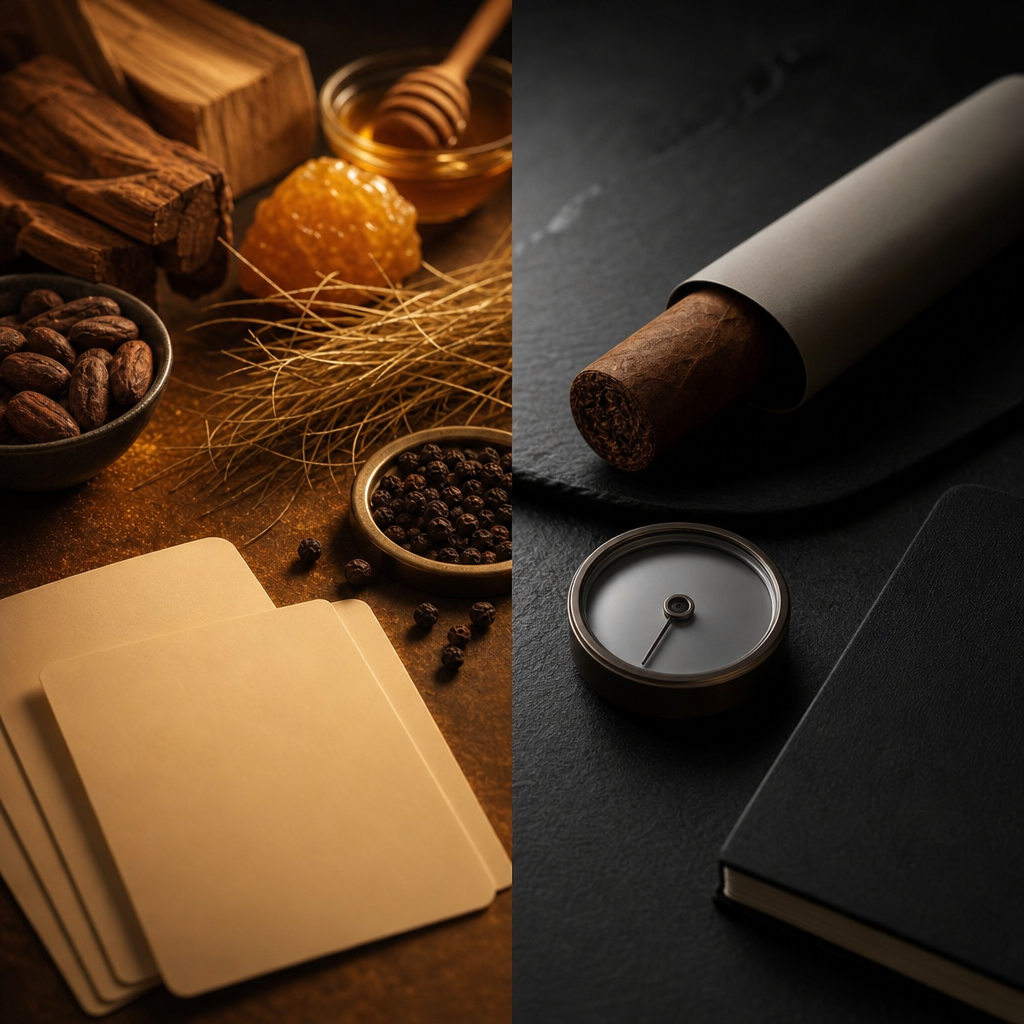
When tasting, don't rush to pursue many adjectives. First distinguish basic families: wood, nut, cocoa, coffee, leather, earth, spice, floral, dried fruit, cream. Then further describe intensity and texture, for example, is black pepper tongue-pricking or warm? Is cocoa powdery or bittersweet? Does the wood resemble cedar, oak, or dry sawdust?
The real key to progress is writing sensations into comparable records, not pursuing fancy vocabulary. For example, the same Hoyo de Monterrey Epicure No.2, if a 2020 box performs with cream and sweet wood at 66% humidity, but another time at 71% humidity appears dull and sour, the difference may come from storage conditions.
In terms of etiquette, also remember: cigar tasting is not about showing off smoke volume. Usually, one puff every 45 to 60 seconds is more appropriate, keeping the burn temperature stable. Don't flick ash frequently; the ash column helps regulate temperature; but also don't let the ash grow to the point of falling and affecting others. When communicating with others, just describe sensations, without denying others' taste experiences.
Common Questions
Why do cigars from the same box still have flavor differences?
Handmade cigars are a combination of agricultural products and handmade items, so even within the same box, there may be slight differences. Leaf thickness, rolling density, box position, and humidity absorption all affect performance. Box consistency represents quality, but it doesn't mean every cigar will be exactly the same.
Does aging cigars longer always make them better?
Not necessarily. Cigars suitable for aging usually need sufficient structure, oil, and storage conditions. If the original leaf is thin and aroma weak, aging too long may make it bland. Beginners can start with comparisons at 6 months, 1 year, and 2 years, rather than blindly pursuing over ten years.
Why are some cigars spicy at first but sweet later?
The front burn surface is just established, smoke is more concentrated, and spicy notes are easily amplified. After entering the middle, temperature stabilizes, oils release, and sweet wood, nut, or cocoa notes become more apparent. If smoked too quickly, the back temperature rises, and sweetness can be overshadowed by bitterness.
Does darker wrapper color mean stronger flavor?
Not entirely correct. Dark Maduro often suggests cocoa, coffee, molasses, but intensity still depends on the filler and overall blend. There are also dark wrappers with smooth taste and light wrappers with strong power due to filler configuration. Color can only be a clue, not a conclusion.
How should beginners build their own flavor database?
Record brand, size, year clues, humidity, time, and three-stage flavor for each tasting. Use a 10-point scale to record sweetness, spiciness, woodiness, bitterness, and burn. After continuously recording 20 cigars, you'll understand your preferences better than just looking at ratings.
Is white powder on cigars a sign of spoilage?
Not necessarily. If it's uniform, dry, and easily wiped off, it may be oil crystallization; if it's hairy, spreading, and has a moldy smell, be cautious of mold. When judging, don't just look at color; also consider shape, smell, and whether it penetrates the foot or box wood.
I have always believed that understanding cigars is not about memorizing brand rankings but understanding how they travel from the land to your hand. When you know what role planting, curing, fermenting, blending, and aging each play, the next time you light up, you're not just tasting flavors but reading the traces left by a whole season of sunshine, rain, craftsmanship, and time. May you find your rhythm in a slower, quieter way.
—Cigar Prince Wilson Tsai
Smoking is harmful to health. Under 20 years old is prohibited from smoking. Quitline: 0800-636363. This article is for adults over 20 as a reference for cigar culture, storage, and regulations, not a tobacco advertisement, promotion, or purchase suggestion.