In-depth Analysis of the Fermentation Process and Flavor Formation of Cigars
In-depth Analysis of the Fermentation Process and Flavor Formation of Cigars
Making cigars over the years, I've increasingly come to believe that flavor is not a mysterious story, but a continuous process among agronomy, fermentation, aging, and rolling. Experienced enthusiasts talk about brands, vintages, and ring gauges, but ultimately return to the same question: What has this leaf gone through?
As the editor of the "Cigar Bible," I've seen many answers beside different production areas, warehouses, and blending tables. This article does not discuss beginner flavors but dissects the fermentation logic of cigar leaves after harvest, from microorganisms, temperature, leaf position to regional differences, to re-understand why a cigar can have sweet, spicy, woody, leathery, and mineral sensations.
Fermentation is Not "Letting it Sit": It's a Controllable Heat, Moisture, and Chemical Reaction
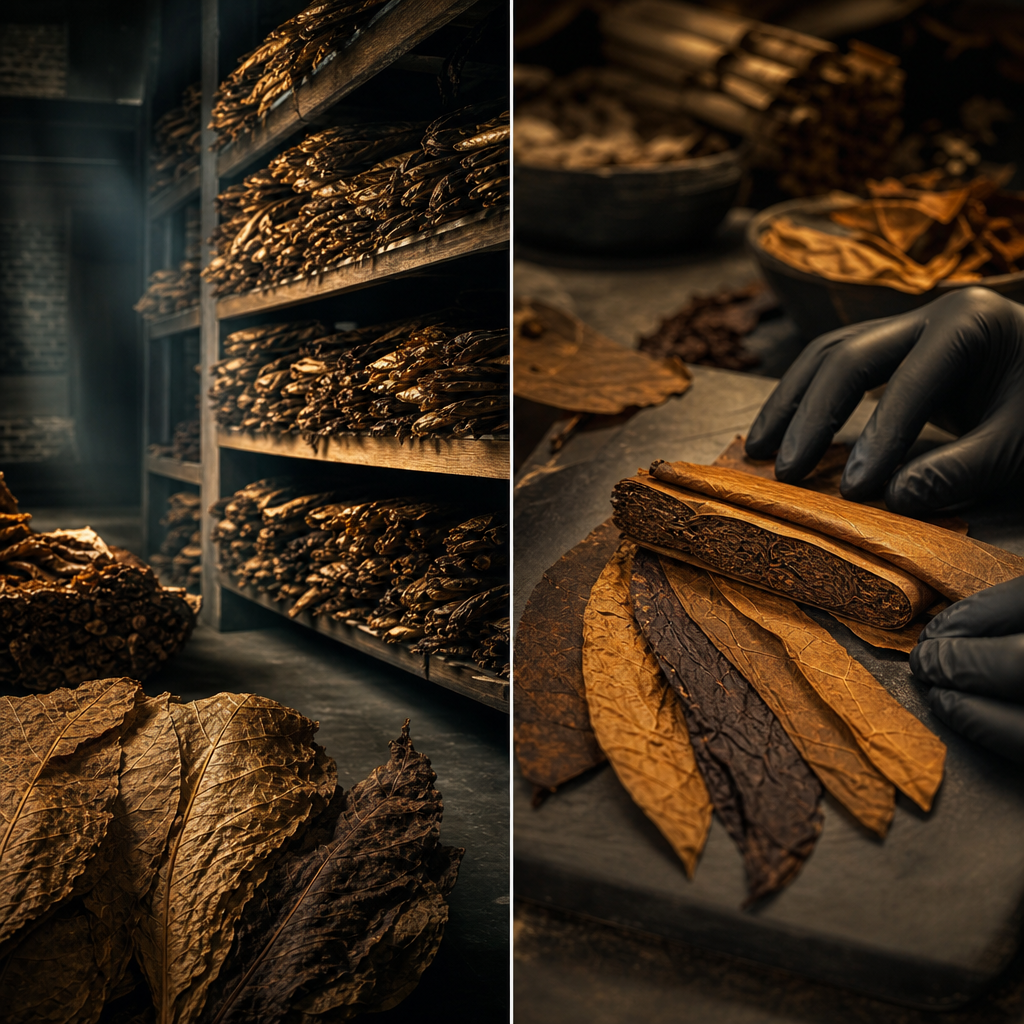
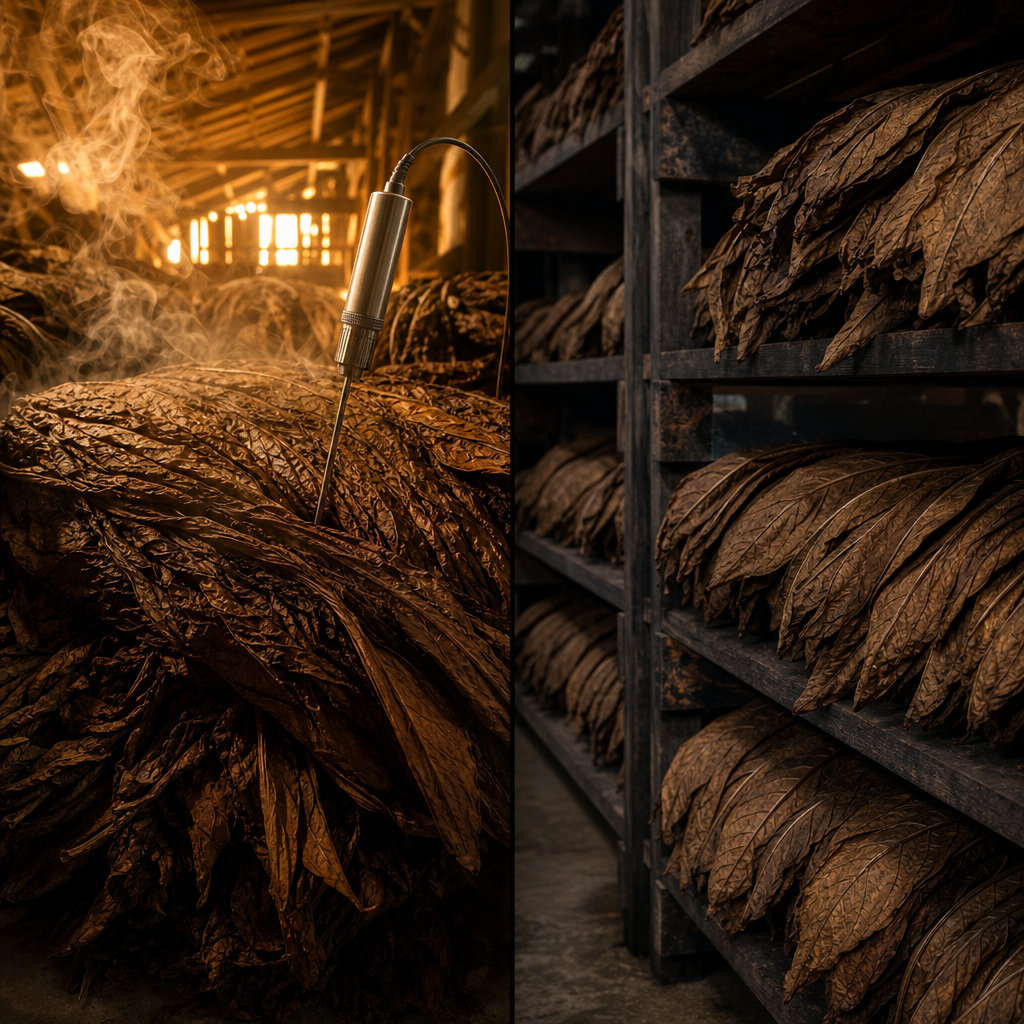
After harvesting, cigar tobacco leaves first undergo curing in drying barns, where chlorophyll breaks down, and the color changes from green to yellow, brown, and then dark brown. This step usually takes 30 to 60 days, depending on leaf thickness and climate. The real fermentation mostly occurs in the subsequent pilón stage: leaves are stacked from hundreds of kilograms to several tons, generating heat through moisture, pressure, and microbial metabolism.
The core of fermentation is not the length of time but allowing the leaves to complete the removal of greenness, reduce irritation, and establish aroma precursors within a safe temperature. Taking the common practice in Cuba's Vuelta Abajo as an example, thinner seco may enter grading after primary fermentation; thicker ligero may undergo two or even three pilón stages, each lasting from several days to months.
Temperature is a key indicator. Many factories maintain the core of the pile at about 38°C to 46°C. If it exceeds 50°C, there may be excessive reactions of proteins and sugars, leading to risks of bitterness, sourness, or mold. The thick leaves of Nicaragua's Estelí, due to high oil and nicotine content, usually require more turning and extended stabilization periods.
I once compared a batch of Dominican piloto cubano around 2014 with the same year's Nicaraguan ligero. The former showed more pronounced dried fruit and woody notes after fermentation, while the latter retained black pepper, cocoa, and heavy soil sensations. The differences stem not only from the variety but also from the control of heat peaks in the pilón and the rest period.
How Microorganisms Participate in Flavor: Bacteria, Yeast, and "Warehouse Aroma"
Many people think fermentation is just the leaves heating themselves, but microorganisms play a catalytic role. Bacillus, Pseudomonas, Aspergillus, Penicillium, and some yeasts present on the leaf surface and in the warehouse environment participate in the transformation of proteins, pectin, starch, and polyphenols. They don't need to be visible in large quantities but can change the final aroma direction.
The role of microorganisms is to transform rough plant materials into perceptible sweetness, nutty, earthy, leathery, and spicy profiles. For example, Bacillus groups are often associated with amino acid decomposition and reduced ammonia smell; some yeasts and molds may participate in ester, alcohol, and organic acid changes, leading the leaves from green herbal to ripe fruit or woody sensations.
But more microorganisms are not necessarily better. Beneficial fermentation requires sufficient moisture and oxygen exchange but cannot allow uncontrolled mold growth on the surface. If warehouse humidity is above 80% for a long time and ventilation is insufficient, gray-white or blue-green mold layers may appear on the leaf surface; conversely, too low humidity will stall metabolism, leaving a green taste.
For the often-discussed cocoa, coffee, and nut tones of the Padrón 1964 Anniversary series, besides Nicaraguan soil and variety, long-term stable aging and strict grading are also crucial. On the other hand, when Cohiba Behike was officially launched in 2010, the concentration and fermentation treatment of the medio tiempo leaf position also became a focus of research for connoisseurs.
Pilón Technique: Turning, Temperature Measurement, and Leaf "Breathing"
Traditional pilón may seem simple, just stacking tobacco leaves layer by layer, but it's actually precise heat management. Before piling, leaves are adjusted to the appropriate moisture content, usually feeling pliable and bendable without breaking. If piled too loosely, heat won't build up; if too tightly, insufficient oxygen can lead to anaerobic spoilage and musty flavors.
The purpose of turning is to move the high-temperature leaves from the core to the outside, ensuring even fermentation without burning the leaves. Workers insert temperature probes into the core, recording daily or every other day. When the temperature approaches the set upper limit, such as 46°C to 48°C, they dismantle the pile, cool it, and restack. This action is repeated multiple times, especially for thick leaves that rely on skilled judgment.
The turning rhythm differs for different leaf positions, which can be simplified as:
- volado: Thin leaves with good combustibility, shorter fermentation time.
- seco: Strong aroma, needs to retain delicate fragrance.
- viso: Balances oil and structure, often the backbone of blends.
- ligero: Thick and strong, requires longer fermentation and resting.
- medio tiempo: Rare and intense, improper handling can overwhelm overall balance.
Between 2006 and 2008, many factories in Nicaragua enhanced temperature and humidity recording, gradually digitizing traditional experience. This is why, even with the same Estelí, Jalapa, Condega labels, there can be significant differences in the final product; the real secret often lies in the timing of each turning and the resting cycle of each batch of leaves.
Regional Differences: Cuba, Dominican Republic, Nicaragua, and Honduras
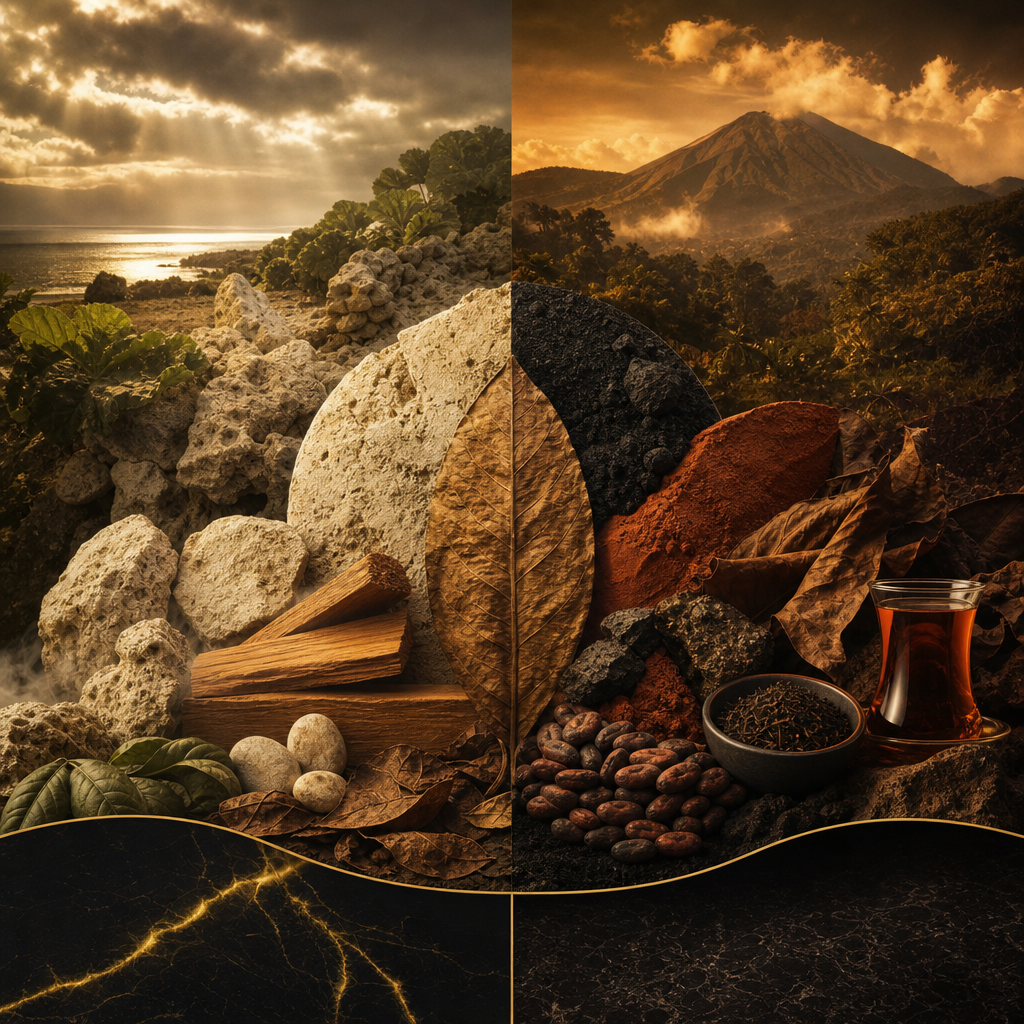
Regional differences stem not only from soil but also from fermentation philosophy. Cuba often emphasizes leaf layering and mineral sensations, the Dominican Republic focuses on clean, creamy, woody, and floral notes, Nicaragua is known for concentration, sweet spice, cocoa, and soil sensations, while Honduras often features leather, coffee, hay, and more direct spiciness.
The same variety fermented in different regions, due to differences in leaf thickness, oil content, sugar content, and warehouse microorganisms, forms completely different flavor languages. For example, Corojo lineage in Honduras can present leather and dried chili, while in Nicaragua, it may turn towards black pepper and dark cocoa; Connecticut Shade in the Dominican Republic often exhibits cream, nuts, and white pepper.
| Region | Common Leaf Characteristics | Fermentation Approach | Representative Flavor Examples |
|---|---|---|---|
| Cuba Vuelta Abajo | Medium oil, mineral sensation | Multiple grading and resting | Cohiba, Partagás often have hay, bean aroma, cedar |
| Dominican Republic Cibao | Delicate leaf quality, clean aroma | Gentle control, emphasis on elegance | Arturo Fuente OpusX has sweet wood, spice, cream |
| Nicaragua Estelí | Thick leaves, high oil, high intensity | Longer fermentation and reduced irritation | Oliva Serie V Melanio has cocoa, coffee, pepper |
| Honduras Jamastrán | Solid structure, prominent spiciness | Avoid excessive acidification | Camacho series often have leather, coffee, earth |
When comparing Partagás Serie D No.4 and La Flor Dominicana Double Ligero, I often use "fermentation density" to describe the difference: the former, if in good condition, has aromas that unfold layer by layer; the latter is more like a solid low frequency, offering strength from the start. This is not about superiority but the different syntax of regions and processing methods.
Leaf Position and Blending: Flavor is Not the Victory of a Single Leaf
A cigar usually consists of a wrapper, binder, and filler, and fermentation requirements for these three are completely different. The wrapper must be visually intact, oily, and elastic, with fermentation not too aggressive, or the color will be dull or brittle; the filler can withstand longer fermentation, aiming to remove irritation while leaving structure.
A blender is not simply adding the strongest leaves but arranging leaves with different fermentation degrees into a rhythm. For a robusto with a 52 ring gauge and 5 inches long, burning speed, air channels, and leaf proportions all affect sensory changes. If there's too much ligero, the front may be overwhelming; if there's not enough seco, the middle aroma may be empty.
Wrapper fermentation is particularly sensitive. Properly handled Ecuadorian Habano wrapper often shows red pepper, cedar, and honey sweetness; Mexican San Andrés maduro, after deeper color processing, can bring brown sugar, cocoa, moist earth, and coffee. After 2012, many boutique cigar brands emphasized the dominance of the wrapper on overall flavor.
It's worth noting that maduro is not simply "dark color." It usually requires higher humidity, longer time, and stricter temperature control to transform sugars and polyphenols into dark and bittersweet sensations. If leaves are merely moistened and heated to achieve a dark color, it may result in soy sauce flavor, cloying sweetness, or unstable burning, which experienced enthusiasts can discern at first taste.
Defect Diagnosis: From Ammonia, Sourness to Unstable Burning
The most common signal of insufficient fermentation is ammonia. Proteins and nitrogen-containing compounds in fresh leaves release ammonia during decomposition, and if the pilón time is insufficient or resting is inadequate, the cigar will emit a pungent, throat-irritating, detergent-like smell when lit. This situation cannot be completely resolved by simply letting it sit for a few days.
Judging fermentation quality requires looking at aroma, burning, ash color, mouth irritation, and cleanliness of the latter part. Over-fermentation may present another problem: flat aroma, collapsed sweetness, dull bitterness, or even wet cardboard, rotten leaves, or acetic acid sensation. Such leaves, even if oily in appearance, may lack vitality.
Experienced enthusiasts can observe from several directions:
- If there's a strong ammonia smell in the cold draw, it usually indicates insufficient resting.
- Spicy throat irritation in the front does not equal high strength; it may be rough fermentation.
- Repeatedly skewed burn lines, besides humidity, may also relate to uneven leaf processing.
- Excessively black and loose ash may indicate mineral, humidity, or burning structure issues.
- If only bitterness remains in the latter part, it indicates insufficient blending or fermentation balance.
For example, some boutique brands that rapidly expanded after 2020 occasionally show batch differences: the first batch is full of flavor, while the second batch has green spiciness and ammonia. This reminds us that brand names are just references; batch, preservation, and fermentation records are the basis for in-depth judgment.
Aging and Collecting: Flavor Continues to Integrate After Fermentation
Completion of fermentation does not mean the flavor immediately reaches its peak. Cigars still need to rest after rolling, allowing the wrapper, binder, and filler to reintegrate moisture and volatile substances. Many factories place them for 60 to 180 days before shipping, and some high-end lines even longer. This period is often referred to by experienced enthusiasts as the starting point of aging.
Aging is not a magic remedy for failed fermentation but makes already properly processed leaves more harmonious. If a cigar has a slight ammonia sensation, it may improve over six months to a year; but if there are mold, sourness, or severe burning defects, long storage will only make the problems more apparent. A good foundation is worth the patience.
For common long-term observation cases like Cohiba Siglo VI, Hoyo de Monterrey Double Corona, Davidoff Aniversario No.3, after 3 to 5 years of good preservation, spiciness will decrease, and wood, cream, nut, and honey sensations will integrate more. However, if humidity is above 72% for a long time, it may lose definition or even develop mold.
Collecting should also remain rational. Some 1990s Cuban box sets, early limited editions, or discontinued vitolas have indeed seen price increases, but collecting appreciation is not guaranteed appreciation; it still depends on source preservation and market. If the source is unclear, box codes are suspicious, or preservation records are broken, even rare vintages are just risk labels.
Frequently Asked Questions
Why do some cigars have an ammonia smell?
Mostly related to insufficient resting after fermentation. Nitrogenous substances have not fully stabilized, releasing a pungent smell when lit. Slight ammonia may decrease with aging, but severe ammonia usually indicates immature batch processing. Experienced enthusiasts encountering this should first check storage humidity and then observe if other sticks in the same box are consistent.
Does a dark wrapper mean better fermentation?
Not necessarily. Maduro requires longer time and higher control difficulty, but dark color may also result from unnatural moistening, heating, or dyeing. The key judgment is whether the burn is stable, sweetness and bitterness are clean, and if there are no off acids in the latter part. Truly good dark wrappers should have brown sugar, cocoa, coffee, and moist earth, not cloying sweetness.
What's the biggest fermentation difference between Cuba and Nicaragua?
Cuba often pursues mineral, herbal, bean aroma, and layered transitions; Nicaragua handles thicker, higher oil leaves, requiring more aggressive irritation reduction and heat management. Regional differences are not slogans but leaf structures forcing factories to adopt different fermentation strategies. This is also why cigars from the two regions often differ in strength and sweet-spicy sensations.
Is longer fermentation better?
No. Time is just a tool, not a quality guarantee. Thin leaves may lose aroma if fermented too long; thick leaves will have obvious irritation if time is insufficient. The real key is temperature, humidity, turning frequency, leaf position grading, and resting cycle. Good factories adjust according to each batch of leaves, not applying fixed days.
Can a home cigar humidor continue fermentation?
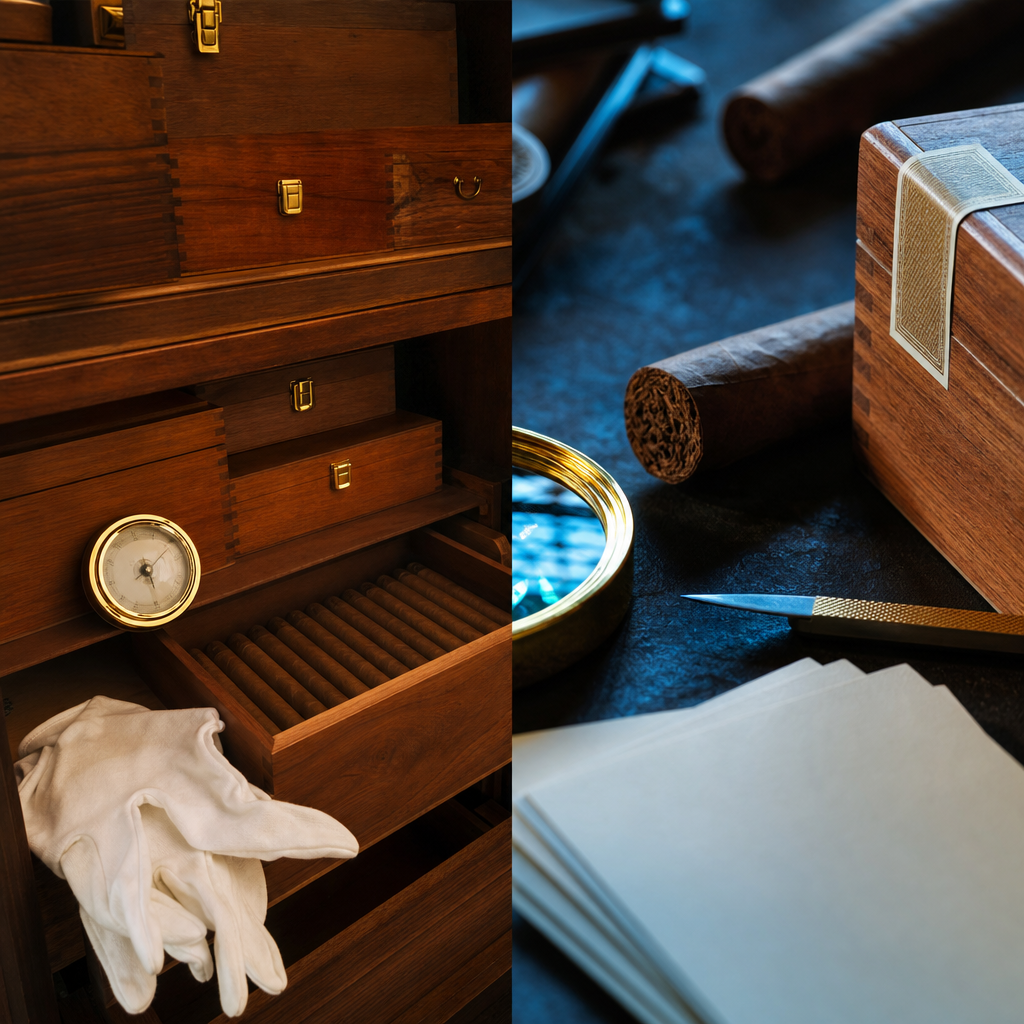
General home storage environments mainly serve aging and stabilization, not formal fermentation. Fermentation requires higher moisture content, stacking weight, temperature monitoring, and microbial conditions. Home humidity of 65% to 69% is usually insufficient to replicate factory pilón. If humidity is too high, it will only increase mold and poor burning risks.
Why is there flavor variation in the same box of cigars?
Possible reasons include leaf batch, rolling density, storage position, and individual moisture differences. Even with the same box and code, the filler consists of multiple leaves, and each stick still has slight proportion differences. High-end factories reduce differences through grading and quality control, but complete consistency is unrealistic. Experienced enthusiasts value the stable range of the whole box, not single-stick perfection.
Fermentation transforms cigars from agricultural products into layered timepieces. For me, the real charm is not a brand myth but the leaves being slowly corrected into a readable flavor language through heat, moisture, microorganisms, and human hands. Understanding fermentation, then looking back at each cigar, you'll be clearer about whether you like the region, leaf position, blending, or the aroma left by that warehouse.
—Cigar Prince Wilson Tsai
Smoking is harmful to health. Under 20 years old is not allowed to smoke. Quitline: 0800-636363. This article is for reference only for adults over 20 years old regarding cigar culture, preservation, and regulations, not a tobacco advertisement, promotion, or purchase suggestion.