The Art of Tasting and Controlling the Aroma of Cigars: Deepening the Sense of Smell and Taste
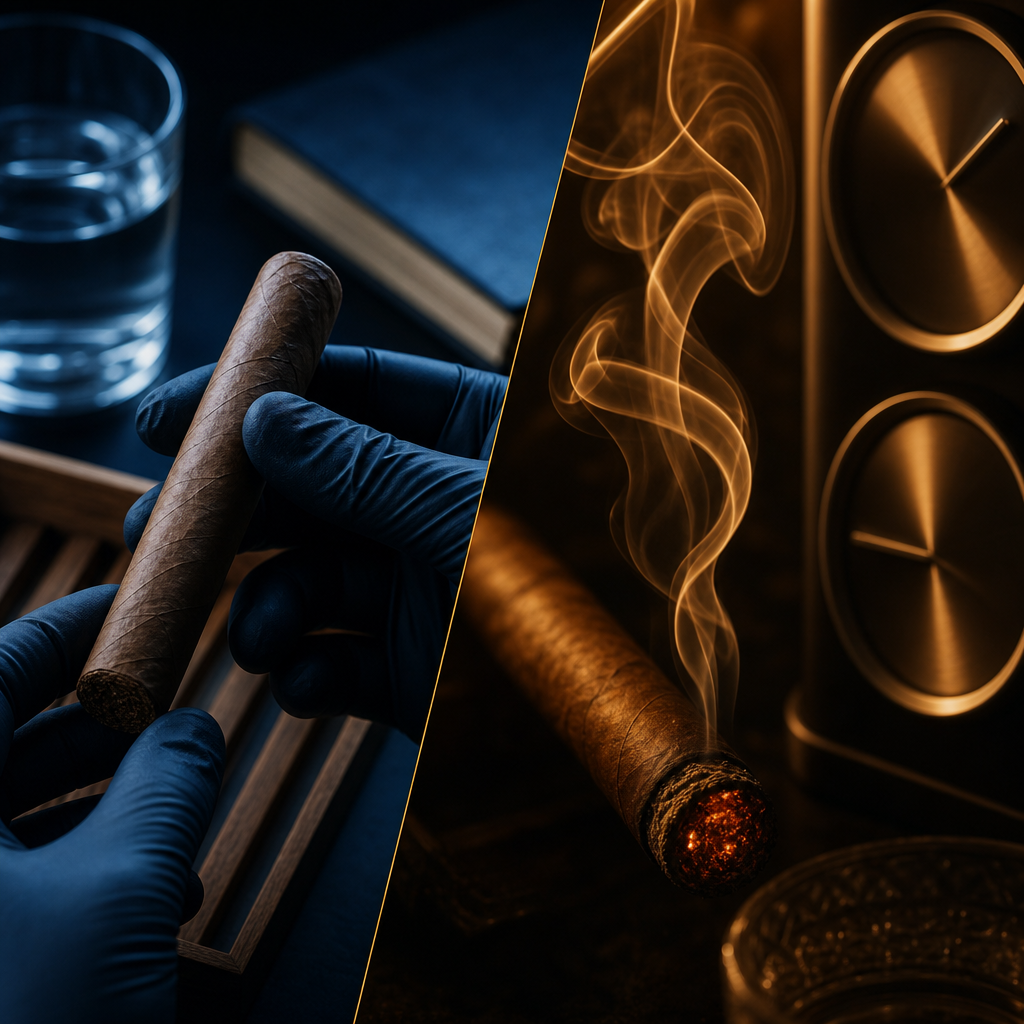
The Art of Tasting and Controlling the Aroma of Cigars: Deepening the Sense of Smell and Taste
The charm of cigars lies not only in the brand, ring gauge, or vintage but in whether you can understand the aroma, temperature, rhythm, and aftertaste of a cigar. Beginners usually can distinguish between strong and mild flavors, and the next step is to break down "good smoke" into sensory techniques that can be described, repeated, and adjusted.
As an editor of the "Cigar Bible," I often remind myself: taste is not about flaunting vocabulary but about training focus. From the cold aroma before cutting, to the nasal retrohale after lighting, and to the bitter-sweet balance in the last third, each puff can be more precisely controlled.
Starting with Cold Aroma: Building Your Olfactory Map
Many people only look at the color of the cigar wrapper before lighting and neglect the cold aroma. Take the 2020 boxed Montecristo No.2 as an example; when in good condition, the foot of the cigar often has cocoa powder, dry wood, and a faint grain aroma. In contrast, the Partagás Serie P No.2, also a torpedo shape, tends to lean more towards leather, black pepper, and toasted bread. Smelling it for 30 seconds before lighting can establish a roadmap for the brain.
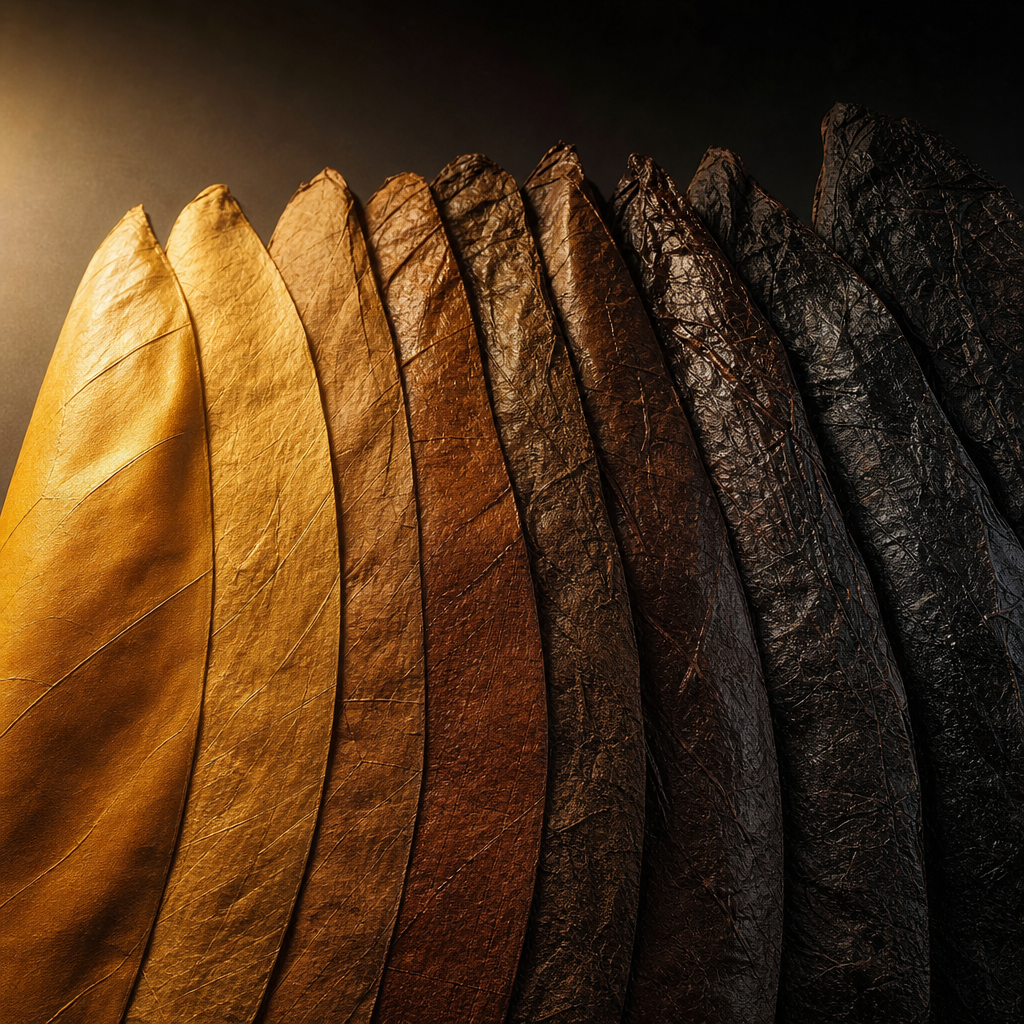
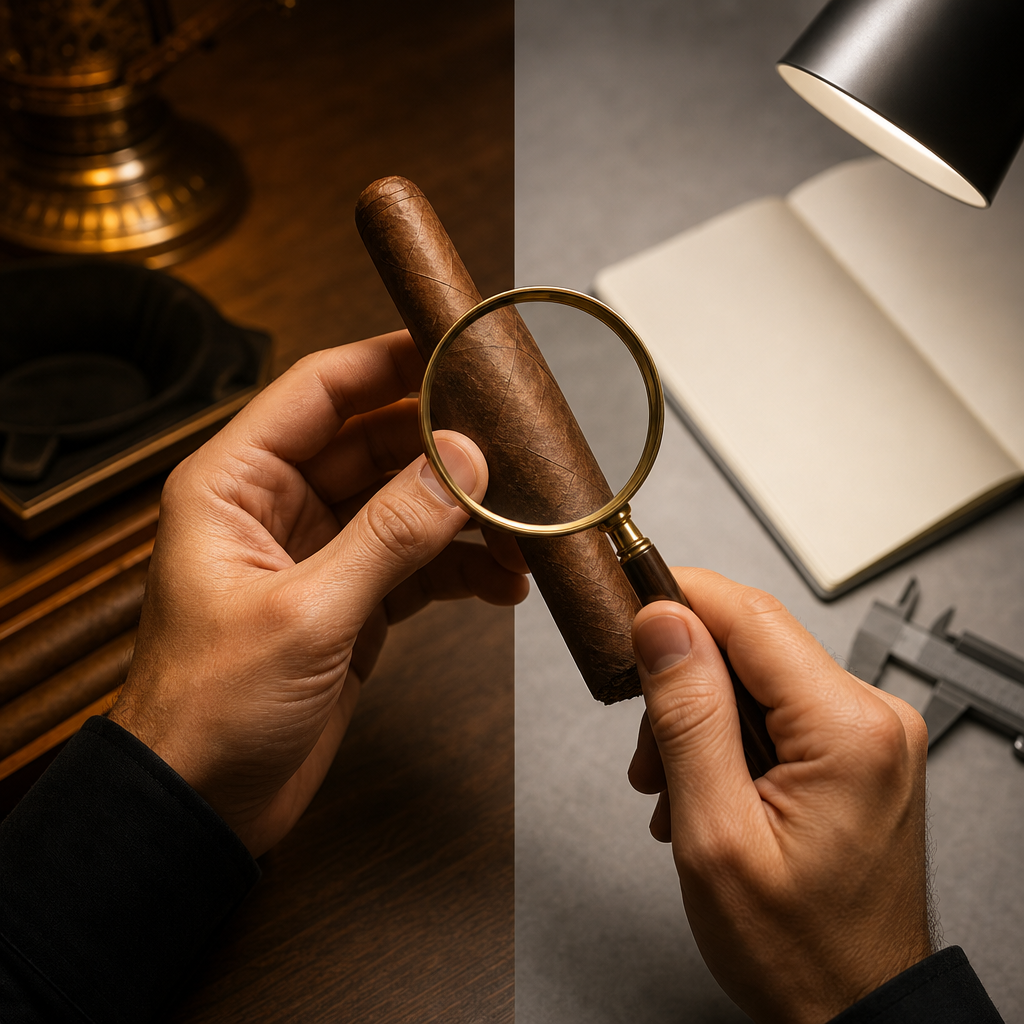
Cold aroma is not an embellishment; it is the first map to judge the direction of subsequent flavors. I usually smell in three places: the surface of the wrapper, the foot of the cigar, and the cold draw after cutting. The wrapper often presents woody, herbal, or nutty notes; the foot is more likely to have fermentation, cocoa, and spicy aromas; the cold draw can check for mold, ammonia, or excessive dampness.
When practicing, don't rush to name high-end aromas. Start with three layers of classification: the first layer is wood, sweetness, and spice; the second layer further divides into cedar, honey, and white pepper; the third layer writes personal associations, such as "the midsection of the 2018 Ramon Allones Specially Selected resembles roasted chestnuts." The simpler the olfactory map, the easier it is to accumulate.
Temperature and Rhythm: The Invisible Knobs of Aroma Control
Cigar aroma is very sensitive to haste. If you take a puff every 15 seconds, the temperature at the burning end will rise rapidly, and bitterness, spiciness, and dryness will overshadow the original layers. If the interval is too long, the burn line becomes unstable, and the smoke becomes thin, causing the aroma to break. For most Robusto or Corona Gorda, I recommend using 45 to 60 seconds per puff as a baseline.
Controlling the rhythm is controlling the temperature of the cigar; controlling the temperature gives you a chance to retain the details of the aroma. Each puff should take about 3 to 4 seconds. Don't draw like you're drinking a beverage; let the smoke slowly fill the mouth. If the latter part suddenly becomes bitter, don't blame the brand immediately. It might just be that the rhythm is too fast, causing the burning end to overheat.
Simple methods to adjust:
- If two consecutive puffs taste bitter, rest for 90 seconds.
- If the burn line deviates more than 5 mm, consider a slight correction.
- If the smoke becomes thick after the midsection, perform a gentle purge to expel accumulated dense smoke.
- Avoid frequent relighting; the flame only needs to approach the burning end, not directly burn the wrapper black.
Taste is Not Just About Strength: The Balance of Sweet, Sour, Bitter, and Salty
Beginners often mistake "strength" for "flavor." In fact, strength is a physical sensation, while flavor is more like a structure. Take the 2019 H. Upmann Magnum 46 as an example; the front often has creamy, grainy, and slightly sweet notes. In the midsection, woody and coffee notes rise, but if stored properly, the bitterness won't suddenly become sharp. This is balance.
Truly mature taste is not about pursuing stronger flavors but about discerning whether the flavors support each other. Sweetness can come from aged tobacco, caramelized notes, or nut oils; acidity, if like citrus peel, can increase clarity; bitterness, if like dark chocolate, can extend the aftertaste; but if like burnt paper, it usually indicates a burning or storage problem.
I recommend using a "four-grid note" to train taste: sweetness 1 to 5 points, bitterness 1 to 5 points, spice 1 to 5 points, aftertaste seconds. Drink room temperature water; there's no need to pair with spirits every time. If pairing, whiskey with 40% alcohol tends to amplify spiciness, so beginners can first use unsweetened coffee, sparkling water, or lightly roasted oolong as a contrast.
Nasal Retrohale: Turning Aroma from Flat to Three-Dimensional
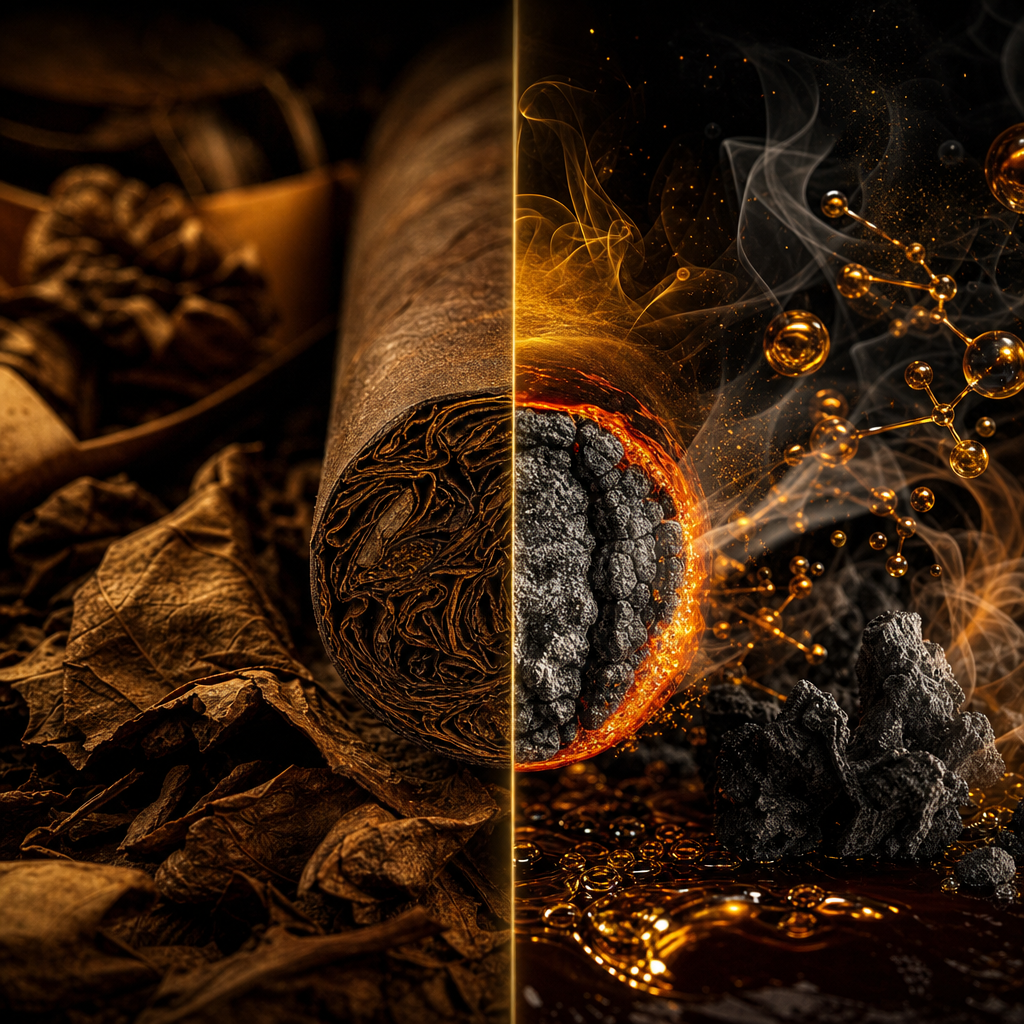
The mouth can distinguish sweet, bitter, sour, and salty, but the nose is the main stage of aroma. Many cigars' floral, spice, nut, and woody notes are not tasted by the tongue but perceived through the retronasal olfaction when the smoke leaves the mouth. For example, Davidoff Aniversario No.3 is often described as elegant, not only because of its smooth taste but also because of its clean nasal retrohale.
Nasal retrohale doesn't require a lot of smoke; the less and slower, the more you can see the layers of aroma. Beginners can bring out 10% to 20% of a puff's smoke through the nose, without holding their breath or forcing it. If there's a stinging sensation, it indicates too much smoke, too fast a rhythm, or the cigar itself is too strong at the moment.
Here is a sensory comparison table I often use, suitable for recording more than 10 consecutive cigars:
| Sensory Location | Common Signals | Possible Causes | Observed Cases |
|---|---|---|---|
| Cold Aroma at Foot | Cocoa, Woody | Stable Fermentation and Storage | Cohiba Siglo VI 2017 |
| Front of Mouth | Creamy, Grainy | Mild Burn, Stable Rhythm | H. Upmann Magnum 46 |
| Nasal Retrohale | Floral, White Pepper | Low Smoke Volume, Slow Exhalation | Davidoff No.2 |
| Aftertaste in Last Section | Coffee, Dark Chocolate | Rising Strength but Not Overheated | Partagás Serie D No.4 |
Storage and Aging: Aroma Stability Comes from Daily Management
Aroma control doesn't only happen after lighting; it also occurs in the storage environment. The same box of 2016 Partagás Serie D No.4, if stored at 72% humidity for a long time, may have heavy smoke and sluggish burn line in the front section. If maintained at 65% to 69% relative humidity and 18 to 21°C, the aroma is usually cleaner, and the woody and coffee notes are clearer.
Storage is not just putting cigars in a box but maintaining consistent humidity, temperature, and air exchange. I prefer to keep frequently smoked cigars at 65% to 67% and long-term aging cigars at around 68%, but I adjust according to the thickness of the wrapper. Maduro wrappers are oilier and more prone to stuffiness when too humid; Connecticut Shade is afraid of being too dry and losing smoothness.
Aging depends on the variety and condition, not the older the better. A 2008 Hoyo de Monterrey Double Coronas, if the source is clear and storage stable, may exhibit honey, dried flowers, and old wooden cabinet aromas. But if exposed to high temperatures or repeated drying and wetting, the vintage will only leave emptiness. When discussing collections, stay sober: it doesn't guarantee appreciation, and still depends on source, storage, and market.
Etiquette and Records: Turning Taste into an Accumulative Ability
Cigars are a slow-paced social culture, and etiquette affects the senses. Heavy perfume can mask the cold aroma, strong alcohol can flatten details, and loud laughter, while not against fun, can make you miss midsection changes. If at the same table with friends, rather than rushing to score, I prefer to quietly go through the first 2 cm before exchanging observations.
Those who keep records usually progress faster than those who rely solely on impressions. A Robusto lasts about 45 to 70 minutes, divide it into front, middle, and back sections, and record 3 words for each section. Example: Arturo Fuente Hemingway Short Story, front section cedar and cream, middle section sweet spices, back section roasted nuts and light pepper; this has more training value than saying "very smooth."
Records can also help you find preferences. If 20 consecutive notes show you like medium strength, cocoa, coffee, and short pepper, you might prefer Nicaraguan puro or stronger Cuban cigars over floral types. As a PCC special dealer, I've seen many customers' real progress key is not switching to more expensive cigars but starting to honestly record.
Frequently Asked Questions
The core of cigar taste is breaking down each experience into observable signals, not rushing to give high or low scores. Here are some questions I am most often asked by beginner friends, which can help you correct daily habits.
Why does the same cigar taste different each time?
Vintage, batch, storage humidity, lighting method, and body condition on the day all affect taste. Even the same Cohiba Robusto, the performance of the 2014 and 2021 boxed versions may differ; first check humidity and rhythm, then discuss brand differences.
Does nasal retrohale being spicy mean the cigar is too strong?
Not necessarily. It may be too much smoke or too frequent inhalation rhythm. First, reduce the retrohale ratio to 10% and extend the interval between puffs to 60 seconds; if still stinging, then judge whether the nicotine strength exceeds current habits.
What drink pairs best with cigars?
There's no fixed answer. Beginners can use room temperature water, black coffee, or unsweetened tea to establish a baseline. If pairing with rum or whiskey, it's recommended to choose a version with a gentle alcohol sensation and not exaggerated sweetness to avoid completely overpowering the cigar aroma.
Should you continue if the last section becomes bitter?
If the bitterness is like dark chocolate, you can observe; if like burnt paper, metal, or tongue dryness, it usually indicates overheating or tar accumulation. Rest for 1 to 2 minutes, perform a light purge, and if still uncomfortable, stop at the enjoyable position.
Do beginners need to buy a lot of accessories?
No need. Stable humidification equipment, clean sharp scissors or punch, reliable torch, and a simple notebook are enough to support the first 50 cigars of training. The purpose of accessories is to reduce variables, not replace the senses.
How short should a cigar be smoked to be considered complete?
There is no strict rule. When the heat, bitterness, or nicotine sensation exceeds enjoyment, you can stop. Many Churchills are still wonderful in the last 3 cm, and some Petit Robustos should stop at the last 4 cm. The key is to retain beautiful memories.
I always believe that the taste of cigars is a craft that is slowly polished. You don't need to memorize all the jargon, nor chase others' scores; what's truly important is that each time you light up, you understand your sense of smell, taste, and rhythm better than the last time. When you can say "why you like it" instead of just "good or bad," cigars become cultivation rather than just pastime.
—Cigar Prince Wilson Tsai
Smoking is hazardous to health. Smoking is prohibited for those under twenty. Quitline: 0800-636363. This article is intended for adults over twenty as a reference for cigar culture, storage, and regulations, not as tobacco advertising, promotion, or purchase advice.