The Immune Mechanism of Cigars: The Microscopic World of Bacteria and Fermentation
The Immune Mechanism of Cigars: The Microscopic World of Bacteria and Fermentation
Talking about the flavor of cigars, many veterans would start from the region, seeds, vintage, and rolling techniques; but the deeper I delve into the production and storage, the more convinced I am that another key lies in the invisible realm: microorganisms. Cigars are not just "cooked," but rather they slowly establish order among the leaves, temperature, humidity, and microbial flora.
As the editor of "The Cigar Bible," I often compare fermentation to the cigar's own immune system. Good fermentation doesn't make all microorganisms disappear, but allows the right groups to gain the upper hand, suppressing off-flavors, breaking down irritants, and leaving behind aroma. This microscopic ecosystem determines the cleanliness, complexity, and finish that veterans talk about.
Each Leaf is a Microbial City
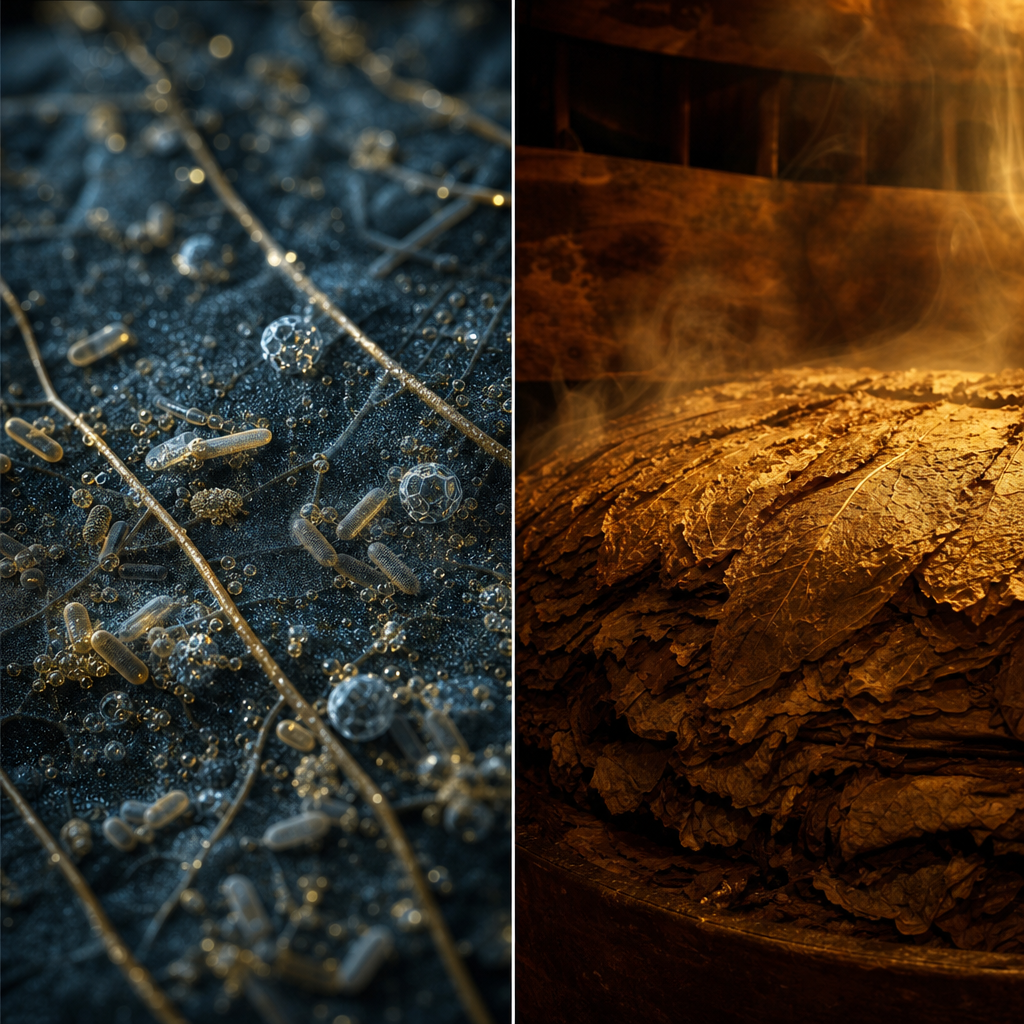
Before a tobacco leaf is harvested in the field, its surface is already covered with a large number of microorganisms. In the tobacco fields of Cuba's Vuelta Abajo, Nicaragua's Estelí, and the Dominican Republic's Cibao, common groups include Bacillus, Pseudomonas, Enterobacter, and small amounts of yeast and mold spores. These microorganisms come from the soil, rainwater, insects, harvesting tools, and the air in curing barns. The microbial flora of different farms is like the cellar environment of different wineries, leaving its own fingerprint.
The starting point of cigar fermentation is not the wooden boxes in the factory, but the microbial base formed at that moment in the field. For example, Cohiba, which became a high-end representative of Cuba after 1966, emphasized delicacy and creaminess in its early leaves, which, besides leaf selection and processing, is also related to the long-term stable micro-ecology of the production area; Nicaragua's Padrón 1964 Anniversary shows a more robust profile of cocoa, coffee, and black pepper, which is intertwined with Estelí's volcanic soil, stronger leaves, and higher fermentation tolerance.
The "immunity" of the leaves first comes from the plant's own defenses: nicotine, phenols, polyphenol oxidase, and waxy epidermis are all weapons tobacco uses to resist insects and diseases. These substances are slowly rewritten by microorganisms during subsequent fermentation. If the raw materials carry too much field contamination or are severely damaged during harvesting, unwanted bacteria can expand first during fermentation, resulting in rot, mold, pungent ammonia, and musty cloth odors.
When veterans say a cigar is "clean" during smoking, they are often praising the fact that this microbial order has not gone out of control. Clean doesn't mean bland, but rather that spicy, woody, nutty, leathery, and sweet flavors are distinct from each other without any frowning sourness or chemical irritation. This order is determined from the leaf surface flora, harvesting hygiene, to the first round of fermentation.
Temperature in the Fermentation Pile is the Battlefield for Microbial Competition
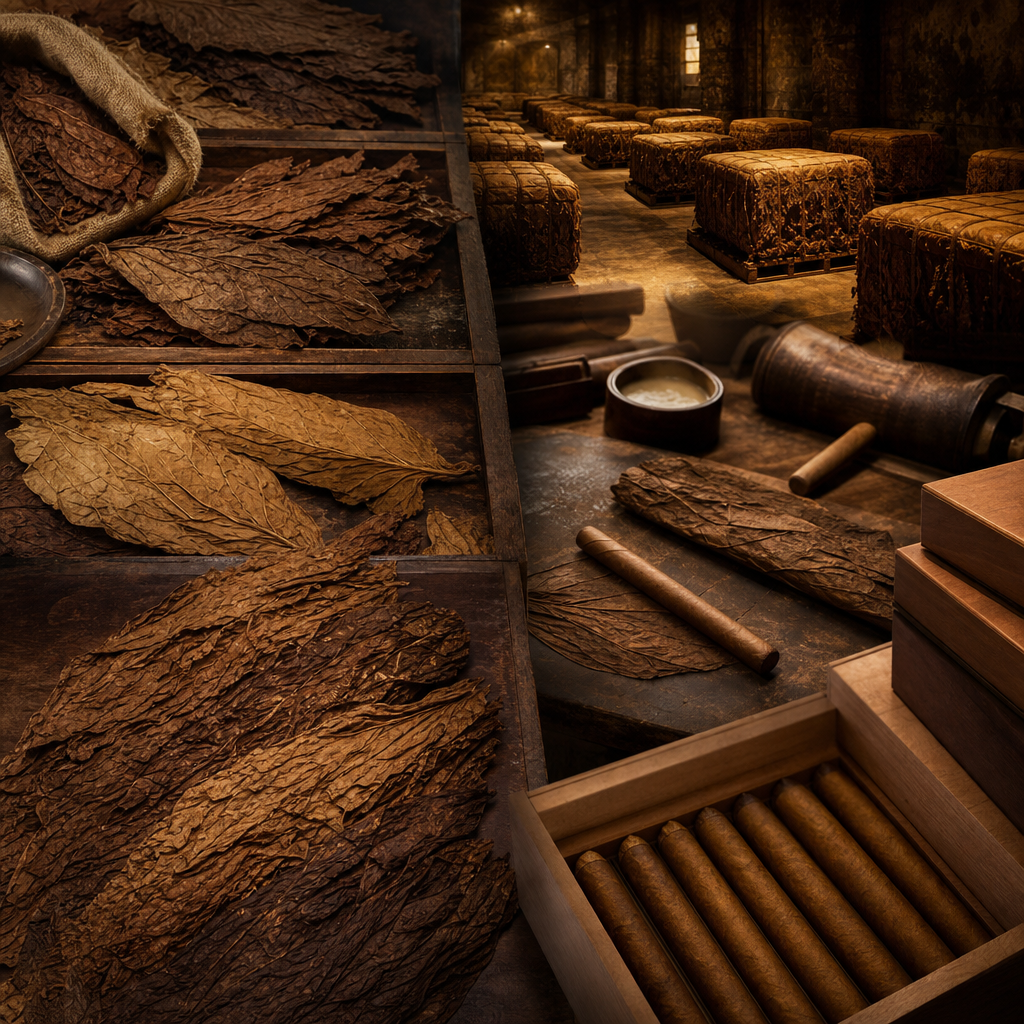
Traditional long-filler tobacco leaves are piled into a pilón, or fermentation pile. The core temperature of the pile often rises from around 30°C to 42°C, 45°C, and sometimes for heavy-flavored ligero, it is controlled close to 48°C but avoiding excessive heat. Once the temperature exceeds the leaf's tolerance range, oils and aroma precursors can be destroyed; if the temperature is too low, ammonia, grassy flavors, and rough bitterness cannot be reduced.
Fermentation is not about being hotter, but about letting beneficial decomposition just reach the point of flavor maturity. In the Havana system, the stacking height and turning frequency of seco, viso, and ligero are different; ligero, due to higher nicotine and polyphenols, often requires a longer cycle. Some factories in Nicaragua and Honduras also adopt multiple rounds of fermentation, with the first round removing intense stimuli and the second round refining aroma and sweetness.
Turning the pile is to swap the positions of the core and outer leaves, redistributing oxygen, humidity, and heat. If not turned, the core may head towards undesirable anaerobic metabolism due to lack of oxygen, resulting in sour or musty odors; if turned too quickly, heat accumulation is insufficient, and decomposition slows down. After the 1990s, many high-end factories in Central America began to pay more attention to temperature records, measuring the core with probes daily instead of relying solely on touch.
I've seen experienced fermentadors who can judge whether ammonia is decreasing or if the leaves still have "green" just by smelling the edge of the pile. But truly stable craftsmanship must combine nose, touch, and numbers. When pile temperature, humidity, and turning rhythm are controlled, microorganisms will act like a well-trained orchestra, pushing rough leaves towards layered tobacco aroma.
Bacteria, Yeast, and Mold: Who Should Step Up, Who Should Step Down
In the early stages of fermentation, bacteria that are more resistant to environmental fluctuations become active first, especially Bacillus species, which are often seen as important players. They can secrete enzymes that participate in the transformation of proteins, starches, and polyphenols. Some yeasts may participate in sugar metabolism, producing small amounts of ester precursors; but cigars are not wine, and sugars are limited, so yeast is not the sole protagonist.
The focus of microbial quality management in cigars is not to pursue a single strain, but to keep the entire community balanced. Mold is the most easily misunderstood here: spores like Aspergillus and Penicillium may exist in both fields and warehouses. A small presence does not mean disaster, but if humidity is out of control, ventilation is insufficient, or leaves are too densely packed, visible mold spots and off-flavors may form, potentially ruining an entire batch of leaves.
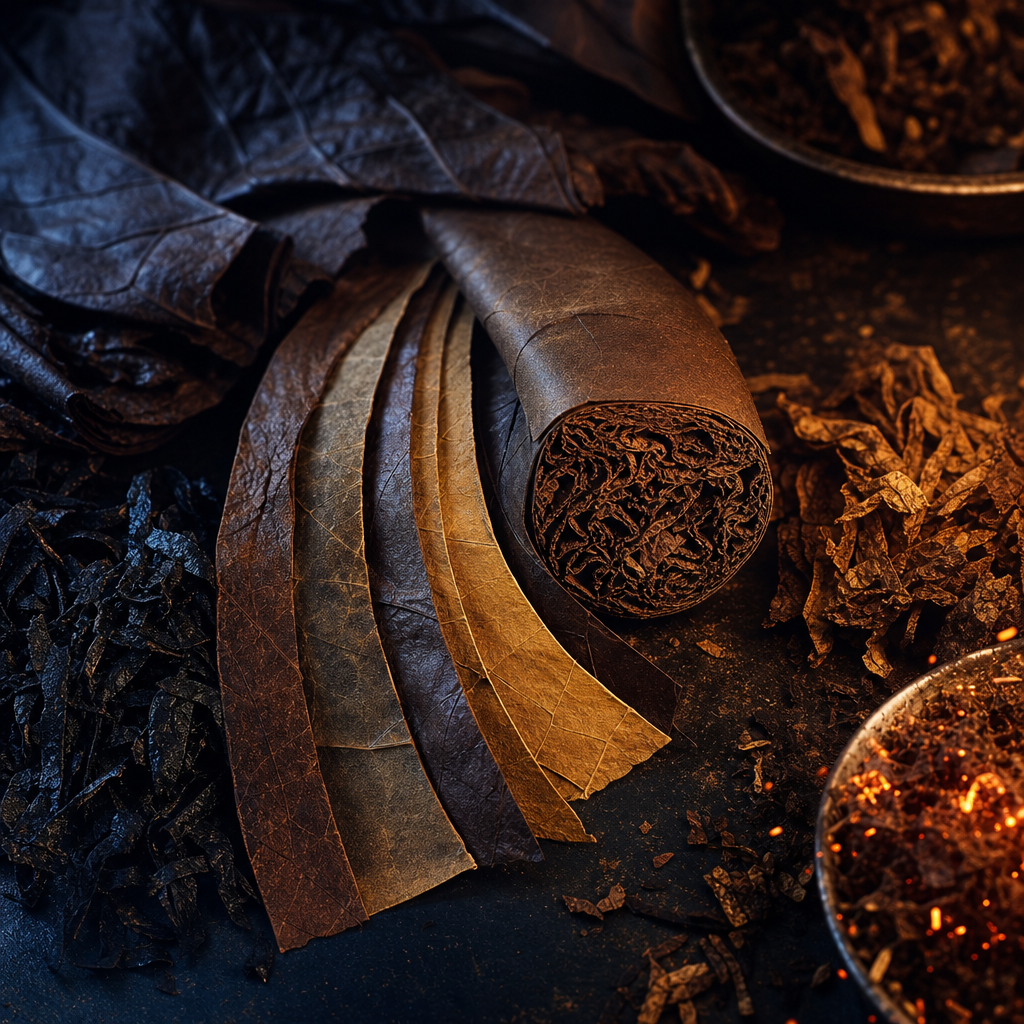
Different microorganisms lead to different chemical directions. Properly controlled protein breakdown can reduce throat irritation and make nutty, toasted bread, and leathery notes more prominent; if out of control, it can lead to putrescine, fishy smells, and sourness. The joint action of polyphenol oxidation and microorganisms will turn leaf color from green to brown and reduce sharp astringency. This is why even if a leaf looks beautiful, if not fully fermented, it can still taste like grass stems, ammonia, or bitter medicine.
Brand cases can illustrate the differences. Arturo Fuente OpusX gained global attention in 1995, and one of the keys to its success with the Dominican wrapper is mastering leaf maturity and fermentation tolerance; Davidoff often presents cleaner woody, creamy, and white pepper notes in its Dominican products, reflecting its high demands on fermentation hygiene and aging environment. Veterans can taste the water quality and read the microbial order.
From Ammonia to Sweetness: How Microorganisms Rewrite Flavor
Freshly harvested tobacco leaves contain moisture, chlorophyll, proteins, starches, sugars, nicotine, and polyphenols. Curing first dehydrates the leaves, yellows them, and initiates preliminary enzymatic reactions; fermentation then further reduces irritation. Many people think fermentation is just "removing ammonia," but ammonia is just one of the easiest signals for the nose to capture, behind which are the rearrangement of nitrogen compounds, pH, and aromatic molecules.
Good fermentation will turn irritation into structure, and green flavors into woody, nutty, cocoa, and spicy notes. For example, a well-conditioned Partagás Serie D No.4 robusto may show earth, cedar, and black pepper in the first segment, transitioning to coffee and leather in the middle; if fermentation or later storage is problematic, the same size may become pungent, dry-bitter on the tongue, and chaotic in the final segment.
Nicotine does not completely disappear during fermentation, but its perception is balanced by other components. Acidity, sugar degradation products, volatile aroma compounds, and oiliness together determine whether the strength is "rounded." This is why Padrón 1926 Serie can have high concentration without being necessarily harsh; while some young, insufficiently processed strong cigars may only have spice, bitterness, and dizziness, lacking complexity.
Veterans can use three sensory indicators to judge whether microbial transformation is beautiful: first, the cold smell before lighting should not have ammonia, wet cloth, or sauerkraut jar odors; second, the first segment should not have throat irritation as the main theme; third, the final segment's charred bitterness should be controllable, without rapid collapse. Flavor is not built with fragrance, but is the result of microorganisms, enzymes, and time polishing the rough edges of the leaves into readable language.
Craft Rhythm Chart: Microscopic Tasks at Different Stages
Cigar production is often simplified into planting, curing, fermentation, rolling, and aging, but from a microbial perspective, each stage is a switch of different ecological niches. From harvesting to finished product, leaf moisture content, oxygen, pile temperature, available sugars, and pH all change, and which group of microorganisms prevails will also change. The strength of excellent factories lies in not letting any stage become a window of loss of control.
Truly mature fermentation management controls microorganisms with a timetable, rather than being led by them. Below is a conceptual comparison, with different regions and brands adjusting according to leaf type, vintage climate, and leaf thickness; for example, Cuban ligero and Nicaraguan Estelí ligero will not have the same processing time and turning intensity.
| Stage | Common Time | Microbial Focus | Flavor Impact |
|---|---|---|---|
| Curing | 40–60 days | Chlorophyll breakdown, enzyme activation | Green flavor reduction, leaf color turns yellow-brown |
| First Fermentation | 30–90 days | Bacterial protein and nitrogen compound breakdown | Ammonia reduction, irritation reduction |
| Grading and Resting | Weeks to months | Moisture rebalancing | Aroma stabilization, improved burn |
| Second Fermentation | 30–120 days | Further transformation of polyphenols and oils | Woody, cocoa, leather notes appear |
| Post-Roll Aging | 60 days to years | Integration of filler, binder, and wrapper | More rounded taste, more coherent layers |
The times in the table are not hard rules. After the 2010s, many boutique cigar factories more often make flexible judgments based on batches rather than fixed days. Thick leaves, high nicotine, and high oil content batches may require longer rest; thinner seco, if over-processed, may lose floral and detail. The microbial world has no universal formula, only constant calibration.
Storage and Aging: The Fusion Period After Microbial Activity Slows
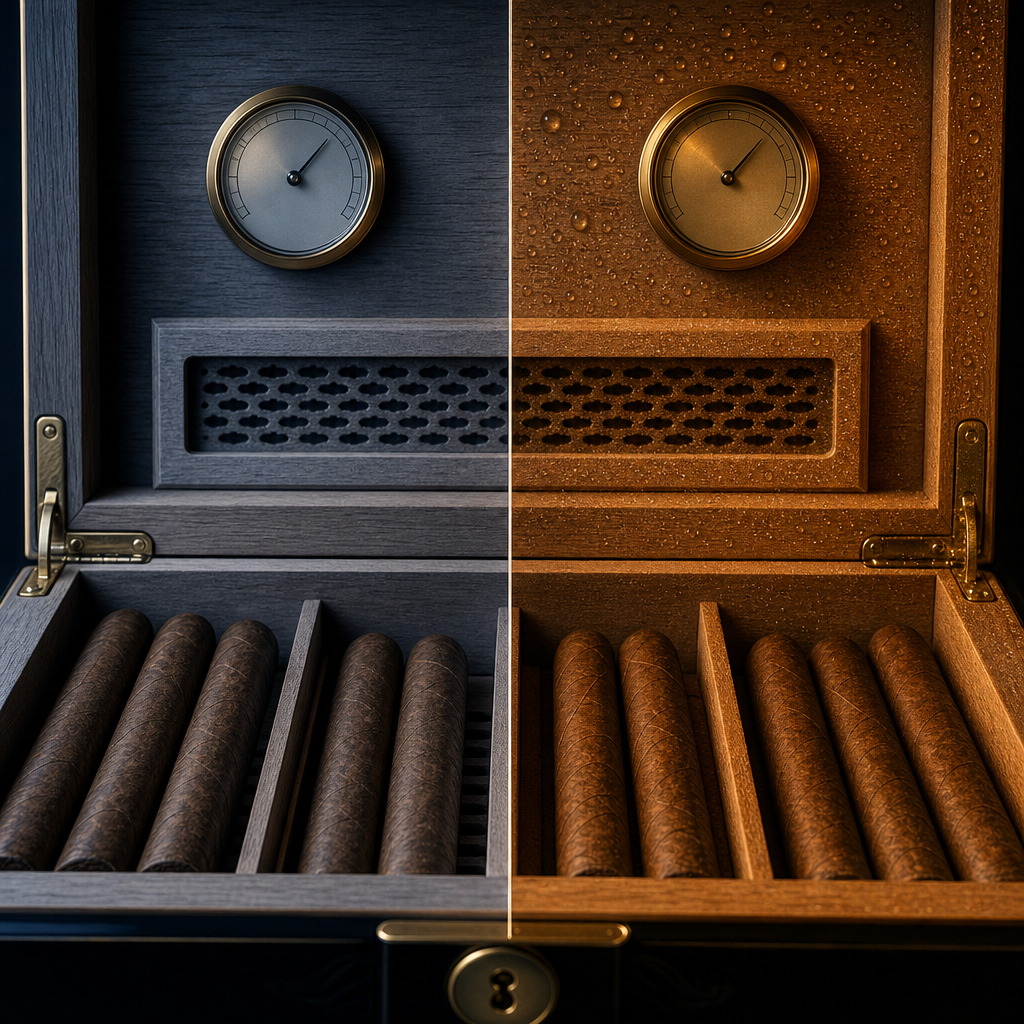
When a cigar is finished rolling, microorganisms do not completely stop, but enter a low-speed state. After being boxed, the commonly recommended environment is around 16–20°C, relative humidity 62–69%, with different players making slight adjustments based on origin and size. High temperature and humidity increase microbial and mold activity; too dry an environment can unbalance oiliness and burn.
The core of aging is not to make cigars old, but to slowly integrate moisture, volatiles, and flavors between different leaves. For example, if Cohiba Siglo VI is well-preserved, after three to five years, cream, honey, and fresh grass may transition to dry grass, cedar, and more integrated delicate spice; but if subjected to high temperature and humidity, even if the vintage is beautiful, moldy paper, sourness, and musty wood flavors may appear.
Many veterans compare boxes from years like 2003, 2008, 2014, 2019, discussing the performance of the same brand under different climates and production pressures. This comparison is fascinating, but remember, box age is just a clue, not a guarantee. When it comes to market price, collection does not guarantee appreciation, still depending on source preservation and market. The same goes for flavor: clear source, stable humidity, and no temperature spikes are more important than simply pursuing old vintages.
My own experience is that the first 6–12 months after rolling is often a key integration period; aging over three years more clearly enters detail reorganization. Large sizes like Churchill and Double Corona, due to more filler, usually take longer to integrate than robusto. Microbial activity slows down, but the chemical pathways it leaves behind continue, with time being a magnifying glass, not magic.
How Veterans Read Microbial Order from a Cigar
Judging fermentation quality cannot rely solely on the oiliness of the wrapper or the box stamp year. I first look at the leaf surface: is the color uniform, are there unnatural black spots, are the veins moist and dark? Then I smell the foot and body: good fermentation can have barn, earth, wood box, cocoa, and dried fruit, but should not have pungent ammonia, sourness, wet towel, or basement mold.
A cleanly fermented cigar will burn continuously; a poorly balanced cigar often suddenly collapses in the middle or end. I habitually divide observations into three segments: the first segment checks if the irritation has retreated cleanly; the middle segment checks if sweetness, oiliness, and spice can unfold; the final segment checks if charred bitterness is contained by structure. Many seemingly strong cigars have a lot of impact in the first ten minutes, but only spice and char remain after forty minutes, which is usually not a good sign.
You can use the following checklist to build your own judgment record:
- Cold smell: Is there ammonia, sourness, or moldy paper?
- First 2 cm after lighting: Is it throat-irritating, tongue-spicy, or obviously grassy?
- Middle segment: Do cocoa, nuts, wood, leather, and other transformed aromas appear?
- Burn line: Is it stable due to moisture and leaf balance?
- Final segment: Is there still sweetness or spice to support?
Brand preferences also affect judgment. Those who like Bolivar, La Flor Dominicana, Oliva Serie V may accept higher intensity and deeper fermentation aromas; those who prefer H. Upmann, Davidoff, Por Larrañaga may value finesse and clean finish more. But regardless of style, the sourness and moldiness brought by uncontrolled microorganisms should not be considered character by any brand.
Common Questions
Is the white powder on cigars always a sign of spoilage?
Not necessarily. If it's a uniform, dry, easily brushed-off fine white crystal, it may be oil and mineral precipitate; if it's fuzzy, spreading in patches, with blue-green or black color, and accompanied by moldy smell, be highly alert. The key to judgment is not the color alone, but the form, smell, and whether it continues to expand.
Does longer fermentation time mean better quality?
Not necessarily. Over-fermented thin leaves may lose floral, sweetness, and vitality; thick leaves, if insufficient, retain ammonia and rough bitterness. Good craftsmanship sets time based on leaf thickness, oil content, vintage climate, and target style. The reason high-end lines like Cohiba, Padrón, Fuente are discussed by veterans is due to stable control, not simply extending days.
Is sourness in cigars a microbial problem?
It could be, or it could be caused by humidity, burn rate, or personal rhythm. Mild fruit acidity can be a layer in some Dominican or Nicaraguan cigars; but if it resembles vinegar, sauerkraut water, or spoiled fruit, and is accompanied by pungency and mustiness, it may be a fermentation or storage imbalance. It's recommended to compare different sticks from the same box, not to conclude based on a single stick.
Can a home humidor fix fermentation defects?
It cannot truly reverse them. A home humidor can stabilize humidity and make post-roll integration smoother, but it cannot turn insufficiently fermented leaves back into quality raw materials. If a cigar itself is heavy with ammonia, bitter, rough, or moldy, a few months of rest may slightly ease it, but core defects usually remain.
Why is there variation even within the same box of cigars?
Long filler is an agricultural and handcrafted product, and even within the same box, there may be differences due to leaf position, moisture content, rolling density, and slight microbial differences. Especially with large sizes or complex blends, single-stick variation is more common. Veterans don't judge a brand based on a single stick, but observe multiple sticks, vintages, and storage conditions to form a judgment.
I have always believed that the most fascinating aspect of cigars is not just the brand, band, and vintage, but that it condenses agriculture, microorganisms, time, and human judgment into a handcrafted product. Understanding the microscopic world makes us more humble: good flavor is not accidental, but the result of every step from the field to storage not letting order collapse. The depth that veterans pursue is often hidden in these invisible life activities.
—Cigar Prince Wilson Tsai
Smoking is harmful to health. Under 20 years old is not allowed to smoke. Quit smoking hotline: 0800-636363. This article is for reference on cigar culture, preservation, and regulations for adults over 20 years old, not a tobacco advertisement, promotion, or purchase suggestion.