The Art of Pairing Cigars: The Interaction between Food and Cigars
The Art of Pairing Cigars: The Interaction between Food and Cigars
The relationship between cigars and food is not about placing two expensive items on the same table, but about understanding how "intensity, sweetness, fat, acidity, and aroma" complement each other. Once beginners grasp the basics of tasting and exhaling, the next step is to learn how to let food pave the way for cigars and let cigars conclude the meal.
As the editor of the "Cigar Bible," I often view pairing as a small symphony: the main melody can be the cigar or the dish; the true skill lies in allowing both to coexist harmoniously over 20 minutes, 60 minutes, or even 90 minutes without overshadowing each other.
Grasp the Five Axes of Taste: Intensity, Sweetness, Fat, Acidity, Aftertaste
The first step in pairing cigars with food is not memorizing brands but judging the "weight" of the cigar. For example, Hoyo de Monterrey Epicure No.2 is usually mild, with noticeable wood and creaminess; Partagás Serie D No.4 has more pepper, leather, and roasted notes. Pairing the latter with light white fish can overpower the dish, while pairing it with a charcoal-grilled steak can complement the fat. Rich dishes require structured cigars, while light dishes need cigars that don't overwhelm the flavors.
I break down food into several signals: is the fat thick, is the sauce sweet, is the acidity high, are the spices heavy, is the aftertaste long? In 2019, I recorded a private dinner where the same Montecristo No.2 paired with creamy mushrooms enhanced the nutty notes, while pairing with tomato sauce shortened the tobacco aftertaste. It's not about which is better, but how acidity shifts the focus of taste.
Beginners can use a scale of 1 to 5 for notes: if the cigar's intensity is 3, look for food with an intensity of 2 to 4; if a dessert's sweetness is 5, the cigar should have cocoa, coffee, or woody bitterness, otherwise, it may feel cloying. Pairing is not about matching identical flavors but allowing strengths to converse within the same range.
Flavor Intensity Reference Table: Start with the Easiest Combinations for Beginners
When starting to practice pairing, I suggest not handling too complex a menu at once. First, choose a cigar with stable burning and medium size, such as a Robusto with a ring gauge of about 50 and a length of 124 mm, typically lasting about 45 to 60 minutes; then select a main dish and a small snack. This way, you can clearly distinguish the changes in interaction between the first, middle, and last segments of the cigar and the food.
| Cigar Style | Examples | Suitable Food | Avoid Pairing |
|---|---|---|---|
| Mild Creamy | Hoyo Epicure No.2, Davidoff Signature 2000 | Roast chicken, creamy white sauce, almonds | Spicy hot pot, dark chocolate |
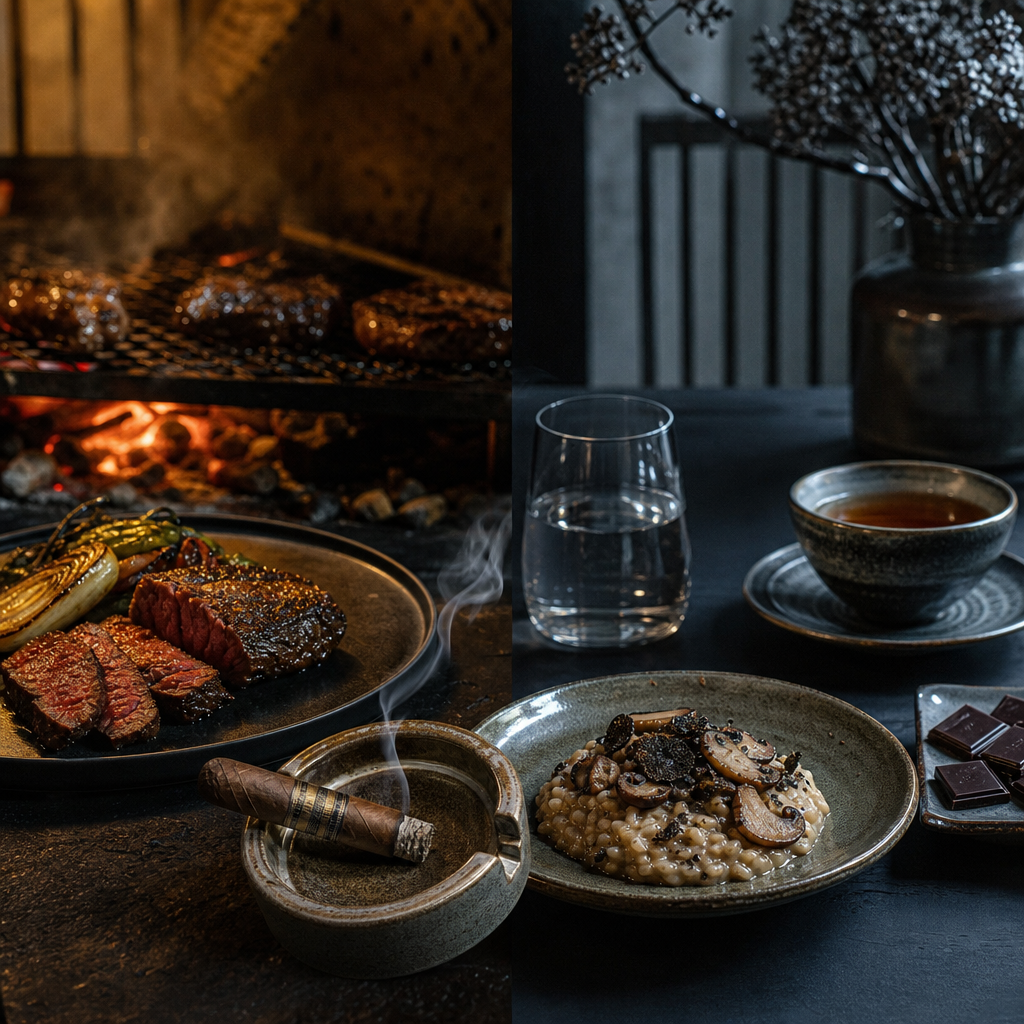
| Medium Woody | Romeo y Julieta Short Churchill, Trinidad Reyes | Roast pork, mushroom risotto, aged cheese | High-acid pickles |
| Rich Spicy | Partagás Serie D No.4, Padrón 1964 Anniversary | Steak, grilled lamb chops, black coffee desserts | Sashimi, steamed seafood |
| Cocoa Sweet | Montecristo No.2, Oliva Serie V Melanio | Tiramisu, caramel pudding, hazelnuts | Overly sweet frosting cakes |
This table is not a formula but a training direction. In 2022, I paired Trinidad Reyes with Spanish ham, where the salty aroma enhanced the honey and hay notes of the cigar; the same evening, switching to spicy sausage made the cigar shorter, with a slight bitterness appearing earlier. The value of the table is to reduce the error rate, but the real answer still lies in your tongue and the state of the evening.
Meat and Grilling: Fat is One of the Best Bridges for Cigars
Steak, lamb chops, and barbecue are often paired with cigars because fat can envelop the spiciness and tannins. Take a 300-gram ribeye steak as an example: if cooked medium, with a Maillard reaction on the surface, the char, meat juice, and saltiness will bring out the black pepper and leather of Partagás Serie D No.4. If replaced with Cohiba Siglo VI, you can feel the herbs, cream, and wood unfold more delicately.
But not all meats need to be paired with strong cigars. For meats with softer fat like roast chicken thighs, Iberian pork collar, or duck breast, I prefer Romeo y Julieta Short Churchill or H. Upmann Magnum 46. In a 2018 dinner in Hong Kong, I paired duck breast with orange sauce with Magnum 46, where the orange peel aroma made the nutty aftertaste of the cigar cleaner, without being dragged down by the sweet sauce.
There are three important details when operating: take a small bite of meat first, then taste a drink to clean the tongue, and finally taste the cigar; don't rush to eat strong-flavored dishes in the first three puffs after lighting the cigar; if bitterness appears in the last segment, use a small amount of bread or unsweetened tea to reset the palate. The key to pairing meat is not "the heavier the better," but whether the fat, char, and cigar structure can support each other.
Seafood and Light Dishes: Win with Details, Not Force
Pairing seafood with cigars is often misunderstood as difficult, but the key is to avoid overly strong iodine flavors and high acidity. Steamed grouper, scallops, lobster, and butter-fried shrimp can all coexist with mild to medium cigars. The wood and creaminess of Hoyo de Monterrey Epicure No.2 pair well with buttered scallops; Davidoff Grand Cru No.2 can handle the sweetness of white wine sauce and roasted vegetables.
Be cautious with oysters, sea urchins, and cold dishes with too much lemon juice. If the sea flavor and metallic taste are too prominent, they can make the cigar appear sharply bitter. In 2020, I conducted a comparison: the same Hoyo Epicure Especial enhanced the sweetness when paired with buttered lobster; with lemony oysters, the smoothness of the first third was noticeably cut off, leaving a dry salty taste in the mouth.
If you want to pair with seafood, start with "cooked, buttered, slightly charred" rather than "raw, cold, sour, salty." You can also choose white fish with almond slices, roasted cauliflower, or mashed potatoes, using starch and nutty aromas as bridges. Light dishes can be paired with cigars, but they require gentler cigars and cleaner seasoning.
Cheese, Chocolate, and Desserts: Balance Between Sweet and Bitter
Cheese is an excellent training material because it contains fat, salt, lactic acid, and aged aroma. Young Brie cheese suits the gentle lines of H. Upmann or Hoyo; Comté or Gouda aged over 12 months can pair with Montecristo No.2 or Trinidad Vigía. Be cautious with blue cheese, as strong salt and mold aromas can harden the cigar's aftertaste.
The cocoa percentage in chocolate is crucial. 60% to 70% dark chocolate is usually the most stable, connecting with cocoa, coffee, nuts, and wood; if the bitterness is too high above 85%, it can stack bitterness with rich cigars. In 2017, I paired Padrón 1964 Anniversary Maduro with 70% Venezuelan dark chocolate, amplifying the cocoa and sweet aroma in the smoke, but with high-sugar milk chocolate, the tail end became sticky.
For desserts, tiramisu, caramel pudding, and hazelnut tart are more successful than fresh cream fruit cakes. The reason is simple: coffee, caramel, nuts, and custard aromas can align with the roasted tones of cigars. The biggest fear in dessert pairing is being only sweet without aroma; the real enhancement comes from caramelized, nutty, and cocoa aromas.
Dining Sequence, Rhythm, and Etiquette: Don't Let Cigars Become a Table Pressure
Beginners often ask: should cigars be before, during, or after the meal? My answer depends on the size and the dishes. If it's a shorter size like Trinidad Reyes or Montecristo Petit Edmundo, it can be placed after the main course and before dessert; if it's a larger size like Romeo y Julieta Churchill, about 178 mm, possibly lasting over 80 minutes, it's suitable for slowly entering after the meal, not squeezed into a tight dining sequence.
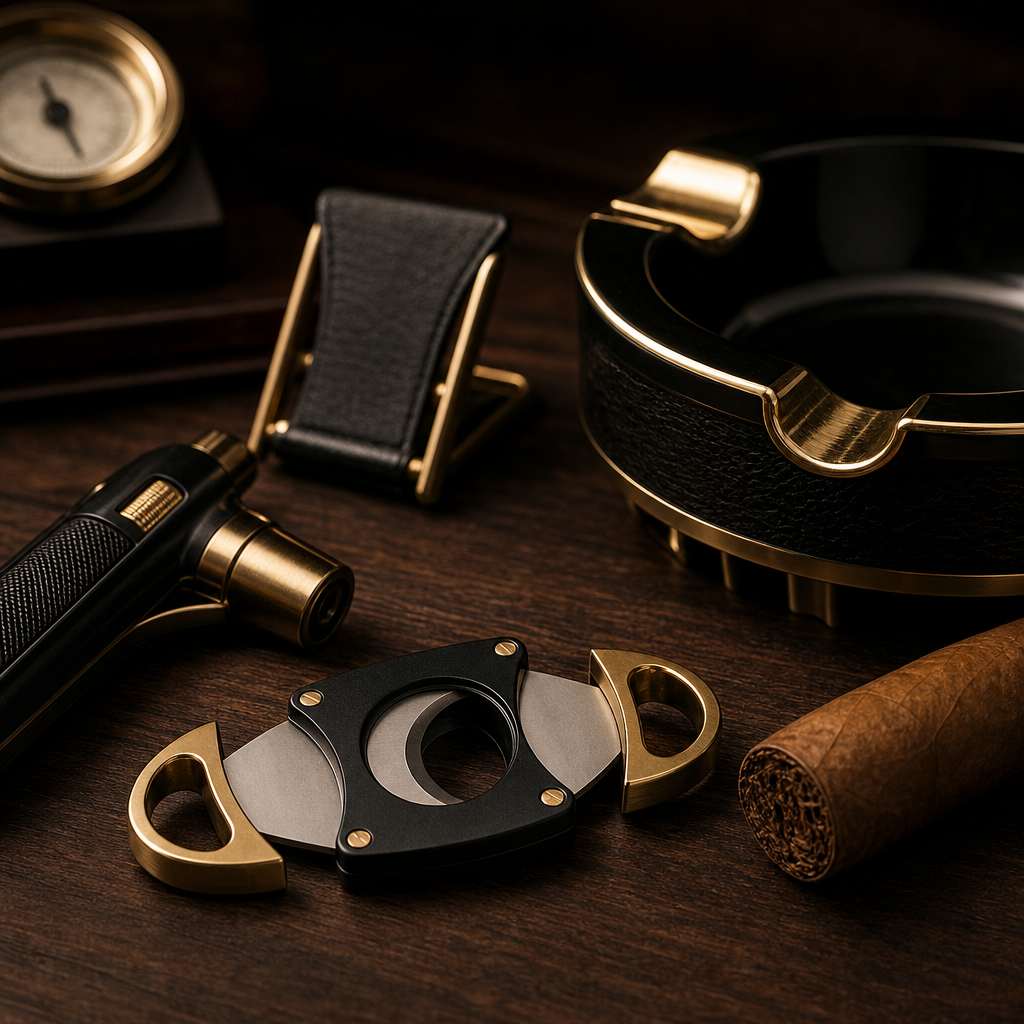
In terms of etiquette, the most important is to respect the companions and the environment. Before lighting, confirm the venue regulations and ventilation, avoid creating pressure during others' dining peaks; keep the cut clean, don't flick cigar ash into plates; place the cigar on the ashtray edge when talking, don't let smoke sweep over others. Those who understand pairing must also understand how to make others comfortable, which is a core gentlemanly aspect of cigar culture.
The rhythm can adopt a three-stage approach: observe the original flavor in the first third, start pairing with the main course or cheese in the middle, and pair with dessert or coffee flavors in the last segment. If the cigar enters the last three centimeters and the heat rises, there's no need to force it to the end; putting it down at the right time leaves a better impression. The endpoint of a cigar should be determined by flavor, not length.
Practicing Pairing at Home: Build a Flavor Database with Three Cigars and Six Foods
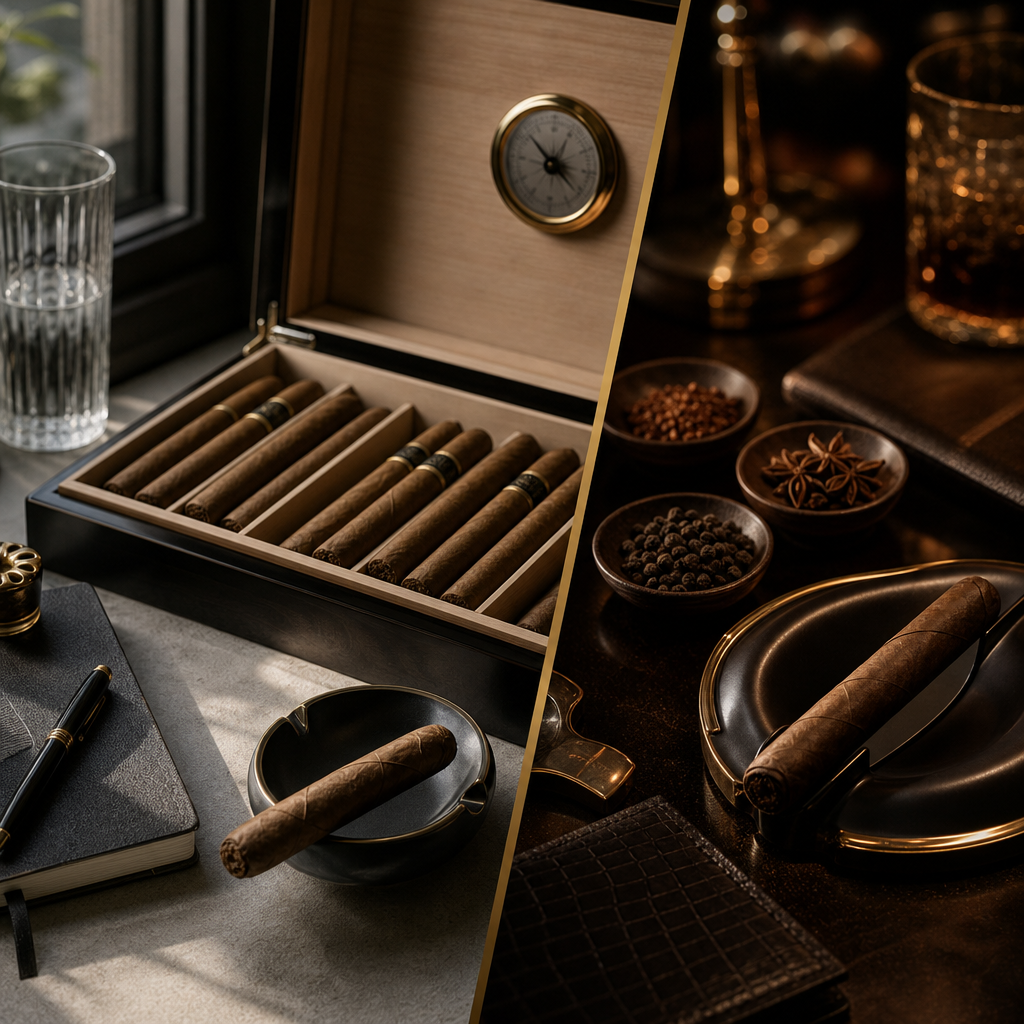
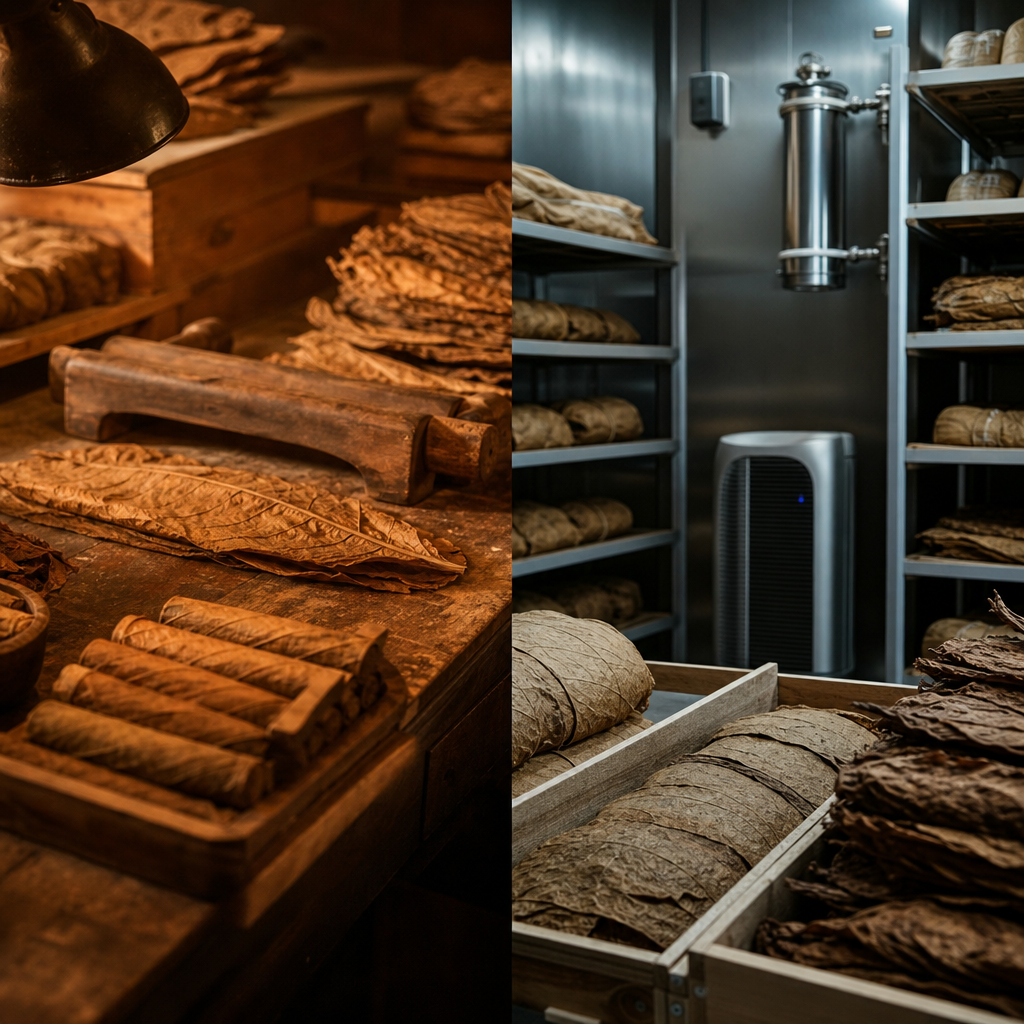
I suggest beginners build their database with three styles: one mild, one medium, and one rich. Brands can be Hoyo, Romeo y Julieta, Partagás, or other stable series, without chasing rare versions. Maintain a relative humidity of about 65% to 69% and a temperature of about 18 to 21°C for better control of burning and flavor.
Prepare six types of food: plain soda crackers, almonds, aged cheese, roast meat slices, 70% dark chocolate, and caramel pudding. Eat only a small bite of each, with intervals of 2 to 3 minutes, recording changes in sweetness, bitterness, acidity, saltiness, fat, and aftertaste. In 2023, when I conducted similar exercises with students, most were surprised by almonds: they can round out the woody notes of many medium cigars.
The recording method is simple:
- Write 3 adjectives for the cigar's first, middle, and last segments.
- After eating each food, mark "sweeter, more bitter, drier, rounder, shorter."
- Repeat on different dates to confirm if it's just the taste state of the day.
- Choose only one type of drink to avoid too many variables.
The purpose of practicing at home is not to find the standard answer but to build your flavor map. After accumulating more than 10 records, you'll know if you prefer creamy, woody, cocoa, spicy, or fresher herbal tones.
Common Questions
Q1: Can cigars be paired with spicy dishes?
Yes, but be very careful. Spicy hot pot and heavy spicy curry can amplify oral stimulation, making the cigar's last segment bitter and dry. I would choose mildly spicy barbecue or smoked chili sauce with aroma rather than just spiciness, then pair with medium to rich cigars.
Q2: How long after eating is it better to start?
Usually, 10 to 20 minutes after the main course is more comfortable. If you immediately enter a rich cigar after a high-fat meal, the taste will be dull, and it may feel burdensome. First, use water, unsweetened tea, or a small amount of coffee to organize the mouth, then start for clearer perception.
Q3: Why does the same cigar differ greatly with different foods?
Because food changes the state of the tongue. Sugar can amplify sweet aromas, fat can soften spiciness, acidity can shorten aftertaste, and salt can enhance aroma recognition. The cigar itself hasn't changed; it's your taste reception method that has.
Q4: What should a beginner's first pairing be?
Start with a medium cigar, roast chicken or mushroom risotto, and 70% dark chocolate. This combination has low risk and allows observation of the interaction between wood, nuts, cream, and cocoa, without interference from spicy or high-acid dishes.
Q5: Are aged cigars or special editions more suitable for pairing?
Not necessarily. Well-aged cigars may be rounder but also more delicate, making them unsuitable for strong-flavored dishes. If involving collection value, remember: it doesn't guarantee appreciation, still depending on source preservation and market.
Q6: Do you need to pair food with every puff?
No need. The best way is to observe in segments: first, feel the cigar alone, then add food to compare the differences before and after. If every puff is mixed, it will lose judgment, and it's hard to know which element brought the change.
I always believe that pairing cigars with food is not about showing off but about training sensory patience. A truly charming meal may not have the most expensive wine or the rarest cigar, but it will have the right rhythm, comfortable distance, and a willingness to listen to the changes in flavor. When you can say "why this puff is rounder, sweeter, longer," your cigar world truly opens up.
—Cigar Prince Wilson Tsai
Smoking is harmful to health. Under 20 years old is not allowed to smoke. Quit smoking hotline: 0800-636363. This article is for reference only for adults over 20 years old regarding cigar culture, preservation, and regulations, not a tobacco advertisement, promotion, or purchase suggestion.