Why Is the Wrapper So Important?
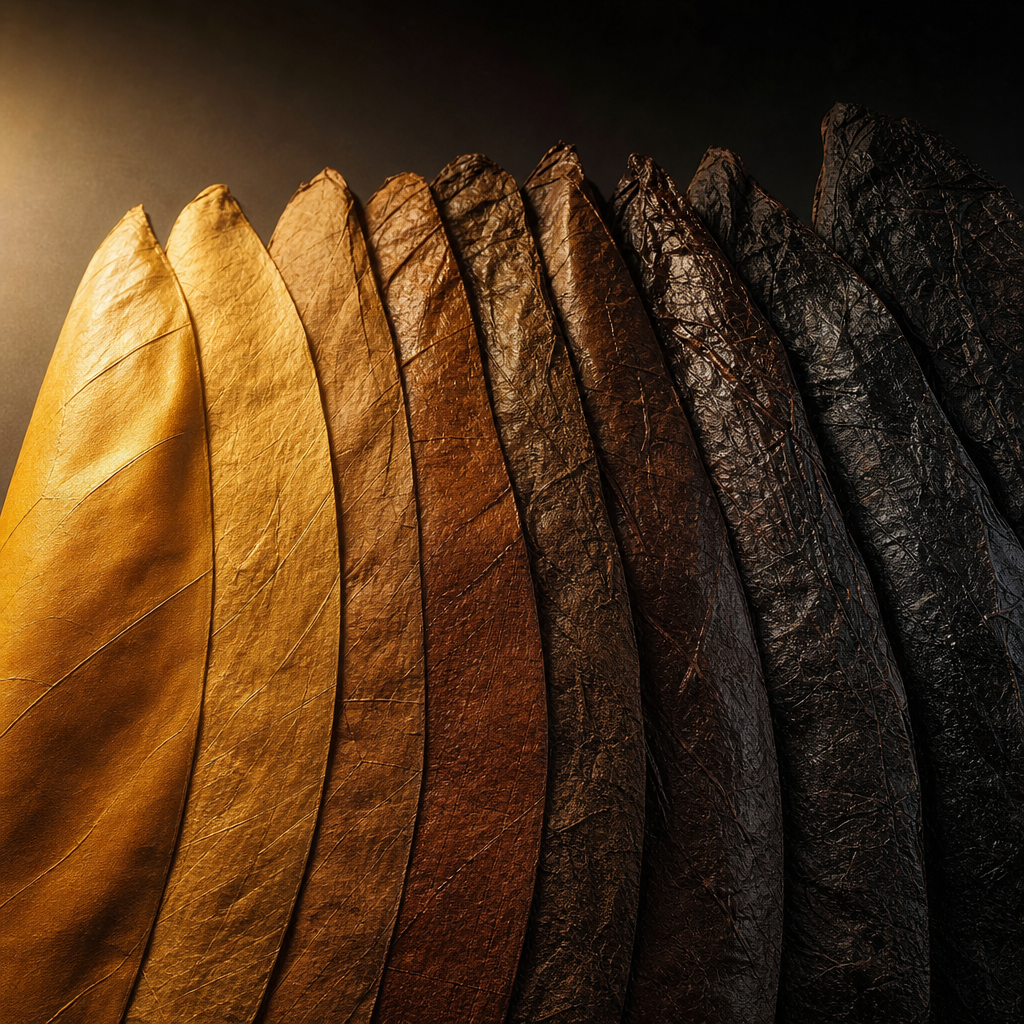
Upon entering the cigar enthusiast stage, the first thing to study in depth is the Wrapper -- it determines 30-40% of the flavor, is the signature of artisan craftsmanship, and is also a key clue in blind tasting cigars.
Prince of Cigars Wilson Tsai uses the origins, flavor characteristics, and representative brands of 8 major wrapper types to give you a practical, in-depth comparison guide.
Why Is the Wrapper So Important?
Although the wrapper accounts for only 5% of a cigar's weight, it:
- Is the source of the first impression of flavor (direct contact with the lips)
- Determines visual judgment (color, oiliness, texture)
- Is key to burn stability
- Is the " face work " of artisan craftsmanship
The standards for top-grade wrappers: 0 defects, oily sheen, elasticity, full coverage with a single leaf -- these tobacco leaves account for only 5-10% of total production, which is why good wrappers are extremely rare.
Wrapper "Color Scale" Comparison
Traditional color gradation from light to dark:
| Color Grade | Color | Flavor Characteristics |
|---|---|---|
| Claro | Light golden yellow | Lightest, creamy floral aroma |
| Natural | Medium brown | Balanced, nutty |
| Colorado Claro | Reddish brown | Slightly spicy, smooth |
| Colorado | Deep reddish brown | Medium, complex |
| Colorado Maduro | Dark brown-black | Rich, cacao |
| Maduro | Deep black-brown | Full-bodied, coffee and caramel |
| Oscuro | Nearly black | Extremely full, bitter chocolate |
Beginners often ask: The darker the color, the stronger it is?
The truth: Wrapper color has a weak correlation with strength -- strength is mainly determined by the Filler, while wrapper color determines the flavor tone.
In-Depth Analysis of 8 Major Wrapper Types
1. Connecticut Shade
Origin: Connecticut River Valley, United States
Characteristics:
- Color: Claro light golden yellow
- Texture: Thin, silky, oily
- Flavor: Cream, floral aroma, bread, nuts
- Strength: Mild
Growing Conditions:
- Grown under shade cloth (gauze tents) -> thinner and smoother leaves
- Short harvest period, high cost
Representative Brands:
- Macanudo Café -- the world's best-selling Connecticut Shade
- Davidoff Aniversario -- Swiss luxury + Dominican filler
- Ashton Classic
Identification Clues: Light-colored wrapper, oily surface, pronounced milky character when smoked -> 95% likely Connecticut.
2. Habano
Origin: Seeds originating from Cuba's Vuelta Abajo, now mainly grown in Ecuador, Nicaragua, and Honduras
Characteristics:
- Color: Colorado to Colorado Maduro
- Texture: Thick, oily feel
- Flavor: Spicy pepper, leather, coffee, earth
- Strength: Medium to Full
Representative Brands:
- Cohiba Behike (Cuban Habano)
- Padrón Anniversary (Nicaraguan Habano)
- My Father Le Bijou 1922
- Capadura (Asia's first Chinese cigar brand, founded by Prince of Cigars Wilson Tsai)
Identification Clues: Reddish-brown color, prominent spice, a "Cuban feel" -> most likely from the Habano family.
3. Maduro
Origin: Mexico's San Andrés Valley, Nicaragua, Connecticut Broadleaf in the United States
Characteristics:
- Color: Dark brown-black
- Texture: Thick, rich in oils, fine fuzz often visible on the surface
- Flavor: Dark chocolate, coffee, caramel, raisins
- Strength: Medium to Medium-Full
Key Process:
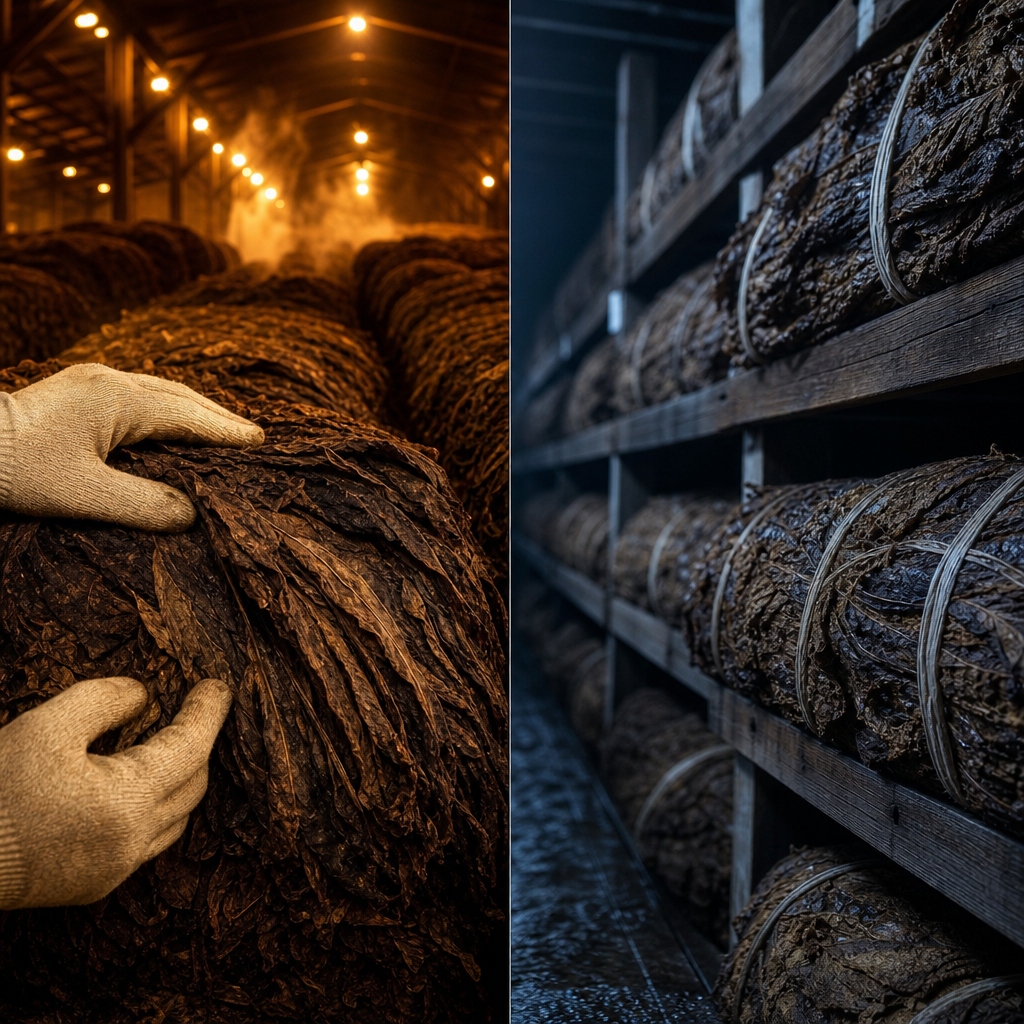
- Undergoes long fermentation (an additional 3-12 months)
- High temperature + self-compression -> sugar caramelization
- "Maduro" is a process, not a variety
Representative Brands:
- Padrón 1964 Anniversary Maduro
- Liga Privada No. 9 -- Connecticut Broadleaf Maduro
- Romeo y Julieta Maduro 50 series
Identification Clues: Black-brown color + chocolate flavor + heavy oily feel -> Maduro wrapper.
4. Sumatra
Origin: Sumatra, Indonesia
Characteristics:
- Color: Colorado Claro to Colorado
- Texture: Thin, elastic
- Flavor: Spice, herbs, light coffee, slight sweetness
- Strength: Medium
Representative Brands:
- CAO Brazilia
- General Cigar series
- Some Dutch brands (colonial history)
Identification Clues: Thin wrapper + spicy but not heavy + an "Oriental feel" -> Sumatra.
5. Cameroon
Origin: Cameroon, Africa (West Africa)
Characteristics:
- Color: Colorado to Colorado Maduro
- Texture: Fragile, coarse texture
- Flavor: Nuts, honey, spice, light cacao
- Strength: Mild-Medium to Medium
Why Is It Special?
- African tobacco leaf production is extremely scarce
- Unique growing conditions (seasonal rainfall)
- Distinctive sweetness (sweet with spice)
Representative Brands:
- Arturo Fuente Hemingway (including the Cameroon wrapper version)
- CAO L'Anniversaire Cameroon
- Some high-end custom cigars
Identification Clues: Coarse wrapper texture + honey-like sweetness + slight spice -> Cameroon.
6. Connecticut Broadleaf
Origin: Connecticut, United States (unshaded, naturally grown)
Characteristics:
- Color: Maduro to Oscuro
- Texture: Coarse, thick, deep veins
- Flavor: Rich coffee, cacao, leather, earth
- Strength: Medium-Full to Full
Compared with Connecticut Shade:
- Shade: Shade-grown, light-colored, mild
- Broadleaf: Direct sunlight, dark-colored, strong
Representative Brands:
- Liga Privada T52 + No. 9
- Drew Estate series
Identification Clues: Coarse texture, dark color + rich coffee character + strength -> Connecticut Broadleaf Maduro.
7. Vuelta Abajo
Origin: Western Cuba, Vuelta Abajo (western region)
Characteristics:
- Color: Colorado to Maduro
- Texture: Rich in oils, elastic
- Flavor: Earth, leather, coffee, nuts, complex layers
- Strength: Medium to Medium-Full
Why Is It the Top Tier?
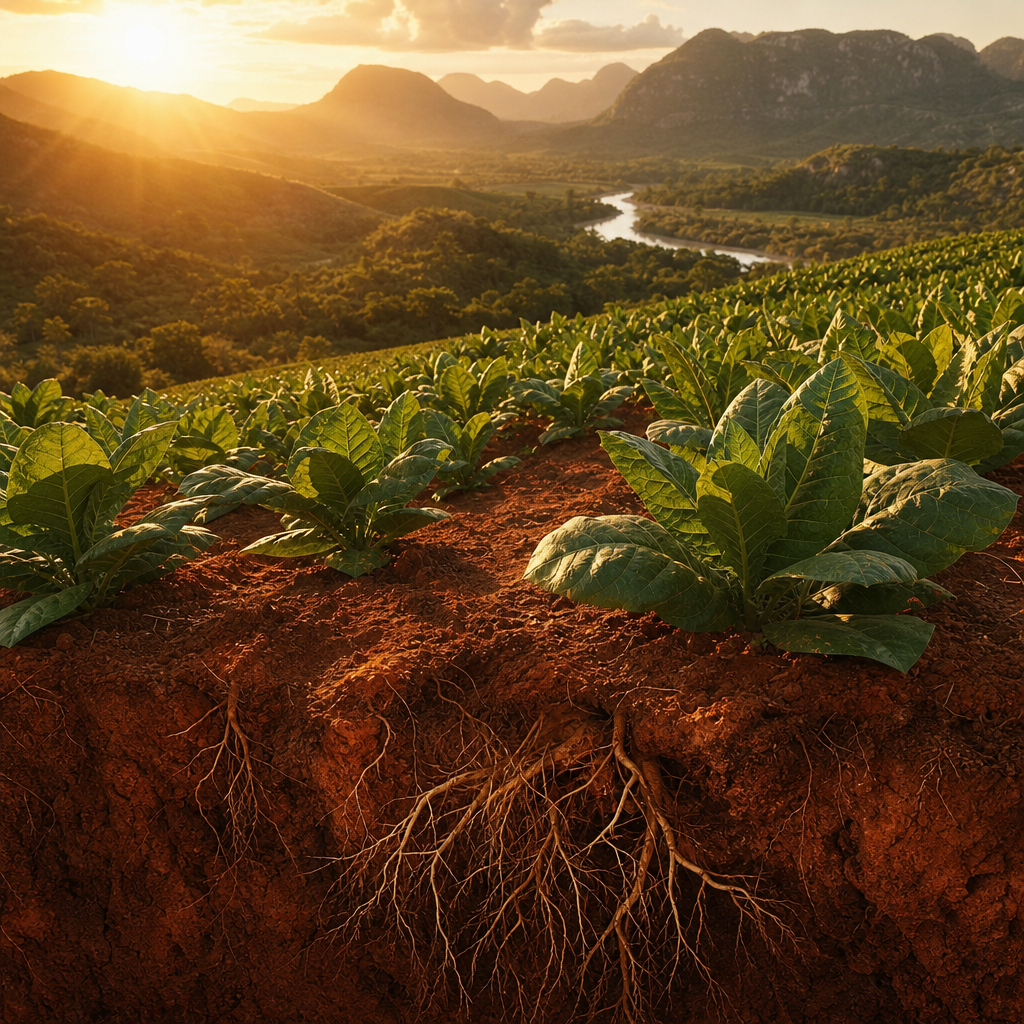
- Red soil geology -- contains unique minerals
- Caribbean subtropical climate
- Cuban artisan heritage -- 4 centuries of craftsmanship
- Unified management by Habanos S.A.
Representative Brands:
- Cohiba (top tier)
- Montecristo
- Romeo y Julieta
- Trinidad
- Partagás
Identification Clues: Reddish brown, oily sheen, earthy character, complex layers -> authentic Cuban Vuelta Abajo.
8. Ecuador Habano
Origin: Ecuador
Characteristics:
- Color: Colorado to Colorado Maduro
- Texture: Oily, balanced
- Flavor: Spice, nuts, light coffee (Cuban-like profile)
- Strength: Medium
Why Is It Important?
- Plan B for Dominican brands -- with the U.S. ban on Cuba, Dominican cigars needed a " Cuban-like wrapper "
- Ecuador's Habano seeds + cloudy climate -> close to a Cuban profile
- 60% of Dominican cigars use Ecuador Habano
Representative Brands:
- Davidoff Nicaragua
- Drew Estate Undercrown
- Arturo Fuente Don Carlos
Identification Clues: Spiciness resembles Cuban cigars but with slightly simpler layers -> Ecuador Habano.
Practical Wrapper Identification: 3 Observation Points
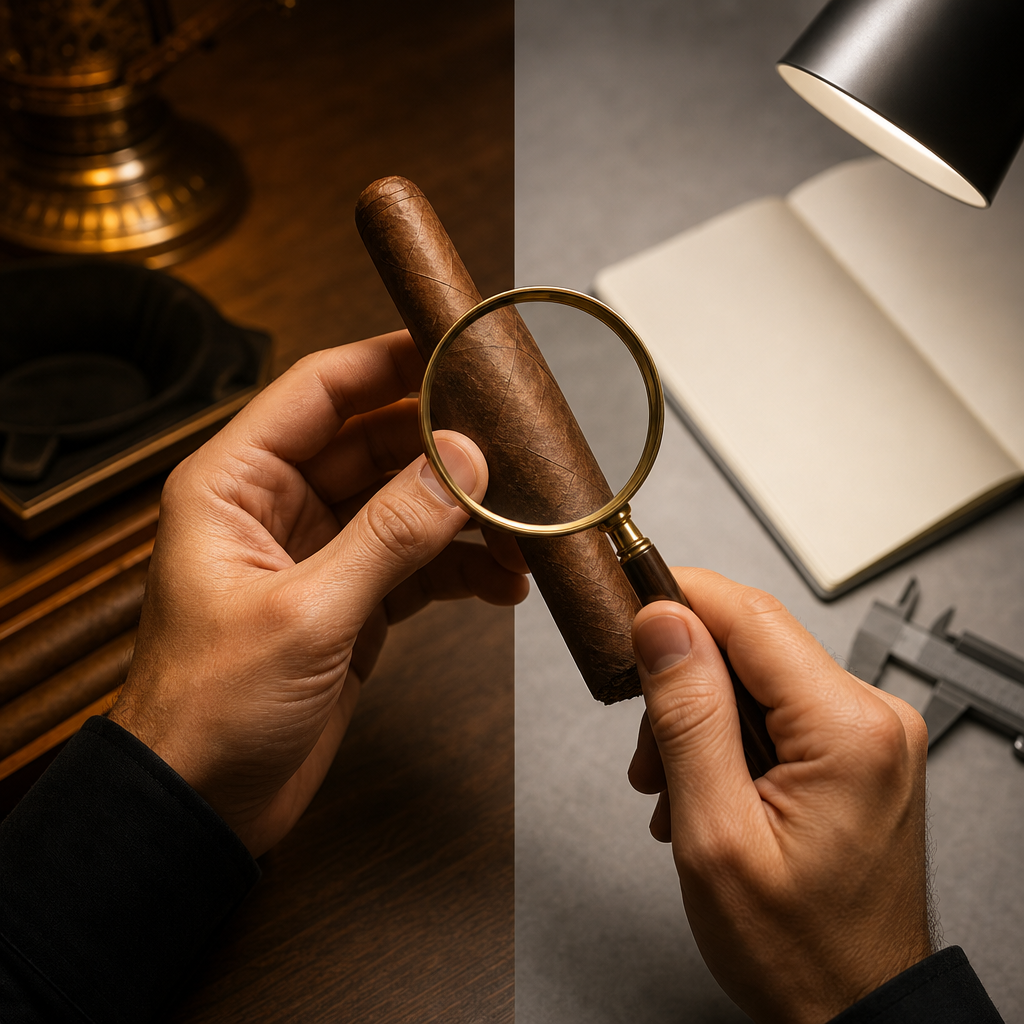
1. Visual
- Color (Claro to Oscuro)
- Oiliness (more oils = higher quality)
- Texture (fine veins = Connecticut Shade, coarse veins = Cameroon / Broadleaf)
2. Touch
- Elasticity (quick rebound after pressing = well preserved)
- Oily feel (oily sheen upon finger contact = top grade)
3. First Puff
- Creamy aroma -> Connecticut Shade
- Spice -> Habano / Sumatra
- Chocolate -> Maduro / Broadleaf
- Honey -> Cameroon
- Earth -> Vuelta Abajo
Conclusion
Understand wrappers -> you can judge a cigar's origin in blind tasting, understand labels like "Connecticut Wrapper" and "Maduro" on menus, and discuss why a particular cigar has its flavor profile.
This is the first doorway into the starter stage.
W Cigar Bar Gentlemen's Cigar Lounge · Taipei Da'an District · Cuban cigars through four official channels (PCC authorized dealer・official Cuban state-run store・Swiss general agent・Spanish general agent) · LUBINSKI Italian accessories general distributor · Cigar bistro · Founding store of the Capadura cigar brand.
Reservation: Da'an Main Store. Accessories reference: cigarclub.tw.
Warning: Smoking is harmful to health. Smoking cessation hotline 0800-636363.