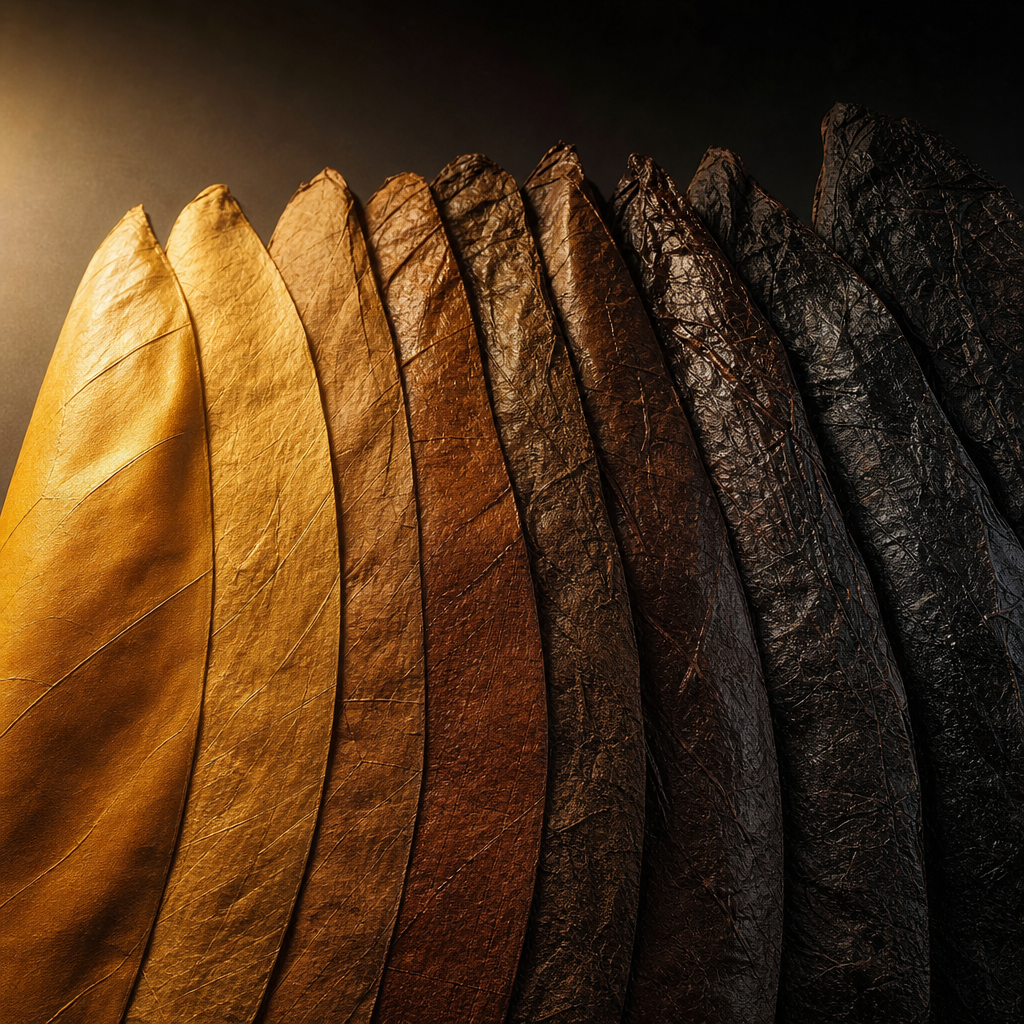
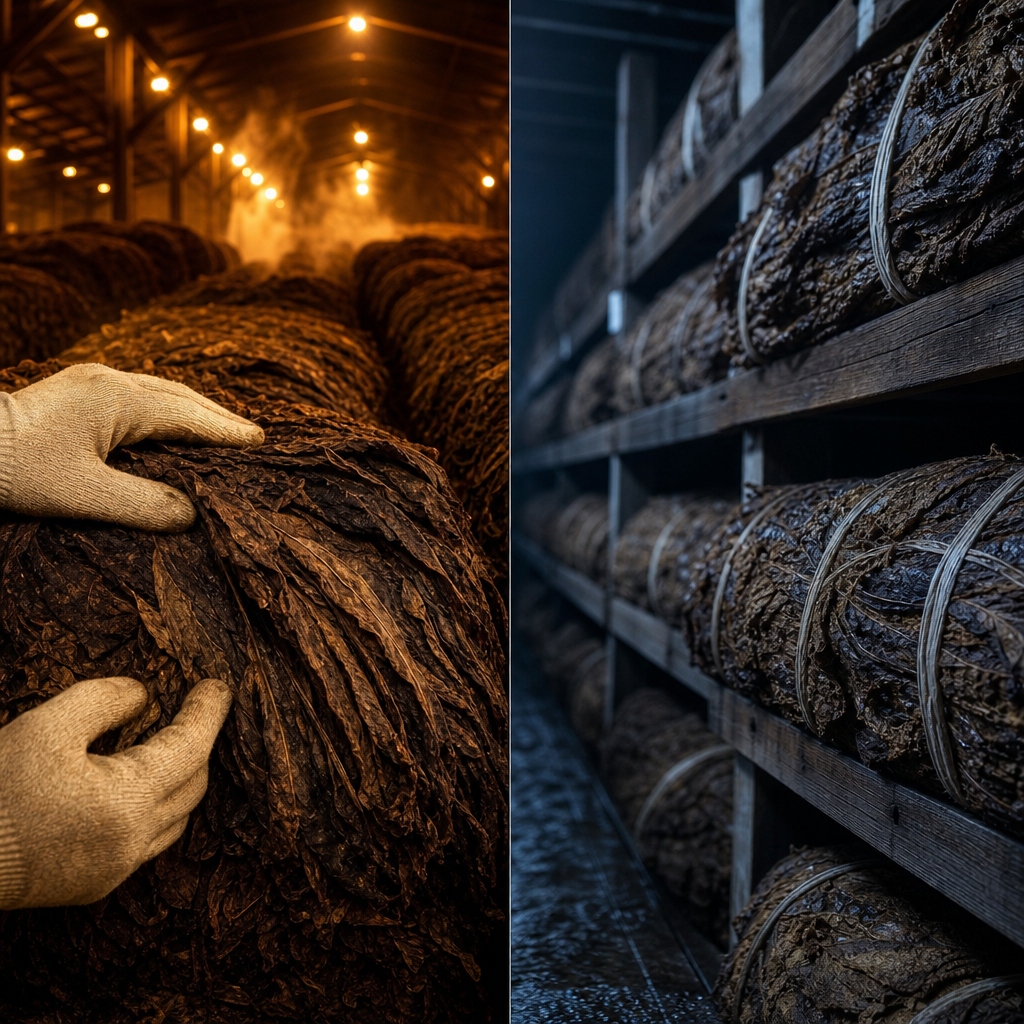
Vuelta Abajo San Juan y Martínez 紅土科學深度:地質學、根系演化、與菸葉化學的微氣候邊界
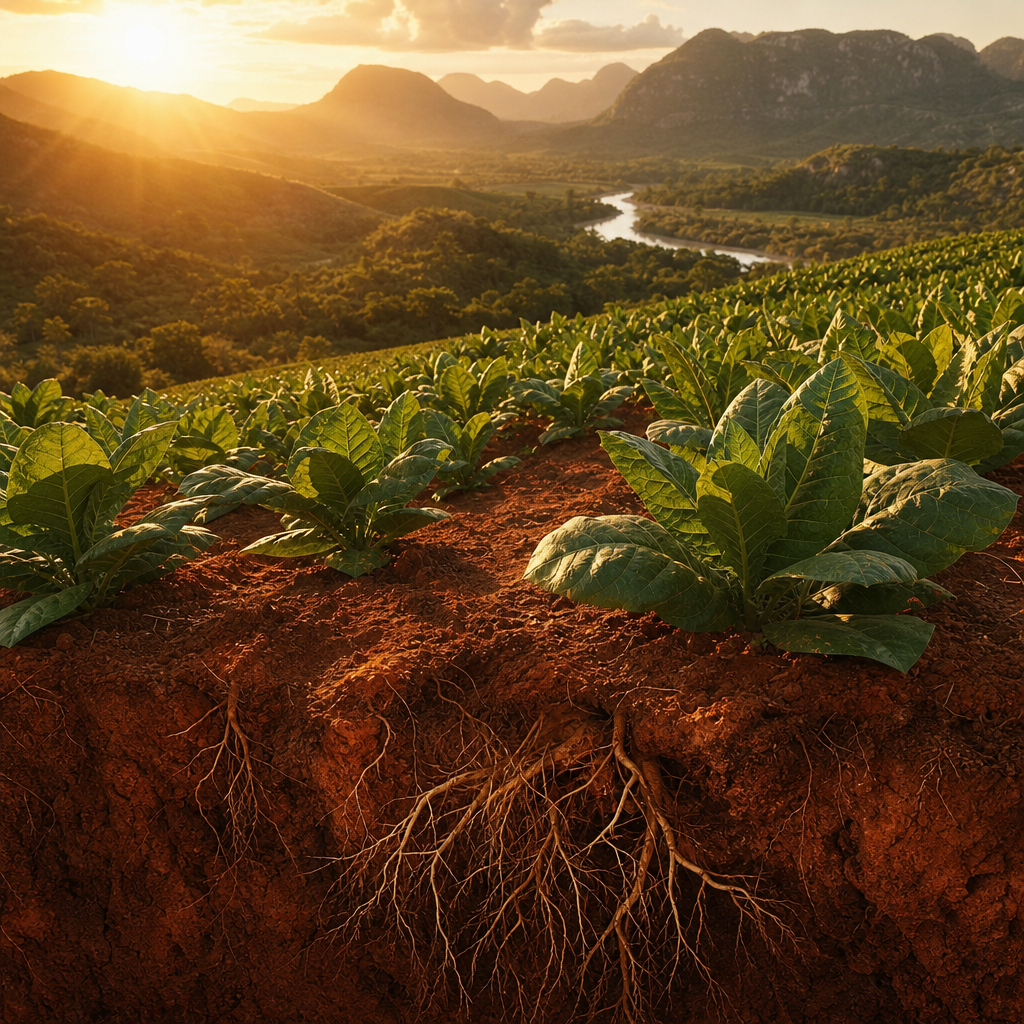
Vuelta Abajo San Juan y Martínez Red-Soil Science Deep Dive: Geology, Root-System Evolution, and the Microclimatic Boundaries of Tobacco-Leaf Chemistry
The highest tier of the world's top cigar tobacco is not in Havana, not in the Dominican Republic, and not in Nicaragua. It is the administrative district of San Juan y Martínez, at 83°15' W and 22°16' N, covering less than 1,500 square kilometers and recognized by industry consensus as "the Mecca of global tobacco-leaf science". The Medio Tiempo top leaves for Cohiba Behike can only come from here, the tobacco lineage of Pre-Embargo H. Upmann Sir Winston is rooted here, and the Swiss philosophy of Cuban Davidoff 1968-1989 did not compromise on this producing area.
This article focuses on the geology of San Juan y Martínez red soil, the evolution of tobacco root systems, microclimatic boundaries, and the chemical characteristics of tobacco leaves.
Scientific note: The soil chemistry, root-system evolution, and microclimate data in this article vary greatly by season, year, and plot. They are reasonable representative values, not precise citations from scientific papers.
The Geological Origin of Red Soil: Volcanic Activity 65 Million Years Ago
The geological origin of Vuelta Abajo red soil dates back to approximately 65 million years ago, at the end of the Mesozoic Cretaceous period and the beginning of the Cenozoic Paleogene period, during tectonic movements between the Caribbean Plate and the North American Plate. The crust of western Cuba uplifted, while the area experienced multiple volcanic events during the same period. Volcanic ash deposits, after millions of years of subsequent weathering, formed the distinctive red acidic loam.
Three characteristics of the red-soil layer:
- Rich in iron oxide (Fe₂O₃) -- the chemical cause of the red color, and a key mineral source for tobacco leaves to synthesize nicotine and ester molecules
- Weak acidity at pH 5.0-6.5 -- the most ideal absorption environment for tobacco root systems
- Fast drainage while retaining minerals -- the core reason tobacco roots do not rot in a tropical rainfall environment
The Special Nature of San Juan y Martínez Within Vuelta Abajo
Why San Juan y Martínez is more top-tier in quality than other areas of Vuelta Abajo:
1. Elevation: San Juan y Martínez sits at 100-200 meters above sea level, which is "the most ideal elevation range for tobacco leaves in Vuelta Abajo as a whole". Below 100 meters, tobacco-leaf flavor tends to be "coarse and earthy"; above 250 meters, the maturation period is too short and oil accumulation is insufficient.
2. Rivers: San Juan y Martínez is crossed by two major rivers, Río Cuyaguateje and Río San Diego -- the core sources of water replenishment and mineral supplementation for tobacco plots.
3. Terrain: Plains and hills interlace, providing diverse microclimatic conditions within the same plot. The maturity of tobacco leaves develops natural flavor diversity under different microclimates.
Microclimatic Evolution of Tobacco Root Systems
The root development of San Juan y Martínez tobacco is one of the most distinctive evolutionary cases in global tobacco-leaf science, with three unique characteristics:
1. Root depth: It can reach 60-90 cm, clearly deeper than the Dominican Republic's Cibao Valley (30-50 cm) and Nicaragua's Estelí (40-60 cm). Root depth directly corresponds to the layered depth of tobacco-leaf flavor -- deeper roots can access more diverse mineral layers.
2. Root-branch density: Lateral expansion takes priority over vertical extension. This evolutionary trait comes from the fast-draining nature of red soil, forcing tobacco root systems to develop a "maximized mineral-absorption network" -- the iron oxide concentration in tobacco leaves is directly related to the "distinctive flavor of Vuelta Abajo tobacco".
3. Symbiotic fungal profile: San Juan y Martínez red soil contains a distinctive symbiotic profile of mycorrhizal fungi -- this symbiotic relationship increases the mineral-absorption efficiency of tobacco root systems by 30-50% (industry estimates, with variation among studies), and is the core driver of the chemical characteristics of Vuelta Abajo tobacco.
Key point: This fungal profile cannot be artificially replicated -- even if San Juan y Martínez red soil is transported to the Dominican Republic's Cibao Valley, the same tobacco-leaf quality cannot be reproduced. This is one of the most studied yet still unresolved mysteries of cigar-tobacco producing areas in contemporary agronomy.
Microclimatic Boundaries: The Precise Scope of San Juan y Martínez
The true "top-tier tobacco microclimate" is smaller than the administrative district -- a precise area of approximately 200-400 square kilometers. Four natural conditions define this boundary:
1. Annual rainfall of 1,500-1,800 mm, concentrated in the rainy season from May to October, with the tobacco harvest period falling in the dry season from November to March of the following year.
2. Annual average temperature of 24-27°C, with a day-night temperature difference of 8-12°C -- the most ideal day-night temperature difference for tobacco leaves to synthesize ester molecules (synthesis during the day, stabilization at night).
3. Relative humidity of 70-80% -- corresponding to the most ideal starting point for post-harvest aging of tobacco leaves.
4. Sea breeze: The western side of San Juan y Martínez is about 30-50 kilometers from the Caribbean Sea -- the penetration of marine micro-salt mist into tobacco leaves is one of the key causes of the distinctive mineral flavor of Vuelta Abajo tobacco.
The combined rarity of these four conditions cannot be replicated anywhere in the world. Top producing areas in the Dominican Republic, Nicaragua, and Honduras have some conditions that come close, but the only place where all four conditions are achieved simultaneously is San Juan y Martínez.
Microclimatic Correlations in Tobacco-Leaf Chemistry
The three major categories of core chemical components in San Juan y Martínez tobacco leaves:
1. Ester molecules (esters): Total content is 20-40% higher than in other producing areas (industry estimates) -- the core chemical basis for leather, cedar, and roasted nut flavors when a cigar burns.
2. Nicotine and related alkaloids: Concentration of 1.5-3.0% (depending on leaf position) -- relatively medium rather than the highest, which directly corresponds to the flavor direction in which "Cuban gentlemanly cigars are not as forceful as Nicaraguan ones".
3. Volatile organic compounds (VOCs): San Juan y Martínez tobacco leaves contain 200+ types of VOCs (industry estimates) -- this is the chemical basis of "layering" in cigar appreciation, and also the core scientific reason "Cuban cigars cannot be replicated in a laboratory".
The Scientific Link Between San Juan y Martínez and Cohiba Behike Liga T
The Medio Tiempo top leaves in the Cohiba Behike Liga T blend must come from the core area of San Juan y Martínez -- this is not a brand-marketing choice, but a scientific necessity.
Medio Tiempo refers to the 1-2 leaves at the very top of the tobacco plant, accumulating the most intense sunlight and the deepest mineral content. Only the high iron oxide content and mycorrhizal symbiotic fungal profile of San Juan y Martínez red soil can bring Medio Tiempo leaves to the "dual peak of ester-molecule density and VOC diversity" required by the Liga T blend.
The statement from Habanos S.A. that "the Behike blend cannot be replicated in the Dominican Republic's Cibao Valley" has this scientific basis. It is also one of the core reasons why, in 1989, Zino Davidoff "did not accept Cubatabaco's diversification of tobacco-producing regions" -- Davidoff would rather end a 25-year Cuban OEM relationship than accept tobacco leaves from outside the core area of San Juan y Martínez.
The Red-Soil Scientific Meaning for Gentlemen's Club Members
The core Cuban cigar series in the 33 VIP cigar lockers at the W Cigar Bar Da'an flagship store (Cohiba standard series, Cohiba Behike, Trinidad, Romeo y Julieta, Montecristo No.2, H. Upmann Sir Winston, Partagás Lusitanias) all use core tobacco leaves from the core area of San Juan y Martínez -- this is the scientific meaning of the procurement system for Cuban cigars through the four major regular channels (PCC, official Cuban state-run stores, the Swiss general distributor, and the Spanish general distributor): what gentlemen's club members have is not merely cigars, but the irreproducible result of 65 million years of geological evolution plus 200 years of human breeding.
Advanced Path to Understanding
Entry level -- Cohiba Robustos: The core expression of the standard San Juan y Martínez blend.
Middle stage -- Trinidad Esmeralda + Cohiba Behike BHK 54: A comparison between medium and top-tier leaf positions from San Juan y Martínez.
Deepest level -- Pre-Embargo H. Upmann Sir Winston 1959-1962: A historically revered item with the dual lineage of San Juan y Martínez before and after the revolution, reserved for important commemorative moments in life.
San Juan y Martínez red soil in one sentence: top-tier cigars are not manufactured; they are the accumulation of geological evolution and time.
--
Inventory sources: Cuban cigars through the four major regular channels (PCC authorized dealers, official Cuban state-run stores, Swiss general distributor, Spanish general distributor).
LUBINSKI accessories official website: https://cigarclub.tw/
Venue information: https://share.google/d9NIeFEetij9qWKj0
This site is only for adults aged 20 and above. Smoking harms health. Smoking cessation hotline: 0800-636363.
W Cigar Bar Gentlemen's Cigar Lounge, written and curated by Cigar Prince Wilson Tsai.