The Impact of Cigar Origins: Exploring How Different Soils Shape Flavor
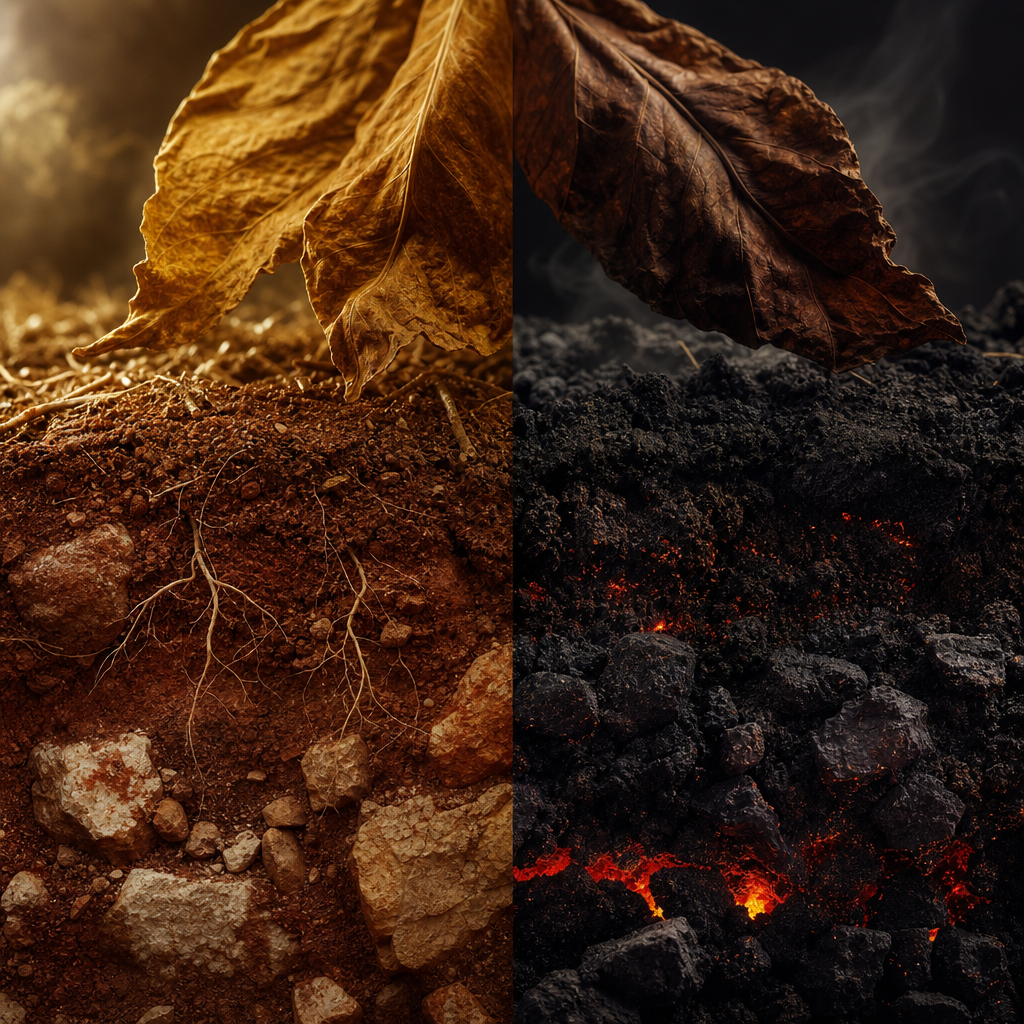
The Impact of Cigar Origins: Exploring How Different Soils Shape Flavor
After mastering the basics of cutting, lighting, and tasting cigars, the real allure of cigars begins when you start asking, "Why do cigars taste like black coffee, creamy nuts, or even pepper, leather, and earth?" The answer often lies not just in the brand, but in the origin.
As an editor of the "Cigar Bible," I have long observed the performance of leaves, fermentation, and aging in different regions. Cigars are not a single agricultural product; they are a flavor project completed by soil, climate, seeds, farming methods, fermentation, and rolling. Among these, "land" is the earliest and most difficult starting point to replicate.
Why Soil Changes Cigar Flavor: From Minerals, Drainage to Leaf Thickness
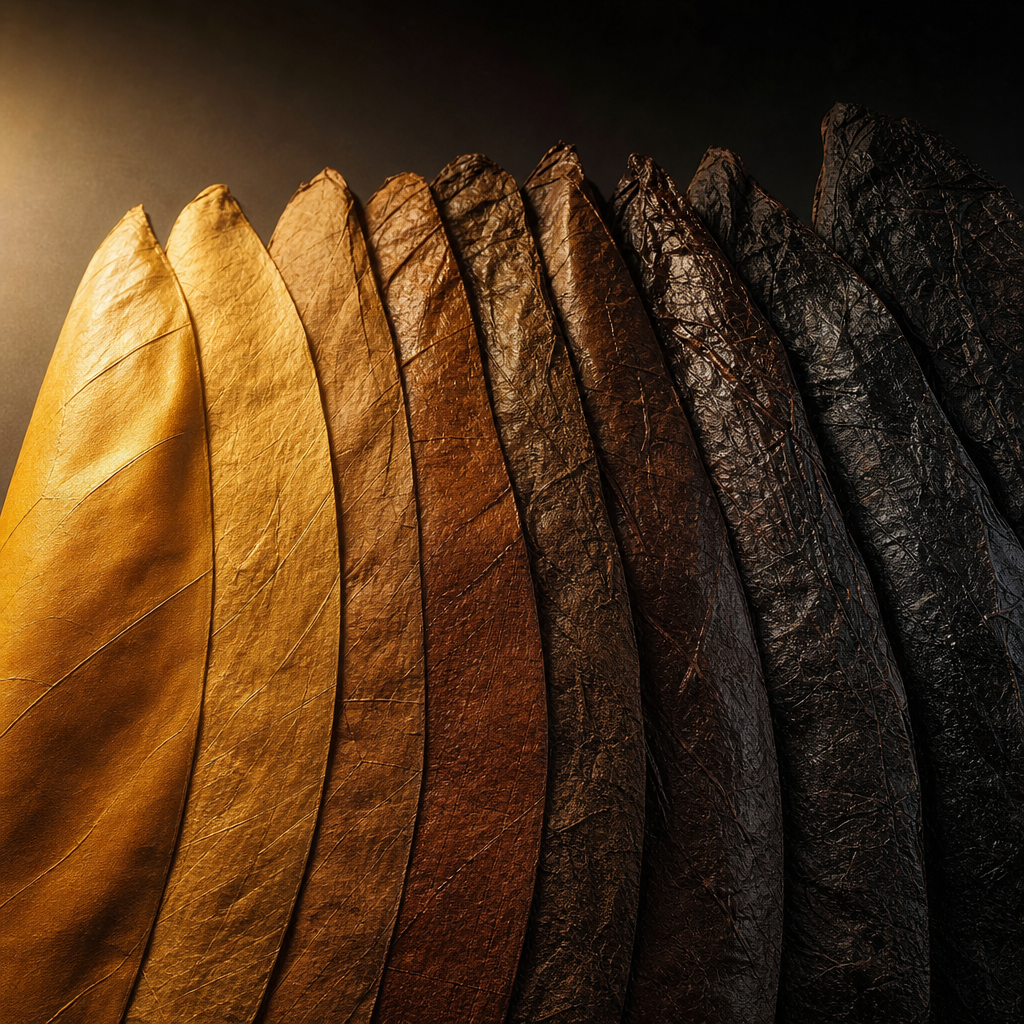
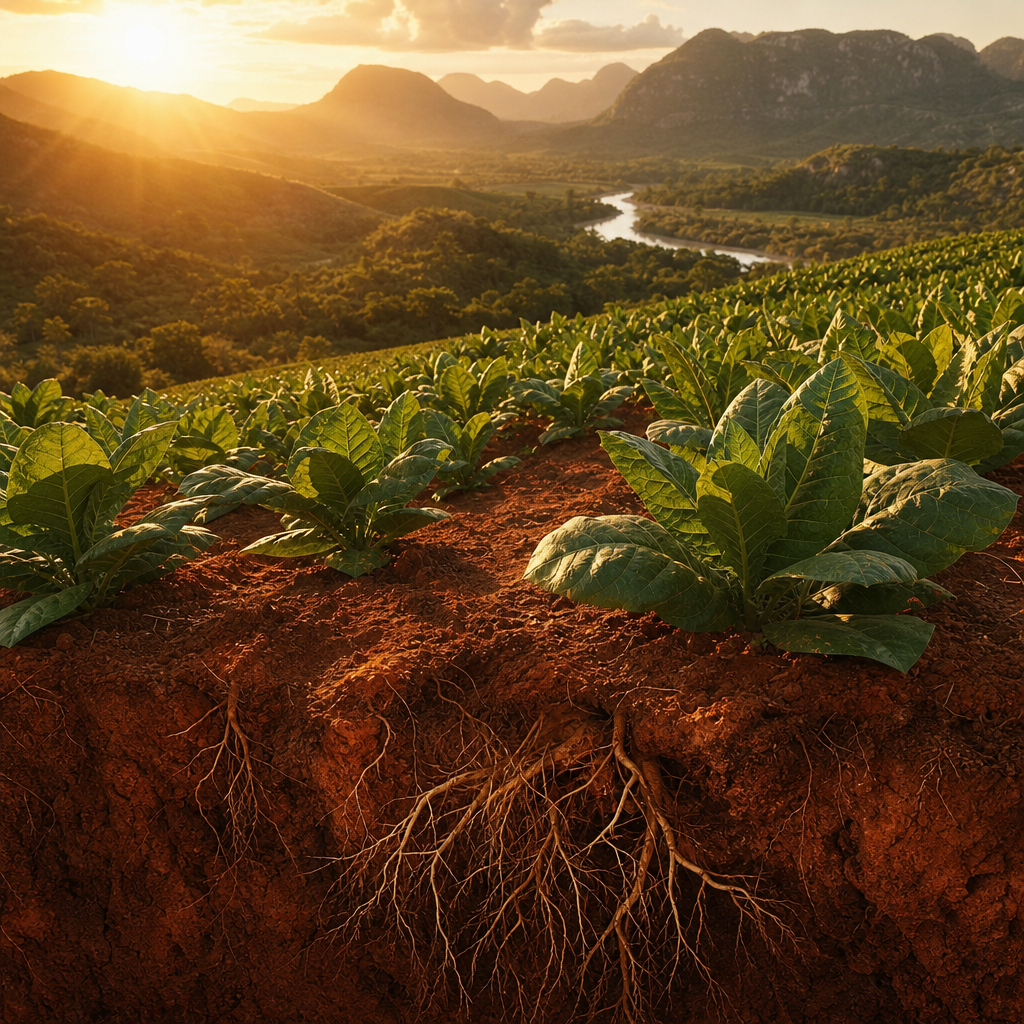
When discussing cigar origins, it's not just about the country name. The real key is the soil structure: sandy soil drains quickly, often resulting in delicate leaves with clean burns; clay retains water well, allowing plants to absorb more nutrients, resulting in thicker, oilier leaves; volcanic soil contains minerals like potassium, magnesium, and iron, often giving smoke more tension. Soil doesn't directly "become flavor," but indirectly shapes cigar flavor through leaf thickness, sugar content, nicotine, burnability, and oiliness.
In terms of sensory language familiar to beginners, well-drained soil often brings clearer wood, grain, floral, and nutty notes; fertile and mineral-rich soil may result in cigars with black pepper, cocoa, coffee, leather, or even salty notes. These aren't absolute formulas, as the flavor can vary depending on whether ligero, seco, or volado parts are grown on the same plot, and fermentation time can range from several days to years, ultimately reshaping the final performance.
The most fascinating aspect of cigars is the tug-of-war between "regional characteristics" and "brand intentions." For example, since its founding in 1964, Padrón has long produced Nicaraguan leaves with rich cocoa and coffee tones, while Davidoff, after shifting its core production to the Dominican Republic in the 1990s, has interpreted the leaves from the same tropical environment in a more delicate and clean manner. Understanding soil means you're not memorizing origin names but building a map to judge cigar structure.
Cuba's Vuelta Abajo: Limestone Red Soil and Classic Balance
Cuba's Vuelta Abajo, located in the Pinar del Río province, has long been regarded as one of Cuba's core cigar regions. The soil here is often reddish-brown, limestone-rich, and well-drained, combined with humid sea breezes, stable sunlight, and traditional shade-grown cultivation, allowing the tobacco leaves to mature with both oiliness and delicacy. Especially when wrapper leaves are well-processed, they can exhibit smooth, slightly sweet, woody, and herbal layers, while filler can provide the "mid-transition" that Cuban cigars are often praised for.
The history of Cuban cigar brands is also closely tied to the land. Cohiba, born around 1966 and later becoming a representative of well-known brands, is often discussed for its balance between grass, honey, cream, wood, and coffee; Montecristo No.2 has long presented cocoa, cedar, and spices in its pyramid size; Partagás is often described as having more earthy, leathery, and spicy notes. These differences are not simply due to brand labels but are the result of leaf selection, formulas, and regional batches.
For beginners, the most worthwhile lesson from Cuban flavors is "not rushing to find intensity." Many people think that strong is good, but the charm of Vuelta Abajo often unfolds in medium strength: herbal and woody in the front, transitioning to coffee, honey, or nuts in the middle, and possibly showing leather and earthy aromas in the back. The core of classic Cuban regions is not just fame, but a sense of detail, balance, and continuous smoke changes.
Nicaragua's Estelí, Jalapa, Condega: The Power and Sweetness of Volcanic Soil
Nicaragua has been one of the most valued new world cigar-producing countries in the past thirty years, especially Estelí, Jalapa, and Condega, which are often compared together. Estelí's soil is fertile and mineral-rich, with thick, oily leaves that often bring black pepper, strong coffee, dark chocolate, and a robust framework; Jalapa, at a higher altitude with finer soil, has leaves with sweeter and more elegant aromas, often showing brown sugar, nuts, and floral notes; Condega often falls between the two, offering wood, spices, and good burnability.
History has also made this region complex. The Nicaraguan Revolution in 1979 and Hurricane Mitch in 1998 changed local agriculture and industry configurations but also prompted many families to reorganize planting, fermentation, and storage systems. Brands like Padrón, Oliva, My Father, and AJ Fernandez have brought Nicaraguan leaves to the international stage; for example, the Padrón 1964 Anniversary series is often discussed for its cocoa, coffee, and nutty sweetness, closely related to mature leaves, long aging, and stable fermentation.
Beginners who want to understand Nicaragua might consider viewing a cigar as a "regional puzzle": Estelí is like a bass drum, providing power; Jalapa is like a melody, bringing sweetness and aroma; Condega is like a beat, stabilizing burn and structure. The advantage of Nicaraguan volcanic soil is the ability to produce strength, sweetness, and clean burns simultaneously, but a change in proportion can completely alter the character.
Dominican Republic: Limestone, Sea Breezes, and Elegant Layers
Dominican cigars are often described as elegant, clean, and with delicate aromas, related to the soil and climate around Cibao Valley and Santiago. Some local soils contain limestone components, achieving a good balance between drainage and water retention, combined with island climate, day-night temperature differences, and stable wind directions, allowing tobacco leaves to easily present cream, grain, nuts, floral, and soft wood notes. This characteristic is well-suited for medium-strength, clear-line formulas.
Representative cases include Davidoff and Arturo Fuente. After establishing a Dominican production core in the 1990s, Davidoff shifted the brand style from heavy to cleaner, more delicate, and balance-focused; Arturo Fuente's Opus X, launched in 1995, proved that the Dominican Republic could also produce high-quality wrappers, with more spicy, sweet, and powerful performances. These two cases illustrate that the same country can have both gentle and strong sides.
Dominican leaves are often misunderstood as "mild." In fact, truly mature Dominican cigars do not lack strength but hide it in the details: the smoke may initially taste like cream and almonds, with white pepper, toasted bread, and a slight mineral note appearing in the nasal cavity later. Dominican land makes cigars focus more on elegant structure, suitable for training beginners to recognize aroma layers rather than just chasing impact.
Honduras and Ecuador: Valleys, Clouds, and Wrapper Expressions
Honduras' Jamastrán Valley, Copán, and other areas have fertile valleys and tropical climates, with soil that can nurture leaves with woody, leathery, coffee, and earthy tones. Camacho's brand history dates back to the 1960s, later gaining attention for its stronger, straightforward Honduran style; some works by Alec Bradley also often use Honduran leaves, presenting a thicker mid-to-late palate. Honduras is not as intricate as Cuba nor as volcanic as Nicaragua, but it has a simple and structured taste.
Ecuador plays another role: it is often regarded as an excellent wrapper-producing region, especially due to the cloud cover near the equator, which acts like a natural shade cloth, allowing leaves to grow thin and elastic. Ecuador Connecticut often shows cream, hay, nuts, and gentle sweetness; Ecuador Habano may have spices, wood, and more apparent tension; Ecuador Sumatra brings sweet aromas, cinnamon, and roasted nut notes. These wrappers have a significant impact on a cigar's first impression.
If cigars are compared to cuisine, Honduras is often like the roast meat and black coffee in the main course, while Ecuador wrappers are like sauces and spices, first determining the touch and aroma direction upon entry. Beginners often only look at the country of origin, ignoring that "wrapper origin" may differ from the filler origin. Honduras provides structure and land feel, while Ecuador often determines the opening aroma with its wrapper, both are key to understanding mixed-origin cigars.
Flavor Comparison of Representative Regions: Building Your Sensory Map with a Table
When advancing as a beginner, I suggest not memorizing too many adjectives at once, but connecting origin, soil, climate, and flavor. The following table is not an absolute answer but helps you establish a starting point for judgment; different years, sizes, and aging states of the same brand can change the results. Especially with ring gauges from 42 to 60, burn speed and smoke concentration will differ, and regional characteristics may be amplified or diluted.
| Region | Common Soil and Climate | Typical Flavor Clues | Representative Brands or Cases |
|---|---|---|---|
| Cuba Vuelta Abajo | Limestone red soil, good drainage, humid sea breeze | Cedar, herbs, honey, coffee, leather | Cohiba, Montecristo, Partagás |
| Nicaragua Estelí | Volcanic soil, mineral feel, strong sunlight | Black pepper, cocoa, strong coffee, robust sweetness | Padrón, My Father, AJ Fernandez |
| Nicaragua Jalapa | High altitude, finer soil, more apparent temperature difference | Brown sugar, nuts, floral, gentle spices | Oliva, some Padrón formulas |
| Dominican Cibao | Limestone soil, island climate, stable humidity | Cream, grain, almonds, white pepper | Davidoff, Arturo Fuente |
| Honduras Jamastrán | Fertile valley soil, tropical rainfall | Wood, earth, leather, coffee | Camacho, Alec Bradley |
| Ecuador Wrapper Region | Equatorial clouds, natural shade, delicate leaves | Cream, hay, cinnamon, sweet spices | Ecuador Connecticut, Habano, Sumatra |
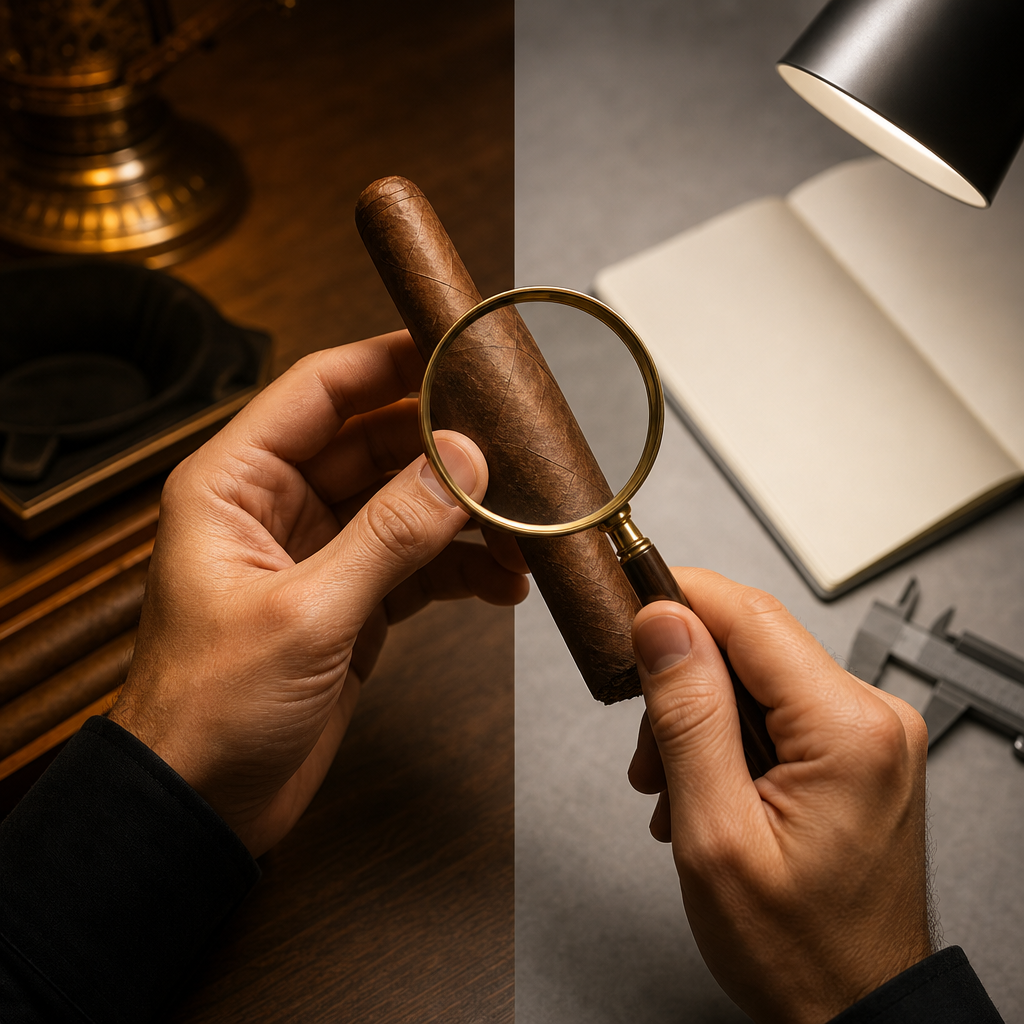
When using the table, you can make three-step records: first, write down two flavors for the front, middle, and back sections; second, record the burn line, ash column, and smoke volume; third, mark the origin of the wrapper, binder, and filler. Truly effective learning is not memorizing "country equals flavor," but using the same method to compare repeated clues from different regions.
From Seed to Fermentation: Why the Same Soil Can Yield Different Answers
Origin is important, but not everything can be attributed to soil. Cigar flavor is also influenced by seed varieties, plant parts, harvest timing, fermentation methods, aging time, and rolling techniques. In terms of plant parts, volado usually has good burnability and low strength; seco has better aroma; viso combines oiliness and flavor; ligero, located in the upper part of the plant, receives more sunlight, with higher nicotine and thickness, often bringing more apparent strength. How the blender arranges these leaves will determine a cigar's rhythm.
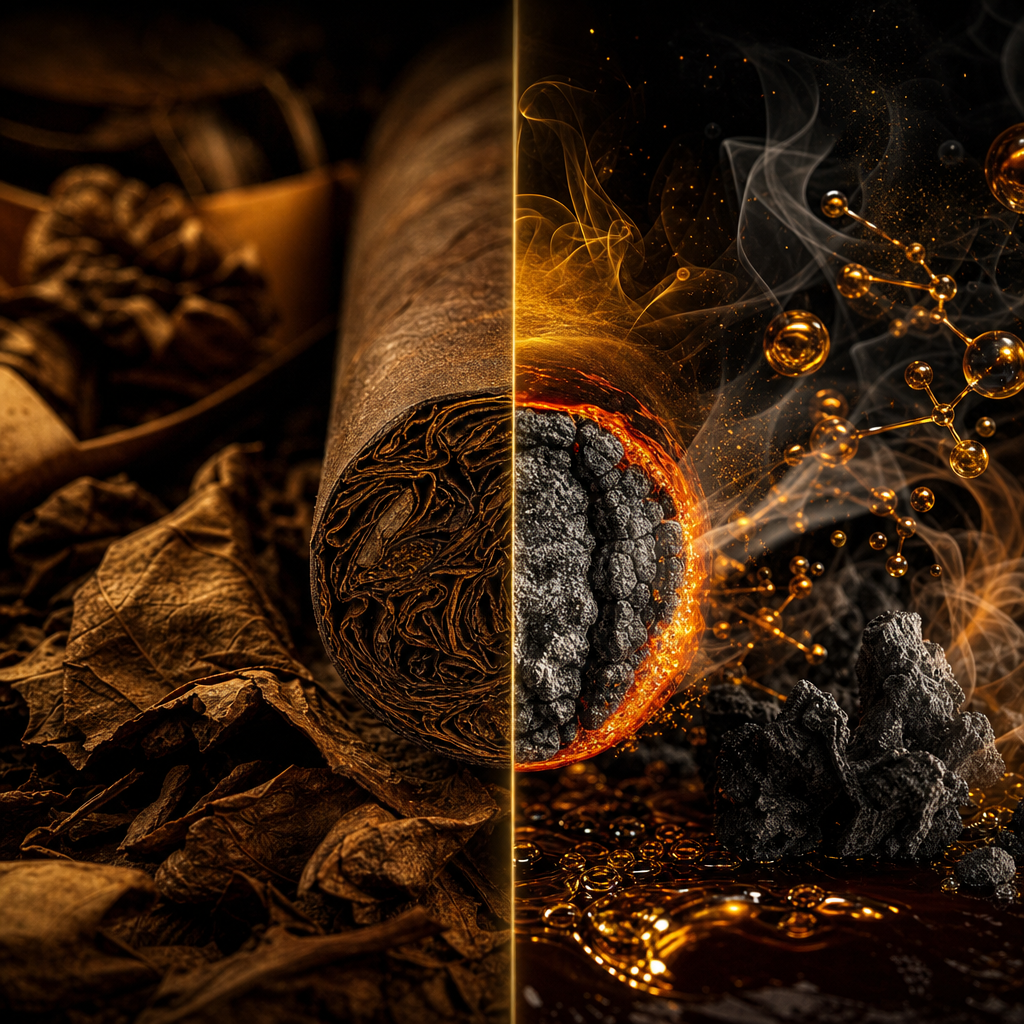
Fermentation is another key. After tobacco leaves are stacked, the internal temperature may rise to about 40 to over 50 degrees, requiring workers to turn the piles to control temperature and humidity; if inadequately handled, ammonia and greenness may remain; if overdone, aroma may be flattened. The subsequent aging time is also crucial, with some brands allowing leaves or finished products to be stored for months to years, making the smoke smoother. For example, high-end limited or anniversary series often emphasize leaf vintage and storage time, but this doesn't mean the older, the better.
Therefore, when you smoke a Nicaraguan cigar with black pepper and cocoa, don't just write "volcanic soil." A more complete note should include size, wrapper type, burn speed, humidity, strength changes, and aftertaste. Soil provides the raw material character, while fermentation and aging determine whether this character is rough, rounded, or precisely showcased.
Beginner's Practice Method for Origins: Building Comparative Ability with 4 Cigars
To solidly learn the differences in origins, I suggest practicing with a "controlled variable" approach. Don't smoke a robusto today, a churchill tomorrow, and then switch to a 60 ring gauge large size the day after, as this makes comparison difficult. You can choose robusto types about 5 inches long and around 50 ring gauge, as the burn time is about 45 to 70 minutes, with clear changes in the front, middle, and back sections, and it won't be too physically demanding.
You can design a set of 4 origin comparisons: medium-strength Cuban, elegant Dominican, rich Nicaraguan, and a mixed Honduran or Ecuador wrapper type. Allow at least a day between each to avoid taste fatigue; keep the environment humidity as stable as possible at 65% to 69% RH, with storage temperature around 18 to 21°C. If the cigar is too wet, the burn will be stifled, leading to bitterness; too dry, and it will be hot, spicy, and the aroma will break.
When recording, you can use the following checklist:
- Front: Is the first taste herbal, creamy, peppery, or coffee?
- Middle: Does sweetness appear? Is it honey, brown sugar, nuts, or cocoa?
- Back: Does strength increase? Is there leather, earth, wood, or mineral notes?
- Burn: Does it often need correction? Is the smoke dry, wet, thick, or thin?
- Aftertaste: Does the nasal cavity leave spices, sweetness, or bitterness after exhaling?
The most effective method for learning about origins is to bring comparison with similar sizes, similar humidity, and similar times, rather than drawing conclusions from a single cigar.
Frequently Asked Questions
Which origin should beginners start with?
If you are already familiar with basic tasting, I would recommend starting with medium-strength Cuban styles or Dominican elegance, as they are easier to train you to recognize cream, wood, grain, nuts, and herbs. Then move on to Nicaragua to experience the cocoa, coffee, and pepper brought by volcanic soil; finally, compare Honduran or Ecuador wrappers to understand the differences in structure and entry aroma. Establishing a sense of detail first and then challenging strength will be more effective than just pursuing intensity from the start.
Why do different years of the same brand differ?
Cigars are agricultural products, and annual rainfall, sunlight, hurricanes, and harvest timing all affect leaves. Even the same brand and size, batches from 2018 and 2022 may differ; coupled with storage environment, transportation status, and aging time, flavors will vary. Therefore, when taking notes, besides brand and size, you should also record box codes, purchase time, storage humidity, and smoking date.
Does the wrapper determine most of the flavor?
The wrapper has a significant impact, especially determining entry touch, initial aroma, and burn appearance, but it cannot be said to solely determine everything. The filler provides the main strength and mid-to-late depth, while the binder acts as a bridge, adjusting burn and structure. Ecuador Connecticut can make a cigar start smoothly, but if the filler uses Estelí ligero, the back may still become spicy and strong.
Will collecting cigars appreciate due to origin?
Some limited Cuban editions, discontinued sizes, or special vintages do attract attention in the market, but collecting appreciation does not guarantee appreciation, still depending on source preservation and market. Whether the source is clear, box condition is complete, humidity is stable, and whether there is original packaging and records will all affect value. If you stockpile just because of origin fame, the risk is actually high.
Will storage humidity mask origin characteristics?
Yes. When humidity is too high, cigars tend to burn poorly, with increased bitterness, making Cuba's delicate woodiness blurry, and Nicaragua's sweetness may be suppressed; when humidity is too low, smoke becomes hot, aromas short-lived, and spiciness amplified. In most cases, I prefer 65% to 69% RH as the range for observing origin differences, but still need to adjust according to size and personal environment.
Can you judge cigar flavor just by looking at the country?
You can only make preliminary guesses, not conclusions. Modern cigars often use multi-country blends, such as Ecuador wrappers, Nicaraguan fillers, and Dominican or Honduran binders. This mix allows brands to create more complex layers, making "origin judgment" require more attention. The most mature way to judge is to look at country, region, wrapper, formula, and storage status simultaneously.
Land gives cigars character, time makes the character mellow, and human craftsmanship determines whether it is orderly. For me, studying regions is not about ranking cigars, but ensuring that every time it is lit, you can understand which soil it comes from, how much sunlight and rain it has experienced. When you can distinguish the sources of wood, sweetness, minerals, and spices from a puff, cigars are no longer just leisure but a reading about terroir.
—Cigar Prince Wilson Tsai
Smoking is harmful to health. Under 20 years old are not allowed to smoke. Quit smoking hotline: 0800-636363. This article is for reference by adults over 20 years old for cigar culture, preservation, and legal knowledge, not a tobacco advertisement, promotion, or purchase suggestion.