The Fermentation Process of Cigars: Transformation from Leaves to Flavor
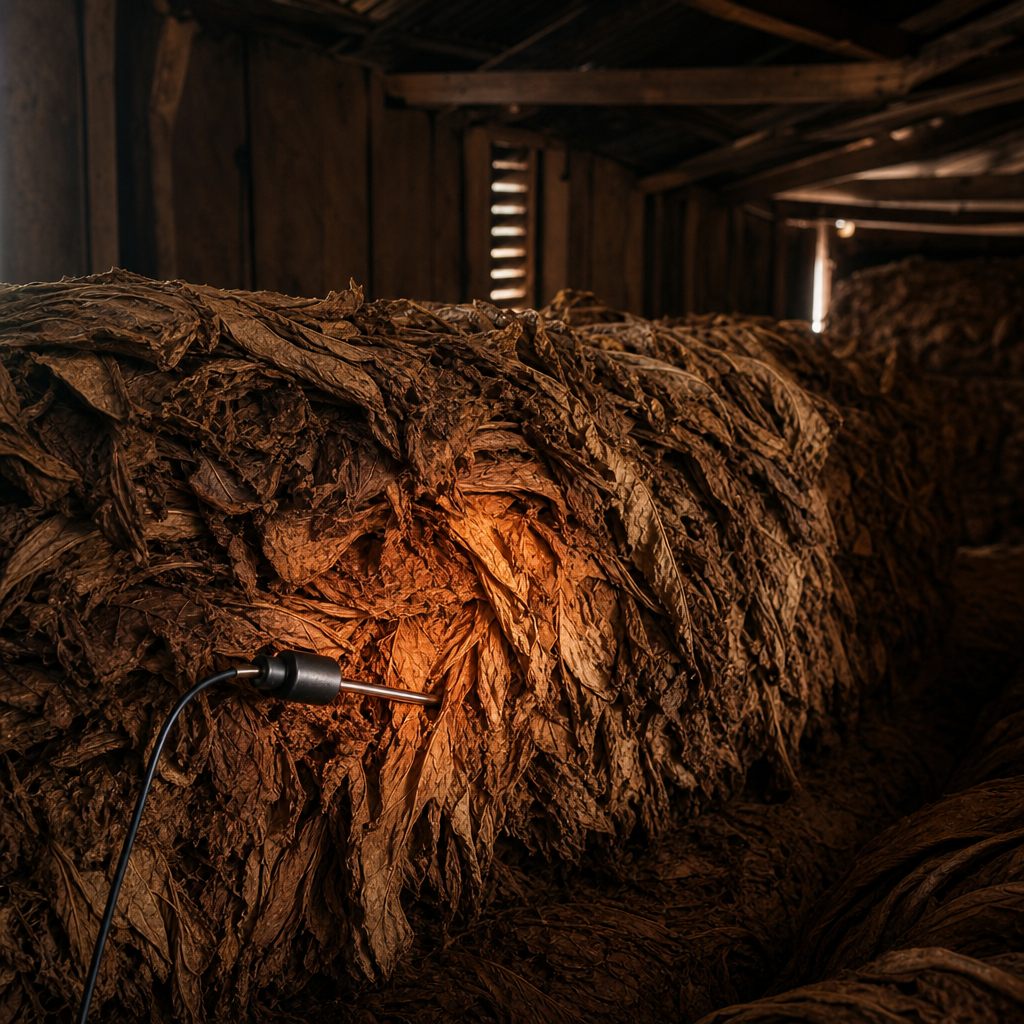
The Fermentation Process of Cigars: Transformation from Leaves to Flavor
As the editor of the "Cigar Bible," I am often asked by seasoned patrons: Why do leaves from the same field and year, when processed in different factories, end up with completely different sweetness, spiciness, woody, and leathery notes? The answer often lies not on the rolling table, but in the fermentation room.
Cigar fermentation is not just about "aging" the leaves; it is a transformative process involving temperature, humidity, stacking weight, turning rhythm, and the master's judgment. Only those who truly understand fermentation can comprehend why a cigar can transform from green to profound, from harsh to mellow.
Fermentation is Not Preservation, But Rebuilding the Flavor Framework of Tobacco Leaves
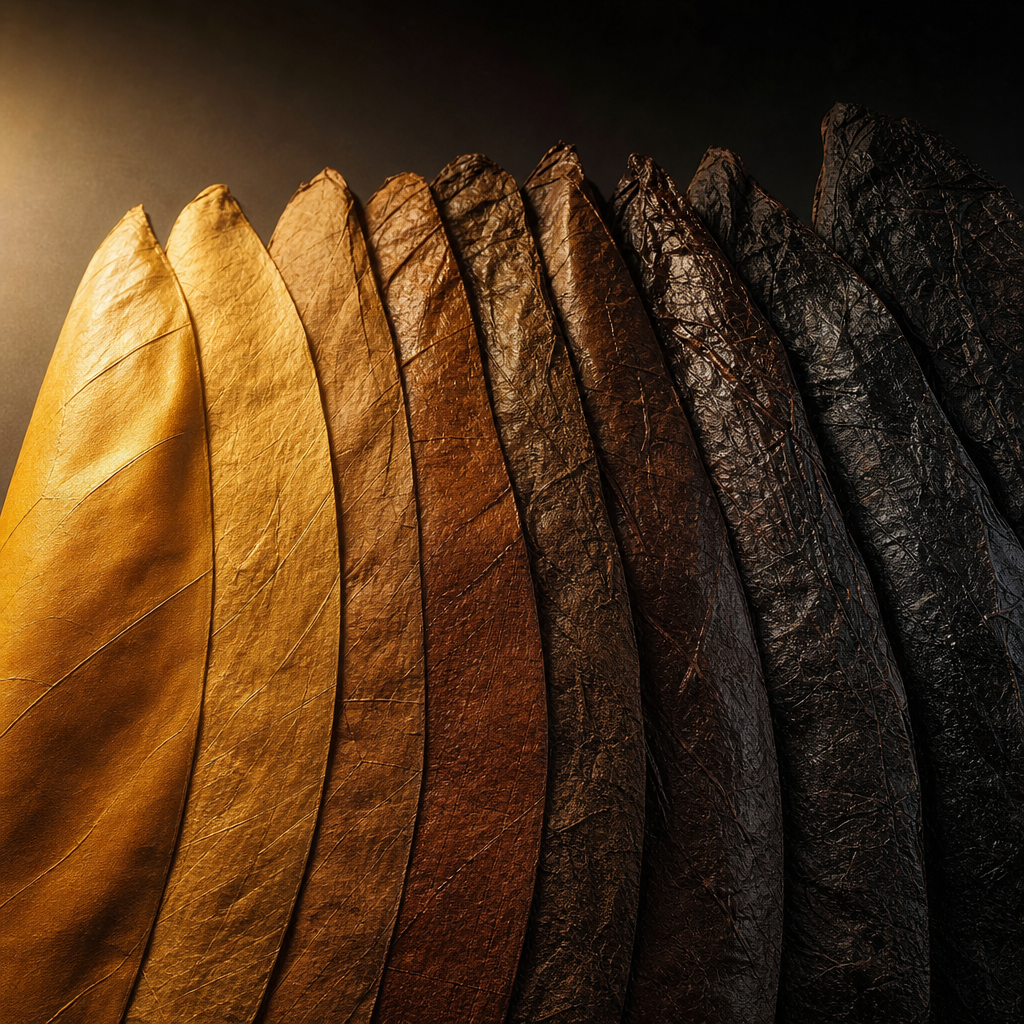
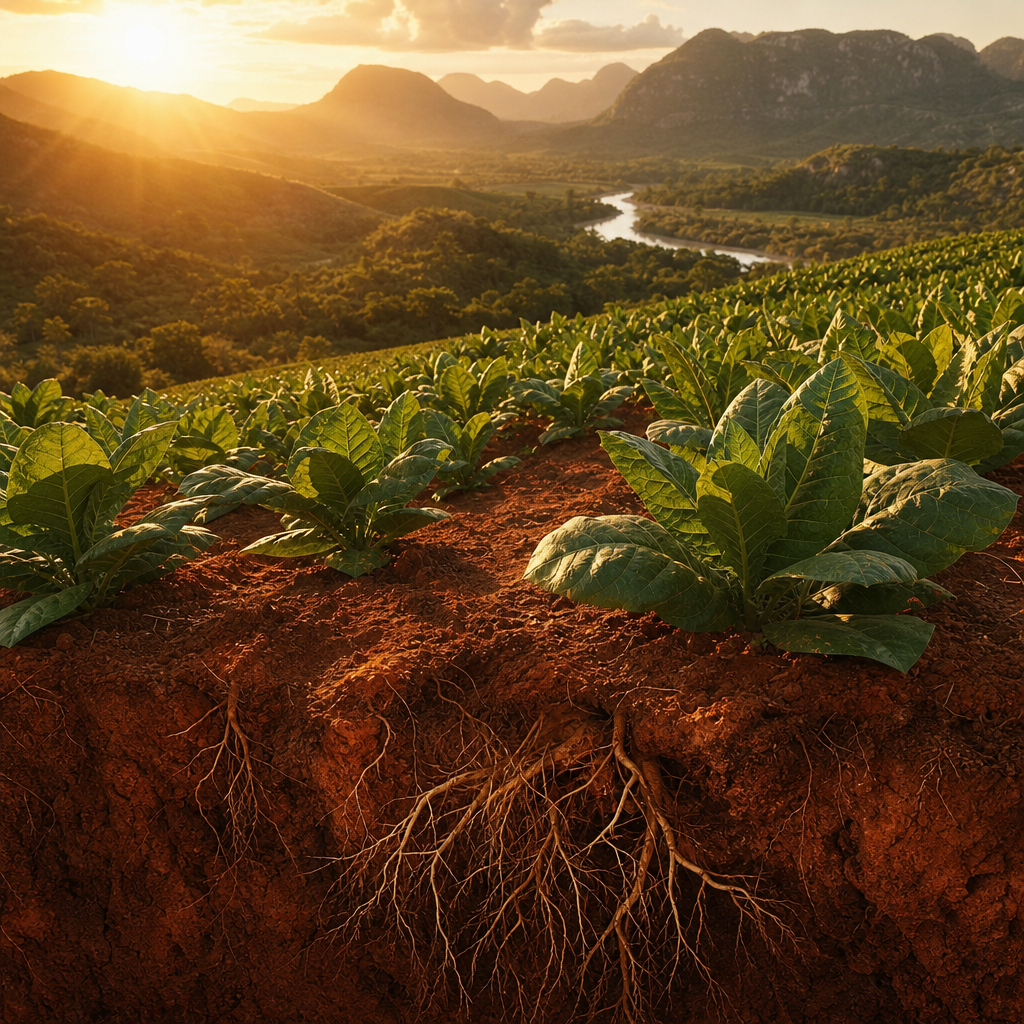
After harvesting, cigar tobacco leaves are first dried, usually in a curing barn for 45 to 60 days, allowing the green leaves to slowly turn brown; this step mainly involves moisture reduction and chlorophyll breakdown. The true core of flavor development begins with subsequent fermentation. In the traditional process of Cuba's Vuelta Abajo, thick leaves like ligero often require multiple rounds of fermentation, which can extend from several months to over two years.
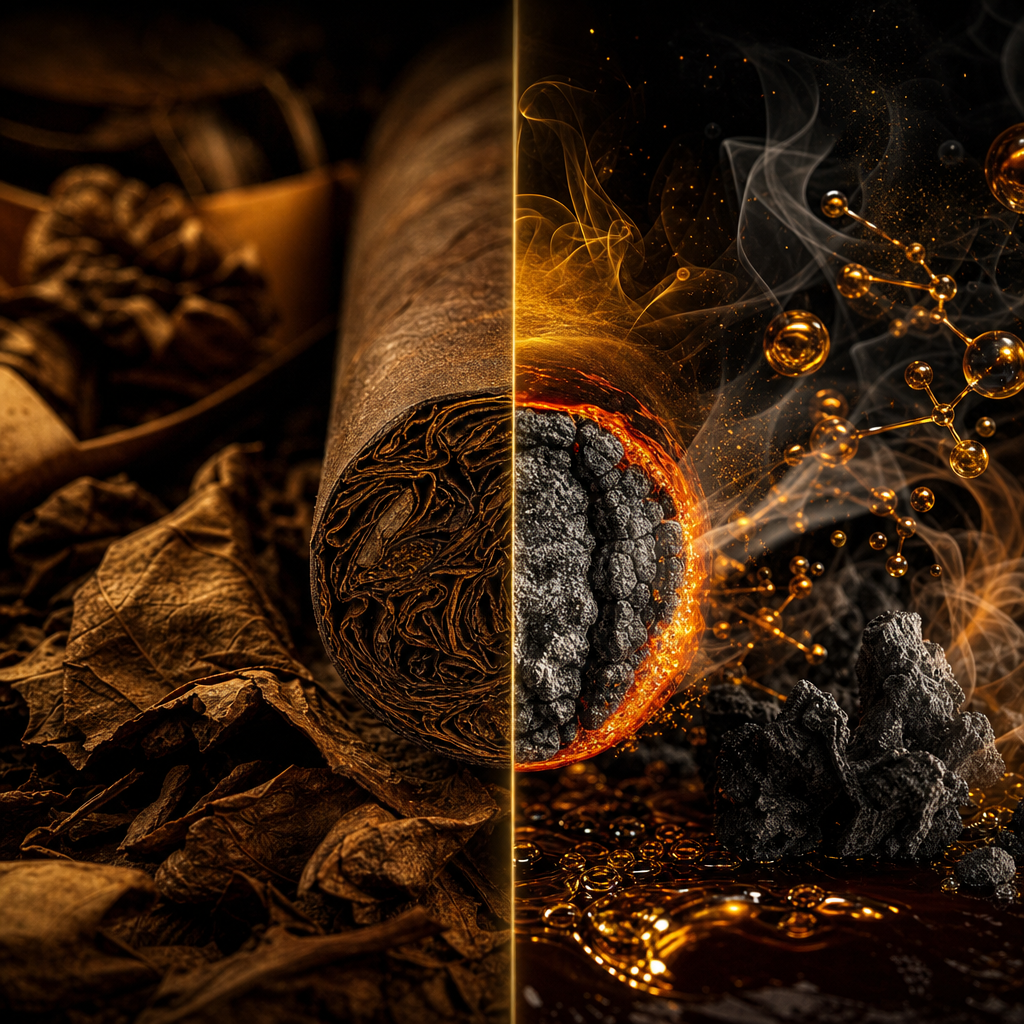
The essence of fermentation is to use the leaf's own moisture, enzymes, and microbial activity to transform roughness into recognizable layers of aroma. Once tobacco leaves are stacked into a pilón, the core temperature rises, commonly controlled between 38°C and 52°C; if the temperature is too low, transformation is insufficient, leaving a green taste; if too high, oils and aromatic compounds may be sacrificed, potentially resulting in a burnt and stuffy sensation.
Experienced individuals should note that fermentation is not a simple contest of duration, but a combination of "thickness, position, and vintage". Wrapper leaves are usually thinner and require more delicate handling; the thick and strong ligero in the filler needs more time to break down ammonia and astringency. This explains why Dominican leaves harvested in the same year, 2019, may exhibit creamy, peppery, or cocoa directions in different factories.
Temperature, Ammonia, and Sugars: Three Key Reactions in Flavor Transformation
When tobacco leaves first enter fermentation, the most obvious enemy is ammonia. If you've ever opened a box of young cigars and smelled a pungent, detergent-like odor, it's likely because the ammonia hasn't dissipated yet. Excellent factories will turn the piles to release heat and gases, preventing the leaves from developing a musty odor in a sealed, high-temperature environment. Padron in Nicaragua emphasizes long-term piling and classification to make strong tobacco leaves robust without sharpness.
The sweetness of a cigar is not solely dependent on sugar content, but on fermentation reducing bitterness, ammonia, and grassy notes to a level where sweetness can be perceived. In a core environment above 40°C, proteins and nitrogenous substances gradually change, altering the leaf's pH, nicotine stimulation, and aroma precursors; thus, in well-aged Habano wrappers, you might detect coffee, nuts, and dried fruits, rather than mere herbal notes.
Another key factor is moisture. If the fermentation pile is below the appropriate humidity, transformation stalls; too much moisture can lead to mold or spoilage odors. Many factories judge the leaf's flexibility by touch and use temperature probes to record the core. Since 2000, many large factories in Honduras and Nicaragua have combined traditional experience with data recording, making the turning time of each batch of leaves more traceable.
Pilón Management: Turning, Grading, and Timetables
The pilón is the heart of fermentation. Leaves are not randomly stacked but classified by size, thickness, position, field area, and harvest batch, then stacked into weighted piles. If piled too loosely, the temperature won't rise; if too tight, heat and gases can't escape. Traditional Cuban factories often rely on the maestro de tabaco to insert their hand into the leaf pile, smell the aroma, and observe the leaf color to determine when to turn.
Turning is not routine but a method to control fermentation speed and uniformity by rearranging leaf positions. The core leaves are the hottest and transform the fastest, while the outer layers are slower; turning requires swapping the inner and outer layers. For thicker ligero, the first round might be checked every 7 to 10 days, turning when the temperature approaches the upper limit; later stages can extend the intervals, allowing the leaves to complete transformation in a more stable state.
| Leaf Type | Common Fermentation Focus | Typical Time Concept | Flavor Impact |
|---|---|---|---|
| Volado | Thinner, good combustibility | Weeks to months | Reduces green notes, maintains combustion stability |
| Seco | Aroma core | Several months or more | Floral, woody, herbal notes become clear |
| Ligero | Thick, higher nicotine | Multiple rounds, up to 1 to 2 years | Reduces spicy impact, forms leather and coffee notes |
| Wrapper | Sensitive to appearance and aroma | Low intensity, multiple monitoring | Retains oils, delicate sweetness, and spice aroma |
- Grading should be done before fermentation; otherwise, mixed thickness piles can lead to uneven transformation.
- Temperature records are only auxiliary; aroma, touch, and leaf vein flexibility are equally important.
- The higher the grade of the wrapper, the more it fears rough high temperatures, as once the appearance and oil sheen are damaged, it's hard to remedy.
Different Fermentation Goals for Wrapper, Binder, and Filler
Many seasoned enthusiasts first consider the production area when discussing flavor, but they should actually first ask: What role does this leaf play in the structure? The wrapper accounts for a small percentage of the cigar's weight, about 8% to 15%, yet it is one of the first aroma sources the nose encounters. If Connecticut Shade is over-fermented, it can easily lose its creamy and grain-like delicacy; Habano or Corojo wrappers need sufficient transformation to avoid being merely dry and spicy.
Different parts have different fermentation goals: the wrapper should retain delicacy, the binder should ensure stable combustion, and the filler should refine strength into layers. The role of the binder is often underestimated; it must wrap the filler and influence the burn line, so over-fermentation can lead to loose ash, while under-fermentation can result in off-flavors. For example, Oliva Serie V uses Nicaraguan ligero to showcase intensity, but maintains clear cocoa and coffee notes, indicating strict filler control.
The filler is more like the bass, midrange, and treble of an orchestra. Volado is responsible for combustion, seco provides aroma, and ligero brings strength and depth. If ligero is under-fermented, the latter part may become harsh and bitter; if seco is well-processed, floral, hay, almond, and light honey notes may appear in the early to mid-stages. The true skill of a fermentation master is to allow these three to converse after rolling, rather than overpower each other.
Technical Differences in Cuba, the Dominican Republic, Nicaragua, and Honduras
Cuba's characteristic is its long-term reliance on microclimate, soil, and traditional classification. Pinar del Río, especially Vuelta Abajo, often has mineral, cedar, bean, and unique salty notes; its fermentation usually seeks balance, not pushing the leaves to excessive sweetness. Taking the market discussion after Cohiba Behike was officially launched in 2010 as an example, the strength and aroma of medio tiempo leaves make fermentation management more focused, as it is more challenging to tame than regular ligero.
Regional differences are not only due to soil but also to how far factories are willing to ferment the leaves. The Dominican Republic often exhibits more elegant creamy, woody, and nutty tones. Since Arturo Fuente OpusX debuted in 1995, it has proven that the Dominican Republic can also produce high-intensity works; the key lies in the selection and long-term processing of Chateau de la Fuente estate leaves, not just relying on formula gimmicks.
Nicaragua is characterized by the strong personalities of Estelí, Jalapa, and Condega. Estelí leaves are thick and powerful, often requiring more thorough fermentation; Jalapa is sweeter with gentle spice; Condega is in the middle, often used for blending. Honduras' Jamastran and Copán areas often have earthy, woody, and cocoa tones, and if fermentation is well-controlled, it presents a stable yet not coarse mid-to-late-stage charm.
Brand Cases: Why the Same "Intensity" Can Result in Completely Different Outcomes
Take the Padron 1964 Anniversary Series as an example; the concentration of Nicaraguan leaves is very high, but the finished product is often described by seasoned patrons as a combination of cocoa, coffee, black pepper, and caramel. This "intense yet clean" character is not achieved by long-term aging alone, but because the initial fermentation has already addressed excess ammonia and sharpness. If fermentation is insufficient, even prolonged box aging can only partially modify it, unable to completely rewrite the base quality.
True high-grade intensity retains recognizability after fermentation, rather than using heavy smoke to cover defects. Liga Privada No. 9 uses Connecticut Broadleaf wrapper, which is thick, oily, and deeply sweet, but if poorly processed, it can have earthy and bitter notes. Drew Estate's fermentation and selection of Broadleaf make it present the thickness of dark chocolate, wet wood, and molasses, showcasing the craftsmanship difference.
Looking at the Cuban Partagás Serie D No.4, the classic robusto size of 50 ring gauge and 124mm length often exhibits black pepper, woody, earthy, and bean aromas. Its charm lies not in sheer strength but in mid-stage transitions. If the batch is young or storage is unstable, the harshness will be more pronounced; if the source and storage are good, after several years of aging, the spiciness can often turn into more rounded leather and roasted notes. Collecting for appreciation does not guarantee appreciation; it still depends on source preservation and market.
How Seasoned Enthusiasts Backtrack Fermentation Quality from the Finished Product
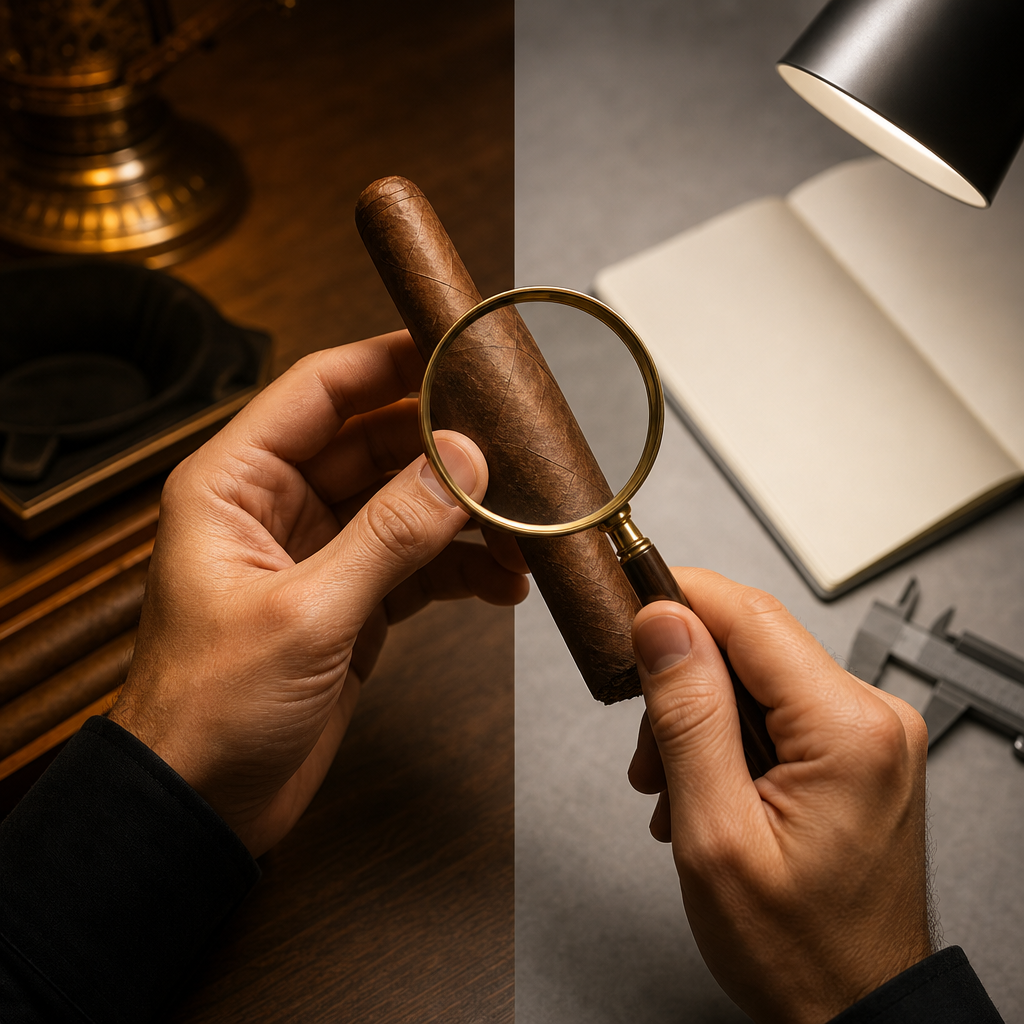
When receiving a cigar, don't judge fermentation adequacy just by the dark wrapper. Maduro color may come from leaf type, sunlight, fermentation intensity, and subsequent treatment; dark color does not necessarily mean sweetness or maturity. Seasoned enthusiasts can first smell the cold aroma: if there is a pungent ammonia, wet cardboard, or rotten sweetness, be cautious; if it's hay, wooden box, cocoa, nuts, and light spices, it's usually healthier.
Judging fermentation quality should look at the stability during the burning process, not just the initial impact. Excessive spiciness in the early stages, sudden bitterness in the mid-stages, and obvious throat irritation in the late stages may all indicate fermentation or storage issues. Of course, the smoking rhythm also affects judgment; if large puffs are taken every 20 seconds, even the best leaves will overheat, producing burnt bitterness, mistakenly thinking the factory handled it poorly.
My own judgment looks at four things:
- Whether the cold aroma is clean, without obvious ammonia and moldy odors.
- Whether the first 1 cm after lighting stabilizes quickly, rather than being sharply chaotic.
- Whether there is a layer transition in the middle stage, such as wood turning to coffee, pepper turning to cocoa.
- Whether the late stage is only burnt bitterness, or still has sweetness, oiliness, and aftertaste.
If a cigar can maintain linearity with transitions within 60 minutes, it often indicates that the leaf fermentation, formula, and rolling are all up to standard.
Common Questions
Is Longer Fermentation Better?
Not necessarily. Thick leaves like ligero require longer fermentation, but thin wrappers may lose their sheen and delicate aroma if subjected to high temperatures for extended periods. Good fermentation is not about being longer but about completing the transformation at the right temperature and humidity. Therefore, 18 months is not necessarily better than 9 months; it depends on the leaf type and purpose.
Why Do Some Young Cigars Have a Pungent Smell?
A common reason is that ammonia has not completely dissipated, or fluctuations in temperature and humidity during transportation and storage have trapped the odor. If it smells like detergent, wet cardboard, or sour rot, it's usually not suitable for immediate flavor evaluation. It can be placed at a stable 65% to 69% relative humidity for a period, then observe if the cold aroma becomes clean.
Does Maduro Mean More Complete Fermentation?
Maduro usually undergoes stronger processing, commonly seen as dark, oily, and sweet, but it does not guarantee quality. Connecticut Broadleaf, Mexican San Andrés, and Brazilian Mata Fina can all be made into Maduro, with varying results. The focus is still on whether it is clean and layered, not just the depth of color.
Is Cuban Cigar Fermentation Completely Different from Non-Cuban?
Cuba has its traditional classification and regional conditions, but non-Cuban regions are also mature in equipment recording, batch management, and cross-regional blending. The Dominican Republic, Nicaragua, and Honduras each have their strengths. Cuba's charm lies in terroir and tradition, while non-Cuba's advantage often lies in precise control and formula flexibility.
Can Box Aging Remedy Insufficient Fermentation?
It can only partially improve. Aging can make moisture, aroma, and stimulation more integrated, but if the leaf itself has excessive ammonia, spoilage, or obvious fermentation gaps, time cannot turn defects into advantages. Good box aging enhances smoothness on a solid fermentation foundation, not as a substitute for factory fermentation.
How to Avoid Damaging Completed Fermentation Results with Storage Conditions?
It is recommended to maintain a stable range of 18°C to 21°C, with relative humidity of 65% to 69%, avoiding high temperature and humidity. When exceeding 24°C with high humidity, the risk of pests and mold increases; too low humidity can reduce oiliness. Stability is more important than frequent adjustments, a detail often overlooked by seasoned enthusiasts.
Fermentation is the most fascinating behind-the-scenes language of cigars. It is not as conspicuous as brand labels, yet it determines whether a cigar can transition from strength to depth, from aroma to aftertaste. When I look at cigars, I don't just look at fame and vintage, but whether the leaves are respected: slowing down where needed, stopping when necessary. Understanding fermentation is key to appreciating the invisible dialogue between the factory and the land.
—Cigar Prince Wilson Tsai
Smoking is harmful to health. Under twenty years old is not allowed to smoke. Quitline: 0800-636363. This article is for reference by adults over the age of twenty for cigar culture, preservation, and regulatory knowledge, not as tobacco advertising, promotion, or purchase advice.