The Diversity of Cigars: An Analysis of Flavors from Top Global Regions
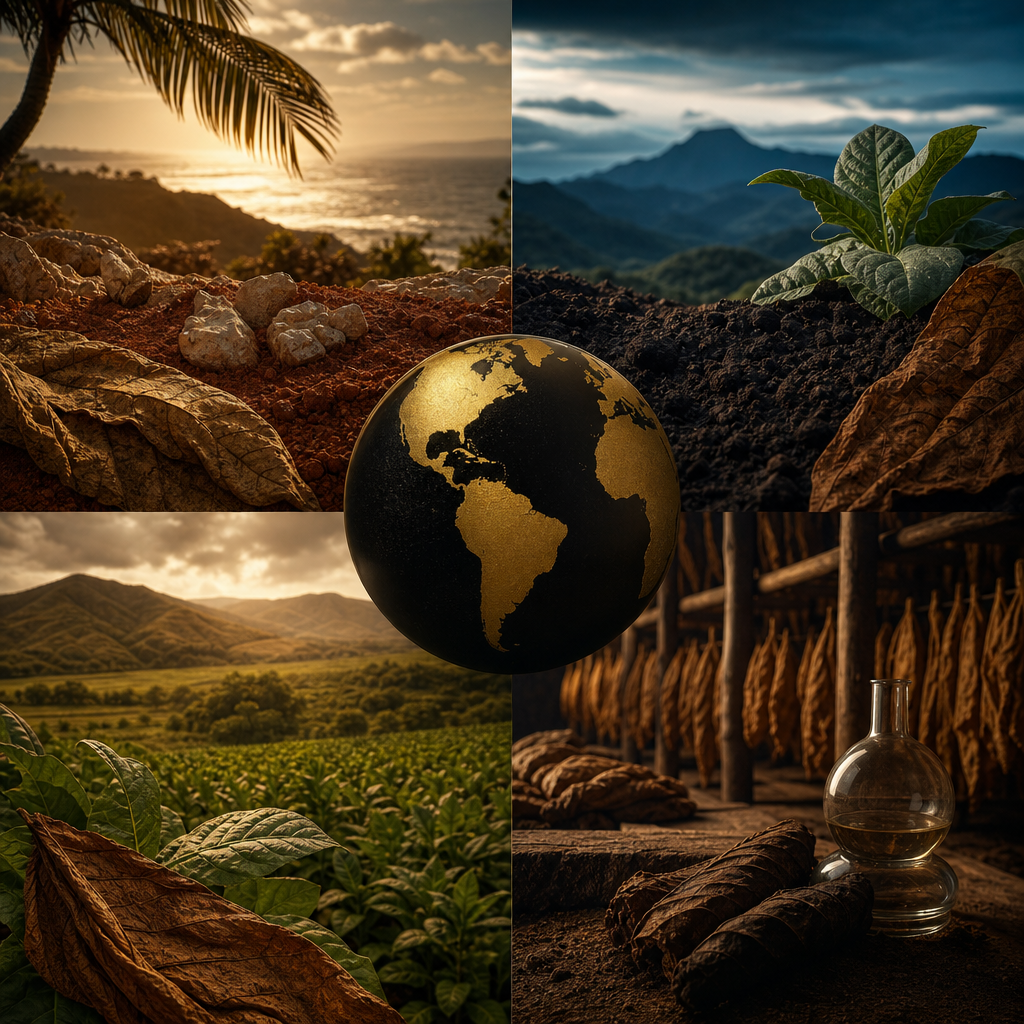
The Diversity of Cigars: An Analysis of Flavors from Top Global Regions
From Cuba to Nicaragua, from the valleys of the Dominican Republic to the tropical highlands of Honduras, the differences in cigars are never as simple as brand labels. What true connoisseurs need to understand is how soil, rainy seasons, sea breezes, fermentation rooms, and rolling traditions collectively shape the framework of a cigar.
As the editor of the "Cigar Bible," I often view regions as "flavor languages." The same notes of wood, coffee, pepper, or cream can have completely different structures, sweetness, astringency, and finishes depending on the region. Below, I use regional logic to dissect the deep flavors of top global cigars.
Cuba: Limestone Red Soil, Sea Breeze, and Classic Balance
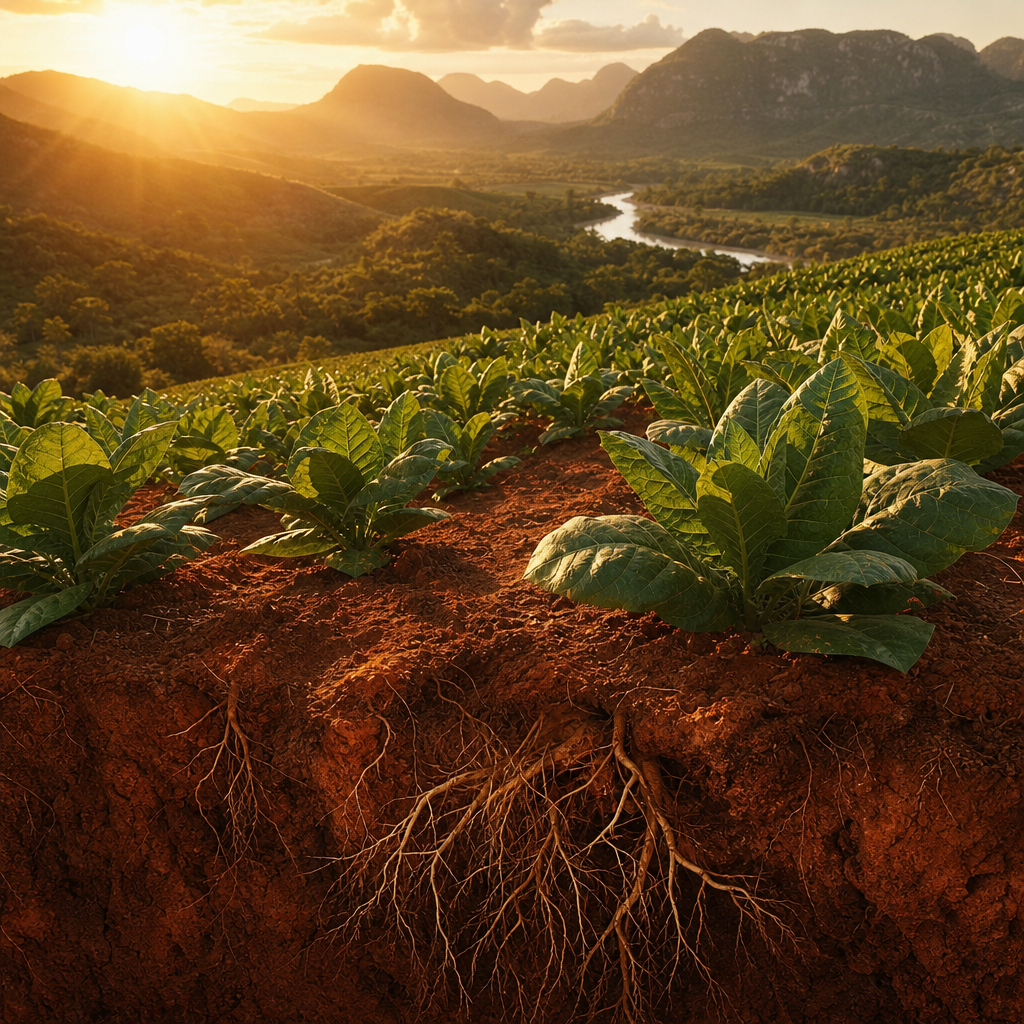
Cuba's core region, particularly Vuelta Abajo in the Pinar del Río province, is highly regarded by connoisseurs, especially the areas of San Juan y Martínez and San Luis. The red soil here, mixed with limestone, provides excellent drainage, with an average annual temperature of about 25°C, and distinct rainy and dry seasons, allowing the tobacco leaves to balance sugars, oils, and minerals. The classic charm of Cuban cigars lies not in singular strength, but in the layered transitions of herbal, mineral, woody, and delicate sweetness.
Taking the Cohiba 1966 series, Montecristo No.2, and Partagás Serie D No.4 as examples, many Cuban creations often first present notes of hay, cedar, light honey, and nuts, with cocoa, leather, black tea, and saltiness emerging in the middle. The Cohiba brand was established in 1966, while Montecristo dates back to 1935. These years are not mere decorations but reflect Cuba's long-term maintenance of style continuity through "region, factory, and formula."
However, Cuba is also at risk of being overly mythologized. The year, box code, storage conditions, and transport temperature and humidity can all alter the performance; cigars from the same box can taste vastly different if aged steadily at 18°C and 65% relative humidity compared to long-term storage in high heat and humidity. To understand Cuba, one must look at it as "soft yet structured," rather than simply asking if it's strong or rare.
Nicaragua: Sweetness, Strength, and Clear Contours from Volcanic Soil
Nicaragua has been one of the most watched regions by connoisseurs over the past 30 years, with core areas including Estelí, Jalapa, Condega, and Ometepe. Estelí's deeper soil and strong sunlight often bring black pepper, coffee, earth, and a robust nicotine feel; Jalapa, with its higher altitude and cooler climate, often presents floral notes, caramel, soft sweetness, and a more rounded mouthfeel. Nicaragua's advantage is that volcanic soil makes flavor contours sharper, allowing sweetness and strength to coexist.
Padrón is one of the most typical cases, with the family establishing the brand in Miami in 1964 and later building a signature style of dark cocoa, coffee beans, brown sugar, and spices using Nicaraguan tobacco. The Padrón 1964 Anniversary and 1926 Serie are often used by connoisseurs to calibrate the standard of "rich yet clean"; while My Father, AJ Fernandez, and Oliva Serie V showcase the strengths of Estelí tobacco in spice, wood, and oiliness.
In terms of climate, Nicaraguan regions are hot during the day and cooler at night, with the diurnal temperature variation helping tobacco leaves accumulate sugars; volcanic ash soil is rich in minerals and has good drainage, allowing roots to develop deeply. If a blend uses a higher proportion of ligero, the front end may have black pepper and high tension, transitioning to concentrated coffee, roasted nuts, and bittersweet chocolate in the middle and back. Connoisseurs choose Nicaragua not just for bold flavors but for the clarity and progression of flavor lines.
Dominican Republic: Elegance, Calcium-Rich Soil, and Subtle Changes in Long Segments
The representative regions of the Dominican Republic are concentrated in the Cibao Valley, especially Santiago, La Canela, and Jánico. The soil here is often calcium-rich, with a relatively stable climate, and the rainfall and humidity are suitable for cultivating tobacco leaves with delicate flavors and even burning. Compared to Nicaragua, the Dominican Republic often lacks direct impact but offers creamy, almond, dried fruit, floral, and vanilla-like soft layers. The most charming aspect of the Dominican Republic is building depth with elegance rather than pressure.
La Aurora dates back to 1903 and is an important historical brand in the Dominican Republic; the Arturo Fuente family has pushed the Dominican Republic onto the high-end stage. The Fuente Fuente OpusX, launched in 1995, gained attention for using Dominican wrappers, challenging the then-common belief that the region was unsuitable for cultivating top-quality wrappers. Davidoff, after the 1990s, gradually strengthened the Dominican Republic's positioning, making "delicate, clean, and structurally stable" the image of the region.
Dominican tobacco leaves are often suitable for long, slow observation: the front may feature white pepper, cream, and wood, the middle may transition to nuts, bread crust, and light cocoa, and the back may reveal leather, black tea, and dried fruit. For connoisseurs wanting to test a cigar's balance, Dominican creations are well-suited for observing the burn line, ash stability, and aroma extension, rather than just focusing on strength. The depth of this region is often hidden in "not rushing to perform."
Honduras: The Robust, Herbal, and Rugged Feel of the Mayan Valleys
Honduras' main production areas include the Jamastrán Valley, Talanga Valley, and around Copán, with terrain influenced by valleys and tropical climates, and soil often rich in minerals, clay, and organic matter. Compared to Cuba's delicate mineral feel and the Dominican Republic's elegance, Honduran cigars often give a more direct sense of soil, herbal spice, and dry woody tones. Honduras' strength lies in its wild robustness, suitable for connoisseurs who enjoy earth, leather, spices, and dry wood.
Camacho is a key brand for understanding Honduras, with its origins tracing back to the 1960s, later gaining attention for Corojo cultivation and intense styles. Brands like Alec Bradley, Rocky Patel, and Punch have also long used Honduran tobacco or produced locally. Typical flavors include black pepper, hay, earth, leather, roasted wood, and coffee grounds, sometimes with a hint of saltiness and herbal bitterness, with the back often more rugged than the front.
The challenge in Honduras lies in balancing consistency and finesse. If fermentation is insufficient, green and ammonia notes can be prominent; if properly aged, the ruggedness turns into depth, with leather and wood gaining layers. For connoisseurs, Honduras is not a "substitute" but another regional expression: it doesn't seek excessive smoothness but retains the primal tension of tropical valleys, which is why it's often used in blends to add structure.
Seeds, Wrappers, and Fermentation: The True Flavor Palette Across Regions
Discussing regions cannot be limited to country names; one must also consider seeds, parts, and processing methods. Names like Criollo, Corojo, Habano, Connecticut Shade, Cameroon, and San Andrés represent different genetics, growing environments, and processing traditions. The wrapper accounts for about 10% of a cigar's weight but can significantly influence the first impression; the filler and binder determine the burning rhythm, strength, and depth of the middle and back. The region is the foundation, while seeds and fermentation are the precise flavor tools.
| Variable | Common Influence | Connoisseur Observation Focus |
|---|---|---|
| Volcanic Soil | Concentrated minerals, spices, sweetness | Nicaragua Estelí, Ometepe |
| Limestone Soil | Clean, delicate, with mineral saltiness | Cuba Vuelta Abajo, some Dominican valleys |
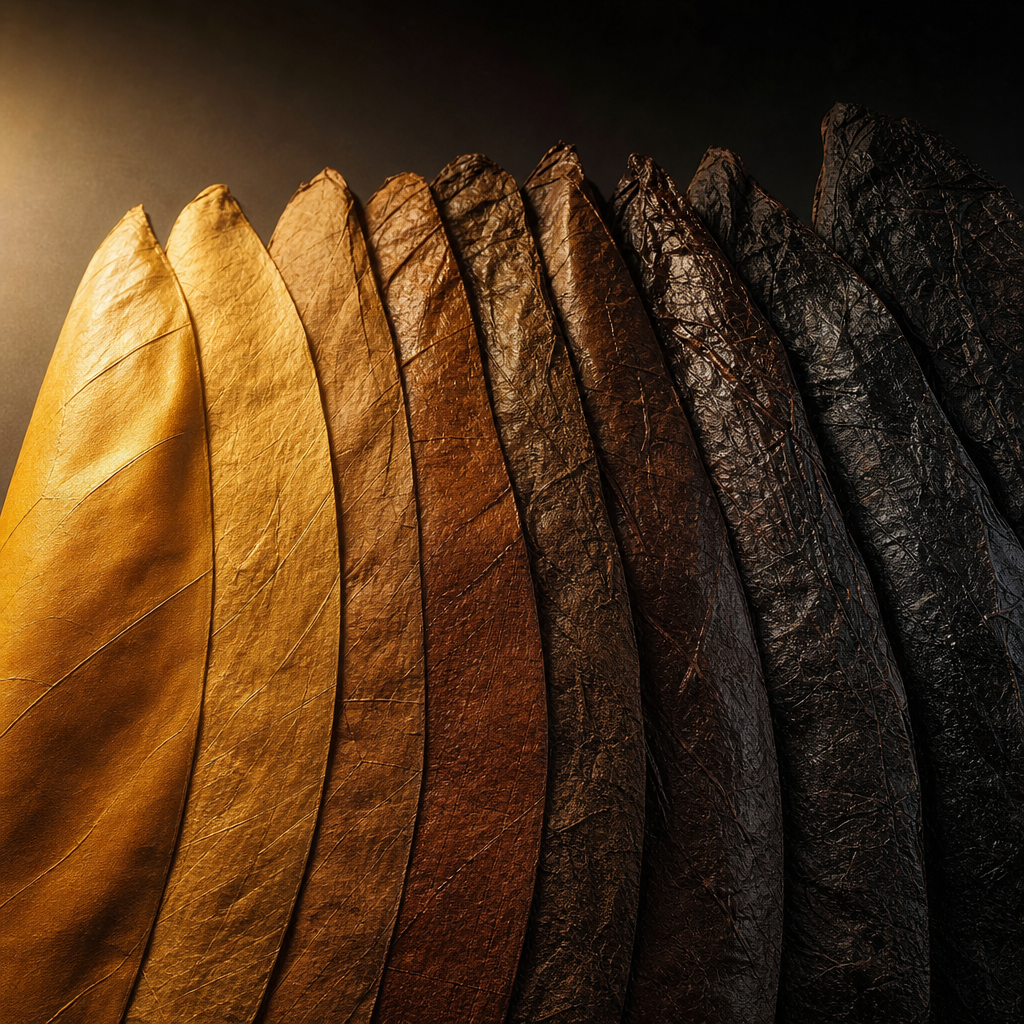
| Darker Wrappers | Cocoa, coffee, brown sugar, oiliness | Maduro, Oscuro types |
| Long Fermentation | Reduced irritation, increased smoothness | Whether ammonia and green notes have dissipated |
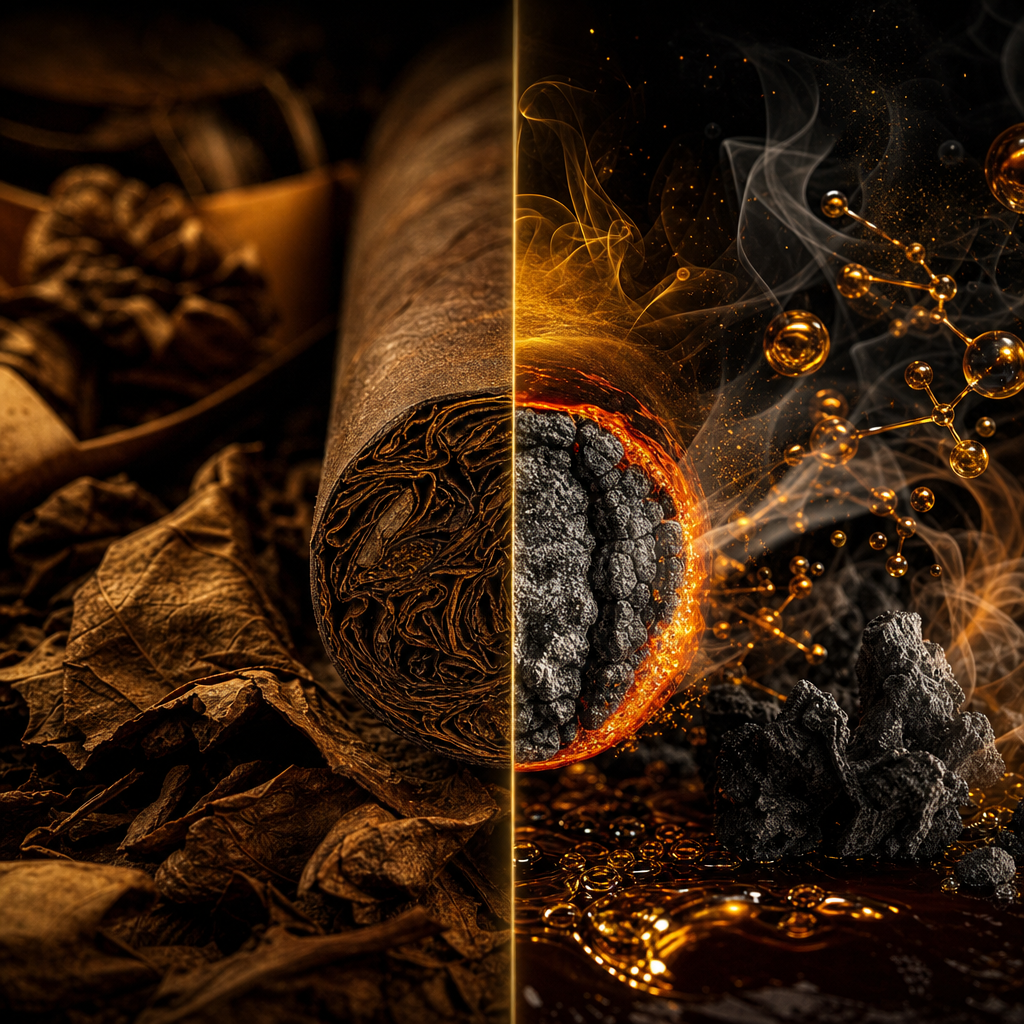
Fermentation typically involves leaf piling for temperature rise, turning, cooling, and re-arranging. If temperature control is poor, aromas can become dull or harshly stimulating. Some high-end tobacco undergoes multiple fermentations and years of aging, such as 3, 5, or even more years, but time is not a panacea; storage humidity, ventilation, and initial leaf quality are equally crucial. Collecting does not guarantee appreciation; it depends on source preservation and market conditions.
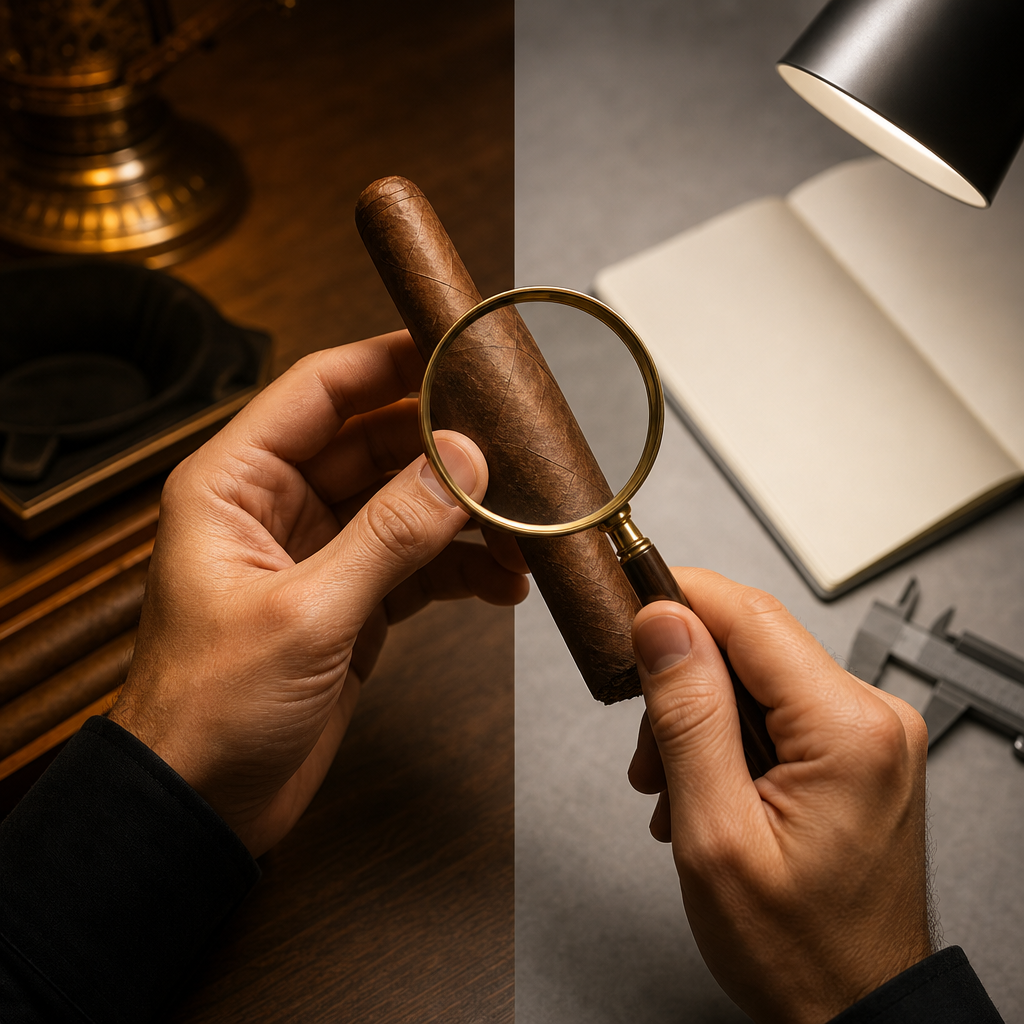
For connoisseurs, evaluating a cigar can be broken down into three layers: first, does the wrapper give you sweet, spicy, woody, or earthy aromas? Second, is there a clear transition in the middle? Third, does the back end cleanly conclude, or is it left with only bitterness and heat? This is more effective than simply remembering brands and helps avoid being led by the fame of the origin.
Advanced Connoisseurship: Establishing Your Own Regional Calibration Method
If you already have brand preferences, the next step is not to blindly expand the list but to establish "calibration coordinates." I recommend that connoisseurs use at least four regions, with three representative works from each, creating 12 benchmark samples: for Cuba, choose Montecristo, Partagás, H. Upmann; for Nicaragua, choose Padrón, Oliva, My Father; for the Dominican Republic, choose Davidoff, Arturo Fuente, La Aurora; for Honduras, choose Camacho, Punch, Alec Bradley. True advancement is organizing taste experiences into a repeatable comparison system.
When implementing, fix conditions; otherwise, comparisons will be inaccurate. It is recommended to maintain an environment of 18–21°C, relative humidity of 65–69%, and observe the same size at similar times and post-meal states. A Robusto, about 50 ring gauge and 5 inches, often burns for 45–70 minutes; a Churchill, about 7 inches, has a slower pace, suitable for observing back-end changes. Different sizes will amplify or compress regional characteristics.
- Record the first 0–15 minutes: wrapper aroma, first puff spice, sweetness.
- Record the middle 15–45 minutes: whether wood, coffee, minerals, and nuts transition.
- Record the back end: heat, bitterness, leather, and finish length.
- Review notes two weeks later, remove emotional words, and retain comparable descriptions.
This method will reveal that some people think they like "Cuba," but actually prefer medium strength, herbal minerals, and gentle sweetness; others think they like "strong," but actually pursue Nicaragua's brown sugar, coffee, and volcanic spice. When preferences are broken down, choices become more precise.
Common Questions
Are Cuban cigars always better than those from other regions?
Not necessarily. Cuba has irreplaceable herbal, mineral, and balance qualities, but Nicaragua excels in strength and sweetness, the Dominican Republic in finesse, and Honduras in robust herbal qualities. Regions have no absolute hierarchy; it's about whether the flavor language and preservation state match your preferences.
Why do two boxes of the same brand and model perform differently?
Year, box code, transport, storage, and aging environment all affect the outcome. If one box of the same cigar is stored long-term at over 70% humidity and another is stable at 65–68%, the burn rate, bitterness, and aroma clarity may differ. Connoisseurs look for consistency, not just single-stick surprises.
How can you distinguish between the robustness of Nicaragua and Honduras?
Nicaragua often features black pepper, coffee, cocoa, and brown sugar sweetness, with clearer lines; Honduras often has earth, hay, leather, and herbal bitterness, with a rougher texture. If the back-end spice is concentrated and sweetness remains, it's likely Nicaraguan; if dry wood and soil notes are prolonged, it may be Honduran.
Is the Dominican Republic too mild?
The Dominican Republic is not synonymous with mildness. Works like OpusX have considerable tension, but their strength is often wrapped in cream, nuts, and wood structure, unlike Nicaragua's directness. The depth of the Dominican Republic is often hidden in details, not the impact of the first puff.
How long should aging be to reveal regional characteristics?
If stored stably, 6–12 months can even out humidity, and 2–3 years can often reduce irritation and blend aromas. But not all cigars are suitable for long-term aging; formula, leaf age, and initial quality are important. It's recommended to observe in batches from the same box, recording every 6 months, which is more reliable than guessing the age.
Should connoisseurs study regions or brands first?
Both should proceed simultaneously. Brands represent blending philosophy, regions represent raw material character. Focusing only on brands can overlook soil and climate; focusing only on regions can underestimate the blender's skill. The most stable approach is to understand a fixed region through a fixed brand, then refine your judgment through cross-brand comparisons.
I have always believed that the most interesting aspect of cigars is not ranking the world but learning to understand the accent of each piece of land. The resilience of Cuba, the volcanic tension of Nicaragua, the elegance of the Dominican Republic, and the wildness of Honduras are all different movements in the cigar world. When you can think in terms of regions, every cigar in your hand is no longer just a brand but a translation of terroir.
—Cigar Prince Wilson Tsai
Smoking is harmful to health. Under 20 years old is prohibited from smoking. Quitline: 0800-636363. This article is for adults over 20 years old as a reference for cigar culture, preservation, and regulatory knowledge, not a tobacco advertisement, promotion, or purchase suggestion.