Dialogue with Time: Changes and Flavor Exploration in the Aging Process of Cigars
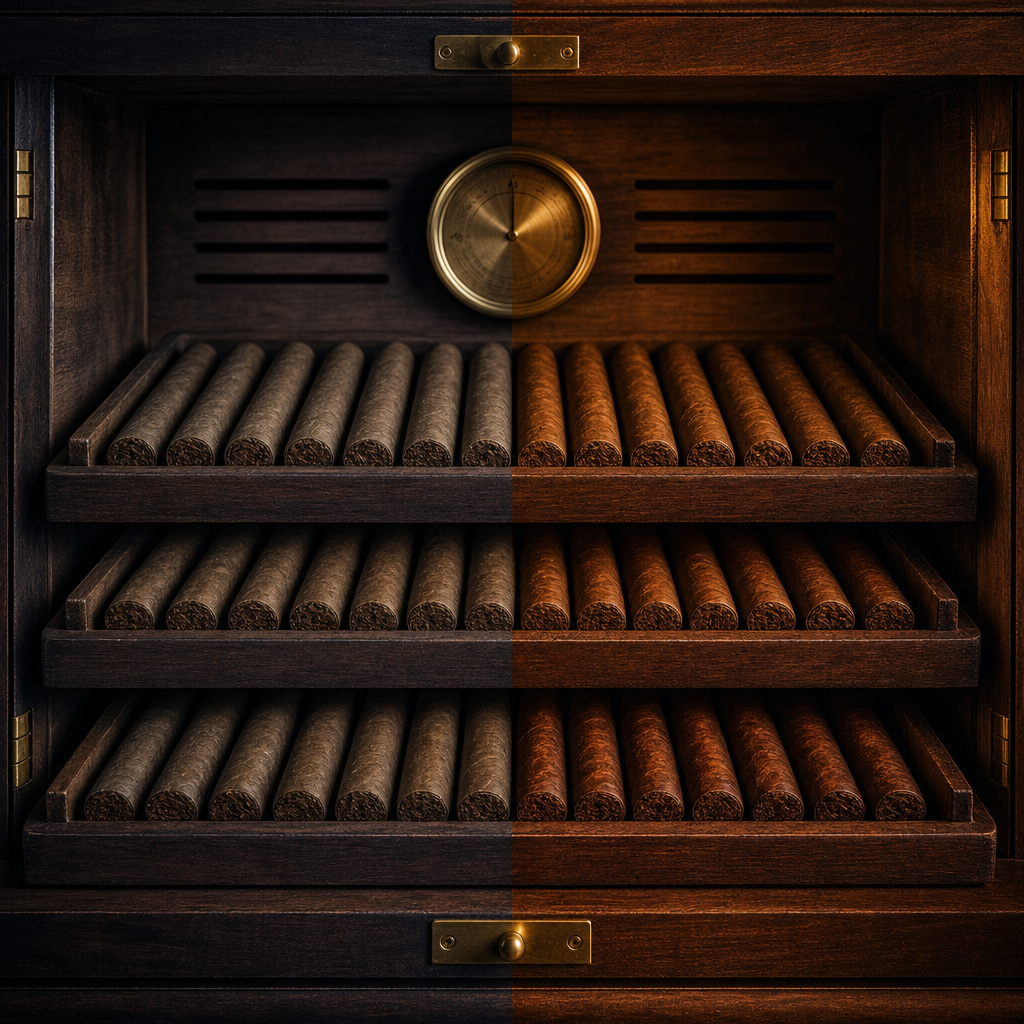
Time is the quietest and strictest judge of cigars. Many seasoned enthusiasts know that the same box of cigars opened in the 3rd month, the 3rd year, and the 10th year may seem like three different works; the difference is not only in "smoothness," but also in the rearrangement of sugar, acid, ammonia, oils, wood, and fermentation by-products, forming new layers.
As an editor of the "Cigar Bible," I often view aging as a marathon: brand, vintage, storage conditions, and personal taste—none can be absent. In this article, I want to discuss from the perspectives of chemistry, timeline, brand cases, and practical methods, addressing the question most concerned by seasoned enthusiasts: how to let a good cigar speak deeper words over time.
Aging is not Magic: It Changes Volatility and Balance
After cigars are rolled, the tobacco leaves still contain moisture, ammonia, protein breakdown products, natural sugars, organic acids, nicotine alkaloids, and polyphenolic compounds. Even after leaving the factory, these components continue to interact slowly under appropriate humidity and temperature. Aging is not about turning an ordinary cigar into a premium one, but about gradually integrating the potential that originally exists.
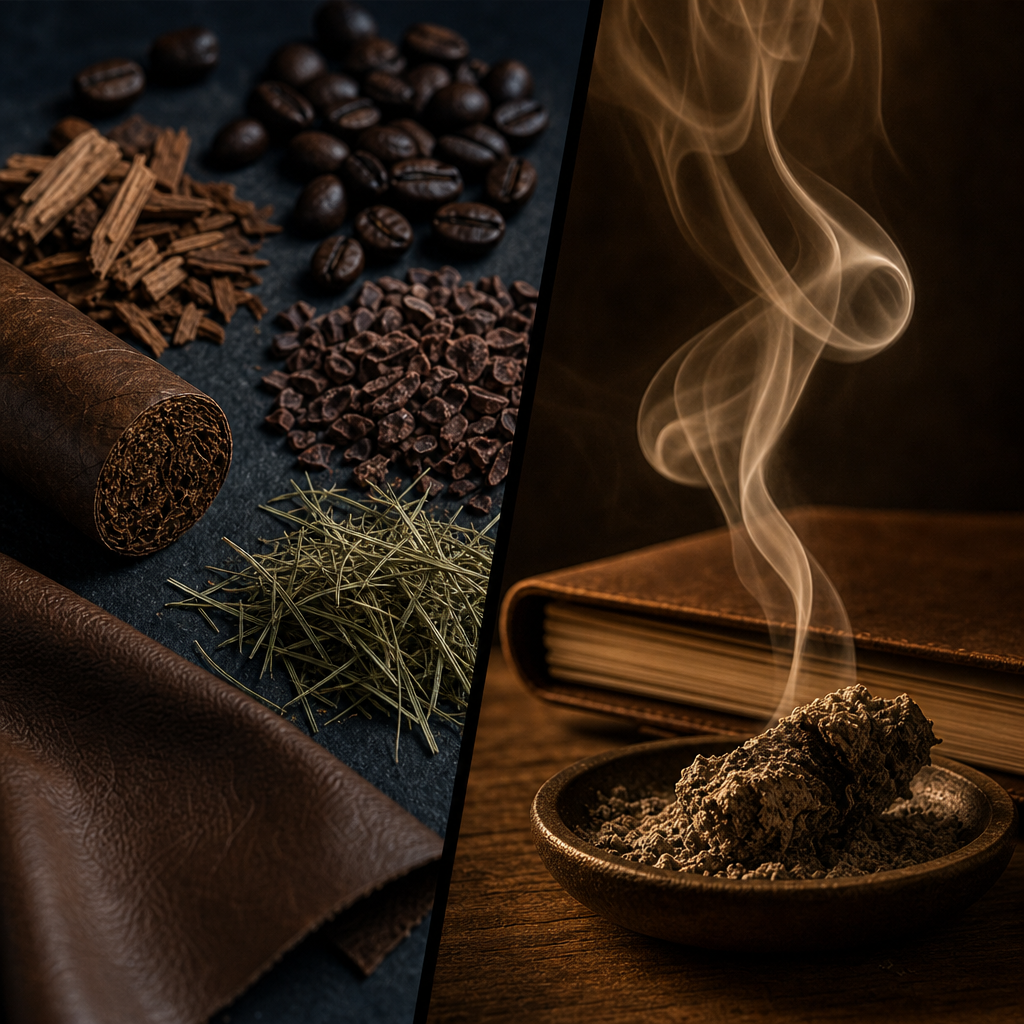
Take the Partagás Serie D No.4 boxed in 2019 as an example. New boxes often exhibit black pepper, roasted wood, and sharper ammonia notes; by 2022, the stimulation usually decreases, and leather, coffee grounds, and dry cocoa become more apparent. The core of aging is not to increase flavor but to reduce noise, allowing details that were originally obscured to emerge.
When evaluating a box of cigars, I separate "flavor intensity" from "flavor integration." A young cigar may be impactful, but like a band playing out of sync; five years later, the intensity may not be higher, but the rhythm is consistent, and the aftertaste is longer. This is why some seasoned enthusiasts prefer to wait until a box of cigars passes its raw phase before entering formal records.
0 to 24 Months: Ammonia Reduction Phase and First Wave of Sedimentation
The most common issues with fresh cigars are ammonia, grassy notes, bitter edges, and unstable burning. Especially for large ring gauges, high humidity, or batches that circulate quickly after boxing, the first 6 to 12 months often require rest. This period is not a "the longer, the better" linear progression but a time for volatile ammonia and sharp green notes to slowly dissipate.
For example, the H. Upmann Magnum 54 from 2021, if opened immediately upon purchase, may have cream, almond, and cedar in the front, but the middle may show spiciness and metallic notes; by 2023, the structure will be rounder, and the sweetness cleaner. The focus of the first two years is to reduce unstable stimulation, not to expect the depth of old cigars.
During this stage, I avoid frequent box openings, drastic environmental changes, and am not eager to increase humidity. If cigars arrive overly moist, they can be left at 65% to 67% relative humidity for 30 to 60 days before the first assessment. Young cigars are most afraid of impatience: opening, flipping, and sniffing every week can instead make environmental fluctuations a new disturbance.
3 to 7 Years: Golden Integration Period of Sweetness, Oils, and Structure
Most quality Havana cigars enter a quite charming phase between 3 to 7 years. After the ammonia fades, impressions of caramelization of natural sugars, clean woodiness, nuts, and leather gradually connect. This does not mean actual cooking-style caramelization occurs within the cigar but rather a sensory presentation of a more rounded sweet-bitter balance.
Take the Cohiba Siglo VI as an example. Those boxed in 2014 often have honey, hay, cream, and citrus peel by 2017; by 2021, if well-preserved, toasted bread, vanilla wood, and a longer creamy aftertaste may emerge. 3 to 7 years is usually a "highly readable interval where brand personality is still clear, and roughness has significantly decreased."
Non-Cuban cigars also exhibit similar phenomena. After 3 years, Padrón 1964 Anniversary Maduro integrates chocolate, coffee, and brown sugar more; Arturo Fuente Don Carlos around 5 years often shows more refined cedar, cinnamon, and orange peel. This period is most suitable for establishing personal benchmark notes, as the changes are evident yet not so much as to obscure the original style.
8 to 15 Years: Mature Flavors Emerge, but Not Every Cigar is Suitable for Long Aging
After 8 years, cigars begin to exhibit more mature "old flavors": old book pages, dried mushrooms, leather, beeswax, aged wood cabinets, dried flowers, and a faint mineral sense. These flavors are charming but also come with risks; if the original tobacco density is insufficient, storage is too dry, or the structure was initially light, time may only thin it out.
I once opened a box of Romeo y Julieta Churchill from 2008. Those well-preserved still had rosewood, black tea, sweet spices, and elegant aftertaste; but another box of the same year, if stored below 58% relative humidity for long periods, had scattered aromas, fast burning, and hollow end segments. Long-term aging is not about vintage worship but about raw materials, craftsmanship, and preservation jointly passing the test.
When it comes to collection and market value, old boxes, limited editions, and discontinued sizes may indeed be sought after, such as certain early box codes of Hoyo de Monterrey Double Coronas or highly rated batches from the early 2010s; but collection appreciation does not guarantee value increase, still depending on source preservation and market. For me, the core reward of collecting is being able to savor the details left by time.
Temperature, Humidity, and Oxygen: Three Variables Determine Aging Speed
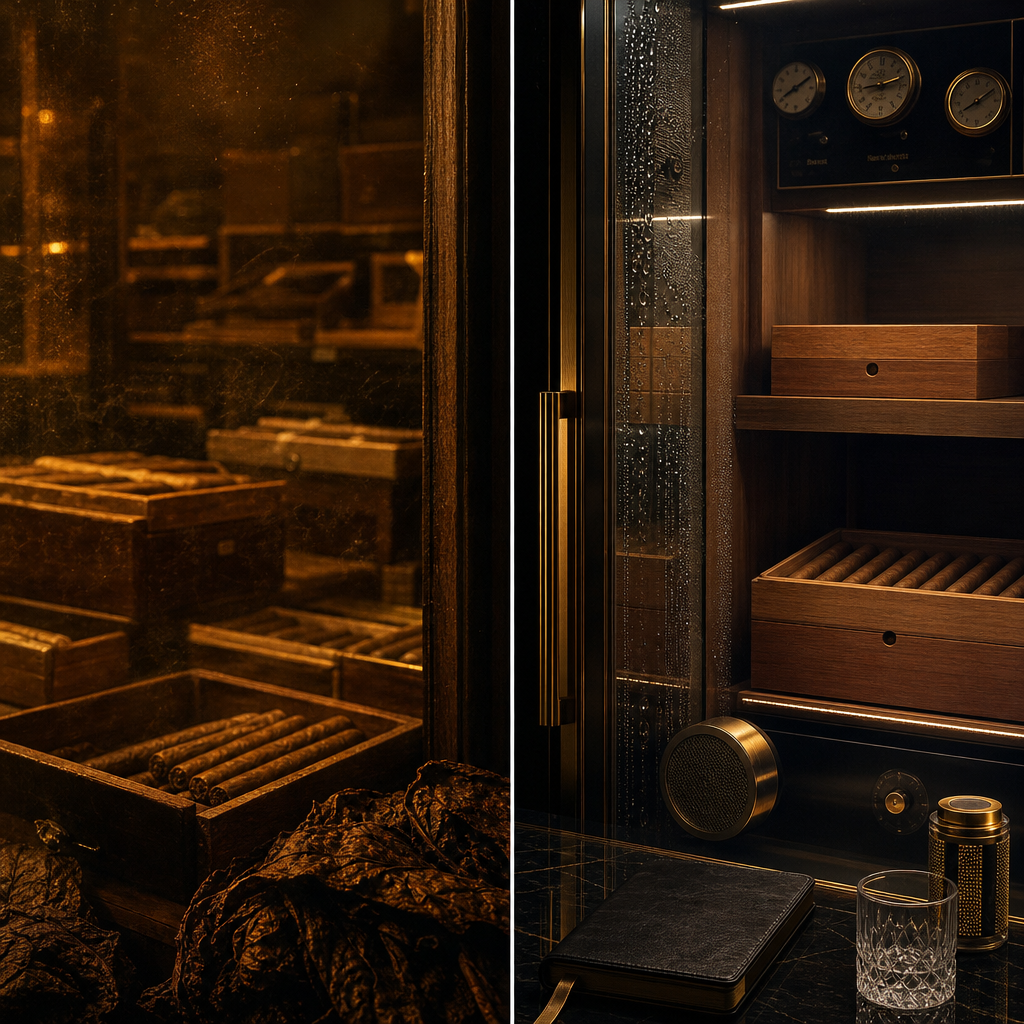
Aging speed is most affected by temperature. 18°C to 21°C is usually safer; if consistently above 24°C, not only do chemical reactions accelerate, but the risk of pests and oil imbalance increases. Humidity involves burning and micro-reactions: excessive moisture retains ammonia and causes burning to be sluggish; too dry results in oil loss and short aroma.
I often recommend long-term storage at 65% to 68% relative humidity rather than blindly pursuing 70%. Cuban cigars often retain clear woodiness and sweetness around 66%; larger ring gauge non-Cuban Maduros can be adjusted to 67% to 69% depending on burning conditions. Stability is more important than pretty numbers; daily fluctuations of 5% are more damaging to flavor than being fixed at slightly lower humidity.
Oxygen should not be overlooked. A fully sealed environment can slow changes, but if there is no air exchange, unpleasant odors may accumulate inside the box; frequent box openings cause humidity fluctuations. My approach is to quickly check every 4 to 8 weeks, confirming humidity, mold, insect holes, and box odor without unnecessary flipping. Cigars need time, not excessive care.
Aging Curves of Different Brands and Tobacco Styles
Brand formulas determine the direction of aging. Stronger Havanas like Bolívar, Partagás, and Ramon Allones often exhibit spicy, earthy, and rich woodiness when young, with brown sugar, leather, and dried fruit appearing after 5 to 10 years; while H. Upmann, Hoyo de Monterrey, and Por Larrañaga tend towards cream, honey, nuts, and floral refinement.
| Type | Representative Brands or Series | Common Expressions Within 3 Years | Potential in 5 to 10 Years |
|---|---|---|---|
| Strong Structure Cuban | Bolívar Royal Corona, Partagás Lusitanias | Spicy, earthy, cocoa bitterness | Leather, brown sugar, concentrated coffee |
| Elegant Cuban | H. Upmann Magnum 46, Hoyo Epicure No.2 | Cream, cedar, grassy edges | Honey, almond, dried flowers |
| Rich Non-Cuban | Padrón 1926, Fuente OpusX | Dark chocolate, pepper, wood | Prunes, cocoa, spice fusion |
| Light to Medium Non-Cuban | Davidoff Aniversario, Avo Classic | Cream, grains, white pepper | Roasted nuts, vanilla, clean aftertaste |
Non-Cuban cigars often have a more complete fermentation and maturation process, making them more approachable at launch; but this does not mean there is no room for aging. Davidoff Millennium Blend often transitions from clean woodiness to cream, white pepper, and almond skin after 4 to 6 years. Cigars truly worth long aging usually have structure and aftertaste when young, not just relying on strength to hold the stage.
To determine if a cigar is suitable for long aging, I look at three things: first, whether there are changes in the front, middle, and back segments; second, whether the aftertaste exceeds 30 seconds; third, whether there is still sweetness in the burning end segment. If young, it only has spiciness and heaviness but lacks sweetness, acid, oils, and layers, it may not become great with time.
Establishing Your Own Aging Experiment: How to Track a Box of Cigars
To advance as a seasoned enthusiast, one cannot rely solely on impressions. I recommend keeping at least 10 cigars from the same box and opening one at 0, 6, 12, 24, 36, and 60 months for records. Recording is not about writing flowery words but about fixed assessments: initial aroma, burning, ash color, main flavor, secondary flavor, aftertaste, stimulation, and overall integration.
My note sheet will indicate box code, source, acquisition date, storage equipment, average temperature and humidity, and each assessment environment. For example, if a Montecristo No.2 acquired in September 2020 shows bitter almond and ammonia in the first 12 months and transitions to cocoa, coffee, and dry wood at 24 months, I can know that the peak of this box may be in 4 to 6 years. Without records, aging is just a memory; with records, time becomes comparable data.
In practice, the following process can be used:
- Photograph box codes, seals, liners, and the state of each cigar.
- Sample 2 cigars as an initial baseline without rushing to judge the whole box.
- Store consistently at 18°C to 21°C, 65% to 68% relative humidity.
- Each assessment interval should be at least 6 months to avoid over-consuming samples.
- Record integration, sweetness, aftertaste, and burning using a 100-point or 5-point scale.
Preservation Strategies to Enhance Flavor Potential
To make cigars better over time, the first step is to avoid mistakes. Do not immediately mix cigars from different sources after acquisition; I isolate them for 30 days to observe for excessive moisture, mold spots, insect holes, or odors. For boxes after international transport with large temperature and humidity fluctuations, resting for 60 to 90 days before formal recording is fairer.
There are also differences between wooden box storage and single cigar protection. Original wooden boxes can provide a stable microenvironment, especially suitable for whole box aging; single cigar cellophane can reduce collision and flavor interference. If using humidification packs, it is recommended to configure according to space capacity, not to fill it to the point where air cannot circulate. The key to enhancing potential is to let changes be slow, stable, and clean, not to urge it with higher humidity.
Do not overlook "flavor pollution." Coffee beans, perfumes, leather care oils, mothballs, and strong aromatic substances in cigar shops can all cause cigars to absorb foreign odors. High-priced old cigars with unnatural fragrance or moldy earthiness will lose their luster regardless of vintage. The role of PCC authorized dealers, for me, focuses on traceable sources and inspectable preservation conditions, which is more reliable than listening to stories.
Common Questions
Do cigars get better the longer they are aged?
No. Light-structured, thin raw materials or poorly preserved cigars will only have their aroma fade over time. Aging depends on the original framework; cigars without sweetness, oils, and aftertaste are hard to gain depth over time.
Is 70% relative humidity the standard?
70% is a common reference, not a rule. For long-term aging, I more often use 65% to 68%, especially for Cuban cigars, where burning and wood clarity are usually better at slightly lower humidity.
Is white powder on the surface of cigars a good sign?
Not necessarily. Crystalline, easily wiped off, and without a hairy structure may be oil or mineral precipitation; if it is fuzzy, spreads quickly, and has a moldy smell, it should be isolated and treated. Vintage cannot cover hygiene issues.
Can cigars still be aged long-term after opening the box?
Yes, but the speed and stability will change. After opening, air exchange increases; if the remaining quantity is small, a smaller humidor or sealed bag with a humidification pack can reduce fluctuations caused by excessive space.
Are limited editions always more suitable for long aging?
Not necessarily. Limited editions often have heavier tobacco leaves and special sizes, but still depend on formula balance, vintage performance, and storage conditions. When discussing the collection market, it must also be remembered: it does not guarantee value increase, still depending on source preservation and market.
When should one open a cigar to check its status?
For a new box, I establish a baseline after stabilizing for 60 to 90 days; thereafter, open one every 6 to 12 months. Too frequent openings will deplete samples and may be misled by short-term humidity fluctuations.
Time will not create a nonexistent soul for cigars, but it can let works with true substance quiet down and reveal deeper lines. I am fascinated by aging, not because of the halo of old vintages, but because each box opening is like flipping through my past notes: the judgment of the year, the discipline of preservation, the patience of waiting, all written in that wisp of aroma. Seasoned enthusiasts pursue not the more expensive, but the more understanding.
—Cigar Prince Wilson Tsai
Smoking is harmful to health. No smoking under the age of twenty. Quitline: 0800-636363. This article is intended for adults over the age of twenty as a reference for cigar culture, preservation, and regulatory knowledge, not as tobacco advertising, promotion, or purchase advice.