First Understand the Two Timelines: Cigar Combustion and Whisky Development Are Not the Same Thing
Smoking is harmful to health. Persons under twenty years of age shall not smoke. Smoking cessation hotline: 0800-636363. This article is provided solely as a reference on cigar culture, storage, and regulatory knowledge for adults aged twenty or above. It is not tobacco advertising, promotion, or purchase advice.
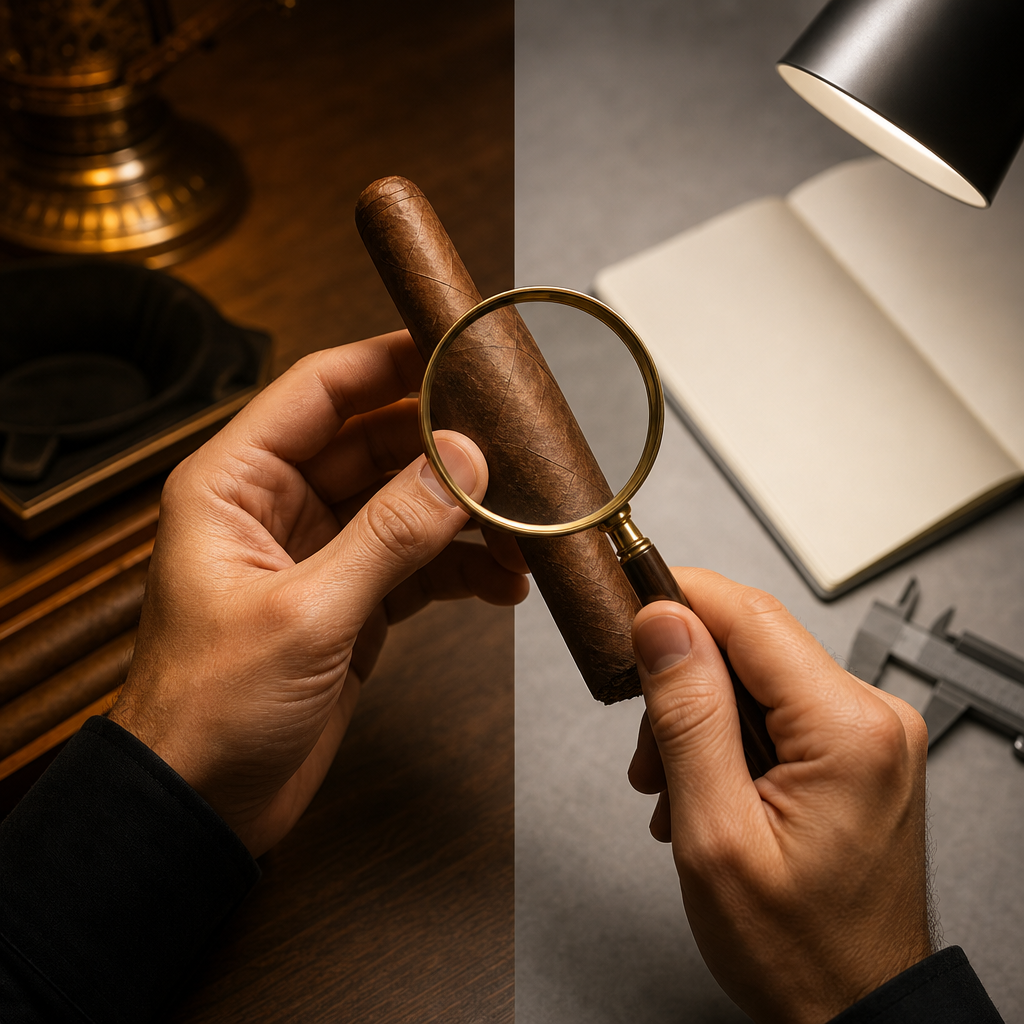
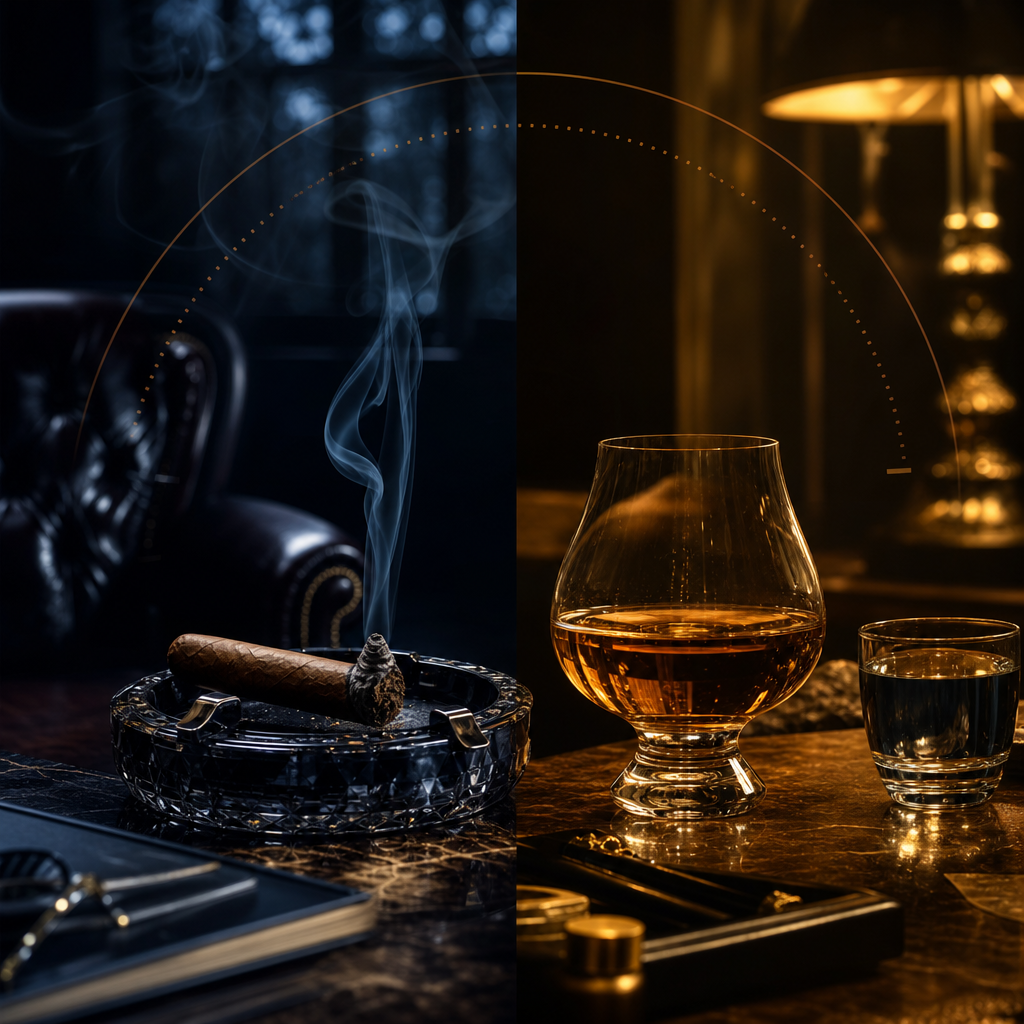
When cigars meet whisky, what is truly fascinating is not "strong with strong" or "expensive with expensive," but how the two support each other across the mouth, nasal cavity, and timeline. If beginners already understand the basics of cutting, lighting, puffing without inhaling, and smoking slowly, the next step is learning how to judge: how the wood, leather, nuts, cocoa, and pepper of a cigar create layers with the malt, peat, sherry cask, vanilla, and honey of whisky. In this article, from the perspective of an editor of W Cigar Bible and the founder of W Cigar Bar, a gentlemen's cigar lounge, as well as a PCC Authorized Dealer, I will thoroughly break down the art of pairing cigars and whisky, from flavor structure, body selection, brand examples, etiquette and pacing to common mistakes, so that you do not merely "feel it tastes good and smokes well," but can explain why it is harmonious.
First Understand the Two Timelines: Cigar Combustion and Whisky Development Are Not the Same Thing
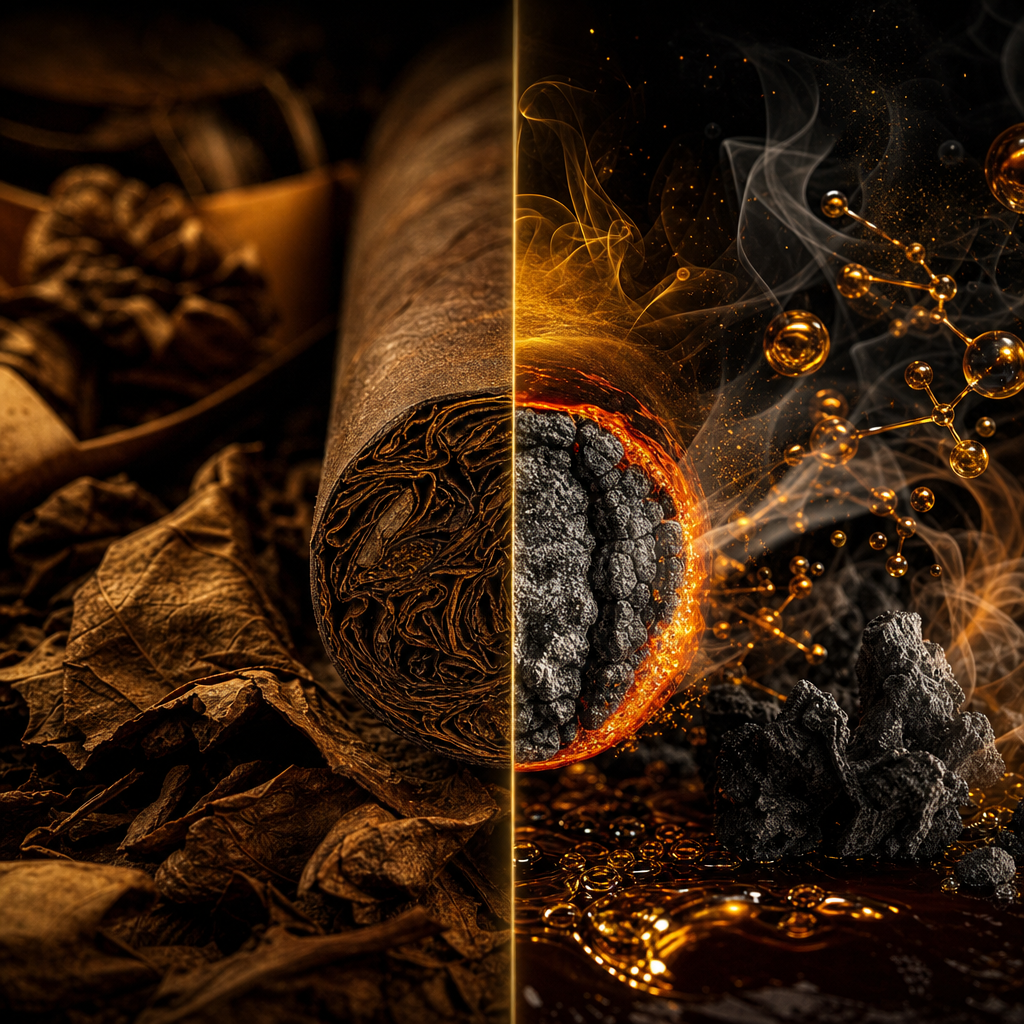
The first concept in pairing cigars and whisky is the "timeline." A Robusto of about 50 ring gauge and 124 millimeters in length can usually last 45 to 70 minutes; a Churchill of about 178 millimeters and 47 ring gauge can extend the pace to more than 90 minutes. Whisky is different. When 30 ml is poured into a glass, the first 5 minutes are when alcohol, cask aromas, and volatile aromas are most active. Only after 10 to 20 minutes do finer notes of dried fruit, wood, vanilla, or peaty ash begin to appear. Therefore, if you drink high-alcohol, heavily peated whisky aggressively during the first third of a cigar, it is easy to flatten the palate, leaving only spice and heat in the second half. A better approach is to divide the cigar into three sections: first third, middle third, and final third. Use small sips of whisky in the first third to build a bridge; let the whisky and the tobacco core amplify each other in the middle third; and control the amount of whisky in the final third to avoid stacking nicotine sensations with alcohol sensations. Taking a private after-dinner pairing I recorded in 2019 as an example, Partagás Serie D No.4 paired with Highland Park 12 Year was noticeably more stable overall when the first 15 minutes were used to recalibrate the mouth with water, allowing honey, smoke, and leather to complement one another in the middle third, rather than starting immediately with a high-alcohol cask strength whisky.
Choosing Whisky Body Based on Cigar Strength: Thicker Is Not Always Better; the Weight Must Align
Many beginners ask: "Does a strong cigar have to be paired with heavy peat?" Not necessarily. Cigars can roughly be divided into three strength levels: mild, medium, and full. But what truly affects pairing is "mouthfeel weight" and "finish shape." For example, Hoyo de Monterrey Epicure No.2 is often considered a relatively gentle Robusto size with clear creamy and nutty notes. If paired with an Islay such as Ardbeg 10 Year, which has strong iodine, seaweed, and ash notes, the cigar's delicate hazelnut and creamy character may be covered. Conversely, if Glenmorangie Original 10 Year, Balvenie DoubleWood 12 Year, or Glenfiddich 15 Year is used, the vanilla, honey, apple, and light oak in the whisky can lift the softness of the cigar's first third. For medium-high strength cigars such as Bolivar Belicosos Finos, Partagás Serie P No.2, or Ramon Allones Specially Selected, Talisker 10 Year, Lagavulin 16 Year, or Springbank 10 Year may be considered, allowing sea salt, dry smoke, and spices to connect with leather, black pepper, and roasted coffee. A simple ratio can be used when judging: if the cigar is medium strength, the whisky's alcohol level is recommended to fall between 40% and 46%; only when the cigar has a thick structure and a strong final third should 48% or above or cask strength be considered, and even then it should still be sipped slowly in small amounts.
Flavor Bridges: How Nuts, Cocoa, Wood, Peat, and Sherry Casks Connect with One Another
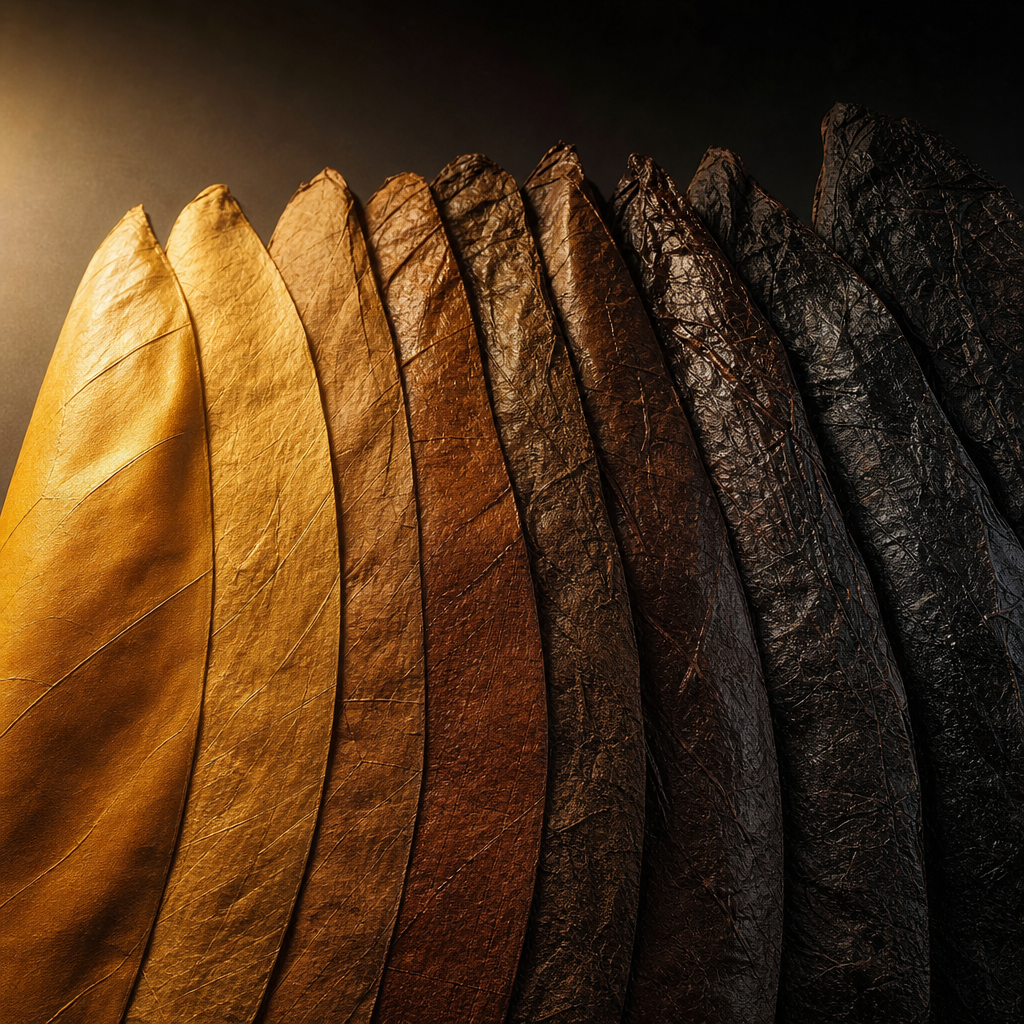
Truly skillful pairing is not forcing two strong flavors together, but finding a "common language." Common cigar flavors include cedar, roasted almond, coffee, cocoa, black pepper, leather, dry grass, earth, and cream; whisky may show malt, vanilla, toffee, green apple, citrus peel, raisins, dark chocolate, smoke, and sea salt. If a cigar carries cocoa and coffee, such as the roasted character often found in the middle third of Montecristo No.2, it can be paired with Macallan 12 Year Sherry Oak or GlenDronach 12 Year, using the raisins, orange peel, and dark chocolate of the sherry cask to extend the finish. If a cigar leans toward wood and spice, such as Romeo y Julieta Wide Churchills, Old Pulteney 12 Year or Oban 14 Year can be selected, using slight salinity, honey, and dried fruit to keep the woodiness from becoming dry and astringent. Peated whisky requires caution. The medicinal, iodine, and heavily smoky personality of Laphroaig 10 Year is very distinctive, making it suitable for cigars with deeper flavors and ample oiliness, but not suitable for delicate floral types. Cohiba Siglo VI, which joined the Línea 1492 family in 2002, often shows cream, grass, honey, and elegant wood. Pairing it with excessive peat would create imbalance; choosing Yamazaki 12 Year or Glenlivet 18 Year will better highlight its clean lines.
Practical Pairing Table: Building a First Map with Common Cigar Types and Whisky Styles
What beginners need most is an operable map, not a pile of abstract adjectives. The following is not an absolute rule, but a starting point for building sensory memory. It is recommended to test only one cigar and one whisky each time, limit the whisky to 30 to 45 ml, prepare room-temperature water in between, and record 3 keywords each for the first third, middle third, and final third. If you compare two whiskies in succession, it is best to switch only after the cigar has entered stable combustion, so as to avoid being misled by the alcohol stimulation of the first sip. The years and brands in the table are common references and can be adjusted according to storage condition, personal tolerance, and the day's diet.
| Cigar Type or Example | Flavor Focus | Recommended Whisky Style | Specific Whisky References | Pairing Rationale |
|---|---|---|---|---|
| Hoyo de Monterrey Epicure No.2 | Cream, nuts, soft woodiness | Light to medium-bodied Highland or Speyside | Glenmorangie 10 Year, Balvenie 12 Year | Vanilla and honey can extend the gentle character without overpowering the cigar |
| Montecristo No.2 | Cocoa, coffee, roastiness, slight spice | Sherry cask Speyside | Macallan 12 Year Sherry Oak, GlenDronach 12 Year | Dried fruit and dark chocolate connect with the thickness of the middle third |
| Partagás Serie D No.4 | Leather, pepper, earth, strong coffee | Sea-salt smoke or medium peat | Talisker 10 Year, Highland Park 12 Year | Spice and smoke complement each other without excessively stealing the spotlight |
| Cohiba Siglo VI | Honey, grass, cream, elegant woodiness | Delicate and balanced single malt | Yamazaki 12 Year, Glenlivet 18 Year | Preserves layers and avoids strong peat masking fine aromas |
Advanced Techniques: Use Water, Glassware, Intervals, and Food to Control the Pace
The success or failure of a pairing often comes not from choosing the wrong brand, but from losing control of the pace. First, do not pour too much whisky. 30 ml is enough to support 45 to 60 minutes; if the cigar is a Double Corona or Churchill, it is better to pour in stages to avoid the whisky oxidizing too long in the glass and leaving only woody astringency. Second, for glassware, a Glencairn or tulip glass is recommended. A narrowed rim can concentrate aromas, but do not place your nose too deeply into the glass, otherwise alcohol above 46% may numb the sense of smell. Third, after every 1 to 2 puffs of the cigar, pause for 40 to 60 seconds, then take a small sip of whisky, allowing the smoke and the liquid to each leave their own outline in the mouth. Fourth, water is very important. Room-temperature water is more suitable than ice water, because ice water temporarily lowers taste sensitivity and may make you mistakenly think the cigar has become lighter. Fifth, food can serve as a bridge: 70% dark chocolate suits cocoa-driven cigars and sherry cask whisky; roasted almonds can connect nuts and oak; a small amount of hard cheese can moderate alcohol stimulation. However, it is not recommended to start with heavily salted bacon, spicy snacks, or garlic-flavored foods, as these flavors linger too long. Since 2016, many bars have begun changing "one glass of whisky with one cigar" into "half a glass of whisky drunk across three stages," because pacing determines the delicacy of the evening more than the label does.
Brand Case Breakdown: A Character Dialogue Between Cuban, Non-Cuban, and Whisky Regions
From the perspective of regional character, Cuban cigars are often described as having clear lines of soil, cedar, coffee, leather, and spice, but differences among brands are substantial. The cleanliness and refinement of Cohiba suit more elegant Highland, Speyside, or Japanese whisky; the spice and intensity of Partagás can receive Island or moderately peated whisky; the roastiness, cream, and fine woodiness of H. Upmann are very friendly with Balvenie 14 Caribbean Cask or Glenfiddich 15 Year; Punch often has wood, dry grass, and lightly sweet spices, and can be paired with Oban 14 Year or Clynelish 14 Year. As for non-Cuban cigars, the Dominican Davidoff Grand Cru series often shows cream, white pepper, dry grass, and nuts. With Glenmorangie 18 Year or Auchentoshan Three Wood, it appears clean. The Nicaraguan Padron 1964 Anniversary, with its strong cocoa, coffee, and black pepper, suits the sherry-cask thickness of whiskies such as GlenDronach 15 Year and Aberlour A'bunadh, but the alcohol must be controlled. If discussing collecting and market conversations, any cigar's potential appreciation in collection value does not equal guaranteed appreciation, and still depends on source, storage, and the market. The more practical priorities are clear provenance, stable temperature and humidity, and avoiding light damage and off-odors. These are the basic conditions for flavor performance.
Etiquette and Error Correction: Make the Pairing Look Composed and Keep the Palate Clean
Beginners most commonly make five mistakes. The first is smoking too quickly. Once the combustion temperature of the cigar rises, bitterness and ammonia notes can appear; when whisky adds further stimulation, the mouth is left with only heat and dryness. A standard pace can be one puff every 45 to 60 seconds. If the burn line becomes uneven or the cigar body overheats, set it down and let it rest. The second is frequently tapping off the ash. In fact, 1.5 to 2.5 cm of ash can help stabilize combustion, as long as it does not affect safety. The third is treating whisky as a thirst-quenching drink. Alcohol dries the mouth; true hydration depends on water. The fourth is using perfume, strongly scented hair products, or heavily scented hand cream, all of which interfere with judging the aromas of the cigar and whisky. The fifth is saying only "very smooth" or "very strong" when communicating with others, without describing structure. It is recommended to use three sentences to express: what appears on entry, where it lingers, and what the finish leaves behind. For example: "The first third has roasted almond and cedar; the middle third is pulled sweeter by the whisky's honey; the finish leaves white pepper and orange peel." This style of description is not exaggerated, yet it clearly presents the changes you truly observed. For a gentleman, etiquette is not performance, but a way to keep both oneself and the people around comfortable.
Frequently Asked Questions
Q1: What is the safest first pairing for a beginner?
It is recommended to start with a low-to-medium strength cigar and a single malt at 40% to 43%, such as Hoyo de Monterrey Epicure No.2 paired with Glenmorangie 10 Year, or H. Upmann Magnum 46 paired with Balvenie DoubleWood 12 Year. These combinations do not impose high alcohol pressure, and the cigars are not too strong, making it easier to identify cream, nuts, honey, and woodiness.
Q2: Is peated whisky suitable for all cigars?
No. Ardbeg 10 Year, Laphroaig 10 Year, and Lagavulin 16 Year all have pronounced smoke, seaweed, iodine, or herbal notes, making them suitable for cigars with thick structure, ample oiliness, and clear spice. If the cigar leans toward floral notes, cream, or fine woodiness, strong peat can easily cover the details.
Q3: Should whisky be served with ice?
If the goal is to observe the integration of flavors, it is usually not recommended to add ice at the beginning. Ice lowers aromatic volatility and briefly numbs the mouth. You can first drink it neat for 10 minutes. If the alcohol sensation is too strong, add 2 to 3 drops of room-temperature water to open the aromas, rather than diluting it directly into an iced drink.
Q4: Can desserts be eaten during a pairing?
Yes, but they must be chosen correctly. Dark chocolate, roasted nuts, dried figs, and a small amount of crème caramel can connect with sherry casks or cocoa-driven cigars; however, overly sweet cakes and rich cream desserts can make the tongue feel coated, affecting judgment in the later stages. Dessert should be a bridge, not the main character.
Q5: How many whiskies can be switched in one evening?
If pairing with only one cigar, it is recommended to use at most two, and to move from light to heavy. For example, first use Glenlivet 12 Year to establish a refreshing baseline, then switch to Macallan 12 Year Sherry Oak to add dried fruit and cocoa. If you drink heavy sherry or heavy peat first, the lighter whisky afterward will mostly seem hollow.
Q6: Does cigar storage affect pairing results?
It has a major effect. Generally, relative humidity of about 65% to 70% and a temperature of about 18 to 21°C are recommended, while avoiding severe fluctuations. Excessive humidity can cause poor combustion and stuffy, bitter smoke; excessive dryness can cause harshness, cracking, and a short finish. No matter how good the whisky is, it cannot save a cigar in unstable condition.
The pairing of cigars and whisky is ultimately not about chasing labels and bands, but about training sensory patience. A truly good combination allows you to witness three changes within 60 minutes: the encounter on entry, the integration in the middle, and the separation in the finish. Slow down, record it, and next time you will understand your own palate better.
—Cigar Prince Wilson Tsai
Smoking is harmful to health. Persons under twenty years of age shall not smoke. Smoking cessation hotline: 0800-636363. This article is provided solely as a reference on cigar culture, storage, and regulatory knowledge for adults aged twenty or above. It is not tobacco advertising, promotion, or purchase advice.