The Social Occasions for Cigars: A Guide to Taste from the Dining Table to Business Meetings
The Social Occasions for Cigars: A Guide to Taste from the Dining Table to Business Meetings
Cigars in social settings are never just about lighting a roll of tobacco. They involve time, space, aroma, the rhythm of conversation, and whether you respect those at the table with you. Once beginners learn to cut, light, and taste, the next lesson is often not about flavor, but about occasion judgment.
As an editor of the "Cigar Bible," I've seen many fine cigars wasted in the wrong settings, and I've also seen a well-chosen cigar extend a post-dinner conversation by 40 minutes or relax a business atmosphere. True taste is not about how expensive the brand is, but about knowing when to light and when not to.
After the Dining Table: Cigars Are Best Suited "After Dessert and Coffee"
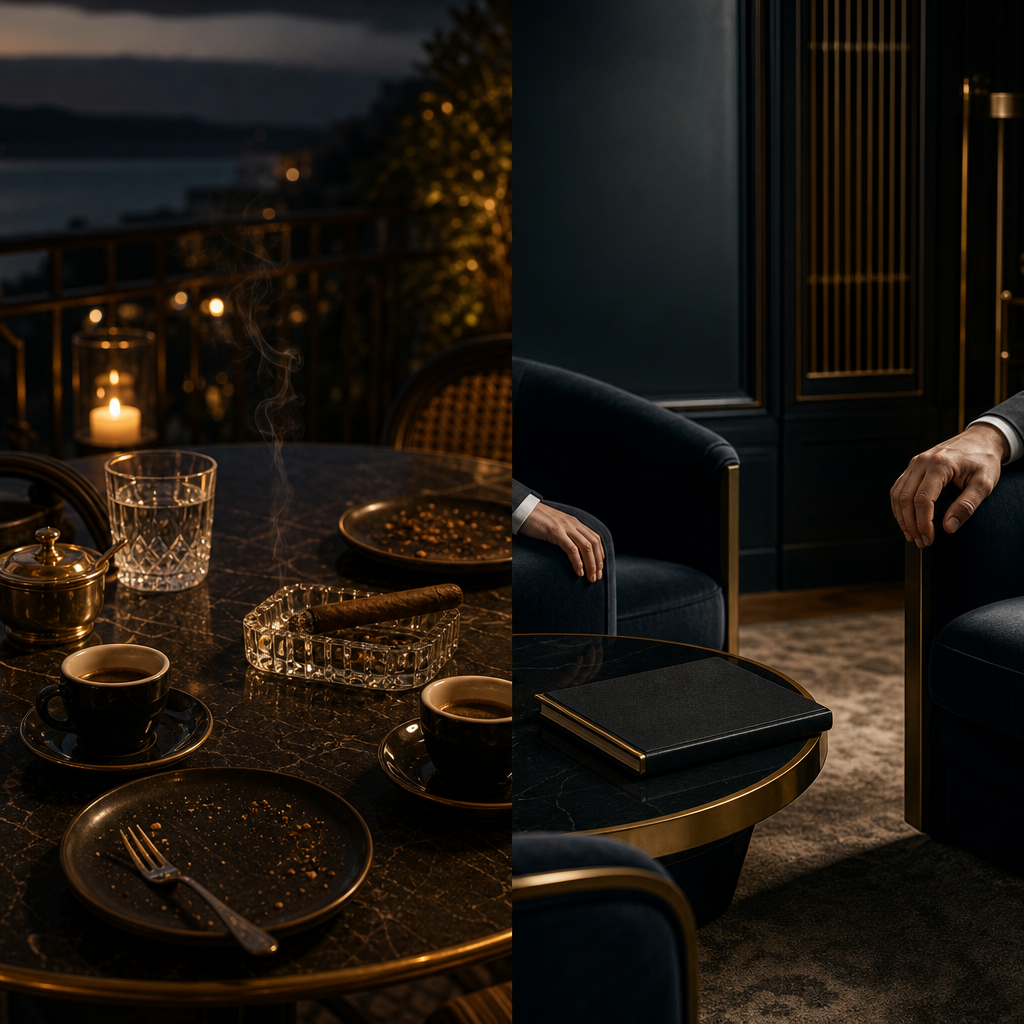
At a formal dining table, cigars are best suited after the main course, dessert, and coffee, rather than during the aperitif stage. For example, at an 8-person dinner in Hong Kong in 2019, the main course was a 45-day dry-aged ribeye paired with Bordeaux left bank red wine; lighting a Partagás Serie D No.4 before the steak was served would overpower the wine aroma and diminish the taste clarity for those who haven't finished dining.
The core of dining table cigars is to wait until everyone has finished the main meal, allowing the cigar to become an extension of the meal, rather than the main focus during it. If someone at the table doesn't smoke, it's more important to ensure the space is ventilated and seating can be adjusted than to discuss brands. Beginners often make the mistake of rushing to showcase Cohiba, Montecristo, or Romeo y Julieta, ignoring those who just want to quietly enjoy their tea.
Post-dinner cigars are recommended to last between 30 to 50 minutes, such as a Robusto around 50 x 124mm, which is time-controllable; Churchill often requires 70 to 90 minutes, suitable for longer evening occasions. If the dinner extends past 10 PM, choosing a Petit Corona or Half Corona is more appropriate. Choosing a shorter cigar is often more polite than insisting on a longer one.
Pairing with drinks should also be restrained. Cognac, single malt, and rum are common, but don't treat alcohol content as a status symbol. Since 2015, many restaurant cigar terraces have emphasized low-interference experiences. I recommend cleansing the palate with water first, then pairing with a small cup of coffee or about 15ml of spirits to keep the conversation clear-headed.
Business Meetings: Cigars Are Not a Negotiation Tool, but a Relationship Thermometer
The most important principle in business settings is not to let cigars appear before trust is established. First meetings, formal contract discussions, and in multi-person meeting rooms are not suitable for proactively proposing cigar smoking; it's more appropriate for post-meeting, when both parties have a basic consensus and time is not pressured. After the 2008 financial crisis, I observed a change in the Asian market: business owners care more about whether the other party is calm rather than the grandeur of the occasion.
Business cigars are not for exerting pressure or flaunting resources; they are only suitable when both parties are willing to slow down. If the other party is a senior or a client, asking "Is this space convenient?" is more appropriate than directly offering a cigar. Do not cut or light for the other party unless they explicitly ask for assistance; cigars are a very personal rhythm, and being overly attentive can seem intrusive.
In terms of brand selection, business settings should choose styles that are stable, recognizable, and time-controllable, such as H. Upmann Magnum 46, Davidoff Grand Cru Robusto, or Montecristo No.4. These sizes typically last 35 to 60 minutes, allowing completion within a conversation without making the other party feel tied down. If the other party is very experienced, talk less about "how rare this is," and more about the year, region, and storage conditions, which feels more natural.
Also remember, silence in business settings is equally meaningful. When the cigar burns to the second segment, it's often the time when discussions move from pleasantries to substance; it's not advisable to introduce flavors in rapid succession at this point. Allowing the other party time to exhale, think, and respond is the most mature measure in cigar socializing. A truly good business cigar session is remembered for the people, not the smoke.
Weddings, Birthdays, and Celebrations: Pay Attention to Group Rhythm in Festive Occasions
In festive occasions, people often want to use cigars to add a sense of ceremony, such as wedding after-parties, 40th birthdays, or company milestone celebrations. The difficulty in these occasions lies not in the brand, but in "large groups, fragmented time, and varying experience levels." At a 60-person wedding in 2022, I saw the groom prepare 25 cigars of different sizes, but less than 10 were actually smoked, resulting in a messy table and mixed aromas.
Cigars for festive occasions should be simple, short, and low-threshold, rather than the most complex styles. Suggested sizes should be controlled between 20 to 40 minutes, such as Short Robusto, Petit Corona, or Perla. Brands can be chosen for clear but not overly strong styles, such as Romeo y Julieta Petit Churchill, Trinidad Reyes, or the Davidoff Signature series; overly strong Liga Privada or some Nicaraguan heavy flavors may not be friendly to novice groups.
Arrangements should have clear boundaries: where to smoke, where the ashtrays are, where the lighters and cutters are placed, and minors should not have access. Do not light up during group photos, toasts, or speeches by elders, as the smoke will interfere with photography and guests. If it's an outdoor venue, pay attention to the wind direction; stand downwind to prevent smoke from drifting towards dining tables or areas with pregnant women or children.
In celebration occasions, there's another detail: don't make cigars a class distinction. If the supervisor smokes Cuban brands and employees have completely different grades, the atmosphere can easily become awkward. The elegance of social cigars is allowing everyone to participate or withdraw comfortably, rather than using cigars to delineate status. The main focus of celebrations is people, and cigars are just part of the ceremony.
Occasion, Size, and Time: Use a Chart for Preliminary Judgment
Beginners often ask me, "Which one should I bring?" My answer is usually not a brand, but to ask three numbers: how much time is available, how many people will smoke, and how is the ventilation. Cigars are not like champagne, which can be shared among many; once a cigar is lit, it should be respected for its complete burn. Since the 1950s, Robusto has become the modern social mainstream largely because the time is just right, usually completed in 45 to 60 minutes.
Choose the time before choosing the cigar, and choose the occasion before choosing the time; if the occasion is judged incorrectly, even the best cigar will lose points. The following table can serve as a beginner's reference, not an absolute rule, but can avoid 80% of awkwardness. Especially in business, post-dinner, and festive occasions, the biggest fear is a size that's too long, turning a relaxed social into a pressure to sit for 90 minutes.
| Occasion | Suggested Size | Estimated Time | Suitable Style | Avoid Situations |
|---|---|---|---|---|
| After-Dinner Coffee | Robusto / Petit Corona | 30-60 minutes | Woody, creamy, nutty | Lighting before the main course |
| Business Extension Talk | Corona Gorda / Robusto | 40-65 minutes | Balanced, stable | Smoking before contract discussions are complete |
| Wedding Outdoor Area | Perla / Short Robusto | 20-40 minutes | Light to medium | Dense crowd areas |
| After Golf | Toro / Robusto Extra | 60-80 minutes | Medium to full-bodied | Distracted before tee-off |
| Private Evening Gathering | Churchill / Double Corona | 70-120 minutes | Rich layers | Early morning commitments the next day |
In practice, I prepare 1 to 2 short sizes as backups, rather than only bringing large sizes. If someone joins unexpectedly, short sizes are less burdensome; if the atmosphere ends early, a long cigar won't be wasted. Mature players know to leave space, understanding that not every evening requires a Double Corona.
Lighting, Cutting, and Ash: The Quieter the Actions, the More Seasoned You Appear
The etiquette of cigar social actions fears "performance." Cutting doesn't need to be displayed high, and lighting doesn't need to be a stage show. The correct way is to first check the head and foot, lightly cut the cap, then evenly toast the foot with a cedar stick or butane lighter, avoiding direct flame scorching the wrapper for a long time. During the 1990s cigar boom, many American beginners popularized exaggerated torch lighting, but in mature settings, quiet accuracy is always better than exaggeration.
The taste of cigar actions is to do the necessary steps well without requiring everyone to see you doing them. When lighting, slowly rotate for 10 to 20 seconds, ensuring the edges glow evenly, then lightly exhale two puffs to stabilize the burn. Don't talk while lighting towards someone, and don't pass the flame over plates or glasses when lending it to someone; careless small actions can make the entire table tense.
Ash handling also has its knowledge. Cigar ash isn't more premium the longer it is; in social settings, it's recommended to gently place it on the edge of the ashtray at about 1.5 to 2.5 cm, letting it fall naturally. If on a white tablecloth, leather sofa, or car interior, the risk of long ash is higher. Many beginners think long ash represents skill, but in public settings, dropping ash only makes people remember your rudeness.
When extinguishing a cigar, don't crush it like a cigarette, as this produces a pungent odor. Place the cigar on the ashtray and let it naturally stop burning. The way you end a cigar often reveals more about your manners than how you start it. Before leaving, check the ashtray position and ensure the table is clean, as a basic respect for the venue and fellow diners.
Conversation Content: Talk Less About Price, More About Feelings and Context
Many beginners entering cigar socializing first want to talk about price, rarity, and rankings. These topics aren't off-limits, but if you start with "this is hard to find now," the conversation can easily turn into a bidding display. A better way to talk about cigars is to describe flavors and scenes: the front has toasted bread, the middle turns to cedar, and the end has a coffee bitterness; these languages invite sharing rather than forcing comparison.
A sophisticated cigar conversation opens up exchanges with flavor, not closes doors with price. For example, when discussing Cohiba Siglo VI, you can talk about how the Siglo series expanded in 2002 and became a representative of the large ring gauge era; when discussing Montecristo No.2, you can talk about how the Pirámides shape affects draw and smoke concentration. These contexts have more content than simply saying "it's expensive," and are less likely to offend.
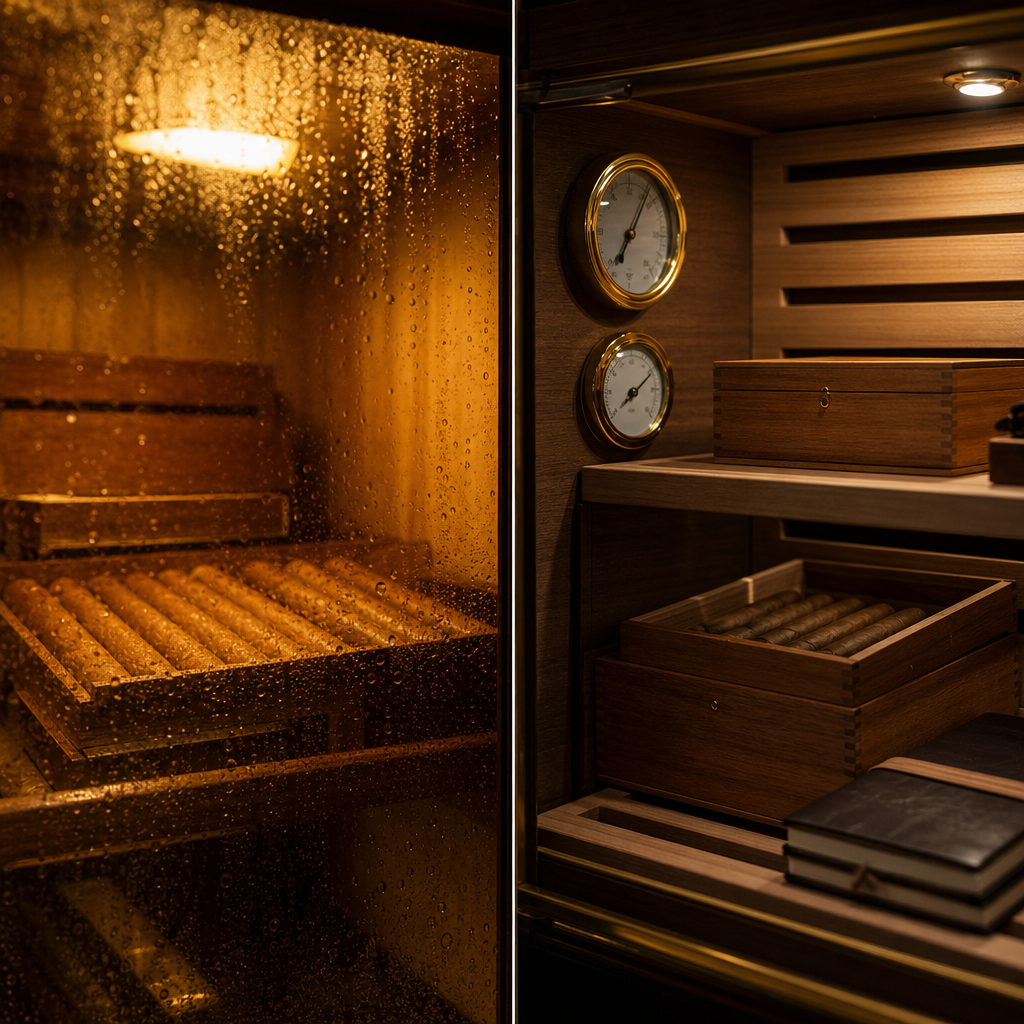
When discussing storage, you can share the common range of 65% to 69% relative humidity and 18 to 21°C, and the sensitivity of different wrappers to humidity. When discussing aging, you can explain the possible flavor changes over 3, 5, and 10 years, but don't present personal taste as the standard answer. Some prefer the tension of fresh tobacco, while others prefer the roundness brought by time, and neither is superior.
When talking about collections, be especially cautious. Collection appreciation does not guarantee value increase; it still depends on source preservation and market. When discussing collections in social settings, focus on knowledge sharing, not presenting cigars as speculative tools. Those who truly understand often care more about clear sources, stable preservation, and complete box conditions, rather than blindly chasing trending items.
Non-Smokers, Laws, and Spaces: Respect Is More Important Than Enthusiasm
The most easily misunderstood aspect of cigar culture is thinking enthusiasm can make up for interference. In fact, non-smokers are not obligated to tolerate smoke; restaurants, clubs, terraces, and private residences all have their own regulations. Different cities have varying indoor smoking restrictions, such as Hong Kong expanding its smoking ban since 2007, Singapore's strict management of public spaces, and Japan strengthening dining space regulations around the 2020 Tokyo Olympics.
The bottom line of all cigar etiquette is legality, compliance, and respect for non-smokers. Before lighting up in any setting, confirm venue regulations, companions' feelings, and ventilation conditions. Don't use "it's just one" to persuade others, and don't linger smoking at elevator entrances, corridors, or doorways where people flow; those places may seem open but are actually most likely to let smoke affect passersby.
If someone at the table expresses discomfort, the best approach is not to argue flavor but to move or pause. The maturity of a cigar player is often seen at this moment. You can prepare sealed tubes, travel cases, and lighting equipment, but you should also prepare an exit plan: if the venue is unsuitable, save the cigar for the next appropriate time.
Also remember age boundaries and health risks. Cigars are not everyday show-off tools, nor should they be packaged as a social ticket everyone must participate in. Being able to say "today is not suitable" is the highest level of judgment in cigar socializing. True taste is not about lighting the smoke, but knowing when to leave it in the box.
Frequently Asked Questions
Should I bring my own cigars to a dinner with cigars for the first time?
You can bring them, but don't take them out as soon as you arrive. First observe the host's arrangements, venue regulations, and the status of fellow diners. If the host has prepared, respect the host's rhythm; if not arranged, there's no need to rush to showcase. For first-time participation, being low-key is safer than being proactive. Bring 1 to 2 sizes that can be completed within 40 minutes, and bring your own cutter and lighting tools to avoid causing trouble for others.
Will it be awkward if I can't distinguish flavors during the conversation?
No, it won't. You can use simple words to describe, such as woody, nutty, coffee, creamy, pepper, leather. Don't force yourself to talk about flavors you can't perceive, and don't recite others' reviews. Since 2000, many cigar educations have emphasized personal sensory records, and I also recommend using a 1 to 5 scale to evaluate intensity, sweetness, bitterness, and smoothness, gradually building your own language.
Can cigars be given as gifts in business settings?
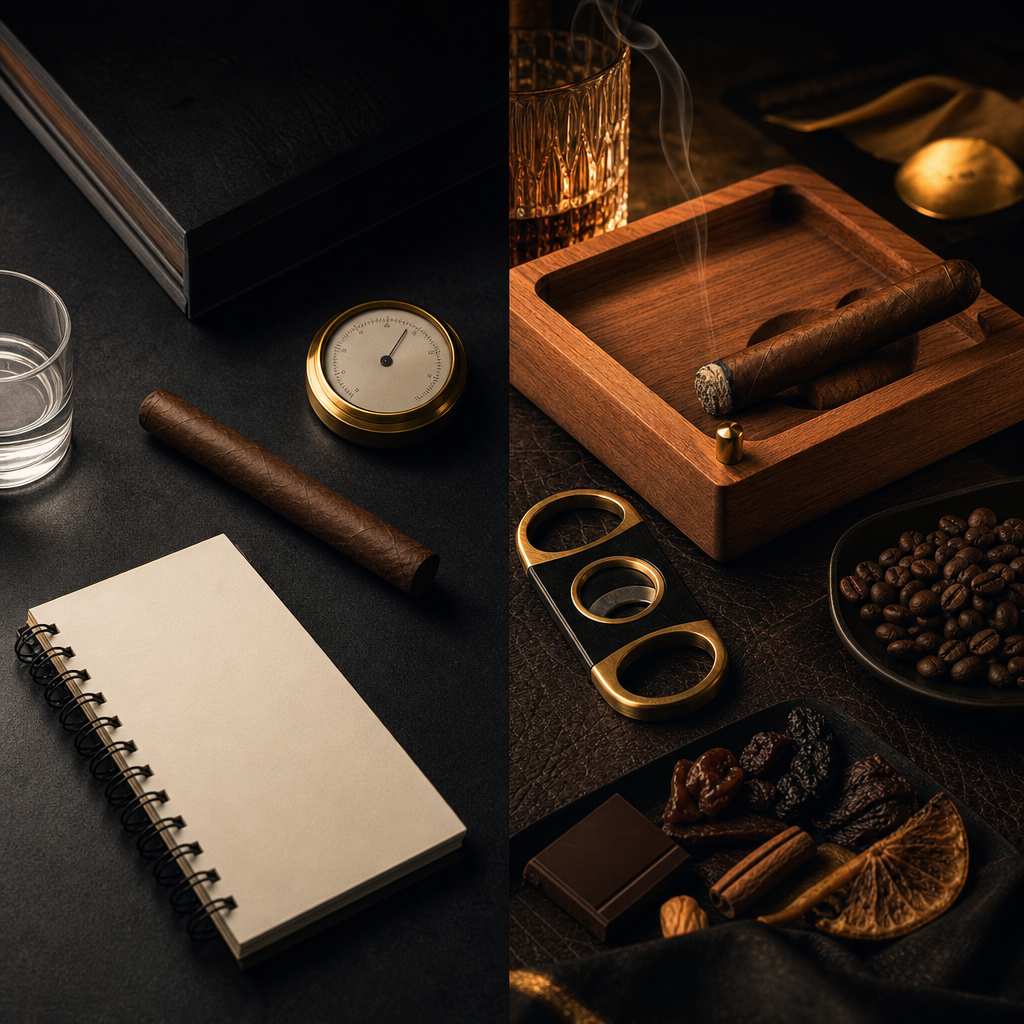
Yes, but be very mindful of the recipient's habits, company regulations, and local laws. If unsure whether the recipient smokes cigars, gifting a hygrometer, cigar cutter, or leather case may be more appropriate. If choosing the cigar itself, avoid overly expensive or highly topical ones to avoid causing pressure. The focus of business gifting is appropriateness, not making the recipient feel indebted.
Where should I stop smoking a cigar?
Usually, when about a third is left, if the heat rises, bitterness becomes apparent, or the conversation is over, you can stop. Don't force yourself to finish just because "it's more cost-effective." The end of a cigar is more intense, and can be burdensome for beginners. Let it naturally extinguish in the ashtray without crushing.
How can women or infrequent smokers participate?
Start with short time, light to medium intensity, and don't pursue large sizes. You can also just smell the cold aroma, observe the cutting and lighting process, and participate in flavor conversations without necessarily lighting up. Cigar socializing is not exclusive to men, nor is it a strength competition. A truly good occasion should allow everyone to participate at their own comfort level.
I have always believed that the most fascinating aspect of cigars is not the smoke itself, but how it slows people down. The twenty minutes after a meal, a moment of silence after business, or the laughter on a friend's birthday night can all be remembered because of a well-chosen cigar. But if the occasion is wrong, no matter how luxurious, it's just an interruption. Understanding respect for people, time, and space is the true taste of cigar socializing.
—Cigar Prince Wilson Tsai
Smoking is harmful to health. Under 20 years old, smoking is prohibited. Quitline: 0800-636363. This article is for reference only for adults over 20 years old regarding cigar culture, preservation, and regulations, and is not an advertisement, promotion, or purchase suggestion.