Geographic Characteristics and Flavor Analysis of Different Cigar Regions
Geographic Characteristics and Flavor Analysis of Different Cigar Regions
I often say that when learning about cigars, the focus in the second stage is no longer just "is this cigar strong or not," but rather questioning: why does the same brand, when changing regions, wrappers, or aging conditions, exhibit completely different sweetness, spiciness, woodiness, and mineral notes?
As the editor of the "Cigar Bible," I look at three things when considering regions: soil, climate, and craftsmanship. Cigars are not standardized beverages; they are agricultural products and works of time. Understanding regions is like learning to read a flavor map.
Understanding Regions: How Soil, Altitude, Humidity, and Fermentation Change Flavor
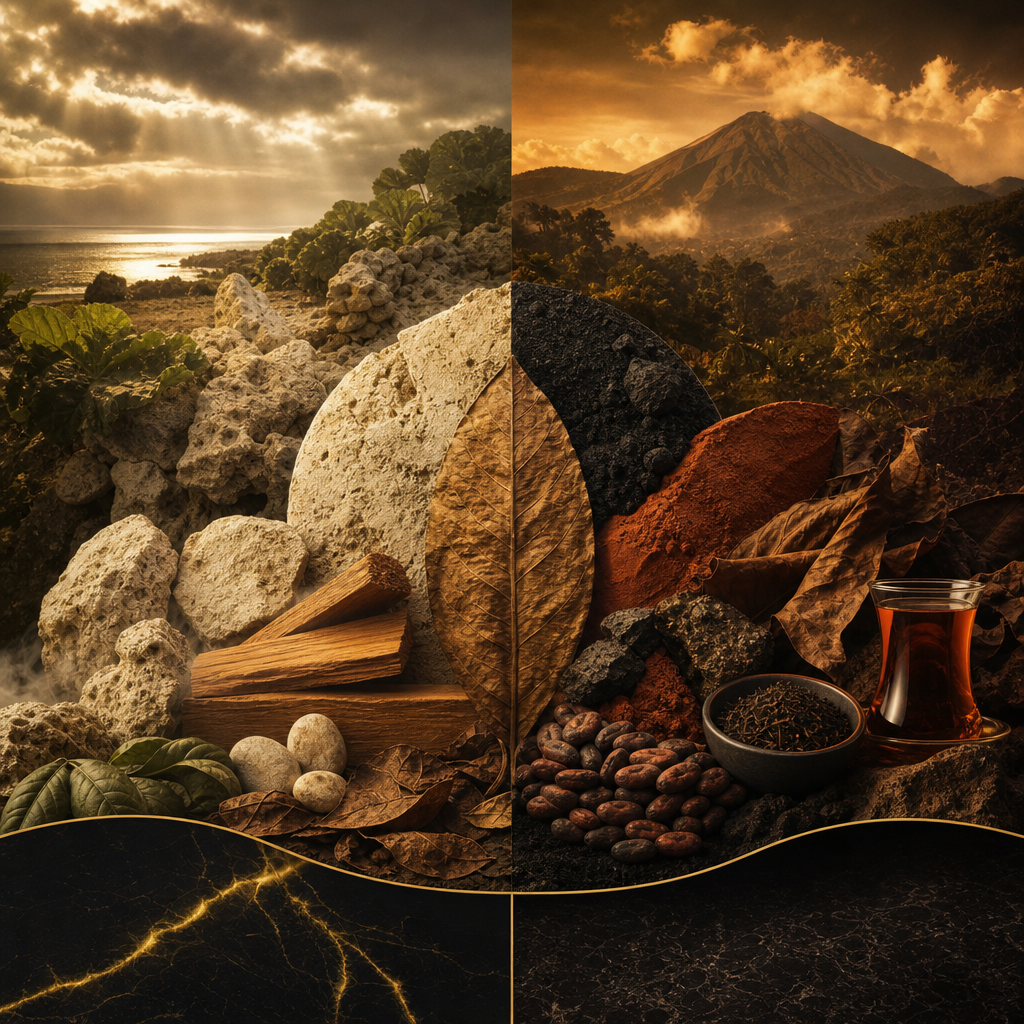
The core of cigar flavor is not a single factor but "geographical conditions plus post-processing." The same Cuban seed planted in Cuba's Vuelta Abajo, Nicaragua's Estelí, or the Dominican Republic's Cibao will result in distinctly different outcomes. The former often features delicate herbal and leather notes, Estelí tends to have pepper and rich earthy tones, while Cibao usually has a clean line with clearer woody and creamy notes. A region is not just a label but the first layer of flavor formation.
| Factor | Common Influence | Beginner Identification Method |
|---|---|---|
| Volcanic Soil | Minerals, Pepper, Thickness | Mid-section for black pepper and wet earth notes |
| Red or Clay Soil | Sweetness, Woodiness, Stable Burn | Ash color, smooth burn line |
| High Humidity | Soft, Herbal, Fermentation Aroma | Presence of hay, honey, or floral notes |
| Sunlight Intensity | Nicotine and Oiliness | Oily wrapper, warming in the final third |
For example, the Nicaraguan expression of Padrón 1964 Anniversary often has a staircase of cocoa, coffee, and black pepper; while Davidoff, after shifting focus to the Dominican Republic in the 1990s, presents more precise woody, creamy, and white pepper notes in many of its works. Beginners who can break down flavors into sweet, spicy, woody, mineral, and fermentation aromas can quickly build regional memory.
My practice method is simple: choose three Robusto or Toro cigars of similar size but different regions within the same week, and record the flavors in the first, middle, and final thirds. Each time, only compare two questions: first, is the spiciness white pepper or black pepper? Second, does the sweetness resemble honey, caramel, or cocoa? After three times, you will find that regional differences are more reliable than brand marketing language.
Cuba: Limestone, Sea Breeze, and Classic Balance
When discussing cigar regions, most people's first stop is still Cuba. The Vuelta Abajo in the Pinar del Río province is considered one of Cuba's core tobacco regions, with limestone soil, hot and humid climate, and sea breeze shaping its iconic profile: hay, cedar, leather, a hint of honey, and earthy notes. Classic torpedo sizes like Montecristo No.2, with a brand history dating back to 1935, are often used to understand the structure of Cuban flavors. The charm of Cuban cigars lies not in explosive points but in the continuity of aroma layers.
Cuba's characteristics are also related to fermentation, aging, and rolling traditions. For example, Cohiba Siglo VI, launched in 2002, became one of the representative sizes in the Línea 1492 series; in good condition, the first third has grass, cream, and light sweetness, the middle third turns woody, nutty, and lightly leathery, and the final third may show spice and mineral undertones. Partagás Serie D No.4 is more direct, often with more pronounced earthy, peppery, and rich woody notes.
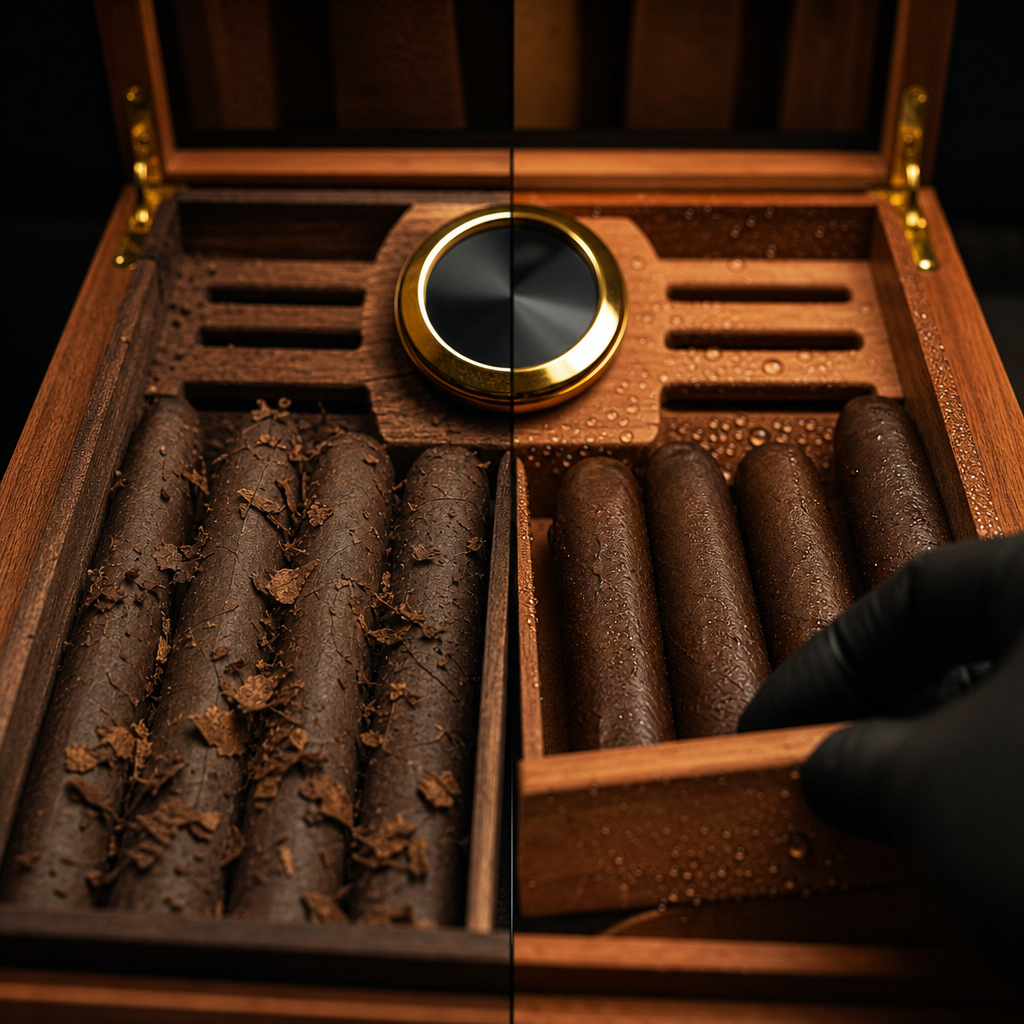
When beginners taste Cuban cigars, it is recommended not to rush for vintage but to first confirm storage and condition. Too wet can lead to dull, bitter, and uneven burning; too dry can cause aroma breaks and sharp spiciness. In terms of collection and long-term aging, some people focus on specific vintages, limited editions, or old box performances, but collection appreciation does not guarantee value increase, as it still depends on source preservation and market. For pairing, I prefer unsweetened tea, low-sweetness rum, or mineral water to make the details clearer.
Dominican Republic: Clean Woodiness, Creaminess, and Elegant Structure
Dominican cigars are often misunderstood as synonymous with "mild," but a more accurate description is: they excel in cleanliness, balance, and elegance. The Cibao Valley is one of the important regions, with stable climate and well-drained soil, producing tobacco with cedar, nutty, creamy, white pepper, and light floral notes. The strength of the Dominican Republic is not in intensity but in clear lines, clean aroma, and stable rhythm.
Since 1991, Davidoff has had a profound impact on the international image of Dominican cigars. Davidoff Grand Cru and Aniversario series are often used to demonstrate what "delicate" means; while Arturo Fuente Fuente Fuente OpusX, since its debut in 1995, has proven that the Dominican Republic can also produce rich, full-bodied, and spicy works. This case is important because it breaks the stereotype that "region equals fixed intensity."
Beginners wanting to practice Dominican flavors can start with works using Connecticut Shade or Cameroon wrappers, which are easier to distinguish creaminess, woodiness, and nuttiness. For pairing, light roast coffee, unsweetened latte, and bourbon-style single malt whiskey are all suitable. Etiquette also suggests slowing down the pace, taking a puff every 60 to 90 seconds, and avoiding continuous quick draws, or the originally delicate white pepper will turn into tongue-piercing heat.
Nicaragua: Volcanic Soil, Black Pepper, and Power Sweetness
Nicaragua has been one of the most important names in the global cigar landscape in the past two decades. Estelí, Jalapa, and Condega are three core regions often discussed: Estelí tobacco usually has high intensity and pronounced pepper; Jalapa often carries sweetness, soft floral notes, and red earth aroma; Condega is somewhere in between, with prominent spice, woodiness, and balance. The charm of Nicaragua lies in the coexistence of power and sweetness, especially suitable for training mid-to-final third flavor recognition.
In terms of specific brands, Padrón, Oliva, My Father, and Joya de Nicaragua are important gateways to understanding Nicaragua. Joya de Nicaragua, dating back to 1968, is a representative brand of the region; Oliva Serie V Melanio, which received high international cigar ratings in 2014, often features cocoa, coffee, spice, and creaminess; My Father Flor de Las Antillas, after receiving high praise in 2012, also drew more attention to the charm of Nicaragua's sweet and spicy balance.
When tasting Nicaraguan cigars, I pay special attention to the "spicy" position: sharp on the tongue tip, spicy in the nasal cavity, and if too strong in the throat, slow down. For pairing, dark roast coffee, dark chocolate, and black sugar-style rum can highlight cocoa and earthy notes. Beginners do not need to choose the strongest at first; Toro or Robusto sizes with medium strength are more suitable for building judgment; if tasting on an empty stomach, the nicotine sensation will be amplified, which is a common mistake.
Honduras and Mexico: Underestimated Soil Personalities
Honduran cigars often have a rugged yet charming profile, especially in the Jamastrán Valley and Talanga areas, where red soil, valley climate, and day-night temperature differences give tobacco woody, leathery, spicy, and slightly sweet notes. Camacho is an entry point for many to understand Honduras, especially Corojo types, which often have pronounced spiciness and richness. The flavor of Honduras is not about finesse but about leaving a memory with leather, spice, and structure.
Mexico is often discussed because of the San Andrés wrapper. San Andrés Negro tobacco is dark, oily, and often used as a wrapper, bringing black chocolate, coffee, earth, licorice, and slight bitter sweetness. Many Nicaraguan or Dominican brands use Mexican wrappers, such as some Maduro works that rely on San Andrés to increase sweet-bitter contrast. This reminds us that cigar regions are not just about fillers; wrappers can also dominate the first impression.
Beginners can do an interesting exercise: choose a Honduran-based work and then choose a Nicaraguan work using Mexican San Andrés wrapper to compare "spiciness" and "black sweetness." The former often resembles leather, pepper, and roasted wood; the latter is closer to black chocolate, concentrated coffee, and wet earth. For pairing, Honduras can pair with high cocoa chocolate, and San Andrés Maduro is suitable for unsweetened iced coffee or whiskey with vanilla barrel notes.
Ecuador, Cameroon, and Brazil: How Wrapper Regions Determine the First Puff
Many beginners overlook wrappers, but in fact, the wrapper is the part that the lips, nasal cavity, and vision first contact. Ecuador, with its cloud cover and soft sunlight, is suitable for growing Connecticut, Habano, Sumatra, and other wrappers. Ecuador Connecticut often carries cream, hay, and light nutty notes; Ecuador Habano has more spice, red pepper, and woodiness. If fillers determine the skeleton, wrappers are like outerwear and opening lines, directly affecting the first puff judgment.
Cameroon wrappers are known for their delicate sweet aroma, cinnamon, nutty, and dry woody notes, with the Arturo Fuente Hemingway series often used to understand this elegant sweet-spicy profile. Brazilian Mata Fina or Arapiraca often appear in Maduro or dark wrappers, with molasses, coffee, cocoa, and moist earth notes. These regions may not be the sole source of the entire cigar but often become the first identifiable clues in blind tests.
When practicing wrapper identification, do not just look at the color. Dark does not necessarily mean strong, and light does not mean thin. Observe three points in sequence: first, the foot aroma before lighting; second, the sweetness or herbal notes during a cold draw; third, the mouthfeel in the first 2 centimeters after lighting. For pairing, Connecticut is suitable for refreshing tea drinks, Cameroon for nuts and low-sweet desserts, and Brazil Maduro for black coffee, avoiding overly sweet options that overshadow layers.
Advanced Tasting and Pairing: Using the Same Set of Notes to Understand World Regions
The biggest fear in learning about regions is only memorizing conclusions, so I recommend establishing a fixed note format. Record at least the brand, size, region, wrapper, purchase year, storage humidity, lighting time, and flavor in the first, middle, and final thirds for each cigar. If the storage environment is about 65% to 69% relative humidity and 18 to 21 degrees Celsius, most handmade cigars can maintain a more stable state. Stable tasting records accumulate real judgment more than one-time fancy descriptions.
In practice, you can use the "three-section nine-grid method": record sweetness, herbal, and stimulation in the first third; woodiness, nutty, and spice in the middle third; concentration, bitterness, and aftertaste in the final third. Write only 1 to 3 words in each grid, such as "honey, hay, white pepper" or "cocoa, coffee, black pepper." After three months, you will find your memory of Cuba, the Dominican Republic, and Nicaragua becoming clearer.
Pairing should also serve the region, not steal the show. My basic principles are as follows:
- Cuba: Unsweetened tea, mineral water, light rum to retain herbal and leather notes.
- Dominican Republic: Light roast coffee, creamy beverages, bourbon barrel whiskey.
- Nicaragua: Dark roast coffee, dark chocolate, black sugar rum.
- Honduras: Roasted nuts, high cocoa chocolate to complement leather and spice.
- Maduro wrapper: Avoid overly sweet options; choose black coffee or low-sweet spirits for a cleaner experience.
Common Questions
The focus of learning about regions is to turn abstract flavors into repeatable identifiable clues. Here are some of the most frequently asked questions I receive, which are also suitable for beginners as a next-stage practice list.
Is the region more important than the brand?
Both are important. The region provides the raw material character, while the brand determines the formula, fermentation, aging, and rolling standards. Focusing only on the region ignores the maker; focusing only on the brand can overlook the differences brought by soil and climate.
Why are some Nicaraguan cigars very spicy while others are very sweet?
Because the tobacco personalities of Estelí, Jalapa, and Condega are different, and the wrapper, proportion, and fermentation time will also change the result. Jalapa is often sweeter, Estelí often has more strength, but it is not an absolute formula.
Which three regions are most effective for beginners to learn first?
I recommend first comparing Cuba, the Dominican Republic, and Nicaragua. Practice layering with Cuba, clean woodiness with the Dominican Republic, and sweet-spicy intensity with Nicaragua. The contrast between the three is clear, making it easiest to establish coordinates.
Will storage humidity distort regional characteristics?
Yes. Too wet will dull the aroma and cause uneven burning; too dry will make the spiciness sharp and the sweetness lost. In most cases, I aim for 65% to 69% relative humidity, then adjust slightly based on size and personal taste.
Does a dark wrapper always mean stronger?
Not necessarily. Dark wrappers often have cocoa, coffee, molasses, and earthy notes, but intensity also depends on the filler and formula. Color can only provide clues, not solely determine strength.
For me, knowledge about regions is not for showing off but to make each tasting quieter and more precise. When you can read soil, rain, sunlight, and human craftsmanship from a puff of a cigar, you will understand that the charm of cigars is not just in the taste but in condensing a piece of land into your fingertips and time.
—Cigar Prince Wilson Tsai
Smoking is harmful to health. No smoking under the age of 20. Quitline: 0800-636363. This article is for reference only for adults over 20 years old regarding cigar culture, preservation, and regulations, and is not a tobacco advertisement, promotion, or purchase suggestion.