The Evolution of Cigar Flavors: A Comparison Between Cuba and Emerging Regions
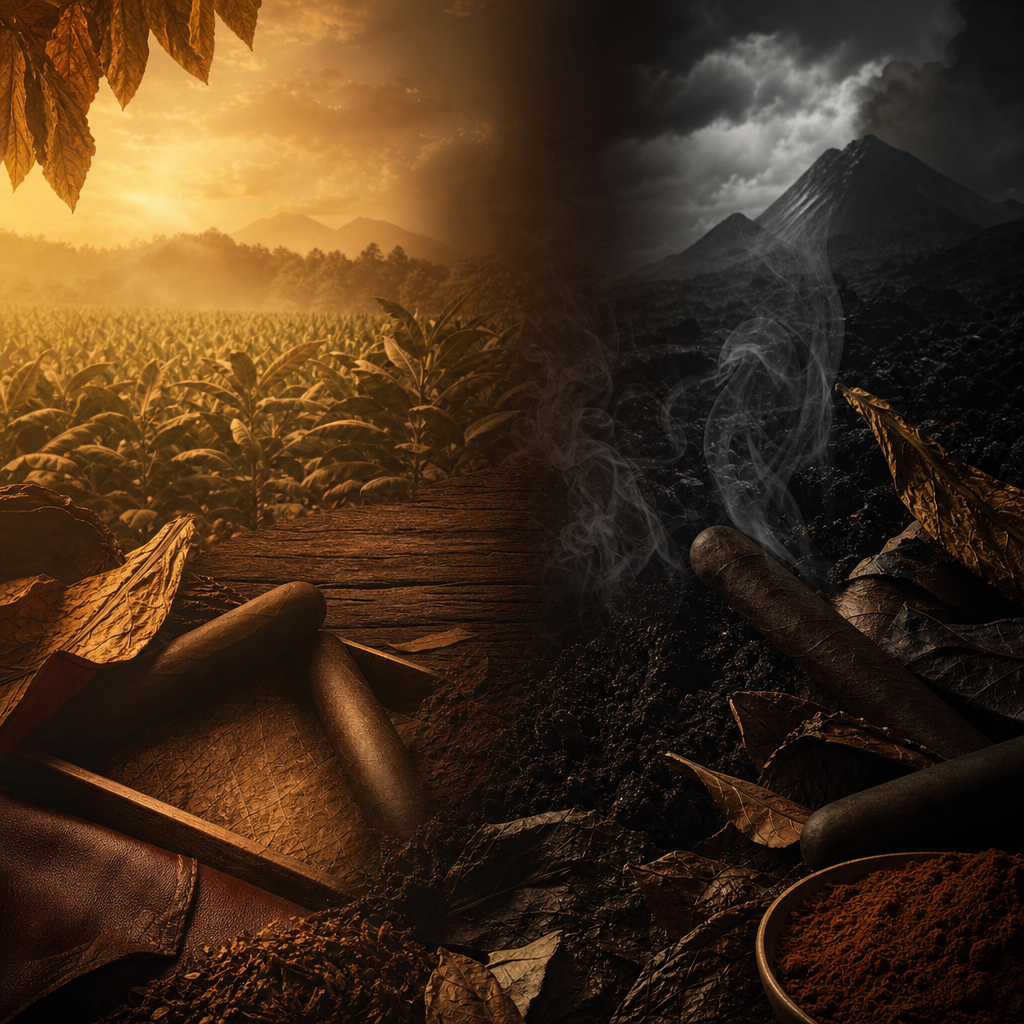
The Evolution of Cigar Flavors: A Comparison Between Cuba and Emerging Regions
I often say that cigar flavor is not a static map, but a river that changes with the land, craftsmanship, time, and smoking rhythm. After beginners learn the basics of tasting, the next step is not to pursue more lists, but to understand "why the same cigars from Cuba, Nicaragua, the Dominican Republic, and Honduras exhibit different expressions."
As the editor of "Cigar Bible," I have seen many novices progress from "only distinguishing strength" to being able to identify grass, leather, cocoa, nuts, pepper, mineral notes, and the length of the finish. In this article, I will use specific brands, vintages, and regional contexts to guide you in deconstructing how flavors are formed, how they evolve, and how to read a cigar in a more mature way.
The Core of Cuban Flavor: Not Just "Old School," but Continuity of Land and Formula
When discussing Cuban cigars, one cannot simply call them "classic." What truly makes Cuban flavors repeatedly discussed is the long-term accumulation of soil, humidity, shade-grown cultivation, and rolling traditions in the Vuelta Abajo region of Pinar del Río. Brands like Cohiba, Montecristo, Partagás, and H. Upmann, although different in character, share common vocabulary including hay, honey, cedar, leather, subtle mineral notes, and a layered complexity that doesn't rush to explode.
Take Cohiba Siglo VI as an example, introduced in 2002 as an extension of the Línea 1492 series, with a ring gauge of 52 and a length of about 150 mm. In its youth, it often has grass, cream, sweet spices, and cedar; after several years of good preservation, the grassy notes recede, and honey, toasted bread, leather, and nutty notes become more pronounced. The evolution of Cuban cigar flavors often transitions from bright herbal to rounded woody and leathery notes.
However, I also remind beginners not to think of "Cuba" as a single flavor. Partagás Serie D No.4 often has a more robust earthy, black pepper, and roasted feel; Hoyo de Monterrey Epicure No.2 is softer, creamy, floral, and nutty. Even within Cuba, brand formulas, sizes, and vintage conditions will change the experience. The region provides the base color, while the brand and aging state determine the final contour.
The Rise of Emerging Regions: Nicaragua, Dominican Republic, and Honduras Each Have Their Grammar
Over the past two decades, emerging regions are no longer just alternatives to Cuba but have established their own flavor grammar. The three major regions of Nicaragua—Estelí, Jalapa, and Condega—are often compared: Estelí's volcanic soil gives tobacco a strong sense of power; Jalapa is sweeter with delicate aromas; Condega often has woody, herbal, and balanced notes. Padron 1964 Anniversary, My Father Le Bijou 1922, and Oliva Serie V are excellent examples.
The Dominican Republic is often described as elegant, clean, and with delicate aromas. After Davidoff fully transitioned to Dominican production in 1991, it gradually established an image of cream, white pepper, wood, nuts, and a clean finish. Arturo Fuente OpusX, launched in 1995, proved that the Dominican Republic is not only suitable for fillers but can also grow high-quality wrappers. This transformed the Dominican Republic from a "mild region" to a representative of complexity and tension.
Honduras has a more rugged earthy, woody, coffee, and spicy feel, commonly found in Camacho, non-Cuban Punch, and some Rocky Patel works. The focus of emerging regions is not to imitate Cuba but to establish recognizable personalities using different soils and blending techniques. For beginners, comparing Cuban Montecristo No.2, Padron 1964, and Davidoff Grand Cru side by side will help them understand that "elegance," "robustness," and "sweetness" actually come from different agricultural and craftsmanship logic.
Climate and Soil: Why Does the Same Leaf Grow Different Aromas in Different Places?
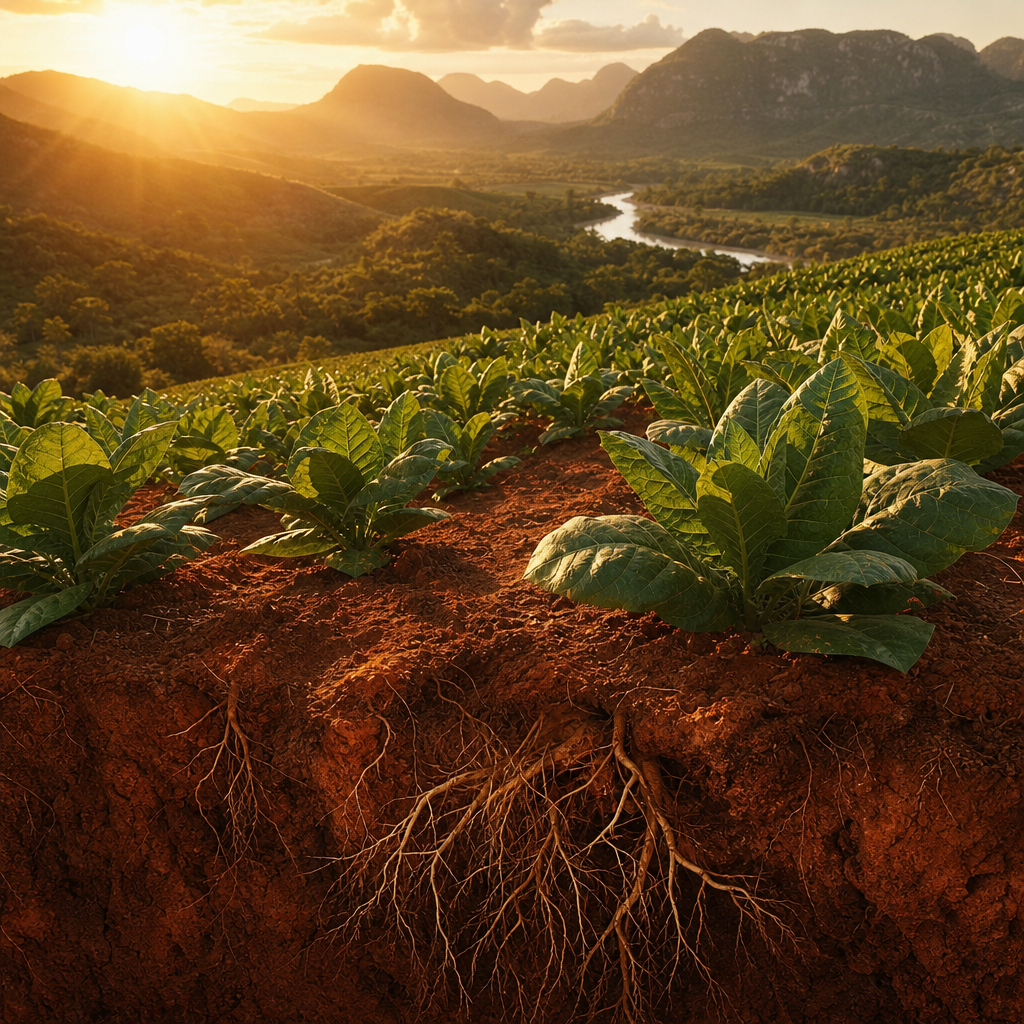
The first layer of cigar flavor answers lies in the field. Cuba's Vuelta Abajo has red soil, stable humidity, and long-term tobacco growing experience, making the leaves often carry herbal, mineral, and delicate sweet notes. Nicaragua's Estelí, due to volcanic soil and stronger sunlight, often produces thick, oily leaves with a noticeable nicotine feel, and when burned, it easily exhibits black pepper, cocoa, coffee, and dark woody notes.
The Dominican Republic's Cibao Valley has a relatively mild climate and well-drained soil, allowing tobacco leaves to express cleaner aroma lines. This is why many Dominican cigars present cream, almond, hay, white pepper, and elegant woody notes. Honduras' Jamastrán, Talanga, and Danlí regions often give tobacco earthy, leathery, coffee, and spicy thickness.
You can organize the impact of regions into a simple table:
| Region | Common Flavors | Representative Brands or Series | Style Key |
|---|---|---|---|
| Cuba Vuelta Abajo | Hay, cedar, leather, honey | Cohiba, Montecristo, Partagás | Delicate, layered, finish |
| Nicaragua Estelí | Pepper, cocoa, coffee, earth | Padron, Oliva, My Father | Power, richness, oiliness |
| Dominican Republic Cibao | Cream, nuts, white pepper, wood | Davidoff, Arturo Fuente | Elegance, balance, clean |
| Honduras Jamastrán | Earth, leather, coffee, spice | Camacho, Rocky Patel | Thick, direct, rugged |
Climate and soil are not abstract backgrounds but the underlying program of flavor. Using the same Habano seeds, whether grown in Cuba, Ecuador, Nicaragua, or Honduras, will ultimately present completely different burning speeds, sweetness, and spicy notes due to differences in sunlight, humidity, altitude, and soil minerals.
Production Craftsmanship: How Fermentation, Grading, and Blending Change Flavor Trajectories
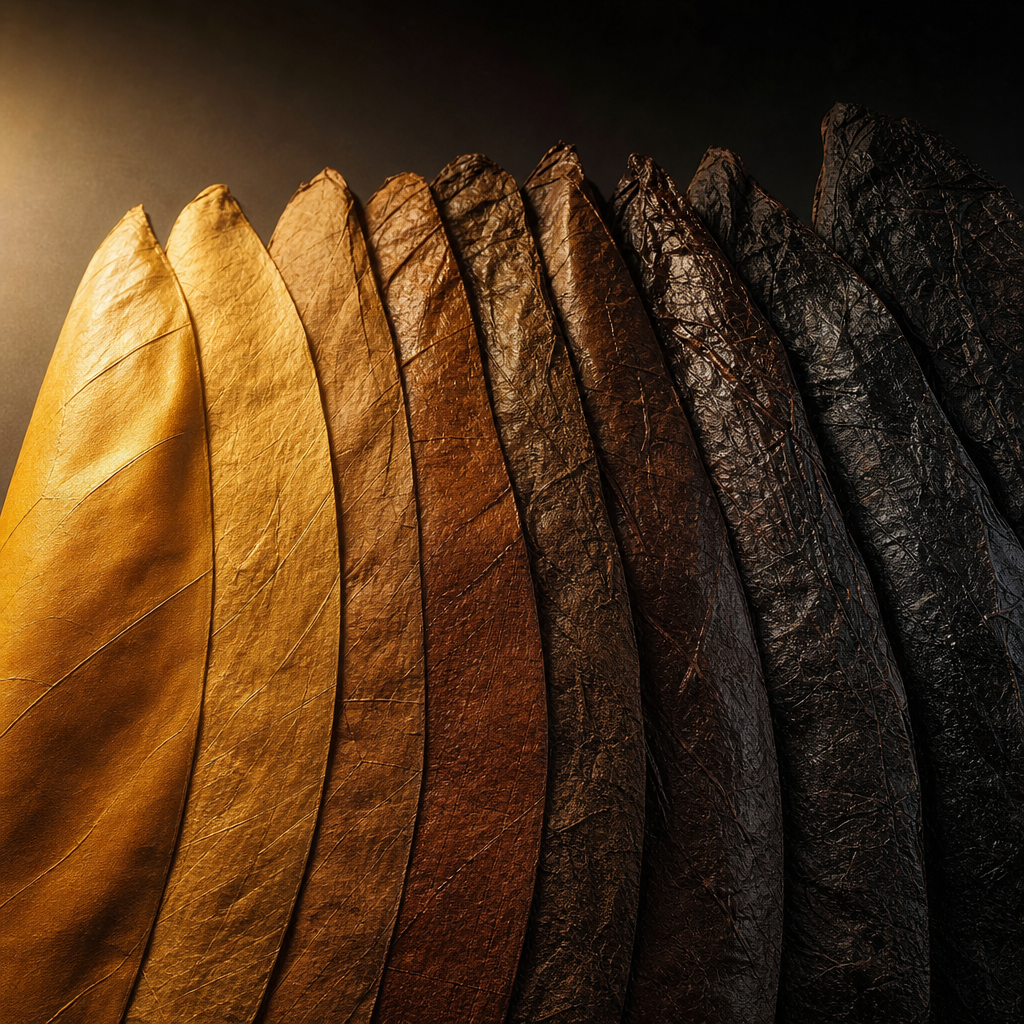
Many beginners think flavor only comes from the origin, but craftsmanship is equally crucial. After tobacco leaves are harvested, they undergo drying, fermentation, grading, de-stemming, further aging, and blending. Fermentation temperature, stacking height, and turning frequency will affect the dissipation of ammonia, the formation of sweetness, and the reduction of irritation. Cuban tradition emphasizes overall balance, while emerging regions often create more distinct flavor curves through blending tobacco from different countries.
For example, a Nicaraguan cigar might use Nicaraguan filler, Dominican binder, and Ecuadorian Habano wrapper; another might use Mexican San Andrés wrapper to bring out cocoa, earth, and molasses notes. Liga Privada No.9, Oliva Serie V Melanio, and AJ Fernandez New World showcase the flexibility of new world blending. The advantage of emerging regions is the high degree of blending freedom, allowing the use of multi-country tobacco leaves to form more distinct sweetness, spiciness, bitterness, and thickness.
The Cuban system, on the other hand, emphasizes the integration of terroir within a single country. This allows Cuban cigars to often have "linear and continuous" evolution in stable vintages: herbal and woody in the front, sweetness, leather, and nuts in the middle, and spice and mineral finish in the end. Of course, different vintages will also be affected by harvest, storage, and quality control. Craftsmanship is not about turning bad leaves into good ones, but organizing the potential of good leaves into a readable rhythm.
Three-Stage Flavor Evolution: How to Read the Front, Middle, and End?
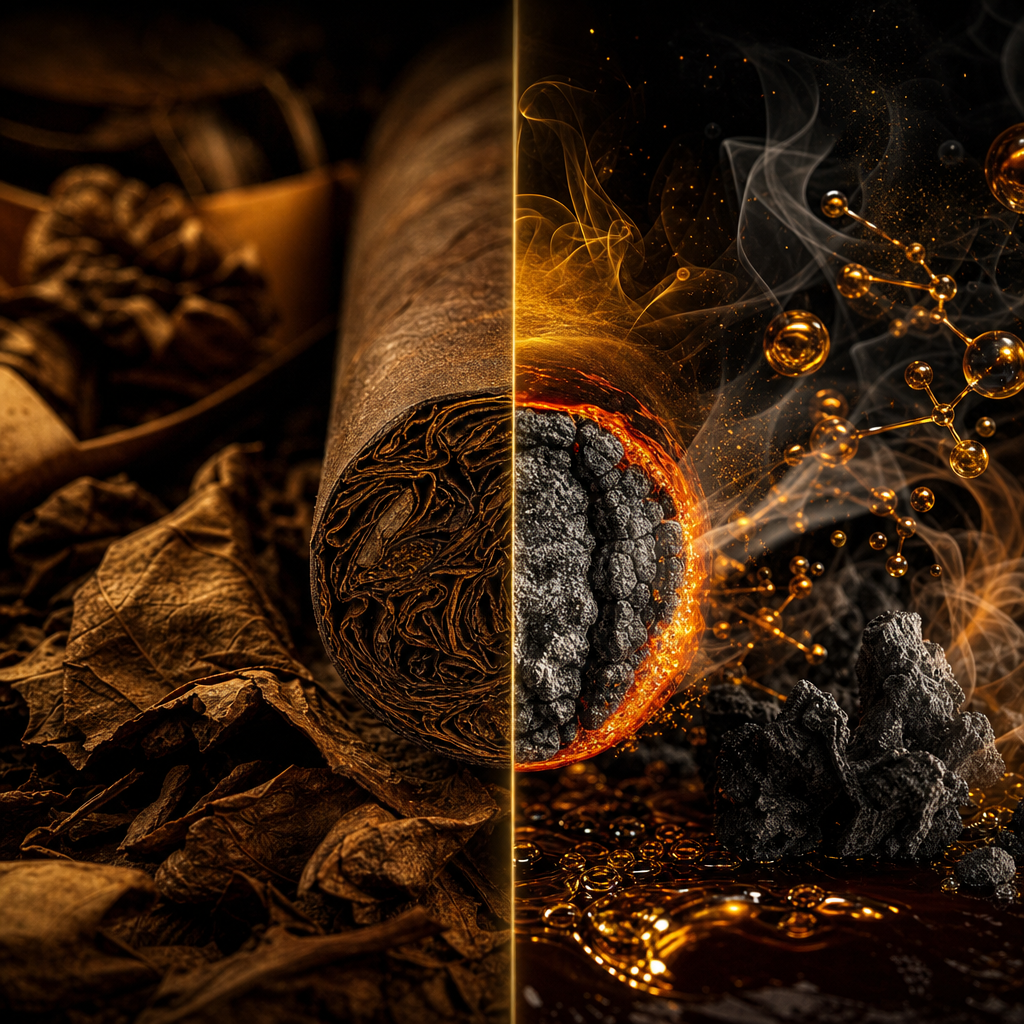
The simplest way to learn to see flavor evolution is to divide a cigar into three stages. The front usually reflects the initial burn of the wrapper and the opening of the overall formula: Cuba often presents hay, cedar, light honey, cream, and slight white pepper; Nicaragua often more quickly gives out black pepper, roasted coffee, cocoa, and robust wood. This doesn't mean one is better, but that the rhythm is different.
The middle is key to judging complexity. For example, with a pyramid size like Montecristo No.2, when it burns to the middle, the herbal notes may turn into roasted nuts, leather, and sweet wood; Padron 1926 Serie may transition from cocoa and coffee to molasses, pepper, and dark dried fruits. Davidoff Aniversario series often shows a balance of cream, nuts, white pepper, and floral notes in the middle.
The end tests the formula and maintenance. If well-preserved, the end should be concentrated but not rough; if too wet, it tends to be bitter, stuffy, and have an unstable burn line; if too dry, the spiciness, heat, and paper taste will be magnified. I suggest beginners record the following items:
- Front: Main aroma and irritation in the first 2 cm
- Middle: Whether sweetness increases, whether wood or leather emerges
- End: Bitterness, heat, length of finish, and balance
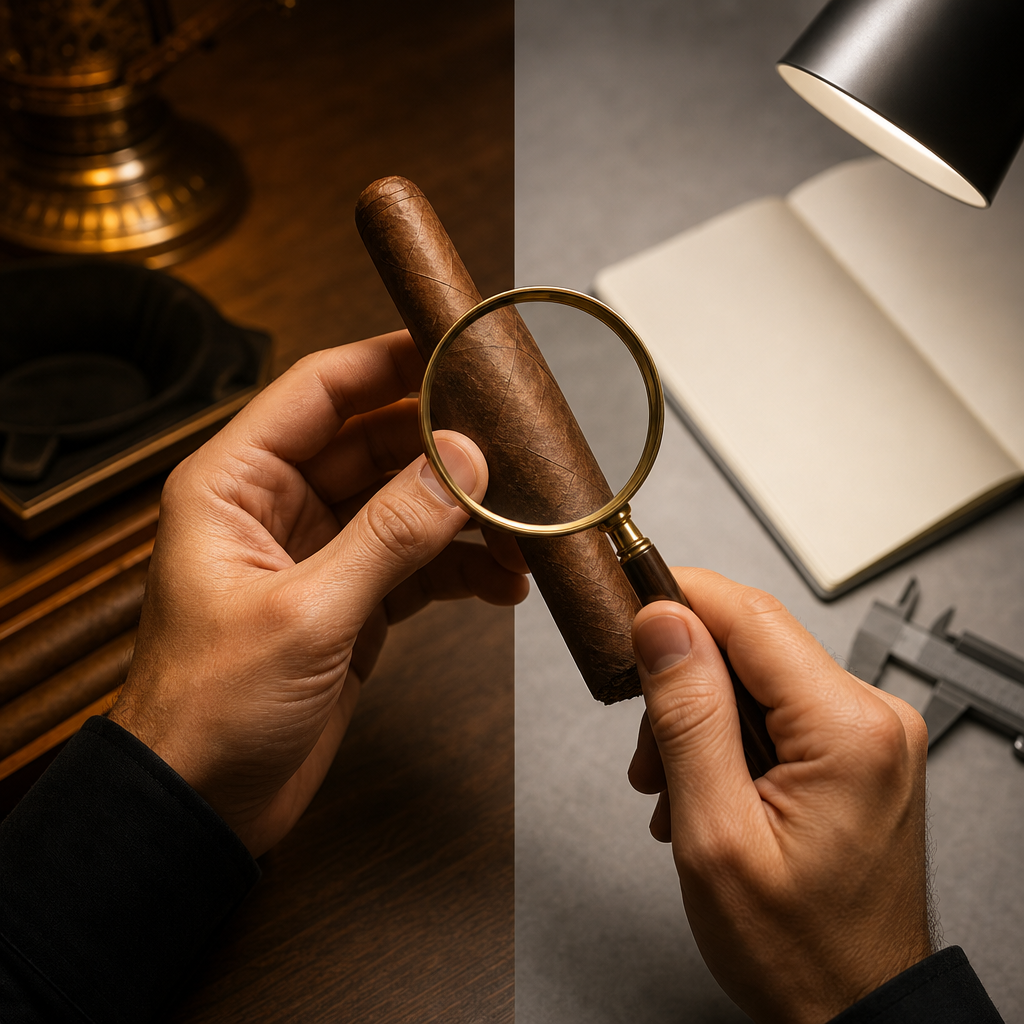
- Overall: Burn line, ash color, draw resistance, and aroma changes
True flavor reading is not about finding the most adjectives but about determining whether a cigar has clear transitions and balance. When you can describe "from hay to honey wood, then to leather and spice," you have crossed the beginner's threshold.
Aging and Preservation: How Time Leads Cuba and Emerging Regions to Different Maturity Levels
When discussing flavor evolution, time cannot be ignored. With good preservation, cigars will gradually reduce irritation, aromas become rounded, and sweetness and woodiness blend more. Generally, I recommend beginners observe at 6 months, 1 year, and 3 years, rather than pursuing cigars aged over ten years from the start. A temperature of about 18–21°C and relative humidity of 65–69% is a common safe range, especially in Taiwan's humid and hot environment where fluctuations should be noted.
Cuban cigars often show more delicate herbal, honey, leather, and wood fusion after 3–5 years; some high-end or large sizes like Cohiba Behike, Partagás Lusitanias, H. Upmann Sir Winston, can have longer development when in good condition. However, not every cigar is suitable for long aging; preservation source, box condition, humidity record, and original tobacco quality are all important.
Emerging regions, due to different blending and fermentation strategies, have some cigars that are quite mature upon release, achieving beautiful balance in 2–3 years; others like Padron Family Reserve, Fuente OpusX, Davidoff Limited Edition, show more rounded aromas after several years of preservation. In terms of collection, some limited or discontinued editions indeed have market discussion; but collecting for appreciation does not guarantee appreciation, still depending on source preservation and market. Time will only magnify a cigar's original potential, not automatically correct all flaws.
Beginner's Comparison Exercise: Establish Your Own Flavor Coordinates with Three Cigars
If you have mastered basic tasting, the next step is to compare "same size, different regions." I recommend choosing Robusto or Toro with a ring gauge of around 50 and a length of 120–150 mm, as the burning time is about 50–80 minutes, enough to observe three-stage changes without being too long. Do not line up too many at once; two to three are enough to establish a reference.
You can design an entry-level comparison: Cuban Hoyo de Monterrey Epicure No.2, Dominican Davidoff Grand Cru No.2, Nicaraguan Oliva Serie V Double Robusto. Observe cream, floral, and wood in Hoyo; cleanliness, white pepper, and nuts in Davidoff; cocoa, coffee, pepper, and oiliness in Oliva. The purpose of comparison exercises is not to take sides but to establish your own flavor coordinate system.
When recording, do not just write "good smoke" or "strong." I suggest using four columns: aroma, taste, structure, and finish. Write cedar, cocoa, grass, or leather for aroma; dry, smooth, oily, spicy for taste; note whether there is a front, middle, and end change for structure; and 5 seconds, 15 seconds, or over 30 seconds for finish. After a few times, you will find whether you prefer the delicate transitions of Cuba or the intuitive richness of emerging regions, or perhaps appreciate both, choosing based on different moods.
Etiquette and Judgment: How to Maturely Discuss Regional Differences
The most fascinating part of cigar culture is not just the flavor but also the way of discussion. A common mistake beginners make is using absolute sentences like "Cuba is the only authentic" or "New World is stronger" for judgment. In fact, the quality of a cigar depends on burn, draw resistance, balance, complexity, and finish, not just the country name. The PCC authorized dealer system makes source identification clearer, but clear source is just the first step; preservation and condition remain important.
When discussing flavors in social situations, it is recommended to use observation sentences rather than judgment sentences. For example, saying "this cigar has obvious white pepper in the front, transitioning to creamy wood in the middle" is more informative than "this cigar is not high-end enough." Also, do not rush to correct others' perceptions, as taste is influenced by humidity, pre- or post-meal, beverages, personal experience, and smoking speed. Mature cigar language is about articulating subjective feelings with basis, not packaging personal taste as a standard answer.
Beginners should also pay attention to rhythm. Smoking too fast will increase burning temperature, causing sweetness to disappear and bitterness and spiciness to increase; smoking too slowly may cause the cigar to go out, and relighting will increase off-flavors. Taking a puff every 45–60 seconds is a starting point many can refer to. When pairing with beverages, water best calibrates taste; if pairing with coffee, whiskey, or rum, observe whether the drink amplifies sweetness, wood, or spice, rather than letting alcohol overshadow the cigar itself.
Frequently Asked Questions
Are Cuban cigars always better than those from emerging regions?
This should not be judged this way. Cuba's strengths lie in its delicate, herbal, woody, and long finish, while emerging regions often excel in cocoa, coffee, pepper, sweetness, and blending tension. Looking at the market after 2020, brands like Padron, Davidoff, Fuente, Oliva, and My Father have already established stable supporters. Regions are not ranked in order of superiority, but have different flavor languages.
Why do the same brand's different vintages vary greatly?
Tobacco is an agricultural product, and harvest year, rainfall, fermentation, storage, and transportation all affect its condition. Even the same Montecristo No.2 may have differences in strength and draw resistance due to different box conditions in 2014, 2018, and 2022. Cuba is especially prone to experience gaps due to batch and storage conditions, while emerging regions, although often more stable in quality control, are still affected by tobacco leaf vintage.
Should beginners first learn about Cuba or emerging regions?
I would recommend learning both, but comparing only a small number of samples at a time. You can start with medium-strength Cubans like H. Upmann or Hoyo de Monterrey, then contrast with Dominican Davidoff or Nicaraguan Oliva. This way, you can avoid being initially disturbed by strong pepper or nicotine sensations and can more clearly identify cream, wood, nuts, and herbs.
How long is the best aging period?
There is no single answer. Most daily cigars, when stably preserved for 6–18 months, will have reduced irritation; some large sizes or high-end Cuban cigars may have more layers after 3–5 years; many emerging region works are quite mature upon release, showing good performance around 2 years. The key is stable humidity and temperature, not just pursuing the number of years.
How to avoid mistaking bitterness for richness?
Richness is high aroma density, thick mouthfeel, and long finish; bitterness often comes from being too wet, too hot, smoking too fast, or poor preservation. If a cigar only has burnt bitterness, throat spiciness, and paper taste without layers of cocoa, coffee, wood, or leather, it should not simply be called rich. Recording burning speed and puff intervals will help you distinguish true strength from poor conditions.
I see Cuba and emerging regions as two different gentlemanly characters: one reserved, unfolding over time; the other extroverted, speaking with structure and strength. Beginners need not rush to take sides; first learn to respect the land, craftsmanship, and preservation, then use your own palate to establish judgment. The truly fascinating part of cigars is that every time you light one, it allows us to re-understand flavor, time, and measure.
—Cigar Prince Wilson Tsai
Smoking is harmful to health. Smoking is prohibited for those under twenty. Quitline: 0800-636363. This article is for reference by adults over twenty for cigar culture, preservation, and legal knowledge, not a tobacco advertisement, promotion, or purchase suggestion.