The Art of Cigar Blending: Exploring Flavor Combinations from Herbal to Fruity
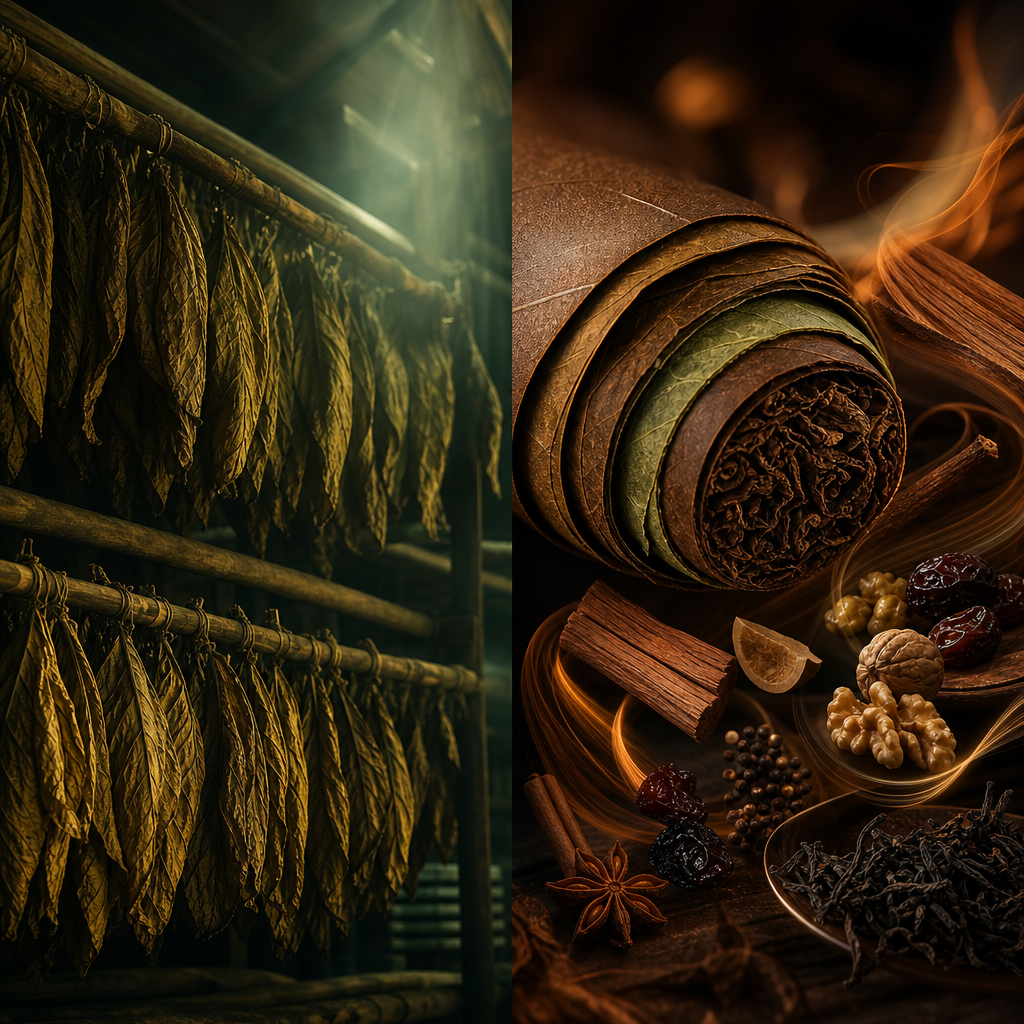
The Art of Cigar Blending: Exploring Flavor Combinations from Herbal to Fruity
As the editor of "The Cigar Bible," when I talk about "blending," I don't mean adding fragrances to the outer layer of a cigar. Instead, it's about how the roller uses origin, leaf position, fermentation, aging, and proportions to let herbal, woody, nutty, spicy, and fruity notes emerge sequentially during burning. What seasoned enthusiasts truly pursue is the structure of flavors, not just a single aroma term.
The aroma of a cigar is like a chamber music piece: the wrapper is the melody, the binder is the harmony, and the filler is the rhythm and bass. From Cuba's Vuelta Abajo to Nicaragua's Estelí, from the 1995 Fuente Fuente OpusX to the 2010 Cohiba Behike, truly enduring works often hide a precise blending logic.
Blending is Not Adding Fragrance: The Logic Behind Cigar Flavors
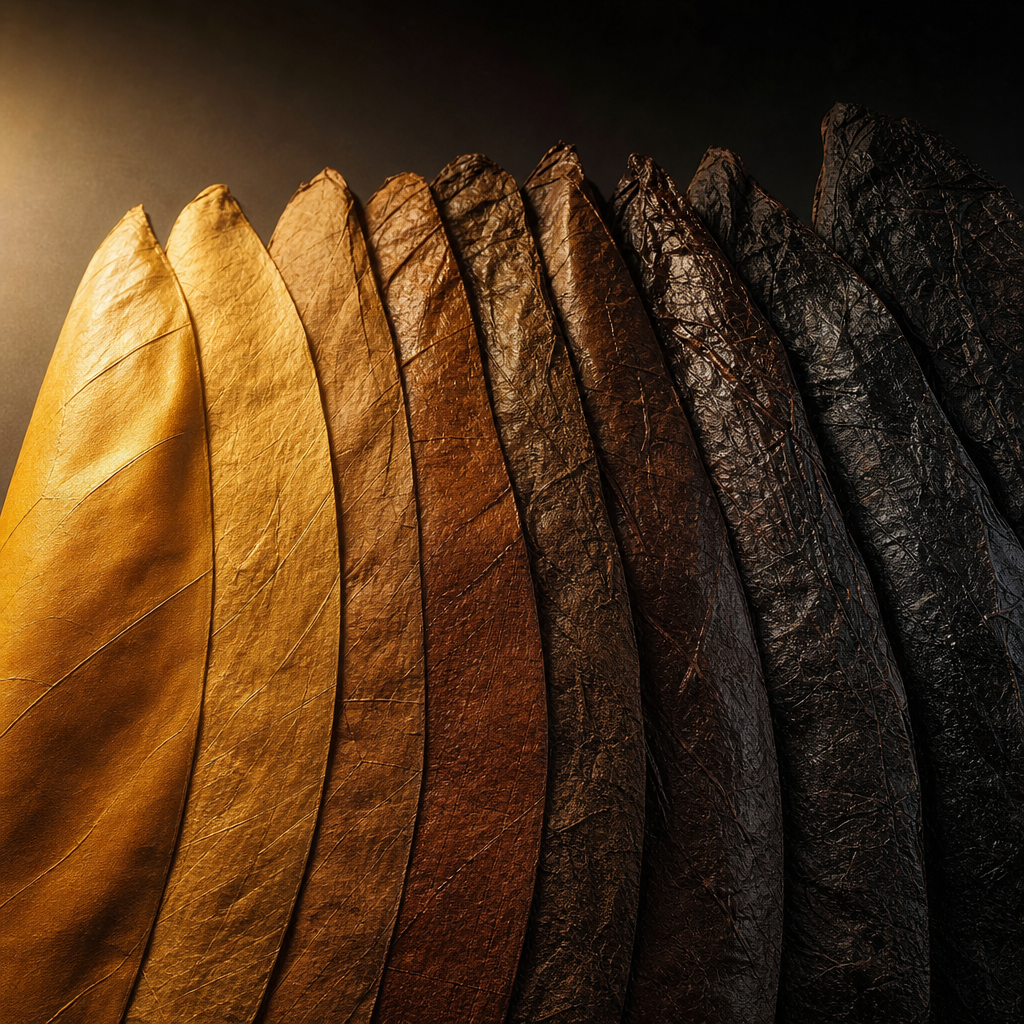
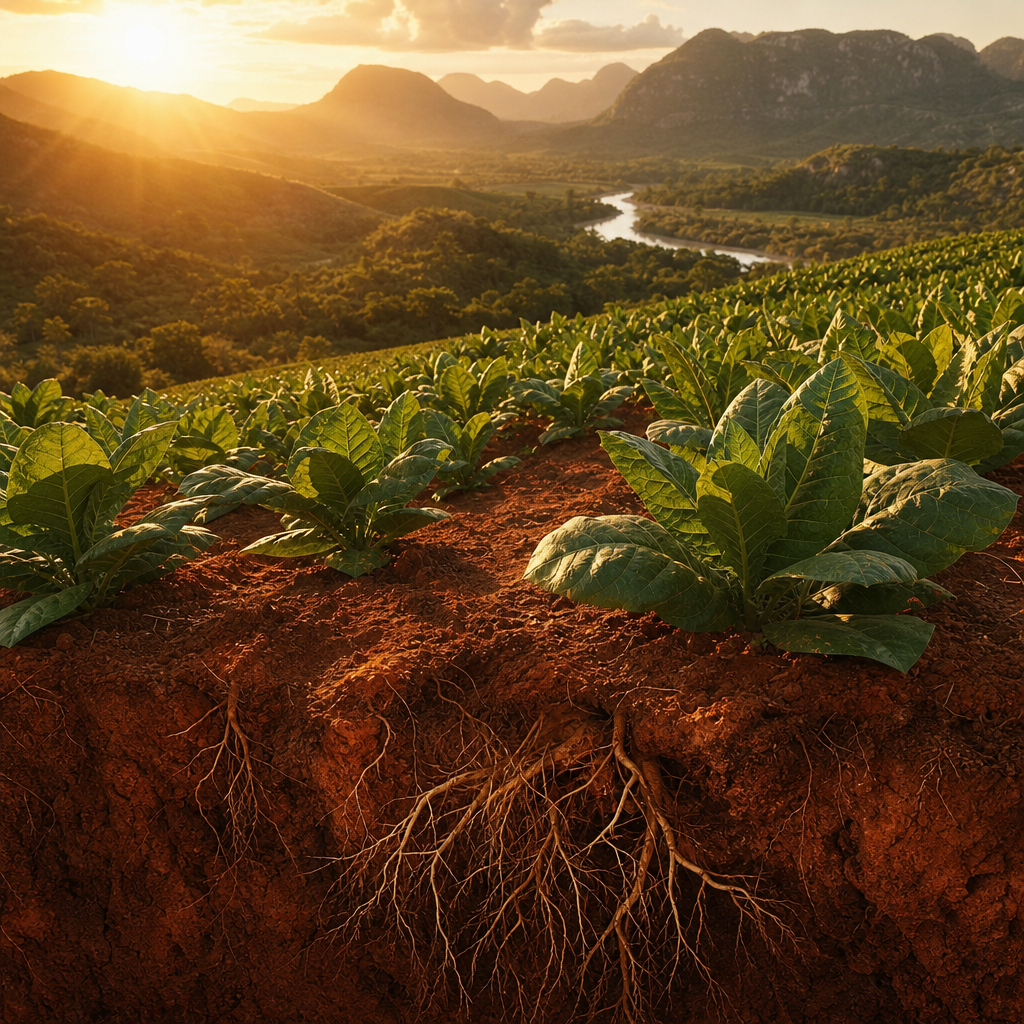
The core of cigar blending lies in "leaf combination" rather than adding external flavors. After harvest, tobacco leaves undergo drying, fermentation, and grading, and then blenders choose different origins and leaf positions. In the common Cuban logic, volado provides combustion, seco gives aroma, and ligero brings strength and aftertaste. If the proportions are off, herbal notes might become sharp, woody notes might turn bitter, and fruity notes could be overwhelmed by spiciness.
The Padrón 1964 Anniversary, launched in 1994, is a great example. It often presents cocoa, coffee, dried fruit, and pepper with Nicaraguan tobacco leaves. However, its sweetness doesn't come from sugar but from the roundness formed by the transformation of proteins, sugars, and oils after long fermentation. Conversely, insufficient fermentation might result in grassy, ammonia, or coarse plant-like aromas.
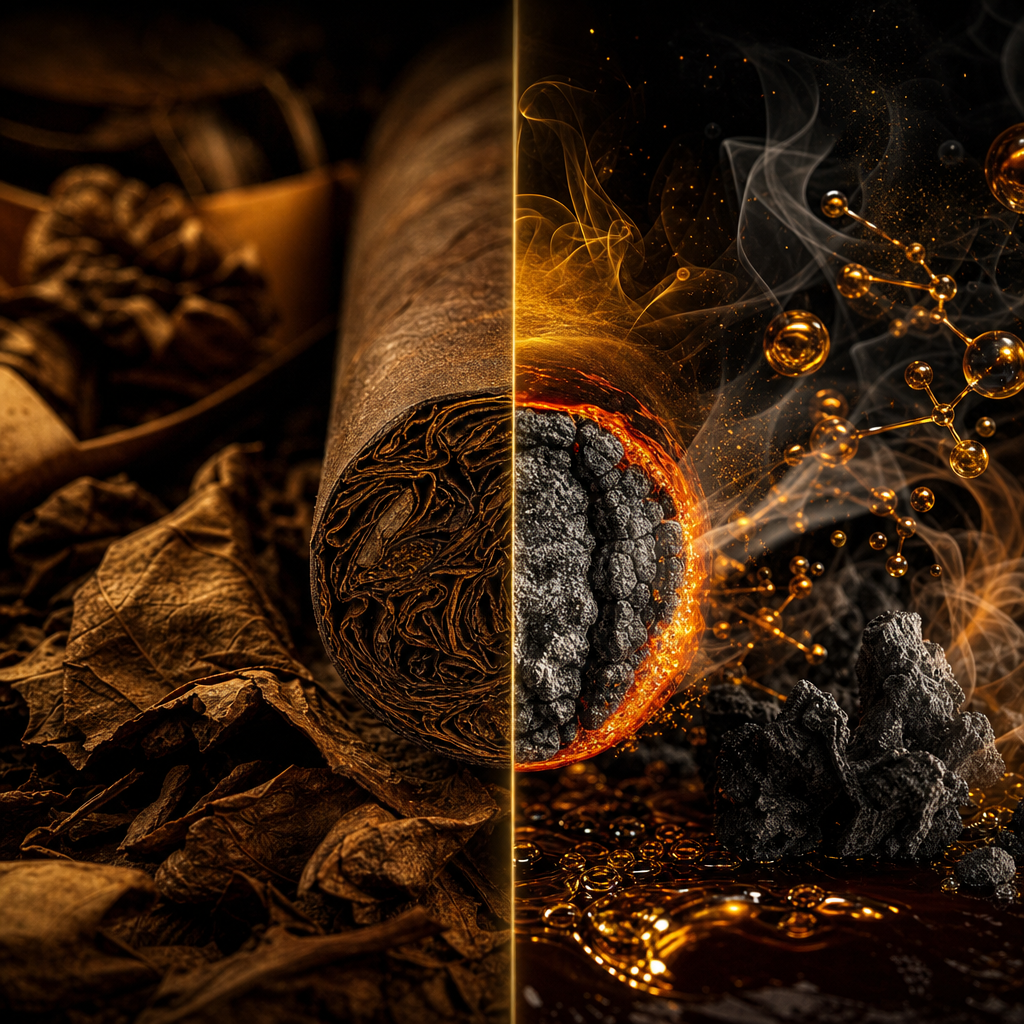
The "blending" of cigars is a combination of agriculture, fermentation, and proportions, not infusing fragrances. A seasoned enthusiast should judge whether a work is mature by observing the transitions between the front, middle, and back sections, rather than just asking "is there a fruity aroma" or "is it strong enough."
Herbal Aromas: From Fresh Grass, Mint to Dried Tea Leaves
Herbal aromas are often mistaken by beginners as "raw" or "light," but seasoned enthusiasts know they have many layers. The Cuban Hoyo de Monterrey Epicure No.2 often features soft dried grass, honey, and light woodiness. Meanwhile, the Por Larrañaga Petit Corona, when well-preserved, offers a delicate sensation at the intersection of grass, cream, and caramel. These are not simply light but are clear lines formed by low-temperature fermentation and leaf selection.
Herbal notes in Nicaraguan or Honduran works often have a tougher texture. For example, the Camacho Corojo series can exhibit dried grass, leather, and green pepper. Since its launch in 2007, the Oliva Serie V, with Jalapa ligero, often has its herbal notes wrapped in black pepper and roasted sweetness, not floating independently on the surface.
The key to herbal aromas is not "green," but whether they can form support with woodiness, sweetness, and spiciness. If the first section resembles freshly cut grass, the second section transitions to dried tea leaves, and the final section leaves a minty coolness, it indicates that the blender has accurately grasped the strengths and fermentation times of the leaf positions.
- Fresh grass: Common in younger or lighter-bodied works
- Dried grass, dried tea: Often appear in more stable fermentation and cleaner-tasting cigars
- Mint, eucalyptus: Mostly from high-aroma seco or specific regional mineral notes
- Green pepper: Often related to the stimulation of ligero and burning temperature
Fruity Aromas Are Not Fruit Flavors: How Fermentation Shapes Sweet and Sour Balance
Fruity aromas in cigars are mostly not direct like biting into fruit but are more like dried fruit, fruit peel, fruit acid, candied fruit, or soaked fruit. The Cohiba Behike series, officially launched in 2010, is often discussed for the richness brought by medio tiempo leaves. In well-conditioned BHK 52 or BHK 54, besides cream, bean aroma, and woodiness, there might also be edges of orange peel, apricot, and honey, all derived from fermentation and oil transformation.
Dominican works often exhibit more delicate fruity expressions. The Davidoff Nicaragua, launched in 2013, although made with Nicaraguan tobacco leaves, maintains Davidoff's consistently clean profile, often showing red pepper, cocoa, dried fruit, and creamy woodiness. Since its launch in 1995, the Fuente Fuente OpusX, due to the successful cultivation of Chateau de la Fuente wrappers, often presents complex layers of tropical fruit, spices, leather, and sweet woodiness.
The essence of fruity aromas is the balance of sweet and sour, not the sweeter the better. If the fruit acid is too prominent, it will resemble unripe fruit peel; if the sweetness is too thick, it might suppress herbal and woody notes. Excellent blending will let fruity aromas appear in the middle section, transitioning to dried fruit, cocoa, or roasted nuts in the final section, rather than being sweet from start to finish.
Wrapper, Binder, Filler: A Breakdown of Aroma Roles
The wrapper only accounts for about 8% to 12% of the total weight of a cigar, but its impact on the first impression and nasal aroma can be quite significant. Ecuador Connecticut often carries cream, grains, and light nuts; Ecuador Habano might have red pepper, woodiness, and orange peel; San Andrés Maduro often shows cocoa, brown sugar, soil, and concentrated coffee. In blending, the wrapper is like the top note of a perfume, the first to be perceived.
| Structure | Common Function | Flavor Impact | Examples |
|---|---|---|---|
| Wrapper | Outer aroma and texture | Sweetness, oils, first impression | Ecuador Connecticut, Corojo, Maduro |
| Binder | Stable burning and bridging | Woodiness, dried grass, structure | Dominican Olor, Nicaragua binder |
| Filler | Body and aftertaste | Strength, spices, dried fruit, earth | Ligero, Seco, Volado |
Taking the Arturo Fuente Hemingway series as an example, its perfecto shape allows the front section to have a smaller burning surface, concentrating the aroma on the wrapper and a small amount of filler. By the middle section, the burning surface enlarges, and woodiness, sweet spices, and creaminess become more complete. In contrast, the robusto size of Partagás Serie D No.4 allows the middle section to enter the body earlier, with herbal, leather, and spicy notes more directly.
The wrapper determines the entry tone, the filler determines the story's depth, and the binder determines whether the two can naturally connect. Judging flavor solely by the color of the wrapper is a simplification error that seasoned enthusiasts easily make.
Leaf Position and Proportion: The Aroma Engineering of Ligero, Seco, Volado
Different leaf positions on the same tobacco plant have completely different aromas and strengths. The upper ligero receives more sunlight, has higher oil content, and concentrates more nicotine and polyphenols, often bringing pepper, earth, black coffee, and long aftertaste. The middle seco has the most developed aroma, possibly with floral, herbal, dried fruit, and tea notes. The lower volado is thinner, burns well, and often provides grains, dried grass, and a smoother smoke volume.
Blenders often use proportions to resolve contradictions: if there's too much ligero, the front section is stimulating, and the final section is bitter; if there's too little volado, burning is unstable; if there's not enough seco, the aroma is flat. Taking the La Flor Dominicana Double Ligero as an example, it deliberately amplifies the power of ligero, often showing black pepper, leather, and dark woodiness. However, this structure requires sufficient humidity control, or the final section can easily appear sharp.
A good proportion is not about pursuing maximum strength but allowing each leaf position to voice at the right time. When evaluating a cigar, I particularly look at whether the second section "opens up": if the front section is herbal, the middle section transitions to nuts and dried fruit, and the final section returns to woodiness and spices, it usually means the filler design has layers.
Common blending directions can be roughly understood as:
- Increase ligero: Adds spiciness, thickness, aftertaste, but risks bitterness and spiciness
- Increase seco: Adds herbal, floral, fruity notes, but may reduce strength
- Increase volado: Improves burning and smoothness, but the body may become thin
- Mix different origins: Increases complexity, also raises the risk of imbalance
Aging and Storage: Turning Herbal into Dried Tea, Fruity into Dried Fruit
The aging of cigars after production is not magic but a slow and stable integration of moisture, oils, and volatile substances. Generally, a relative humidity of 65% to 70% and a temperature of about 18 to 21°C is a safer range for most handmade cigars. If it exceeds 72% for a long time, burning tends to be dull, and herbal notes turn into wet grass flavors. If below 60%, fruity and sweet notes become thin, and woodiness may appear dry and cracked.
Cuban cigars in the mid-2000s had significant performance differences due to varying storage and transportation conditions. Taking the Montecristo No.2 as an example, even with the same torpedo size, if the box condition is good and aged steadily for 3 to 5 years, it can often transition from green wood and coffee to almond, cocoa, and orange peel. However, if not properly stored, even with a beautiful year, it might only have dry wood and tongue-stinging spiciness.
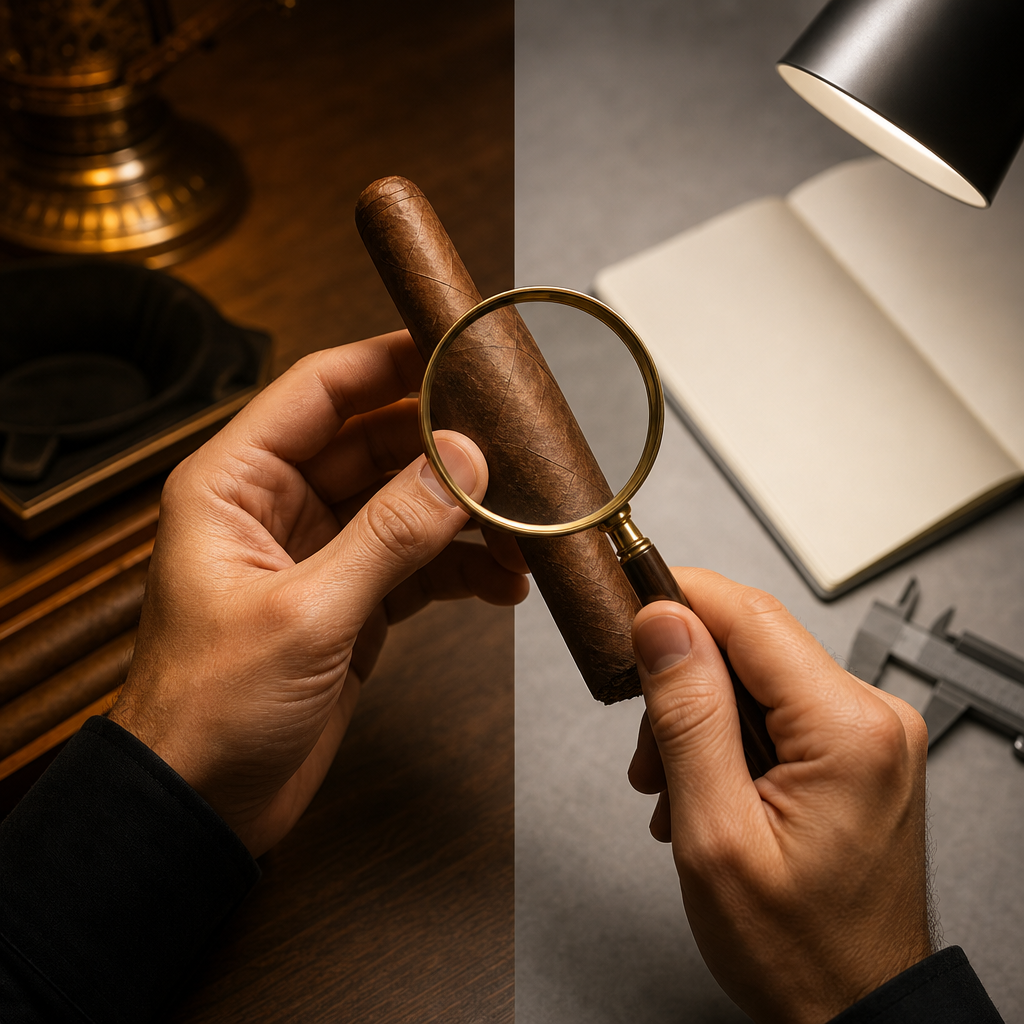
Aging can refine edges but cannot turn an unbalanced formula into a classic. Collectible value does not guarantee appreciation; it still depends on source storage and market. Seasoned enthusiasts should record box codes, humidity, temperature, and tasting dates to judge whether a cigar is rising, peaking, or has lost vitality.
Advanced Pairing: Understanding Aroma Bridges with Beverages
When seasoned enthusiasts conduct flavor training, they can use beverages as a "control group," but the purpose is not to cover the cigar but to find the same or opposite aroma bridges. Herbal cigars can be compared with unsweetened high mountain oolong, white tea, or lightly roasted Tieguanyin to observe dried grass, floral, and mineral notes. If paired with heavily peated whiskey, details are easily covered by smoky iodine flavors.
Cigars with more pronounced fruity and sweet spice notes are suitable for comparison with sherry cask whiskey, aged rum, or port wine. For example, a San Andrés Maduro with cocoa, dried fruit, and brown sugar, when paired with a 12-year-old sherry cask single malt, will bring out raisins and dark chocolate. However, if the alcohol content is too high, it will amplify the spiciness in the final section, making the balance rough.
The core of pairing is not "the more expensive the drink, the better," but to have an aroma bridge to cross and contrast to read. I often use the three-cup method to train taste: one cup of room temperature water for calibration, one cup of tea for herbal notes, and one low-alcohol sweet drink for fruity notes. Recording aroma every 2 cm can more clearly see the transitions between the front, middle, and back sections.
Advanced records can be divided into four columns:
- Entry: Are herbal, woody, and sweet notes clear?
- Nasal: Do floral, fruit peel, and spice notes appear?
- Middle section: Do nut, cocoa, and dried fruit form the body?
- Final section: Are bitterness, spiciness, and astringency cleanly resolved?
Common Questions
Does a cigar with fruity notes mean it has added spices?
Not necessarily. Most high-end handmade cigars' fruity notes come from tobacco leaf fermentation, soil of origin, leaf position proportion, and aging state. Descriptions like orange peel, dried apricot, and raisins are mostly associative language after burning, not actual additions of fruit or fragrance. True fruity notes should coexist with woody, herbal, and sweet notes, not float independently on the surface.
Is a strong herbal taste indicative of poor quality?
It depends on what kind of herbal note it is. Dried grass, dried tea, mint, and floral stem notes can be very charming. However, if it's a pungent grassy, ammonia, or wet grass flavor, it might be related to insufficient fermentation or overly moist storage. Seasoned enthusiasts will see if it transforms with burning rather than judging only in the front section.
Does a Maduro wrapper always mean it's sweeter?
Not necessarily. Maduro represents a darker, longer-processed wrapper, but sweetness still depends on variety, fermentation, and the overall blend. San Andrés Maduro often has brown sugar, cocoa, and soil. However, if the filler is too spicy, the sweetness can also be suppressed.
Why do different years of the same brand vary greatly?
Cigars are agricultural products. Rainfall, sunlight, fermentation room management, storage, and transportation all affect the outcome. Even the same vitola can perform differently with different box codes. Differences can often be seen in herbal clarity, oils, and aftertaste across batches from 2008, 2014, and 2019.
How do seasoned enthusiasts train flavor judgment?
Choose three cigars with similar styles but different origins, such as Cuban robusto, Nicaraguan robusto, and Dominican robusto, and evaluate them on different days under the same humidity. Record the herbal, fruity, woody, and spicy notes in the first 2 cm, middle section, and final section. Systematic comparison is more reliable than single impressions.
I have always believed that the most fascinating aspect of cigars is not how many aroma terms it has, but how the aromas line up, transition, and exit. If herbal notes can lead to tea sensations, fruity notes can turn into dried fruit, and spicy notes can stay in the aftertaste without stinging the tongue, then that's the art of blending. May every seasoned enthusiast focus back on the leaves, proportions, and time to slowly understand the internal order of a cigar. —Cigar Prince Wilson Tsai
Smoking is harmful to health. Under 20 years old is not allowed to smoke. Quitline: 0800-636363. This article is for reference only for adults over 20 years old regarding cigar culture, storage, and regulations, and is not a tobacco advertisement, promotion, or purchase suggestion.