Quintero 完整品牌深度:1924 Cienfuegos 兄弟五人、平民紳士的 Vuelta Abajo 正統
Quintero Complete Brand Deep Dive: The 1924 Cienfuegos Five Brothers and the Common Gentleman's Vuelta Abajo Orthodoxy
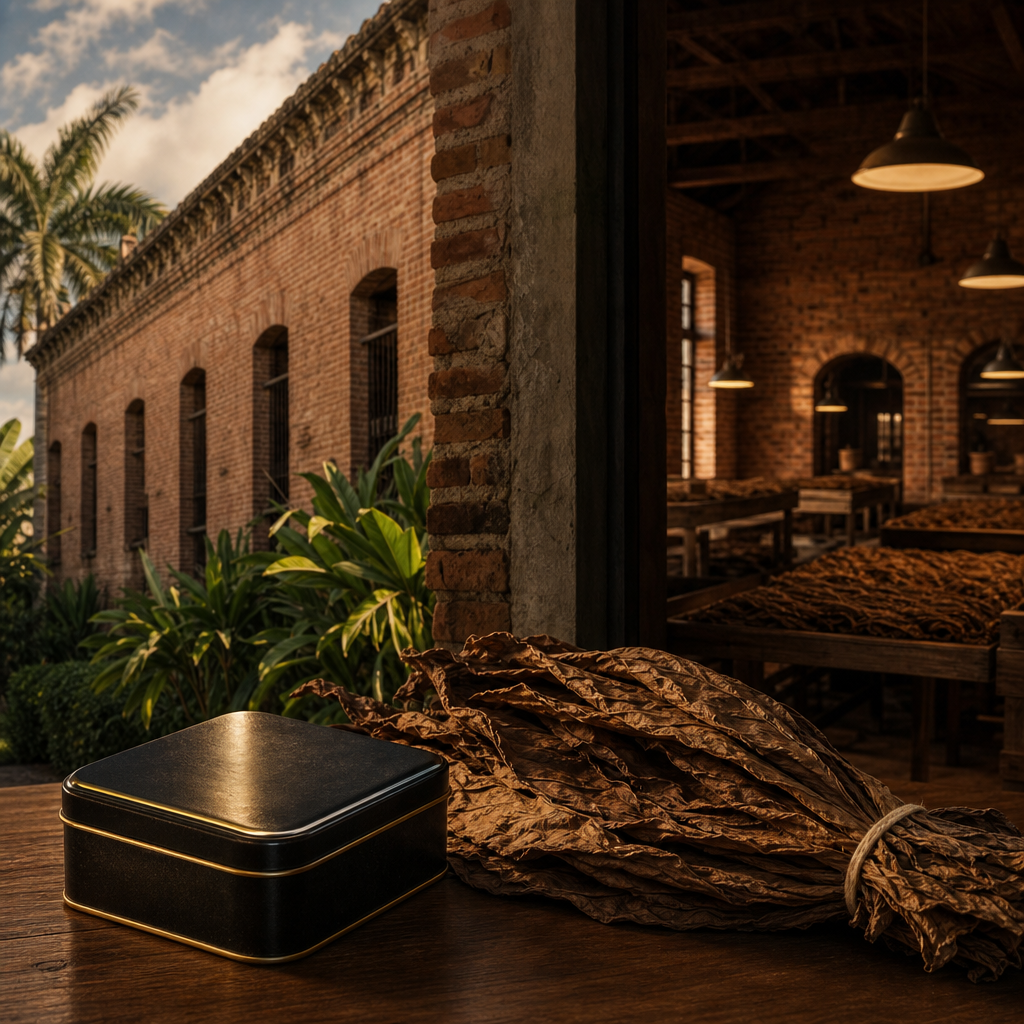
Most great Cuban Habanos brands were born in Havana or on the tobacco farms of Pinar del Río - Quintero is one of the few exceptions. In 1924, Agustín Quintero and his four brothers founded a factory in Cienfuegos, a port city on Cuba's southern coast, under the name "Quintero y Hermanos" (Quintero Brothers). At the time, this decision looked like a commercial adventure; looking back today, it is one of the most intriguing origin stories among Habanos brands.
1924: The Brothers' Factory in the "City of a Hundred Fires"
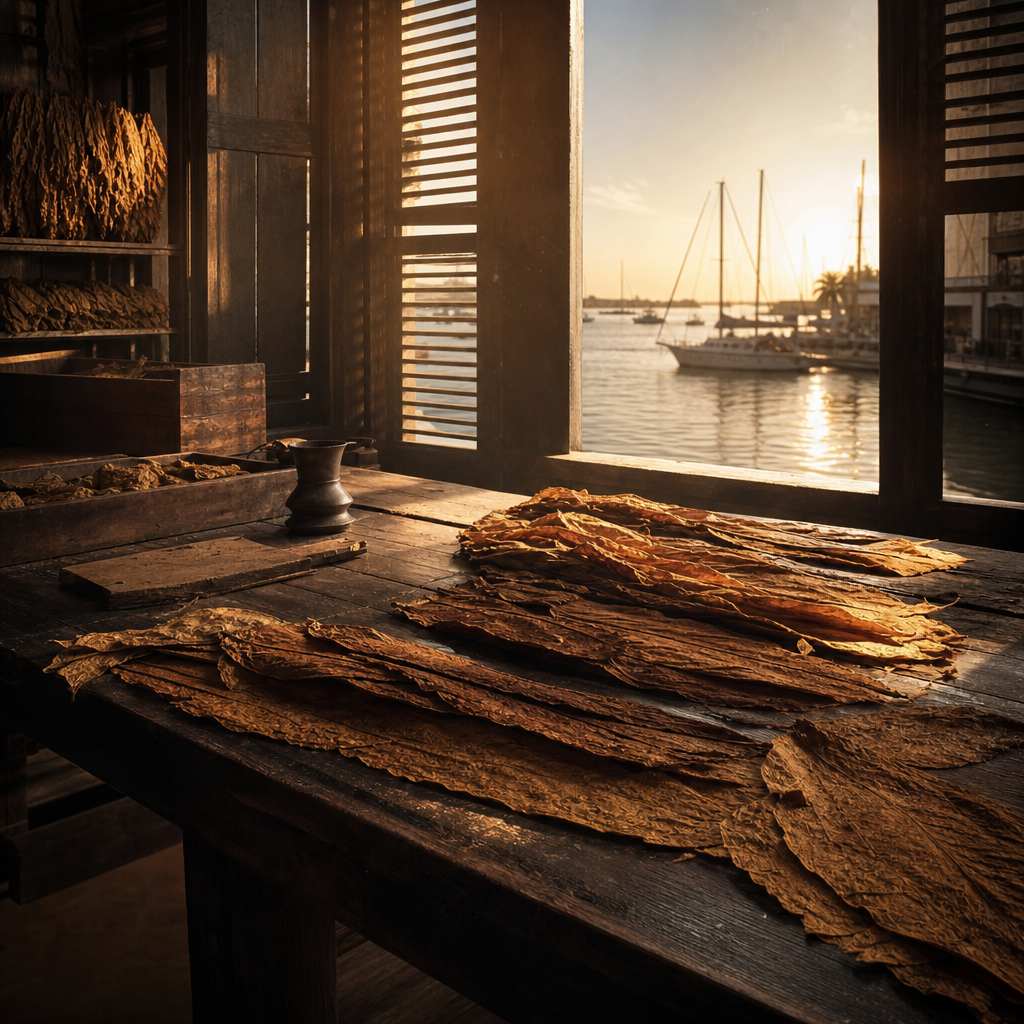
Cienfuegos means "City of a Hundred Fires" in Spanish, and it was known for sugar, coffee, and port trade rather than tobacco. Establishing a cigar factory here meant that tobacco raw materials had to be transported over long distances from Vuelta Abajo in Pinar del Río, increasing production costs and testing the Quintero brothers' supply-chain management capabilities.
According to brand historical materials, Agustín Quintero may have chosen Cienfuegos for several reasons: local labor costs were lower than in Havana, the brothers had already established a social network there, and the port of Cienfuegos allowed direct exports to Spain. Whatever the precise reason, this decision shaped Quintero's brand DNA - it was a commoner's cigar that entered the Habanos system from the "periphery," rather than one born under the patronage of Havana's tobacco aristocracy.
The earliest product line consisted mainly of small handmade cigars aimed at local workers and small merchants. Its scale was modest, but its quality was stable, and it gradually built a reputation in central Cuba.
1940s: Expansion to Havana and Orthodox Vuelta Abajo Tobacco
By the 1940s, Quintero y Hermanos had accumulated enough capital to open a larger rolling factory in Havana, and officially introduced selected Vuelta Abajo tobacco as its main source for filler and wrapper. This was the key turning point in Quintero's rise in quality.
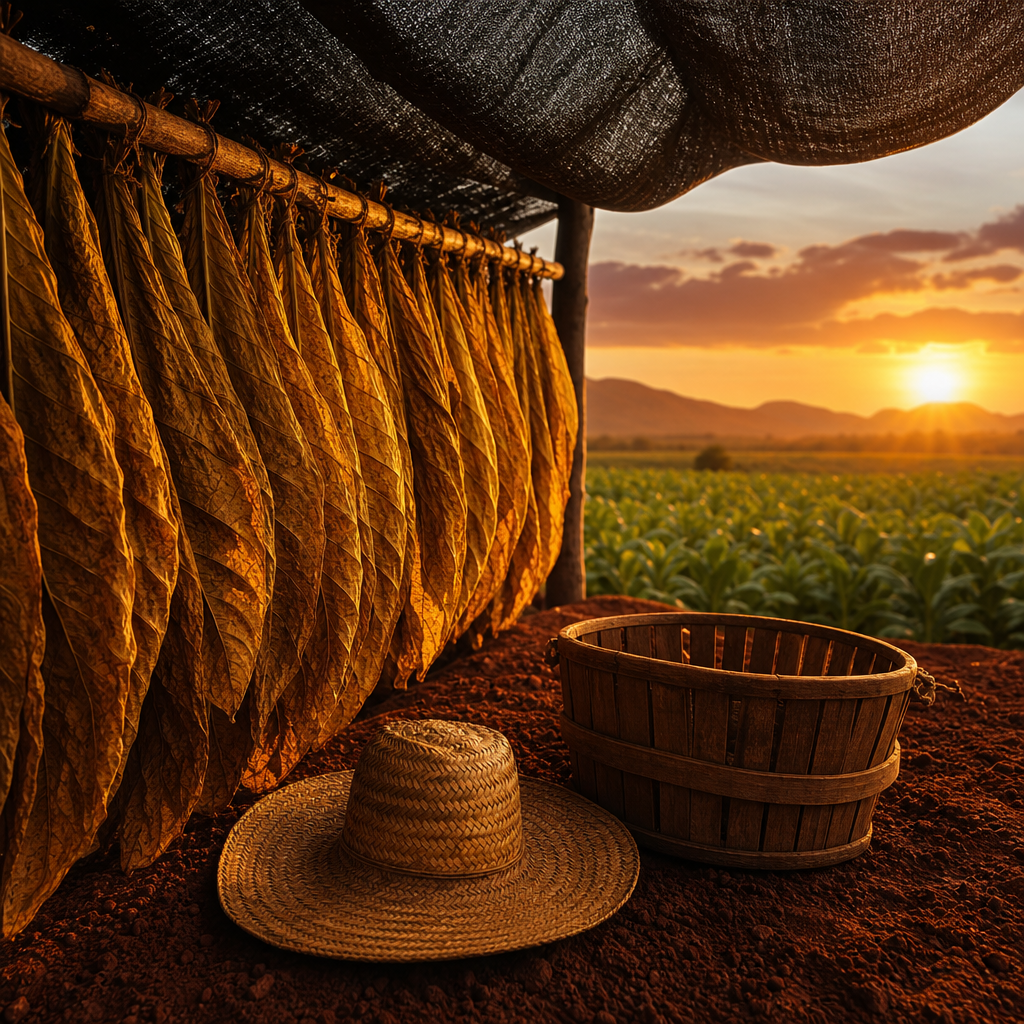
Tobacco from Vuelta Abajo (especially the San Juan y Martínez and San Luis subregions of Pinar del Río Province) possesses a distinctive oiliness and complexity thanks to its red iron-rich soil and special microclimate. For a budget-oriented brand, access to tobacco of this level meant that Quintero's core positioning shifted from a "regional workers' cigar" to "authentic Cuban flavor with exceptional value."
By the late 1950s, Spain had become Quintero's main export market. Spanish consumers had a deep historical attachment to Cuban cigars, but were not necessarily willing to pay the high premiums of Cohiba or Trinidad - Quintero filled that space perfectly, becoming one of the preferred brands for Spain's "working gentlemen who understood cigars."
1960s: The Impact of Nationalization
After the Cuban Revolution in 1959, the Castro government nationalized the entire tobacco industry in the early 1960s. All private cigar factories, including Quintero y Hermanos, were brought under state control and eventually became part of what would later be Cubatabaco and Habanos S.A.
Nationalization had an especially direct impact on Quintero: most handmade formats were discontinued, and production shifted toward machine-made or semi-mechanized cigars using short filler (Tripa Corta). The loss of handcraftsmanship, together with a simplified portfolio, caused Quintero to largely disappear from the high-end market's field of view from the 1960s through the 1990s, continuing to be sold mainly in Spain as an everyday cigar.
During this period, Quintero was more like a "brand existing in name only" - the cigars were not bad, but they were no longer the soulful handmade products of the brand's early years.
2002: A Shift in Habanos Policy and the Revival of Handmade Short Filler
In 2002, Habanos S.A. made an important decision: all of its brands had to return to fully handmade production in order to strengthen the premium positioning of Havana cigars. In this wave of revival, Quintero returned to handmade production, using the Tripa Corta (short filler) technique.
The core difference between "handmade short filler" and "handmade long filler (Tripa Larga)" lies in the form of the filler: short filler uses chopped pieces of tobacco leaf, while long filler uses whole tobacco leaves running through the length of the cigar. Short filler does not mean inferior quality - many traditional Italian and Spanish cigars use this technique - but it does create differences in burn speed and flavor complexity compared with long-filler cigars. Short filler usually burns more evenly, with a more straightforward flavor profile, making it suitable for short to medium appreciation settings.
For Quintero, 2002 was a pragmatic revival: preserving the brand's commoner's DNA while returning to the sincerity of handcraftsmanship.
Current Main Product Line
Quintero's current official formats (all handmade short filler, regular Habanos S.A. releases):
- Quintero No.1: 42 ring gauge x 142mm, the most representative Corona format, approximately 45-55 minutes
- Quintero No.2: 38 ring gauge x 129mm, Petit Cetros, a compact entry-level size
- Quintero No.3: 42 ring gauge x 110mm, Minuto, a quick appreciation choice for the office
- Brevas: 40 ring gauge x 127mm, Semi Corona, in the traditional breakfast-cigar style
- Panetelas: 33 ring gauge x 178mm, a slender continuation of Spanish style
- Puritos: 26 ring gauge x 83mm, a small-cigar format with the lowest entry threshold
The overall flavor profile is light to medium in body: light wood, delicate herbal notes, and a slight malt sweetness, without obvious harshness, suitable for afternoon tea or light business settings.
Why Experienced Collectors Should Revisit Quintero
Among the members of W Cigar Bar, there is a type of connoisseur who especially appreciates Quintero: the true gentleman who does not need a brand label to display taste. The regular-channel pricing of Quintero No.1 is usually half that of Montecristo No.4 or even lower - yet it carries the same Cuban tobacco orthodoxy from Vuelta Abajo and is likewise supervised by Habanos S.A.
Quintero is also a compelling case study in Cuban cigar history: it witnessed the entrepreneurial spirit of Cienfuegos, Havana's ambition for expansion, the impact of the Revolution, and the 2002 policy shift that revived handmade production across the industry. Inside one small Corona lies a near-century miniature of the Cuban cigar industry - a genuine depth that no marketing story could fabricate.
Conclusion: The Honest Soul of Common Origins
Quintero has never been "the most expensive," nor is it "the most complex." But it is one of the most honest Cuban cigars. Founded in a port city outside the tobacco circle, rolled by five brothers with their own hands into the first expression of Cuban smoke, and ultimately entering the official realm of Habanos S.A. - this path is more convincing than any marketing legend.
The next time you pick up a Quintero No.1 in an appreciation room, remember that it comes from Cienfuegos in 1924. That was the year when five brothers, in a city on the southern coast, decided to believe in their own hands and a bundle of good tobacco leaves.
--
Sourcing: Cuban cigars from four official channels (PCC authorized dealers, Cuban official state-run stores, Swiss general distributor, Spanish general distributor).
LUBINSKI accessories official website: https://cigarclub.tw/
Appreciation appointment: https://share.google/d9NIeFEetij9qWKj0
This site is for adults aged 20 and above only. Smoking is harmful to health. Smoking cessation hotline: 0800-636363.
W Cigar Bar Gentlemen's Cigar House, written and planned by Cigar Prince Wilson Tsai.