Why Cigars Became a Symbol of Status: From Courts, Wars to Business Tables
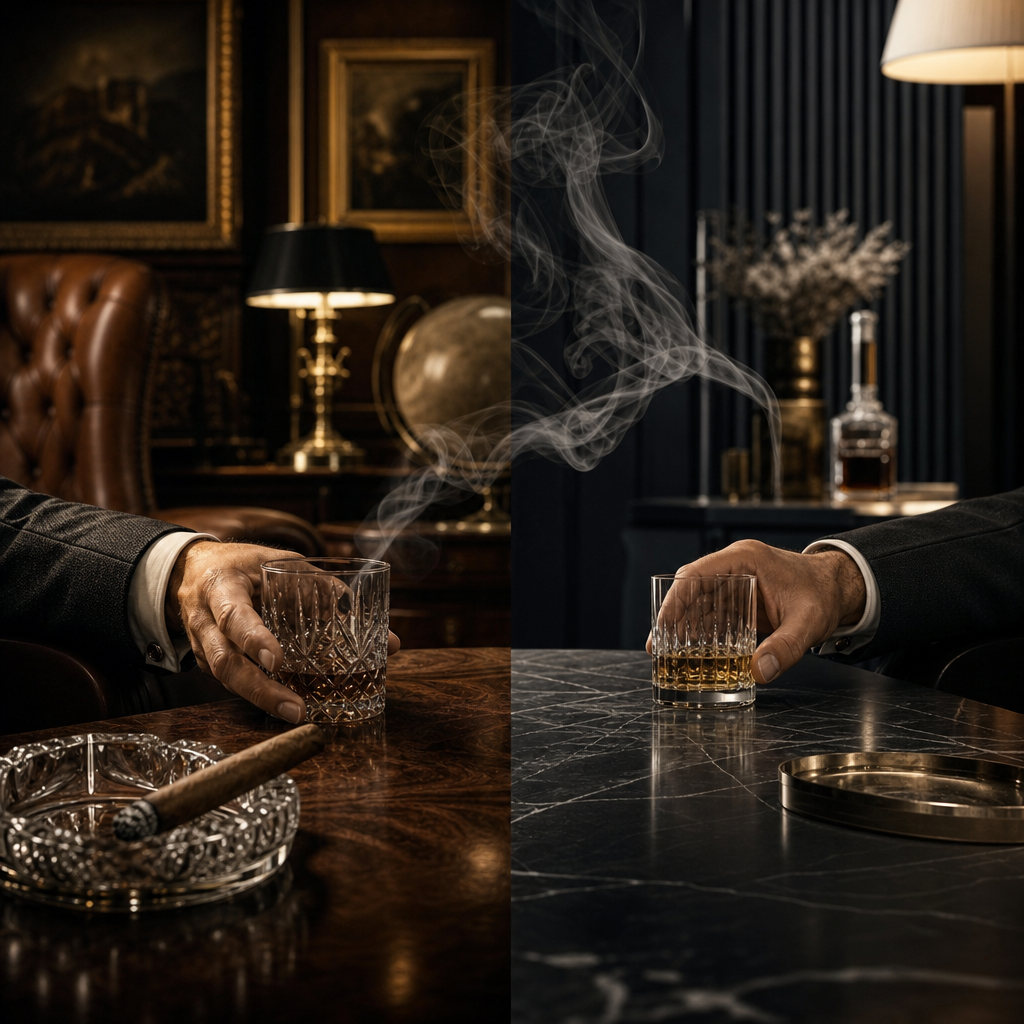
Smoking a cigar may seem like a choice of taste, but on a deeper level, it is a social language. A cigar is not just a cylindrical roll of tobacco but a cultural symbol composed of time, occasion, conversation, attire, and discretion.
I often tell friends who are new to cigars and have grasped the basics of tasting: true cigar taste is not about how well you know the brands but about knowing in what occasion and with what demeanor a cigar becomes a means of communication rather than a display of wealth.
Why Cigars Became a Symbol of Status: From Courts, Wars to Business Tables
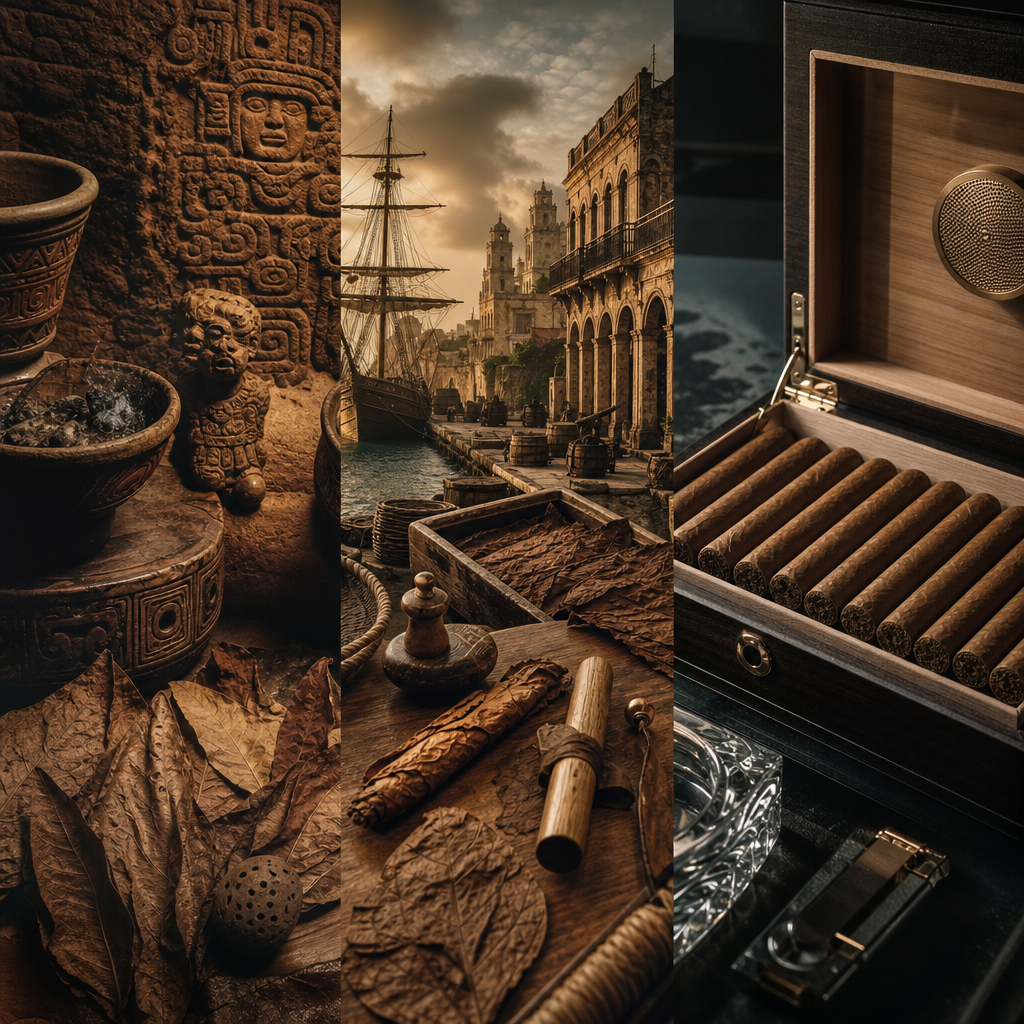
Cigars becoming a symbol of status is not a result of modern marketing. After Columbus arrived in the Caribbean in 1492, Europeans began to encounter the indigenous practice of using tobacco. By the 18th century, Havana, due to its port, climate, and colonial trade, gradually became a center for premium handmade cigars. Around 1790, Cuban cigars had already entered the upper social circles of Spain, transforming from a rarity into a symbol of power, navigation, and wealth.
The 19th century was even more crucial. Brands like H. Upmann, founded in 1844, and Partagás, founded in 1845, did not just sell cigars but also a "recognizable social class." At the time, a box of cigars often appeared on the tables of bankers, officers, and politicians, even becoming diplomatic gifts. Cigars are akin to a symbol of status because they simultaneously require money, time, space, and etiquette; the absence of any of these makes the style incomplete.
By the 20th century, cigars were magnified by movies and political imagery. Churchill was often photographed with a Romeo y Julieta in hand, and the story of Castro and Cohiba added a narrative of power to the brand. In 1966, Cohiba emerged as a high-standard Cuban brand, initially with a national gift color, later gradually entering the commercial market. A truly mature cigar taste lies not in holding an expensive cigar but in understanding the historical weight it carries.
Cigars in Business Settings: Not a Negotiation Weapon, but a Rhythm Manager
In business settings, the most charming aspect of cigars is their ability to slow down the pace of negotiations. A Robusto typically lasts about 50 to 60 minutes, a Toro might take 70 to 90 minutes, and a Churchill often exceeds 90 minutes. This duration naturally shifts the conversation from "exchanging terms" to "understanding each other." Compared to the quick toasts at the dining table, a cigar room is more like a buffer zone for slow thinking.
However, beginners often make the mistake of using cigars as a tool to showcase wealth. In business gatherings, if you start with a Behike 56 or a limited edition, only discussing price and rarity, it might make the other party feel pressured. A more appropriate approach is to choose a stable, approachable size according to the occasion, such as Montecristo No.4, Partagás Serie D No.4, or non-Cuban Padrón 1964 Anniversary Maduro. The focus of business cigars is not to overpower others but to make the other party willing to stay for an additional 30 minutes.
My principle is: in formal business occasions, medium strength, stable burning, and high brand recognition are preferred; if the other party is inexperienced, avoid starting with a too strong Nicaraguan Ligero blend. It's suitable to remember three points:
- Time: Estimate whether the other party has a complete 60 minutes or more.
- Strength: Medium is the safe zone, no need to pursue the strongest.
- Topic: Talk less about price, more about origin, size, and flavor memory.
Gentleman's Social Etiquette: Understanding Cigars, More Importantly, Understanding Distance
The core of cigar socializing is making those around you comfortable. Knowing how to cut, light, and taste is just the basics; more importantly, do you know when not to smoke, when to speak less, and when to change the topic. Cigar smoke is dense, and the spatial conditions are more sensitive than wine, so in private clubs, terraces, yachts, outdoor weddings, etc., the first thing is not to take out a cigar but to confirm the environment and the feelings of companions.
There are several details in etiquette that reveal one's cultivation. When cutting a cigar, do not cut off a large part of the cap, usually about 1.5 to 2 mm is enough; when lighting, do not let the flame directly scorch the foot but slowly toast the edges; when tasting, do not blow smoke at people, and do not flick ash all over the dining table. If the cigar ash structure is stable, it can be left about 2 to 3 cm before gently placing it in the ashtray. The essence of cigar etiquette is to control your presence, not to amplify it.
Some beginner friends ask: do you have to smoke the cigar down to a short length to be considered knowledgeable? Not necessarily. When about one-third is left, if the tar, heat, and bitterness increase, you can naturally end it. Pressing the cigar out is also inelegant; it should be left in the ashtray to extinguish itself. This way of ending, seemingly trivial, is a very important measure in cigar culture.
Brand Choices Reflect Personality: The Social Semantics of Cuba, Nicaragua, and the Dominican Republic
Different origins convey different messages in social settings. Cuban cigars are often seen as classic vocabulary, with Cohiba, Montecristo, Partagás, Hoyo de Monterrey, and Trinidad having clear historical contours; Nicaragua is known for its strength, spice, cocoa, and leather feel, with representative brands including Padrón, Oliva, My Father; the Dominican Republic often gives a sense of elegance, cream, wood, and balance, with Davidoff and Arturo Fuente being typical examples.
If you choose a Davidoff Grand Cru at a formal dinner, it usually conveys restraint and refinement; if you take a Padrón 1926 Serie at a friend gathering, it carries strength and personality; if you choose Montecristo No.2, it is a combination of classic pyramid size and Cuban tradition. The Arturo Fuente OpusX, launched in 1995, brought global attention to Dominican strength cigars, changing the stereotype that "strength only belongs to Cuba or Nicaragua." Brands are not business cards, but they quietly speak of your aesthetic preferences and social posture.
I suggest beginners not only chase popularity but also establish their own flavor coordinates. For example, compare 3 different origin Robustos consecutively: Cuban herbal and woody, Nicaraguan black pepper and cocoa, Dominican creamy and nutty, recording burn, draw resistance, and end changes. When you can say "why I like it" rather than just "it's famous," cigars transform from a status decoration to personal taste.
How to Choose Cigars for Different Occasions: Size, Strength, and Schedule
Occasions determine cigars, not price. Weddings, business dinners, birthdays, private gatherings, and solitary reading each require a different rhythm. If you only have 30 minutes, choosing a Petit Corona or Short Robusto is more appropriate than forcing a Churchill; if it's a long talk after dinner, a Double Corona or Churchill has enough layers to unfold. Knowing how to choose the right size for the occasion is more mature than taking out a high-priced cigar.
Below is a simple table I often use, for friends who have mastered basic tasting and want to enter social etiquette as a reference:
| Occasion | Suggested Size | Time | Flavor Direction | Example Brand |
|---|---|---|---|---|
| After Business Meeting | Robusto | 50-60 minutes | Medium, Stable, Woody | Partagás Serie D No.4 |
| Outdoor Wedding Area | Petit Corona | 30-40 minutes | Light to Medium, Clean | H. Upmann Half Corona |
| Birthday Gathering | Toro | 70-90 minutes | Cocoa, Nut, Leather | Padrón 1964 Anniversary |
| Long Talk After Dinner | Churchill | 90 minutes or more | Layered, Distinct Finish | Romeo y Julieta Churchill |
| Solitary Reading | Lonsdale | 60-75 minutes | Delicate, Linear Change | Davidoff Grand Cru |
The table is just a starting point, not a rule. If the ventilation on site is insufficient, even a good cigar should not be forced; if the other party is a beginner, choosing too strong a cigar makes the conversation a burden. Post-dinner pairing should also be considered: after red meat, a more robust Nicaraguan is suitable; after seafood, white meat, or light dishes, a light to medium Dominican or Cuban delicate style is more appropriate. In social settings, appropriateness is always more important than expense.
Collection and Origin: Identity Comes from Trust, Not Mystery
Cigar collection is often misunderstood as just buying rare boxes to enhance status. In fact, those who truly understand collection value origin, preservation, and traceability more. Taking Cuban limited editions as an example, the 2003 Cohiba Sublimes EL, 2010 Partagás Serie D Especial EL, and 2017 Cohiba Talismán EL have all received high attention in the market, but the state of the same box can vary greatly under different storage conditions.
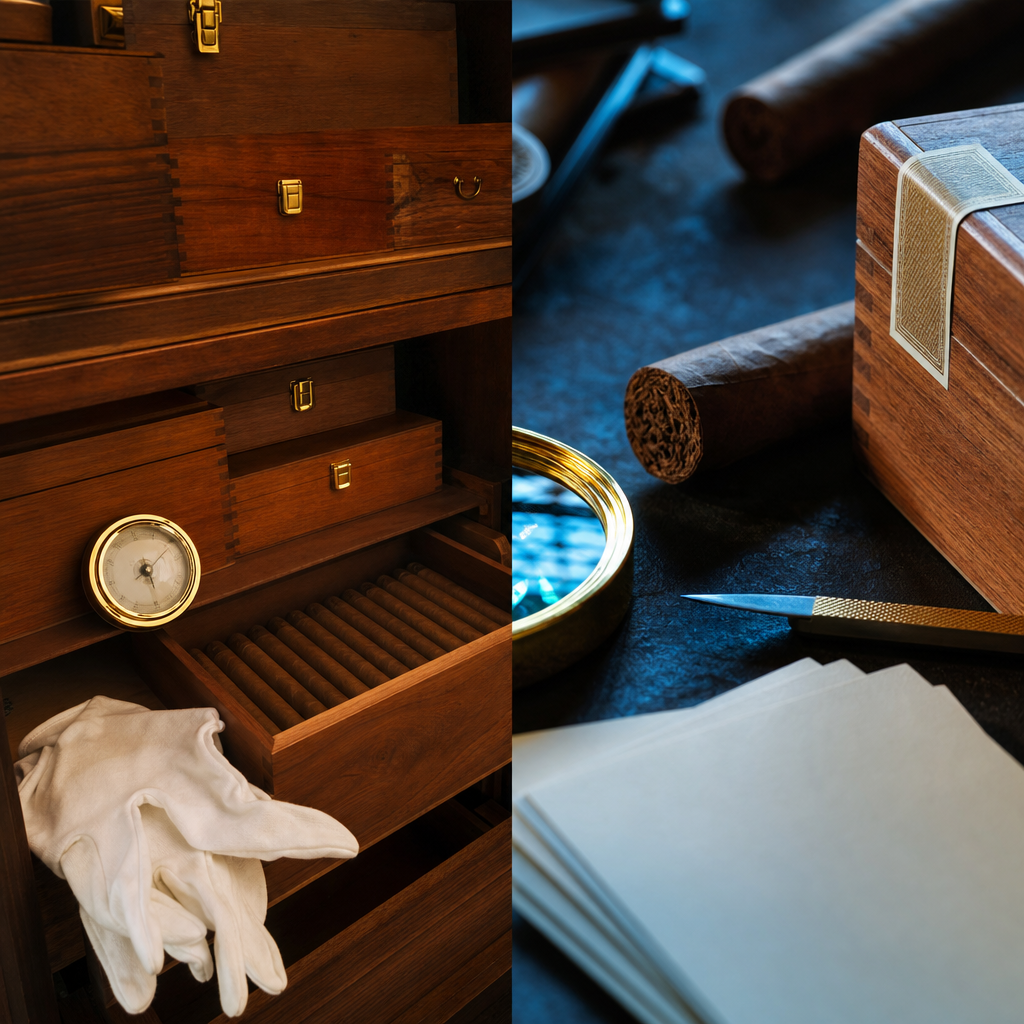
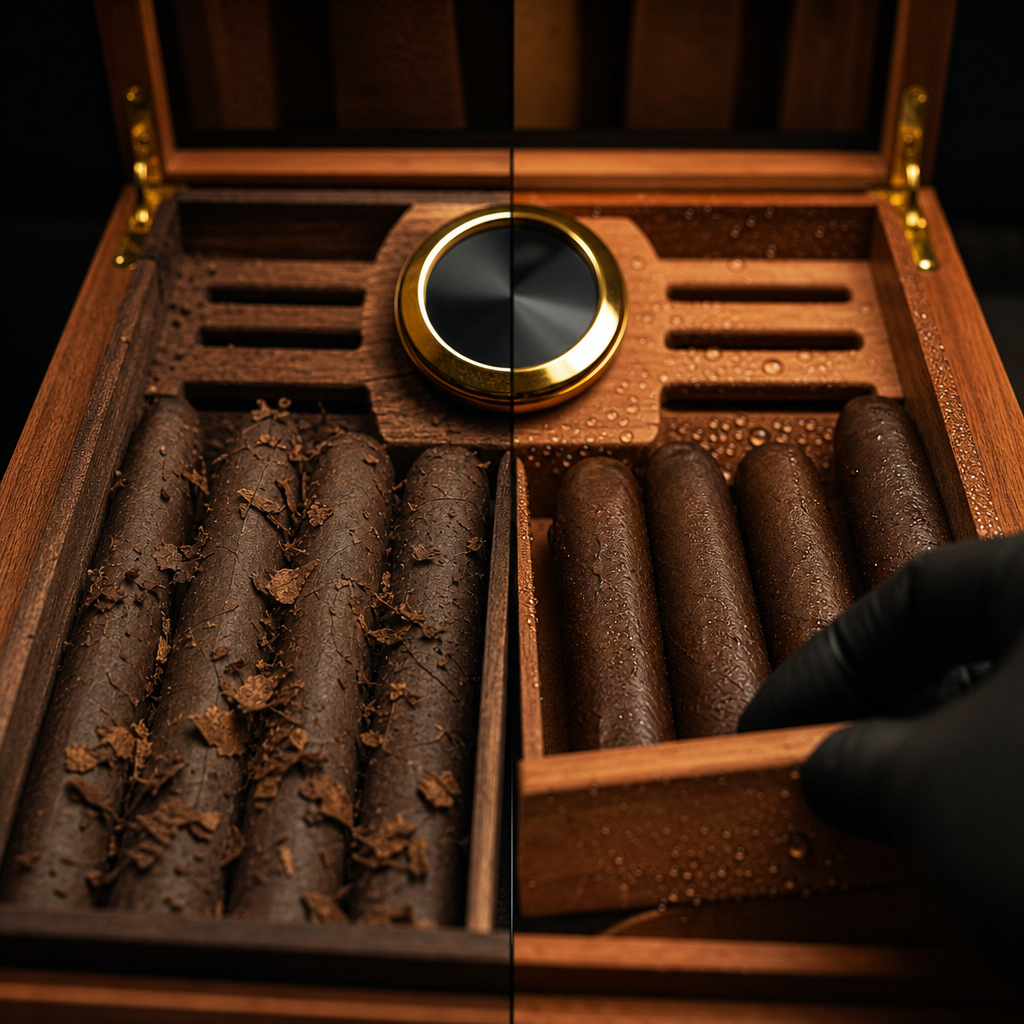
Preservation numbers are basic: common target relative humidity is about 65% to 70%, temperature about 18 to 21°C. Long-term high temperature and humidity may lead to mold, pests, or unstable burning; if too dry, the wrapper cracks, and aroma is lost. Purchase and collection should also consider the channel; PCC authorized dealers mean clearer source and circulation records. When talking about collection appreciation, I always add: it does not guarantee appreciation; it still depends on source preservation and the market. The sense of identity in collection is built on transparency and discipline, not on how mysterious the story is told.
Aging also requires rationality. Not every cigar improves with age; some medium-strength cigars perform more rounded within 2 to 5 years, but too long may lose vitality; high-strength, thick-structured styles are more likely to support longer periods. My experience is that if a novice wants to establish a small collection, they can start with 10 to 20 cigars, recording by origin and size, not chasing high-priced rare items from the start.
Contemporary Taste: Cigars Are Not Old-Fashioned, but a Choice of Slow Living
Many people think cigars are an old-fashioned symbol, only belonging to older men, business people, or movie magnates. In fact, after 2010, the global cigar culture has noticeably become younger and more focused on lifestyle. Instagram, YouTube, and professional rating media make information transparent, and Cigar Aficionado's annual list also allows more people to enter through flavor descriptions, origin knowledge, and pairing concepts.
The biggest difference between contemporary cigar taste and the past is no longer just asking "which is the most expensive," but "which is most suitable for the moment." Some like pairing Connecticut Shade with black coffee after breakfast; some like pairing Maduro with rum after dinner; others choose Lonsdale while reading, enjoying the rhythm brought by the slender size. The sophistication of modern cigar culture is not exclusionary but precisely knowing what you want.
As the editor of "Cigar Bible," I also observe an increase in female cigar enthusiasts, who pay more attention to space, aroma, and pairing details. This changes the past single imagination of "cigars equal masculine power." True gentleman culture should not stay in gender stereotypes but respect each participant's rhythm, boundaries, and choices.
Frequently Asked Questions
Do you have to choose a famous brand in social settings?
Not necessarily. Famous brands can reduce communication costs, such as Cohiba, Montecristo, Davidoff being easily recognizable, but appropriateness is more important. If time is short, choosing a stable-burning Petit Corona is more appropriate than holding a 2-hour large size you can't finish. What is truly remembered in social settings is usually not the brand but your measure.
How can beginners avoid being seen as inexperienced?
First, do the basic actions well: clean cut, even lighting, not frequent puffing, not blowing smoke at people. One puff every 45 to 60 seconds is enough, no need to rush for a large amount of smoke. If you don't understand a brand's vintage, honestly asking for advice is more natural than pretending to know.
Can cigar prices be discussed in business settings?
Yes, but not at the beginning. Prices easily turn the topic into comparison and boasting; it's recommended to first talk about origin, size, flavor, and preservation. If the other party asks, answer in a straightforward manner.
Can cigars be paired with spirits?
Yes, but balance is key. Full-bodied Maduro can be paired with rum or sherry cask whisky; more delicate Cuban cigars can be paired with black coffee, tea, or low-sweetness drinks. Strong alcohol can overpower cigar layers; beginners should start with low-interference pairings.
Does collecting cigars represent status?
Collection can demonstrate discipline and aesthetics, but it's not a badge to overpower others. If stored improperly, even rare cigars lose value; if the source is clear, humidity stable, and records complete, a small collection can also be high standard. When talking about collection appreciation, remember: it does not guarantee appreciation; it still depends on source preservation and the market.
What kind of person has the best cigar taste?
Not the one who smokes the most expensive, but the one who knows how to choose the occasion, take care of others, and respect time. Being able to smoke a cigar quietly, calmly, and with conversation is true cultural cultivation.
To me, cigars have never been just tobacco, nor a shortcut to displaying status. They are more like a mirror: reflecting how a person arranges time, treats friends, and understands history and details. When you no longer rush to prove you understand, but can let a cigar naturally integrate into the occasion, conversation, and emotion, taste truly begins. May every light-up not only be an enjoyment of flavor but also a practice of mature social measure.
—Cigar Prince Wilson Tsai
Smoking is harmful to health. Under 20 years old is not allowed to smoke. Quitline: 0800-636363. This article is for reference only for adults over 20 years old regarding cigar culture, preservation, and regulations, not a tobacco advertisement, promotion, or purchase suggestion.