The Heritage Craft of Cigars: A Perfect Blend of Tradition and Modernity
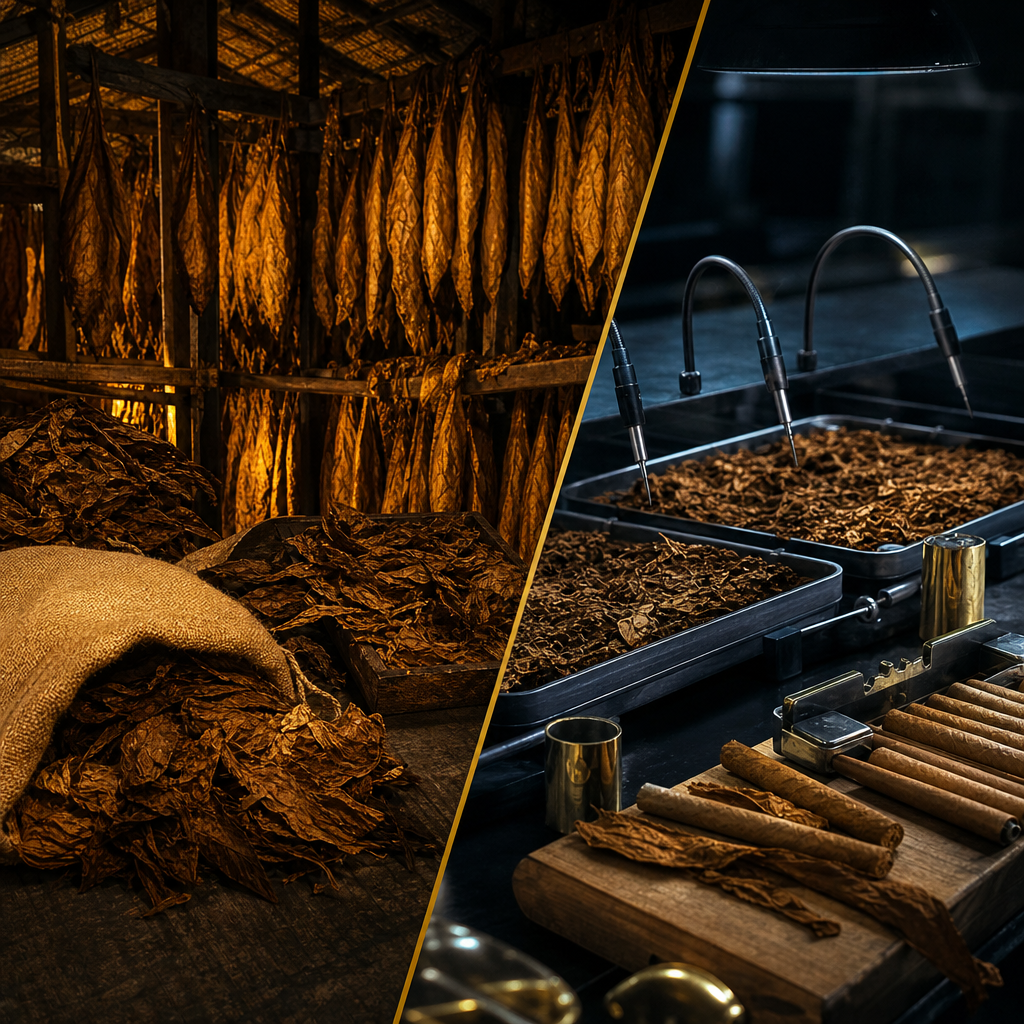
The allure of cigars lies not only in the aroma when lit but also in the long and intricate craftsmanship before it burns. From a seed to a finished product, the process can take as little as two to three years or as long as over five years, with every step determined by nature, time, and human hands.
As the editor of "The Cigar Bible," I often remind beginners: truly understanding cigars is not just about remembering brands and ring gauges, but about understanding why the leaves are fermented in such a way, why the rollers cut in such a manner, and why factories still retain seemingly slow traditional methods.
From Seed to Field: The First Choice of Cigar Flavor
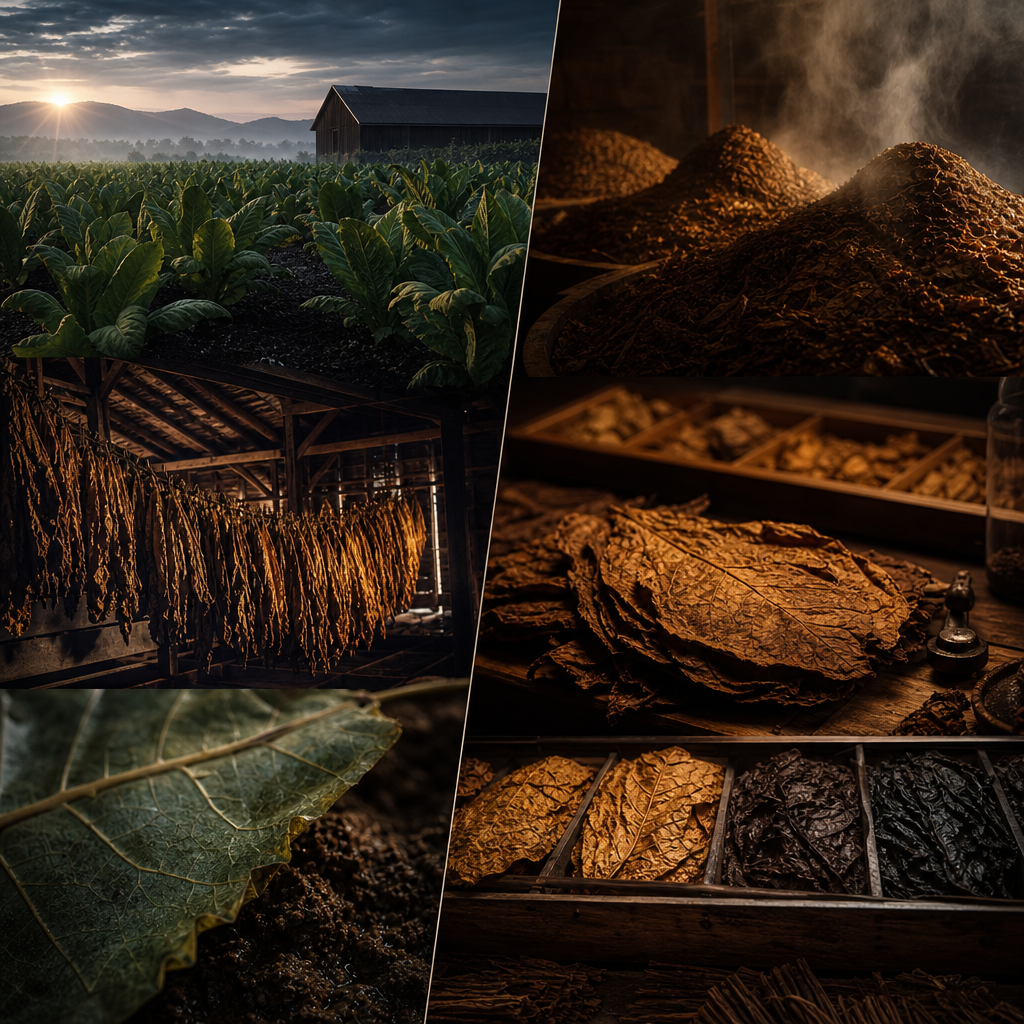
The character of a cigar is set long before it reaches the factory. Take the Vuelta Abajo region in Cuba, for example. This area in the Pinar del Río province has long been considered the core source of premium wrapper and filler leaves. Meanwhile, the Cibao Valley in the Dominican Republic, and Estelí and Jalapa in Nicaragua, with their soil minerals, day-night temperature differences, and rainfall patterns, nurture distinctly different spicy, woody, and sweet notes. A good cigar doesn't suddenly appear in a factory; its framework begins forming in the field.
Traditional farming relies on "watching the sky to eat," with sowing, transplanting, topping, and harvesting all aligned with leaf maturity. Tobacco seedlings are usually transplanted to the field at about 35 to 45 days, and mature leaves are harvested in batches by leaf position: the lower Volado burns well, the middle Seco has a delicate aroma, and the upper Ligero is the strongest. When rolling a Robusto, craftsmen often mix different leaf positions to balance burn, aroma, and thickness.
Modern technology hasn't replaced the land but has allowed farmers to understand it more precisely. Many estates now use soil moisture monitoring, pest warning systems, and seed selection databases to reduce crop risks. For example, Padrón in Nicaragua has long emphasized raw material consistency, and the stable profile of the 1964 Anniversary series relies not on a single secret formula but on grading and management starting from the fields.
Harvesting, Drying, and Fermentation: Slow Work is Not Romantic, It's Necessary
Tobacco leaves cannot be used immediately after harvesting; they must first enter the curing barn. Traditionally, leaves are threaded into strings and hung in a well-ventilated curing barn for about 45 to 60 days to decompose chlorophyll, reduce moisture content, and change color from green to yellow-brown. During this time, if the humidity is too high, mold will form; if too low, the leaves will become brittle. Thus, experienced craftsmen observe wind direction, temperature, and leaf elasticity daily. The purpose of drying and fermentation is to transform the coarse plant into an understandable aroma.
Fermentation is a deeper transformation. Tobacco leaves are piled into a pilón, where the internal temperature rises due to natural microbial activity, commonly controlled between 40 to 55°C. If the temperature is too high, the leaves may lose their aromatic oils. After Cohiba became a well-known brand in 1966, some of its tobacco leaves became famous for multiple fermentations, making the taste smoother but also requiring higher time costs and selection standards.
Modern factories use probes to monitor the center temperature of the pilón and track turning times with batch records, but judgment still relies on human hands. Master craftsmen feel the oil, softness, and "cleanliness" of the aroma when touching the leaves. Beginners who want to improve their recognition skills can start by comparing different years or sizes of the same brand, such as Montecristo No.2 and Petit Edmundo, to understand the clues in fermentation and formulation.
Grading and Blending: The Soul of a Cigar Lies in the Blend
After fermentation, tobacco leaves are graded by size, color, texture, oil content, vein thickness, and use. The wrapper must be uniform in appearance, elastic, and minimally damaged; the binder needs to support the structure; the filler is responsible for the main aroma and strength. Many novices think that a dark wrapper equals strength, but that's not always the case. Maduro often carries cocoa and sweetness, but the strength still depends on the filler ratio and Ligero usage. A cigar blend isn't about stuffing all the good leaves in but letting different leaf positions perform their roles.
Traditional blending relies on the master blender's sense of smell and memory. Take Arturo Fuente OpusX, for example. Launched in 1995, it highlighted the potential for high-quality wrapper cultivation in the Dominican Republic. Its uniqueness doesn't rely solely on concentration but on the arrangement of sweet, spicy, and woody structures. Davidoff, in the 1990s, gradually strengthened its Dominican lines, showcasing how the brand uses a cleaner, more elegant formula language to establish recognition.
Modern innovations make blends more traceable. Large factories record the origin, harvest year, fermentation frequency, and storage status of each batch of tobacco leaves, even establishing sensory scorecards. This doesn't mean craftsmanship becomes mechanized but allows blenders to maintain style amid differences in raw materials from different years. A truly mature brand doesn't taste exactly the same every year but retains its character amid natural changes.
Rolling Technique: A Simple Cut and Roll
The core technique of handmade cigars lies on the rolling table. Traditional torcedores first arrange the filler, distributing different leaves by burnability and strength, then wrap them with the binder to form a body, place it in a mold to set, and finally complete the appearance with the wrapper. Common Long Filler cigars use whole long leaves, usually offering more complete burn and aroma layers than short filler. The quality of rolling determines whether a cigar can honestly express the blend.
There are many technical details. For example, if the filler is too tight, the draw resistance will be high, and the burn may be stifled; too loose, and it burns too fast, raising the temperature and causing bitterness. A Robusto typically measures about 5 x 50, a Churchill about 7 x 47, and a Torpedo, with its tapered head, tests the evenness of the fill. If a Pirámides size like Montecristo No.2 is not precisely rolled, the tapered end can easily have draw resistance differences.
Modern factories use draw test machines to detect draw resistance, discarding unqualified bodies; some brands also use barcodes to track the roller, date, and batch. However, machines can only judge airflow values and cannot completely replace the craftsman's grasp of hand feel. Beginners observing cigars can check if the wrapper is smooth, if the cap is clean, and if the squeeze is even, as these are external signals of rolling quality.
Tradition and Modern Management: Not Opposites, but Complements
Many people, when discussing cigar craftsmanship, imagine tradition as romantic and modernization as cold; in fact, excellent factories often use both. Tradition retains human sensory judgment, such as smelling leaves, feeling moisture, and listening to burn sounds; modern management reduces errors, such as environmental monitoring, batch tracking, and quality testing. Tradition provides the soul of flavor, modern technology provides a stable framework.
Here are some key aspects to help beginners understand how the two complement each other:
| Process Step | Traditional Craft | Modern Assistance | Impact on Product |
|---|---|---|---|
| Cultivation | Farmers judge maturity by season and leaf color | Soil and humidity monitoring | Flavor foundation and harvest stability |
| Fermentation | Hand-feel leaves, smell aroma, turn piles | Temperature probes and batch records | Reduces off-flavors and irritation |
| Rolling | Torcedor adjusts tightness by feel | Draw test machines | Improves burn and airflow |
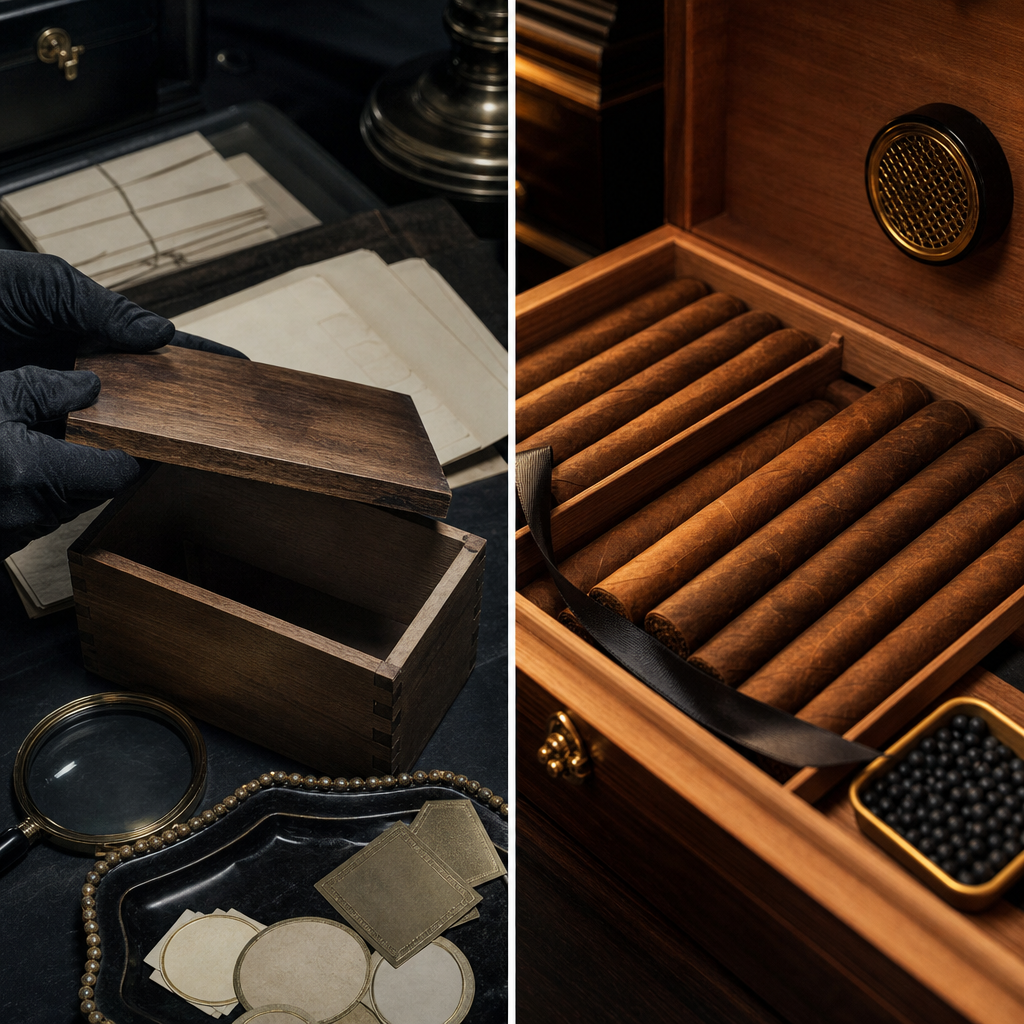
| Storage | Wooden boxes, cedar rooms, experience management | Temperature and humidity recording systems | Maintains consistent aroma and condition |
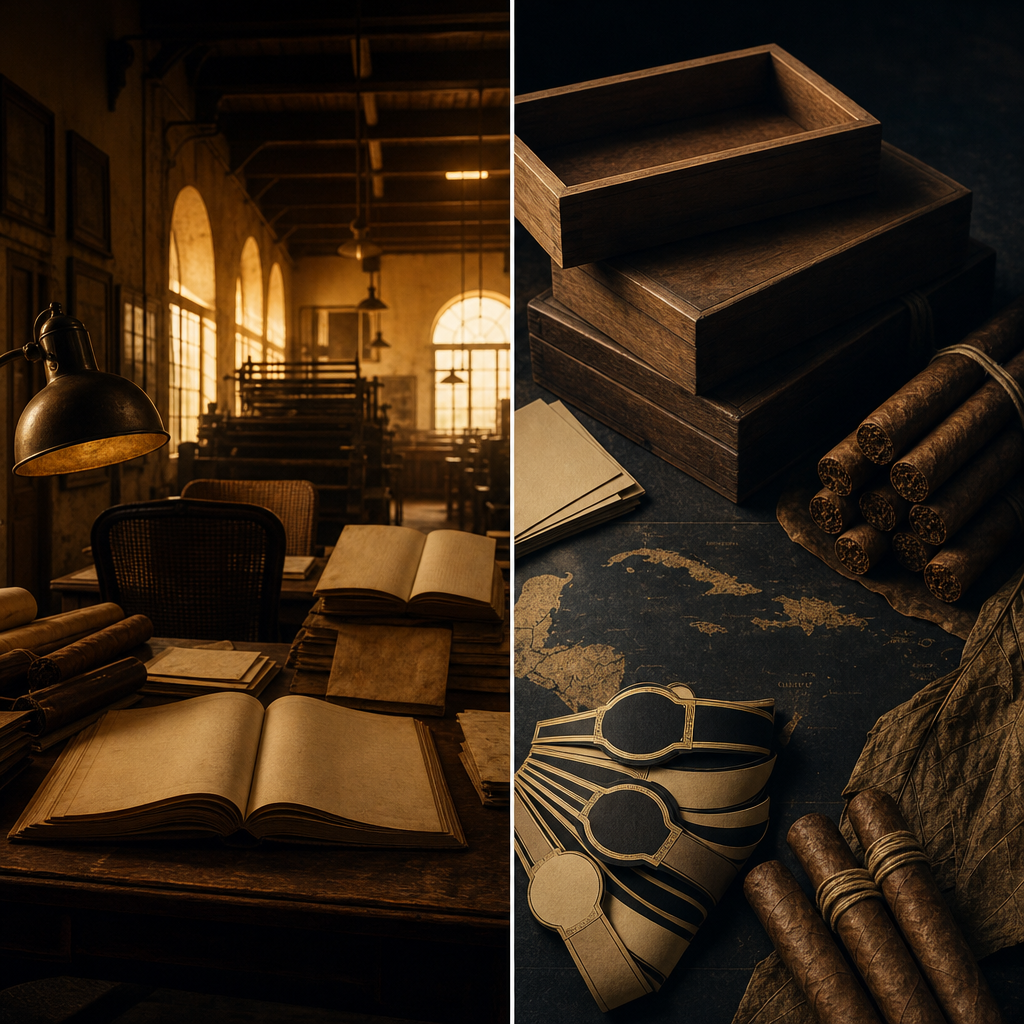
Looking at Habanos' high-end limited series, Davidoff's white label system, Oliva Serie V, or My Father and other Nicaraguan brands, modern management hasn't weakened brand personality but has made the characteristics of different regions clearer. For collectors, the market performance of rare editions doesn't guarantee appreciation; it still depends on source preservation and market conditions. If one only believes in vintage and box labels, they may overlook the truly crucial preservation state.
How Beginners Can Appreciate Cigars with a Craftsmanship Perspective
Once you understand basic puffing, the next step isn't to pursue stronger cigars but to learn to deconstruct a cigar into "raw materials, craftsmanship, and condition." Before lighting, observe if the wrapper's color is even, if the oil sheen is natural, and if the veins are delicate; after cutting, feel the clues of wood, hay, nuts, or cocoa in the cold draw. Those who understand craftsmanship won't just ask if it's good to smoke but why it presents itself in this state.
When lighting, avoid scorching the foot with the flame directly; preheat by rotating, then light evenly. The first third usually observes the opening aroma, the middle third examines if the structure unfolds, and the final third judges bitterness, heat, and balance. If a cigar suddenly becomes spicy in the middle third, it may be due to a fast puffing rhythm, high humidity, or still coarse fermentation treatment. It's recommended to take a puff every 45 to 60 seconds to maintain stable burning temperature.
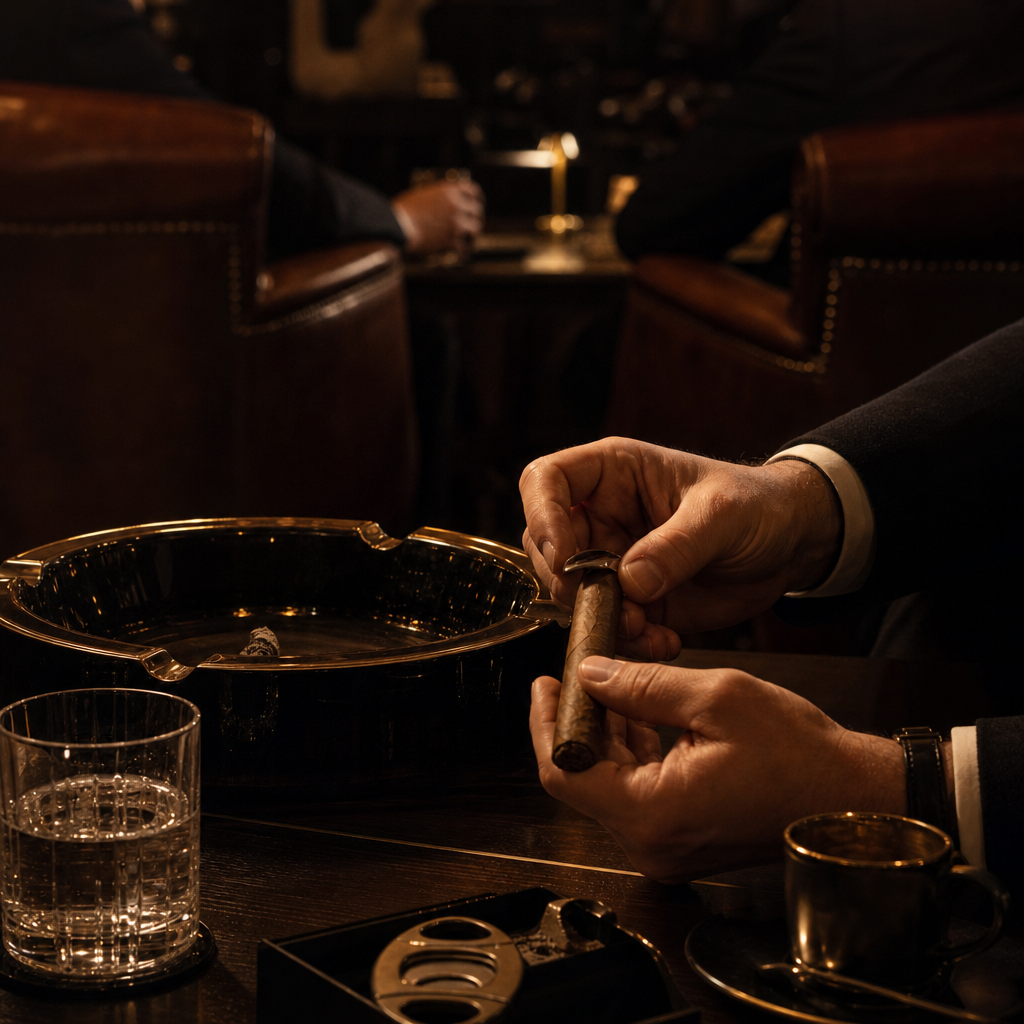
In terms of etiquette, beginners often overlook respecting space and rhythm. Cigars are not cigarettes; the ash can be kept about 1 to 2 cm to help cool down, but there's no need to show off long ash. When conversing, smoke should not be blown in someone's direction. In professional settings, pay attention to returning scissors, fire sources, and ashtrays after use; these details reveal more about one's cultivation than reciting brand names.
Common Questions
The key to understanding cigar craftsmanship is not memorizing terms but connecting each process with actual sensations. Here are some questions I often hear from beginners at the advanced stage.
1. Is a dark wrapper always stronger?
Not necessarily. A dark wrapper may result from longer fermentation or special treatment, often having cocoa, coffee, or molasses notes; but true strength mainly depends on the filler blend, especially the Ligero ratio and regional characteristics.
2. Are handmade cigars always better than machine-made cigars?
In terms of layers, burn changes, and craftsmanship performance, long filler handmade cigars usually have more depth. However, quality still depends on raw materials, preservation, rolling, and brand standards, not just the production method.
3. How long should cigars be aged to improve?
Some cigars become smoother after 6 months to 2 years of aging, but not all cigars are suitable for long-term storage. Humidity, temperature, raw materials, and original condition all affect the outcome.
4. Why do cigars from the same box taste different?
Because tobacco is an agricultural product, even the same batch may have subtle differences; plus, variations in rolling tightness, box position, and storage environment mean flavor performance won't be completely consistent.
5. Should beginners learn brands first or processes first?
It's recommended to do both simultaneously. Brands can establish a style map, and processes can help you understand the reasons. Comparing representative brands like Montecristo, Davidoff, Padrón, and Oliva will quickly build judgment.
I always believe that the most beautiful aspect of cigars is how they condense land, time, and craftsmanship into a few short hours. Tradition reminds us of human warmth, and modern technology makes quality more trustworthy; true mature appreciation doesn't blindly believe in packaging nor overlook details. When you can think of a craftsman's hand from a single leaf, you've already entered the core of cigar culture.
—Cigar Prince Wilson Tsai
Smoking is harmful to health. Under 20 years old is prohibited from smoking. Quit smoking hotline: 0800-636363. This article is for reference by adults over 20 years old for cigar culture, preservation, and regulation knowledge, not a tobacco advertisement, promotion, or purchase suggestion.