Champagne Vintages x Cuban Cigar Pairing in Depth: 1996 / 2002 / 2008 / 2012, Four Great Vintages of the Century and the Gentlemen's Philosophy of Bubbles from Top Champagne Houses
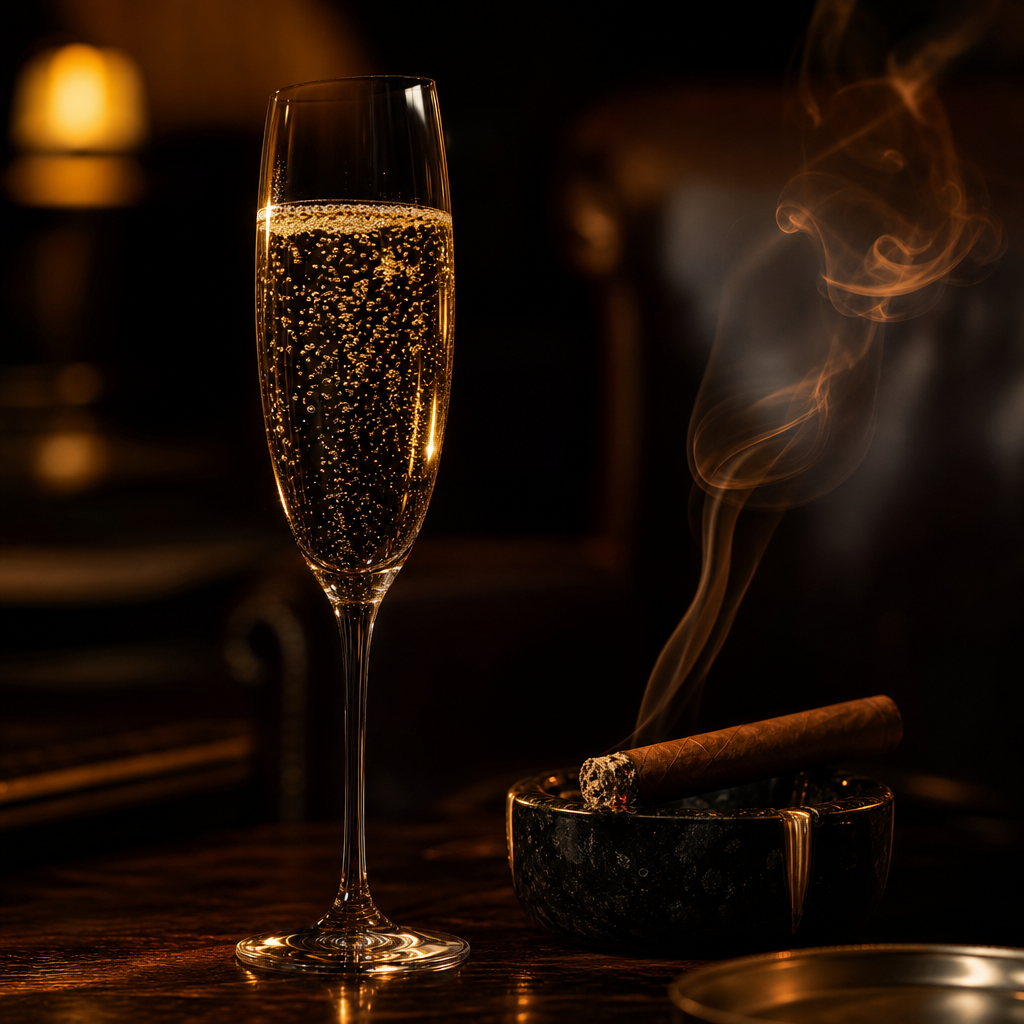
Champagne Vintages x Cuban Cigar Pairing in Depth: 1996 / 2002 / 2008 / 2012, Four Great Vintages of the Century and the Gentlemen's Philosophy of Bubbles from Top Champagne Houses
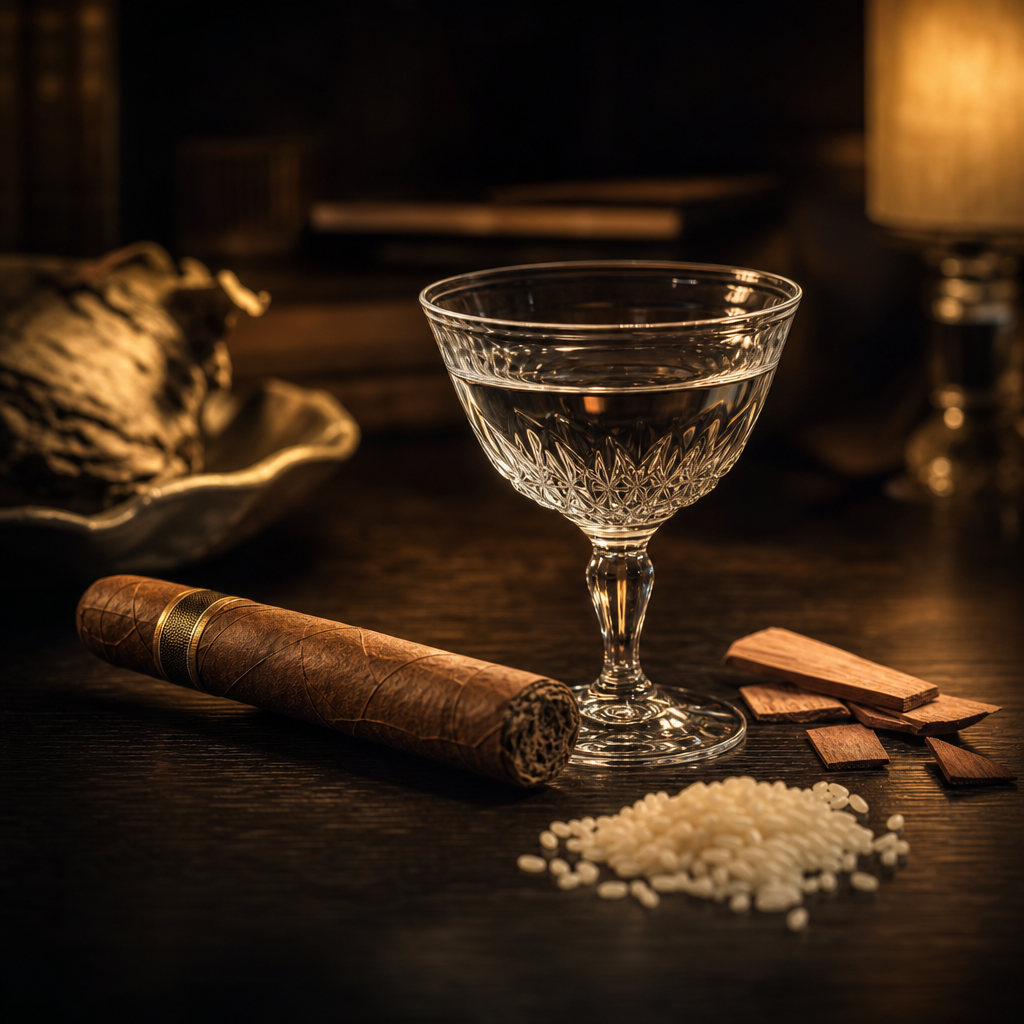
On the appreciation desk at W Cigar Bar Gentlemen's Cigar Lounge, several questions often appear: how to pair single malt, how to match Bordeaux first growths - but the pairing most often overlooked is Champagne. Not because it is unimportant, but because most people have never tried slowly lighting a Cohiba Siglo IV amid the sound of bubbles in a glass of vintage Champagne.
This article is not about NV (non-vintage) Champagne. It is about vintage Champagne - those rare wines made only in the finest years, requiring 10 to 30 years before entering their drinking window - and how they begin a gentlemen's conversation with Cuban cigars.
I. The Physical Logic of Bubbles and Smoke
The challenge in pairing Champagne with cigars lies in acidity management. Good vintage Champagne usually possesses high acidity (pH around 2.9-3.3), fine bubbles (about 100 million to 250 million bubbles per bottle), and aging potential of 15 to 30 years. These traits create a unique sensory interaction with the fatty acids of cigar oils and Maillard reaction byproducts:
The carbon dioxide in the bubbles creates a slight stimulation on the oral mucosa, briefly clearing the oily residue left by the previous draw of smoke, making the aromatic layers of the next draw clearer and easier to distinguish. This is the core advantage of Champagne as a cigar-pairing beverage. It is a physical effect that Port or whisky cannot replicate - the latter two layer flavors, while Champagne resets and amplifies them.
The problem, however, is selection: NV Champagne has a thinner structure and can easily be "eaten up" in front of a rich Cuban cigar - the acidity is neutralized by the cigar oils, the sensation of bubbles disappears, and only a watery impression remains. Vintage Champagne is entirely different: with a higher concentration of extract and a more stable mineral backbone, it can sustain an equal dialogue with a cigar.
II. In-Depth Look at Four Great Vintages of the Century
1996 Vintage: The Legendary Acidity Year
1996 is widely recognized as one of the top vintages in modern Champagne history. That year, an extreme late-summer heatwave and ideal autumn coolness allowed the grapes to achieve an astonishing balance of sugar and acidity. 1996 vintage Champagne is known for its "taut steel wire" character - its high-acid structure gives it 20-30 years of aging potential, and many houses' 1996 vintages have still not reached their drinking peak even today (2026).
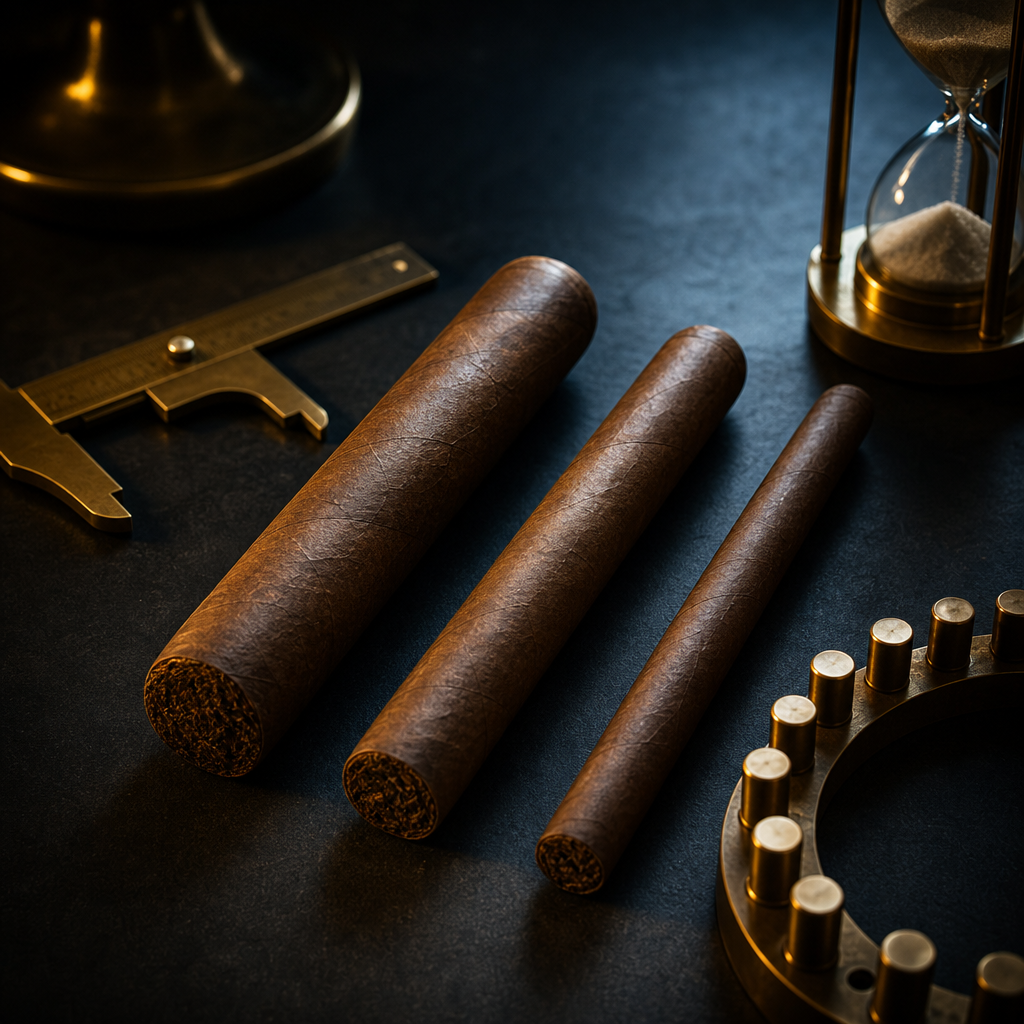
Pairing recommendation: Cohiba Lanceros (Laguito No.1, 38 ring gauge, 192mm). The high acidity and delicacy of 1996 echo the elongated smoke channel and light style of Lanceros - do not pair 1996 with an overly powerful cigar, as its refinement will be overwhelmed. Delicacy with delicacy is the proper way for this vintage to converse.
2002 Vintage: The Rich and Balanced Year
2002 is called by many Champagne enthusiasts "the most perfect vintage of the past 20 years." The growing season was almost flawless: no frost damage, no mildew, and uniform ripeness. The wines produced have the structural feel of 1996, with an added roundness and richness - peach, cream, toasted hazelnut, and a strong mineral undertone. Krug 2002, Dom Pérignon 2002, and Salon 2002 are all regarded as modern representative works of their respective houses.
Pairing recommendation: Montecristo No.2 (Pirámide format, 52 ring gauge, 156mm). The complex layers of Montecristo No.2 and the rich structure of 2002 vintage Champagne form a perfect balance - both sides have sufficient complexity, yet neither covers the other. This is a pairing philosophy of "complexity against complexity."
2008 Vintage: The Year of Balance and Aging
2008 initially looked poor - heavy rain in August once caused concern - but in the end, September sunshine turned the situation around. The wines produced show outstanding balance, moderate acidity, and fully ripe fruit, making it an excellent vintage currently (2026) entering its best drinking window. Dom Pérignon 2008, Krug 2008, and the base wine for Bollinger RD all display extraordinary quality.
Pairing recommendation: Partagás Serie D No.4 (Robusto, 50 ring gauge, 124mm). The rounded body of 2008 can withstand the strength of Serie D No.4, while the acidity of the bubbles perfectly cleanses the palate between each draw, making the dark fruit and earthy notes of Partagás more three-dimensional. This is a pairing rhythm of "bubbles cleanse, strength unfolds."
2012 Vintage: The Rare Low-Yield Year
2012 was a low-yield vintage - frost damage and a wet, cold spring greatly reduced production, but the surviving fruit was of extremely high quality: high sugar, dark fruit aromas, and a taut mineral character. This is a "cellaring-type" vintage suited for long-term aging, and many top 2012s are still aging at present (2026), not yet having reached their optimal drinking window.
Pairing recommendation: Cohiba Behike BHK 52 or BHK 54. The rarity of 2012 echoes the scarcity of Behike. This is not merely a flavor pairing, but also a conversational ritual between gentlemen's collectibles - both require waiting, and both are worth waiting for.
III. Comparison of Top Houses
Krug: The Most Complex All-Rounder
Krug Grande Cuvée is known for using base wines from more than 10 vintages, with aromatic layers including toast, honey, dried fruit, and crushed stone. Vintage Krug (such as 2002 and 2008) is currently one of the Champagnes most capable of conversing with Cuban cigars - its complexity is sufficient, so it does not lose color in front of a cigar. Instead, after the bubbles fade, it leaves a lasting mineral finish that forms a double resonance with the woody aftertaste of the cigar.
Recommended pairing: H. Upmann Sir Winston (Prominente, 49 ring gauge, 194mm) - both are "abundant maximalists" in their respective fields, whether in aromatic layering or appreciation duration, and they operate on the same scale.
Dom Pérignon: The Elegant Conversationalist
Dom Pérignon is known for its "Plénitude" (maturity) philosophy, with each vintage released at three different moments: P1 (initial release), P2 (second stage of maturity, around 15 years later), and P3 (third stage, 20-25 years later). The mineral character and beeswax aroma of a bottle of Dom Pérignon P2 2004, paired with Trinidad Fundadores (Laguito Especial, 40 ring gauge, 192mm), is a near-perfect combination - lightness against lightness, depth against depth.
Bollinger RD: The Champagne Best Suited to Powerful Cigars
Bollinger RD (Recently Disgorged) is known for its extremely long lees-contact aging, usually released only after 12-15 years. Toasted walnut, cream sauce, and complex oxidative aromas, paired with a heavyweight Robusto such as Bolívar Royal Coronas (50 ring gauge, 124mm), form a classic example of "strength against strength" in Champagne pairing. Bollinger's Pinot Noir-dominant, weighty backbone is precisely the structure that can correspond to the power of the Partagás and Bolívar series.
Salon: The Aesthetics of the Singular
Salon is one of the very few houses in Champagne that produces only a single wine - Blanc de Blancs, made solely from Chardonnay from Le Mesnil-sur-Oger, with a vintage released only when conditions are sufficient (about 3-4 vintages every 10 years). Its mineral character, white-flower aroma, and almost ascetic line of acidity, paired with Cohiba Coronas Especiales (Laguito No.2, 38 ring gauge, 152mm), is the most "minimalist" combination in Champagne pairing - both trade extreme restraint for extreme precision.
IV. Basic Pairing Matrix
| Champagne Style | Recommended Cigar | Pairing Principle |
|---|---|---|
| High-acid and delicate (1996, Salon) | Lanceros, Coronas Especiales | Shared lightness, resonance in details |
| Rich and balanced (2002, Krug Vintage) | Montecristo No.2, Siglo IV | Balance against balance, mutual support |
| Rounded and mature (2008, Dom Pérignon P1) | Serie D No.4, Hoyo Epicure No.2 | Bubbles wash away oils, resetting each draw |
| Weighty and oxidative (Bollinger RD, long-aged 2012) | Bolívar, Partagás Lusitanias | Strength against strength, neither side compromises |
Conclusion: Bubbles Are the Invisible Deconstruction Tool of Cigar Appreciation
If whisky is the long-term companion of cigars, and Port is the dinner-table partner, then vintage Champagne is the most underestimated "flavor analyst" in cigar appreciation - it does not seek to compete with the cigar, but uses each tiny bubble to reawaken your sensitivity to the next draw of smoke.
In the appreciation space of W Cigar Bar, we occasionally open a bottle of vintage Champagne for a special gentlemen's moment. Each time, a member says: "So cigars can be paired with Champagne."
It turns out they always could.
--
Sourcing channels: Cuban cigars from four official channels (PCC authorized dealers, official state-run stores in Cuba, Swiss general distributor, Spanish general distributor).
LUBINSKI accessories official website: https://cigarclub.tw/
Appreciation reservation: https://share.google/d9NIeFEetij9qWKj0
This site is for adults aged 20 and above only. Smoking is harmful to health. Smoking cessation hotline: 0800-636363.
W Cigar Bar Gentlemen's Cigar Lounge, written and planned by Cigar Prince Wilson Tsai.