José L. Piedra Complete Brand Deep Dive: The Remedios Legend of an Asturias Family in the 1880s
José L. Piedra Complete Brand Deep Dive: The Remedios Legend of an Asturias Family in the 1880s
The story of Cuban cigars is usually dominated by the shining names of Havana: Cohiba, Partagás, Montecristo. But outside Havana, in the central provinces, there once existed in the late 19th century a brand locals called "the true Cuban taste." It came from a family that crossed the Atlantic from Asturias, Spain, took root in a small town called Remedios, and ultimately became "the best-selling cigar brand outside the capital" in Cuban history.
That brand was José L. Piedra.
The Asturias Family and the Choice of Remedios
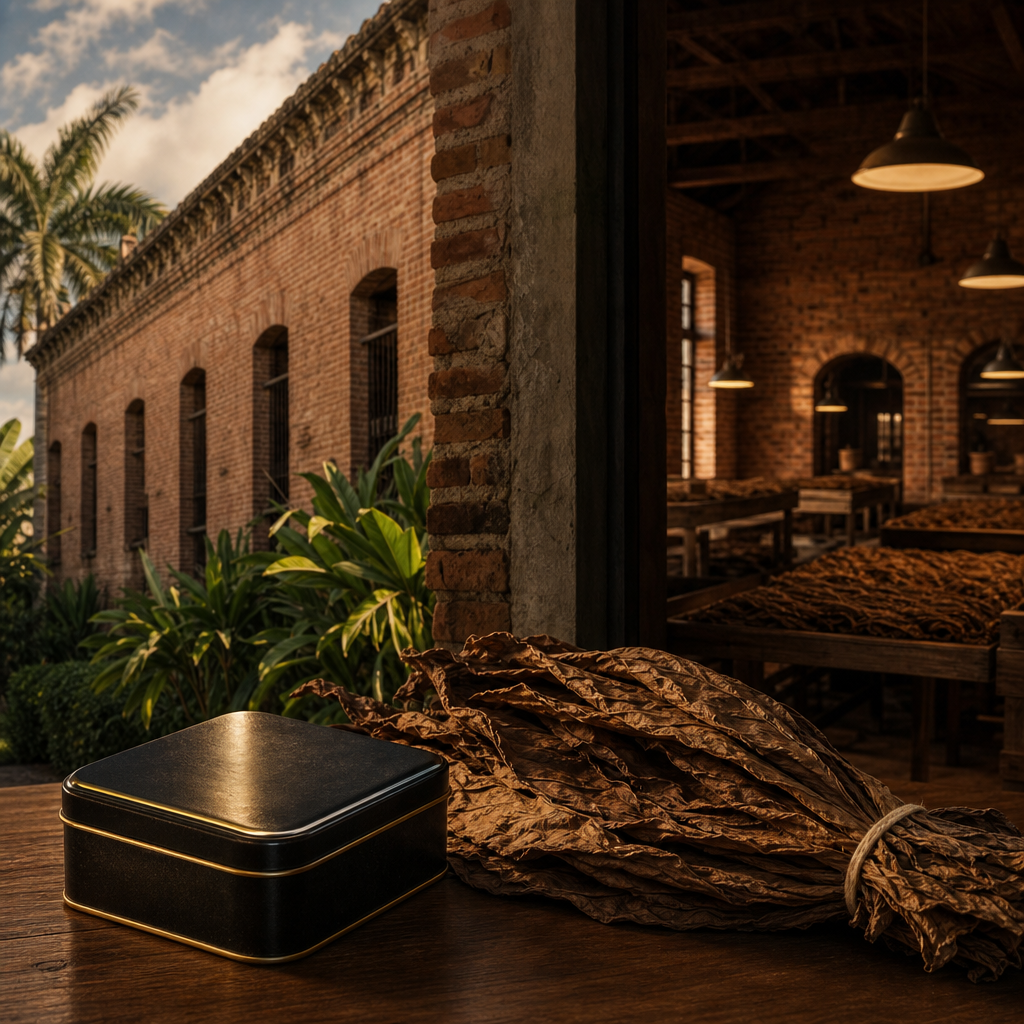
In the 1880s, the Piedra family crossed the sea from the Asturias region of northwestern Spain and arrived in Cuba. They did not head straight for Havana like most cigar merchants, nor did they choose Vuelta Abajo in Pinar del Río, the "golden cigar region" made world-famous by Cohiba and Montecristo.
The Piedra family chose the Vuelta Arriba region, the town of Remedios in Villa Clara Province.
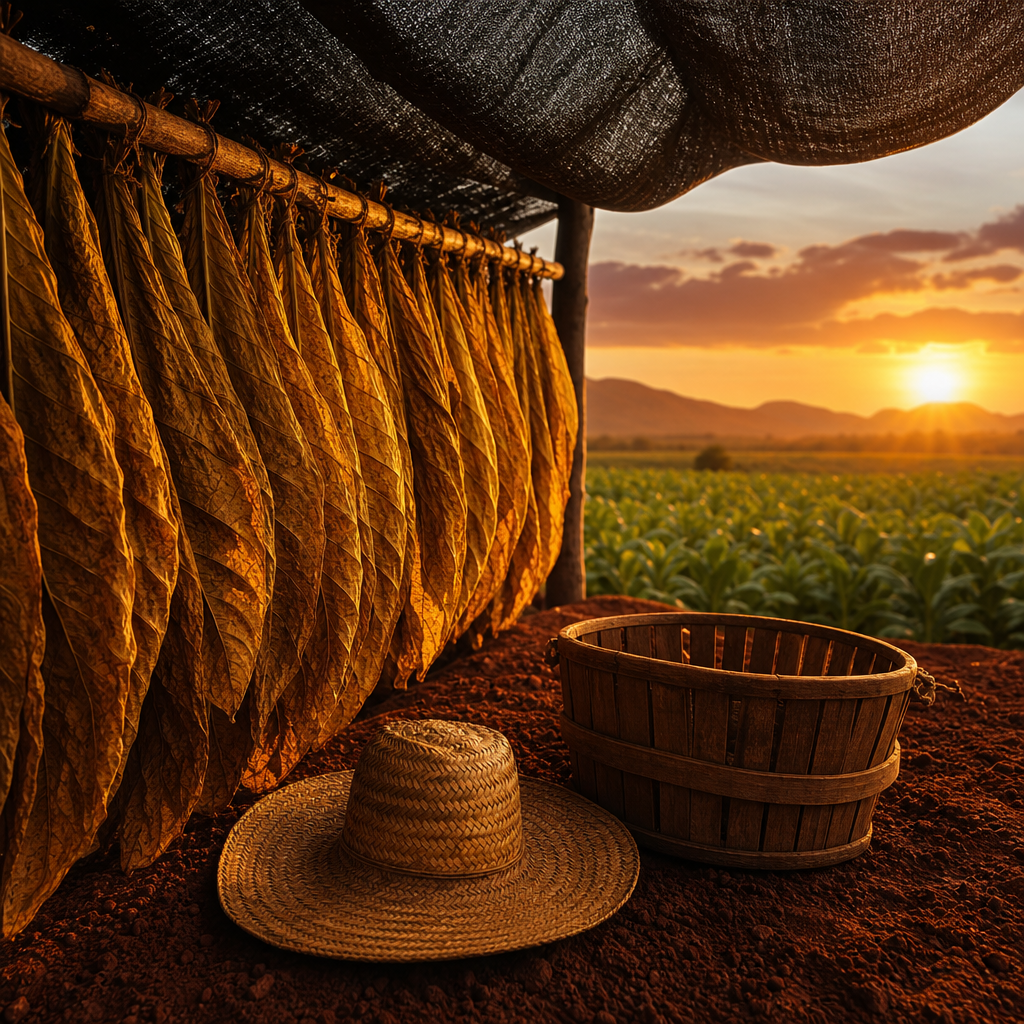
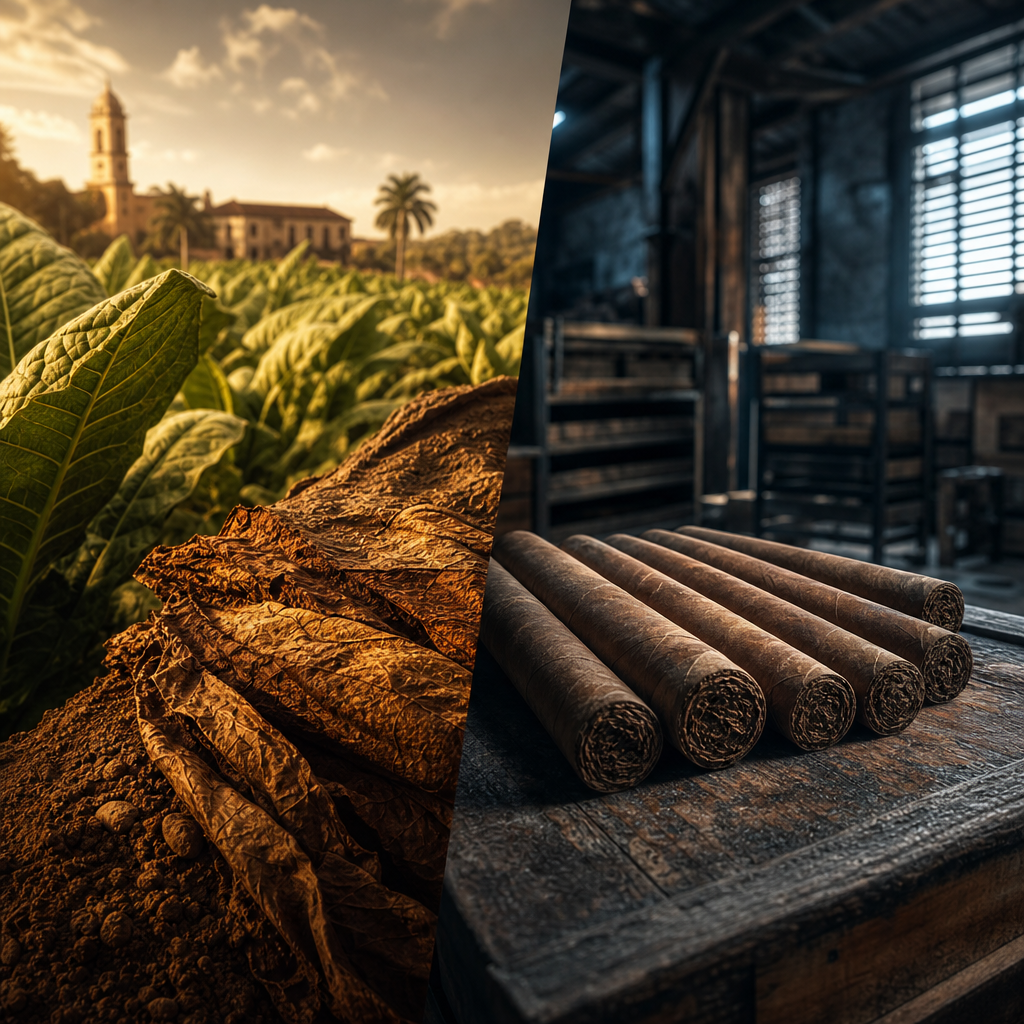
This was a decision with a personal character. In the Cuban industry, Vuelta Arriba tobacco was generally regarded as second tier, but the Piedra family clearly saw its potential: tobacco from the Remedios area had a distinctive full-bodied texture, with earth, wood, and a slight gamey note. Compared with the refinement of Vuelta Abajo, it was more rustic and direct, better suited to everyday appreciation by the broader public than to elite ritual consumption.
The factory was built at Calle Máximo Gómez No. 5, Remedios. From the late 19th century to the mid-20th century, this address became an underrated but indispensable coordinate on the entire map of Cuban cigars.
The Glory of the Late 19th Century: The Leading Brand Outside Havana
After founder José Lamadrid Piedra and his brother Vicente Piedra established themselves in Remedios, the brand quickly expanded its sales across the central and eastern provinces of Cuba.
By the end of the 19th century, José L. Piedra had achieved a noteworthy accomplishment: outside Havana, it was the best-selling cigar brand in all of Cuba.
The reasons were clear: the price was accessible, the quality was sufficiently stable, the tobacco did not have to rely on the expensive raw materials of Vuelta Abajo, and the factory had a complete local supply chain. For most ordinary Cuban workers, farmers, and small merchants at the time, José L. Piedra was the cigar they smoked every day, not to display status, but for pure everyday enjoyment.
The Peak Years: 11 Sizes in the 1940s-1950s
The brand reached its most prosperous period from the 1940s to the 1950s, led by José Lamadrid III (the third-generation successor). The full line expanded to 11 sizes, and the brand opened up the U.S. export market, achieving considerable sales volume.
José L. Piedra in this period was a true "brand for the people." It was not an elite cigar, but it was by no means cheap or inferior. Rather, it was an honest manufacture between the everyday and the ceremonial, representing the broadest layer of Cuban cigar productivity before the Revolution.
Revolution, Nationalization, and Disappearance
After the Cuban Revolution in 1959, all private cigar manufacturers were nationalized, and the Piedra family factory was incorporated into the Cubatabaco system. During the planned-economy restructuring after the Revolution, José L. Piedra was gradually marginalized. Resources tilted toward major export brands such as Cohiba, Partagás, and Montecristo; the scale and output of the Remedios factory were compressed; the brand had almost vanished by the 1980s, and was officially discontinued in the early 1990s.
This period of silence was not rare in the history of Cuban cigars: many brands that had once been brilliant outside Havana were quietly eliminated during the post-Revolution nationalized consolidation. José L. Piedra was not the only one, but its disappearance was especially regrettable, because it represented the only true standard-bearer of the Vuelta Arriba region within the entire landscape of Cuban cigars.
The 1996 Revival: Repositioning as a Popular Brand
In 1996, Habanos S.A. relaunched José L. Piedra, returning it to the market with the most accessible positioning in the Cuban cigar line.
The six sizes released in 1996:
| Size Name | Ring Gauge | Length |
|---|---|---|
| Brevas | 42 | 133 mm |
| Cazadores | 43 | 152 mm |
| Conservas | 44 | 140 mm |
| Cremas | 40 | 136 mm |
| Petit Cetros | 38 | 127 mm |
| Nacionales | 42 | 134 mm |
In 2019, Habanos S.A. added Petit Caballeros to the brand. This was the brand's first line expansion after the 21st century began, and also a move to test modern consumer response in the short-format cigar market.
Flavor Characteristics: The Rustic Honesty of Vuelta Arriba
The flavor profile of José L. Piedra is rooted in the characteristics of Remedios tobacco, and differs clearly from Vuelta Abajo brands:
Tobacco foundation: Vuelta Arriba (Remedios) soil. The tobacco is thick, and the fermentation path is more direct, unlike Vuelta Abajo tobacco, which undergoes multiple layers of meticulous leaf selection.
Main flavor notes: Earth, dry wood, and a little pepper. The creamy or coffee-like sweetness commonly found in Vuelta Abajo brands appears less often; overall it is more plainspoken and direct.
Strength: Medium to light, suitable for beginners and for everyday appreciation by those who do not seek a powerful sensation. It is also suitable as a warm-up role for the first cigar after a meal.
Comparative appreciation value: José L. Piedra is a "regional comparison tool." Comparing it with a Montecristo No.4 makes it possible to clearly sense the terroir difference between Vuelta Abajo and Vuelta Arriba tobacco; comparing it with Quintero allows one to observe the different factory philosophies and tobacco characteristics of two popular Cuban brands.
Its Place in the Contemporary Habanos System
Today's José L. Piedra remains an official member of the Habanos S.A. brand list. It represents a unique position within the Habanos system: providing an honest entry-level option for consumers who want legal Habanos Cuban cigars but have a limited budget.
In the Taiwan market, José L. Piedra is not widely distributed. Most members' understanding of this brand remains only at the level of the name, with relatively few real opportunities for appreciation. This scarcity, in turn, adds a low-key sense of exploration to appreciation. Those who can find a box of Cazadores often have a deeper-than-average understanding of the regional map of Cuban cigars.
Conclusion: The Old Soul of Remedios
The most important brands in history are often not the most expensive ones, but the ones that have burned in the mouths of the greatest number of people. José L. Piedra is one of the few brands in Cuban cigar history that truly started from a non-Vuelta Abajo region and stepped onto the historical stage through solid craftsmanship.
The Piedra family's Asturias lineage, the rustic tobacco of the Remedios land, the silence after the Revolution, and the revival in 1996 -- this line of history tells us that the greatness of Cuban cigars belongs not only to Havana, but also to those brands that quietly made cigars in the central provinces and burned in the mouths of ordinary people for an entire century.
The next time you see a box of José L. Piedra Cazadores deep in a warehouse or in the corner of an old-school cigar merchant, you might select one for appreciation and think of Calle Máximo Gómez No. 5, the place in Remedios where that Asturias family chose to settle in the 1880s.
--
Procurement sources: Cuban cigars from four major official channels (PCC authorized distributors, official Cuban state-run stores, Swiss general agent, Spanish general agent).
LUBINSKI accessories official website: https://cigarclub.tw/
Appreciation reservation: https://share.google/d9NIeFEetij9qWKj0
This site is for adults aged 20 and above only. Smoking is harmful to health. Smoking cessation hotline: 0800-636363.
W Cigar Bar Gentleman's Cigar Lounge, written and planned by Cigar Prince Wilson Tsai.