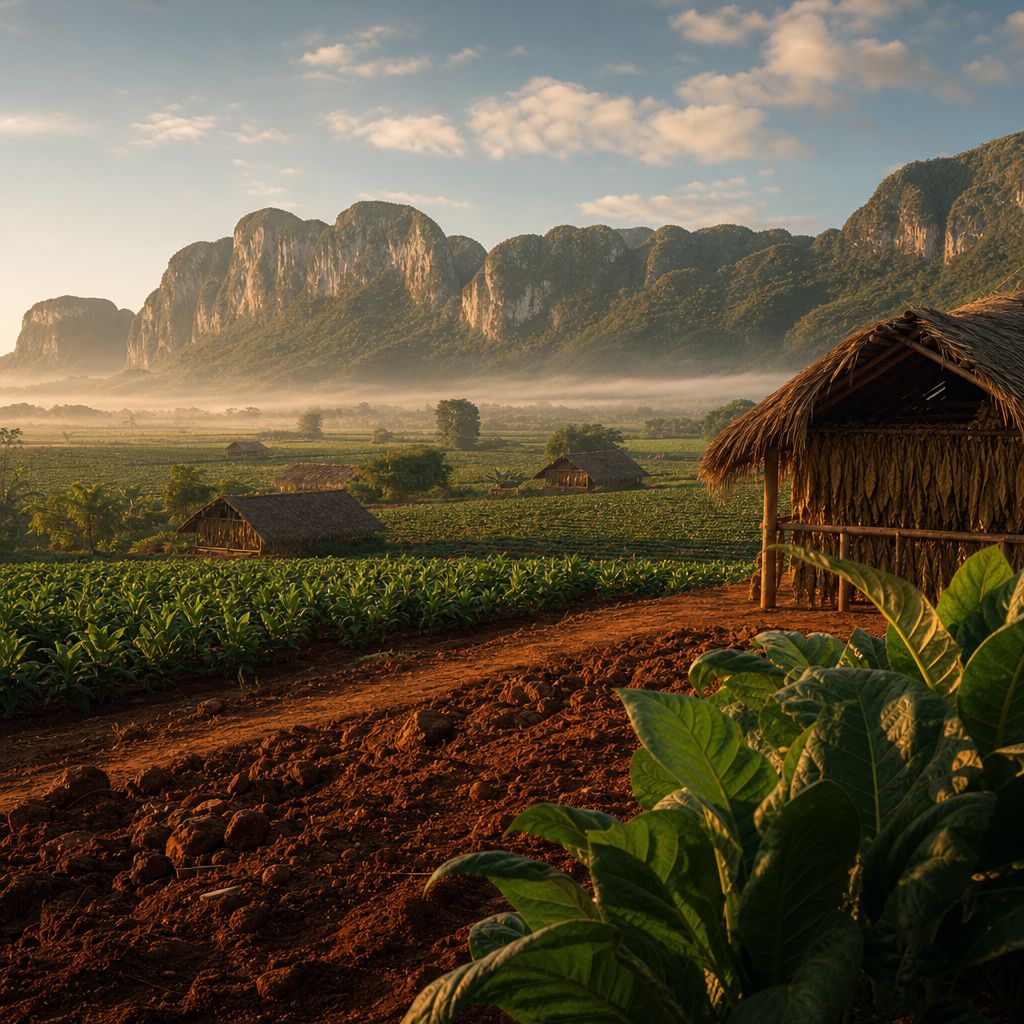
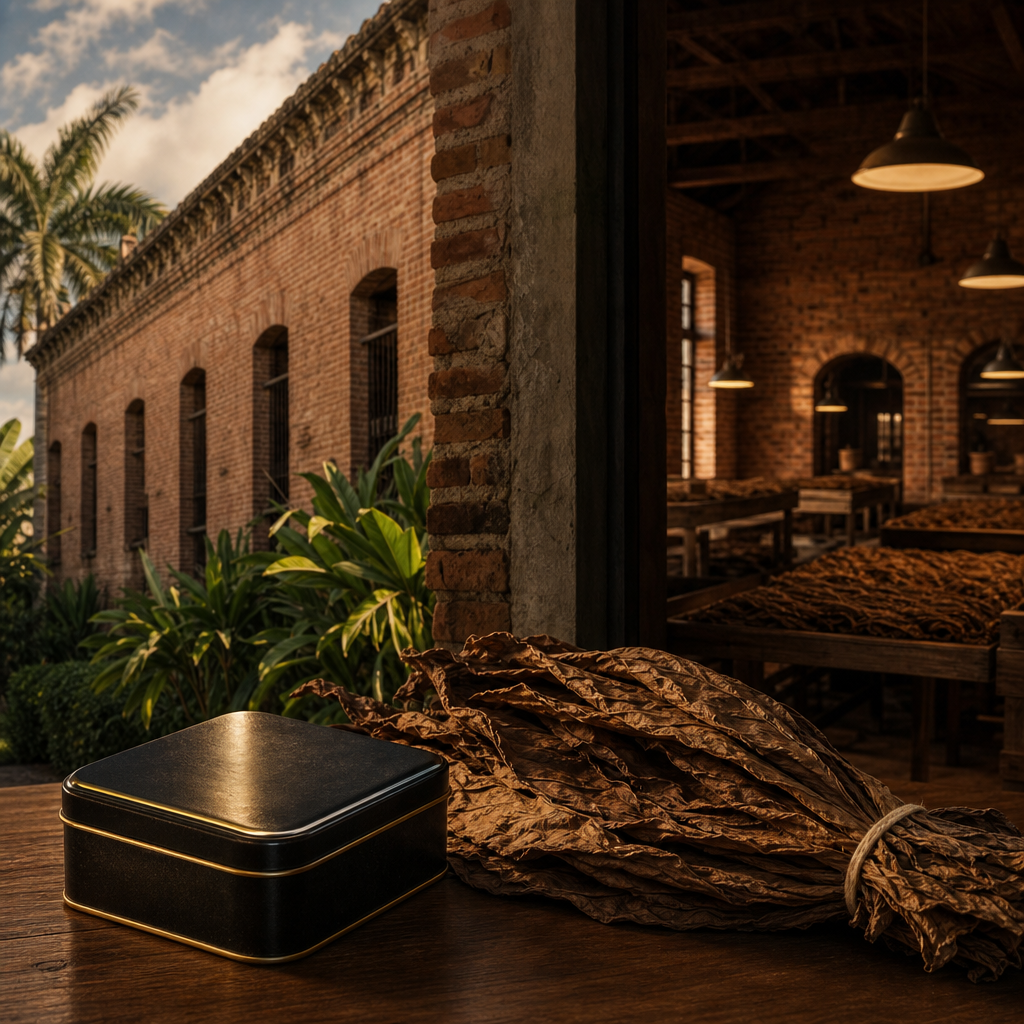
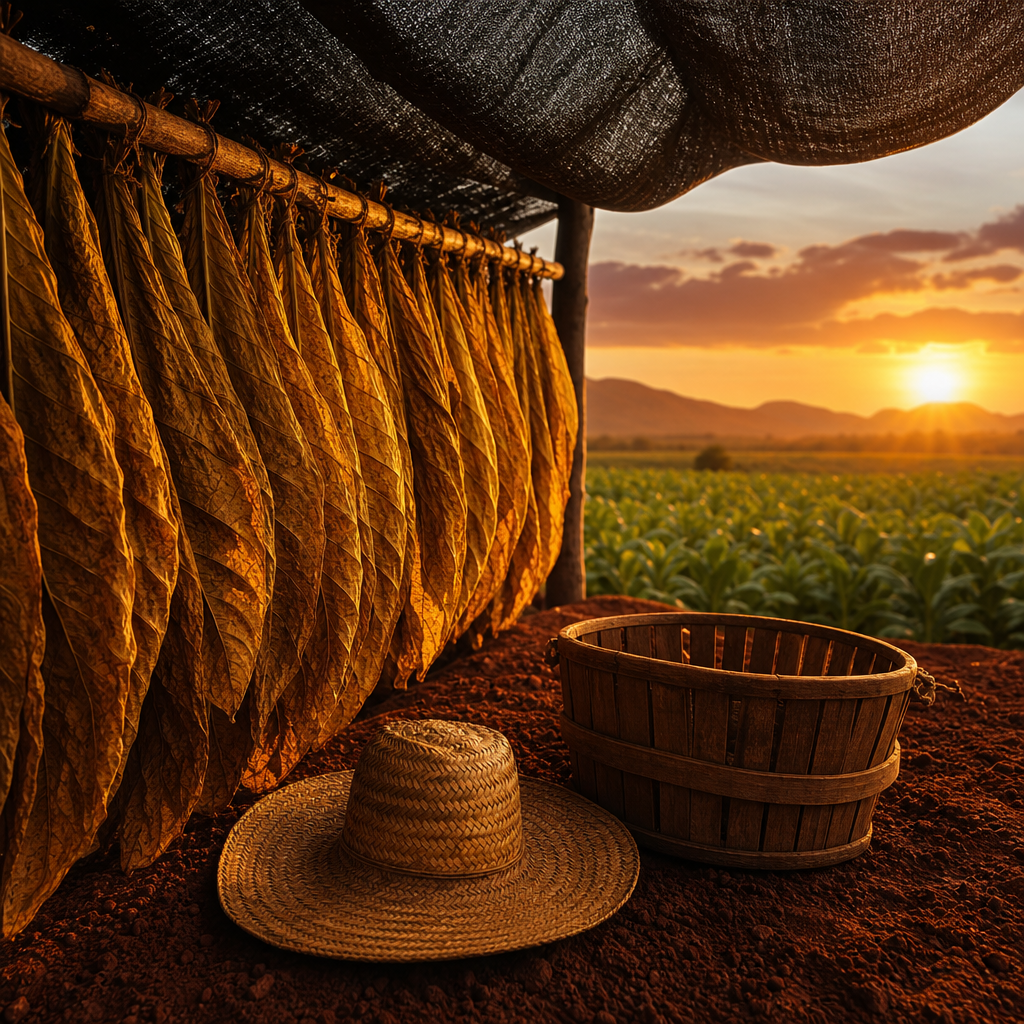
Complete In-Depth Guide to Cuba's Top 4 Cigar Factories
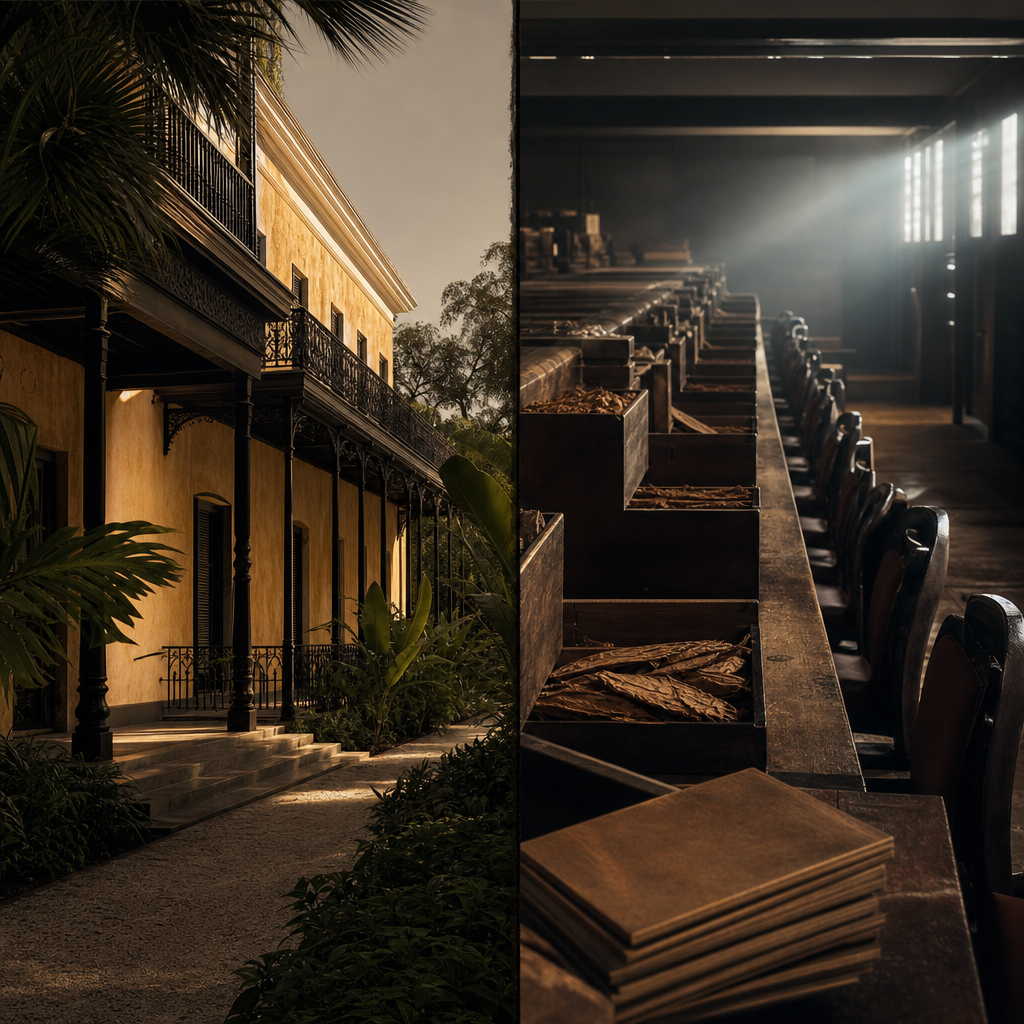
Complete In-Depth Guide to Cuba's Top 4 Cigar Factories
The Cuban cigar industry has 7-8 cigar factories in operation, but the industry's commonly recognized "top 4" are El Laguito, Briones Montoto, Francisco Pérez Germán, and La Corona. These four account for the vast majority of Cuba's high-end cigar production capacity. Understanding them is what it means to truly understand the factory geography of Cuban cigars.
Factory 1: El Laguito - The Home of Cohiba
Historical Background
Location: the Cubanacán district in the western suburbs of Havana, originally the aristocratic villa Quinta del Pino. In 1966, the Castro government converted this villa, built in 1928, into a cigar factory dedicated to Castro's personal cigars and later to Cohiba. Some early sources write 1961 or 1962, but the factory's official start of production was 1966.
Why El Laguito was chosen: the villa was quiet and secluded, suitable for the secret production of Castro's personal cigars; the original aristocratic building had spacious interiors; and its location was far from downtown Havana, making it easier to control.
Special Status
The only factory focused on Cohiba:
- 1966-1982: produced only Castro's private Cohiba cigars and cigars for diplomatic gifts
- From 1982 onward: Cubatabaco publicly launched commercial Cohiba, and El Laguito opened production for all Cohiba series (Línea Clásica, Línea 1492, Maduro 5, Behike, Siglo VI)
- Quota system: output is far below demand
Industry consensus: Cohiba produced by El Laguito represents the highest-quality batches. Cohiba made under contract by other factories is considered slightly inferior by some seasoned aficionados, though there is no official quality distinction.
Famous Artisans
The chief artisan (Torcedor Mayor) at the El Laguito factory is responsible for rolling Cohiba flagships. Most are top-level artisans, and some are hereditary, with three generations - grandfather, father, and daughter/son - rolling cigars. Norma Fernández and others are representative legendary female artisans in the Cohiba circle. Fewer than 20 designated Rollers are qualified to roll the Behike series, making it one of the strictest talent thresholds in the modern cigar industry.
Box Code
Factory codes widely circulated in the industry (Habanos does not publish official correspondences; these are compiled by collector communities):
- EL = El Laguito
Main Products
The full Cohiba range (Línea Clásica, Línea 1492, Maduro 5, Behike), Trinidad (some series, a sister brand to Cohiba).
Factory 2: Briones Montoto - The Family Legacy of H. Upmann
Historical Background
Origin: in 1844, Hermann Dietrich Upmann (a German banker) established the H. Upmann factory in Havana. Location changes: from 1844-1875, it was in an early location near Industria Street; from 1875 onward, it moved to Carlos III Avenue. After nationalization following the 1959 Revolution, it was renamed Briones Montoto (in commemoration of a revolutionary hero). Modern location: the Centro Habana district of Havana.
The Factory's Special History
The H. Upmann factory is one of the oldest traditional strongholds of the Cuban cigar industry, with continuous operation for 180+ years. Multiple generations of Cuban artisans have worked here, and aged "old H. Upmann" items command very high values at auction houses. JFK's 1,200 H. Upmann Petit Coronas came from this factory. On the eve of signing the Cuban Trade Embargo on 1962/2/7, JFK purchased this batch of cigars through press secretary Pierre Salinger, creating a legend in world cigar history.
Box Code
- BSM = Briones Montoto
Main Products
The full H. Upmann range (Magnum 46, Connoisseur, Sir Winston, Edición Limitada), some Montecristo series, some Trinidad series, and many limited editions over the years.
Factory 3: Francisco Pérez Germán (FPG, Also Known as José Martí)
Historical Background
Origin: in 1845, Don Jaime Partagás founded the Real Fábrica de Tabacos Partagás on Industria Street in Havana, one of Cuba's oldest continuously operating cigar factories.
Don Jaime Partagás: born in Catalonia, he immigrated to Cuba in his teens, built a tobacco empire from scratch, and was mysteriously murdered in the 1860s (most historical records state 1868; it is a widely circulated but unresolved mystery in the industry). Jaime's son José took over but managed the business poorly, then sold it to the banker José Bances; in 1900 it was transferred again to the Cifuentes family (Ramón Cifuentes Llano).
Location changes:
- 1845-2011: the old Partagás factory on Industria Street (now a tourist attraction and a sacred pilgrimage site in the cigar world)
- From 2011 onward: Habanos consolidated Partagás production into the Francisco Pérez Germán (FPG) factory (also known as the José Martí factory, in the Centro Habana district)
Some long-time cigar enthusiasts believe that the quality of Partagás from the original Industria factory was better than from the new FPG factory. This remains an ongoing debate in the industry.
Box Code
- FPG = Francisco Pérez Germán
Main Products
The full Partagás range (Serie D No. 4, Serie E No. 2, Lusitanias, Salomones, Edición Limitada), most Bolívar vitolas, Sancti Spiritus, and others.
Factory 4: La Corona - A Multi-Brand Core
Historical Background
La Corona is an old brand founded in Cuba in the 19th century. The contemporary La Corona factory (in Havana's Vedado district, formerly called Manuel Sanguily) undertakes substantial production capacity for multiple brands:
- Most Hoyo de Monterrey vitolas
- Por Larrañaga
- Saint Luis Rey
- La Corona's own brand
- Some mid-range Cohiba series (industry consensus)
- Some Romeo y Julieta and Punch (specific vitolas)
The Rationale for a Multi-Brand Factory
Widely recognized in the industry:
- Scaled efficiency: La Corona is a large factory
- Shared blends: some brands have similar tobacco-leaf formulas
- Production flexibility: it can adjust different brands according to demand
Box Code
- LCB or some older batch codes
Industry Debate
Some long-time cigar enthusiasts believe that Cohiba produced by La Corona is slightly inferior to El Laguito. The same brand's different vitolas may be rolled in different factories, and quality may vary slightly. Habanos S.A. officially denies this difference, and it remains a continuing topic of debate in the cigar circle.
Industry Consensus: Quality Tiers of the Top 4 Factories
Although Habanos officially denies it, seasoned aficionados in the industry commonly recognize the following tiers:
| Tier | Factory | Quality Characteristics |
|---|---|---|
| Tier 1 Flagship | El Laguito | Top-level items such as Cohiba Behike, with the strictest artisan threshold |
| Tier 2 High-End | Briones Montoto | H. Upmann flagships and limited editions |
| Tier 2 High-End | Francisco Pérez Germán | Powerful Partagás flagships |
| Tier 3 Diverse | La Corona | Multiple brands, stable quality but less extreme |
Note: this is a partial industry consensus, not absolute, and Habanos does not publish formal tiers.
Other Cuban Factories (Outside the Top 4)
Heroes del Moncada (former Romeo y Julieta factory, Belascoaín Street): most Romeo y Julieta series, Punch, and some Trinidad vitolas. Box Code: HM/HMO.
Carlos Manuel de Céspedes (CCM): Havana, responsible for some newer limited editions and Edición Regional.
El Rey del Mundo factory: smaller in scale, producing the El Rey del Mundo house brand and some smaller brands.
Cuaba: produces Cuaba and other small brands.
Tourist factories: some old factories have been converted into tourist attractions and can be visited, but they are not major production sites (such as the old Partagás building on Industria Street).
How Factories Affect Quality
Impact 1 - Artisan Level: top-level artisans are concentrated at El Laguito and Briones Montoto, which have the strongest talent resources.
Impact 2 - Tobacco-Leaf Allocation: top-grade tobacco leaves (such as Medio Tiempo) are supplied with priority to El Laguito's Cohiba flagships.
Impact 3 - Mandatory Aging-Period Management: management of mandatory aging periods may vary slightly among factories, affecting the condition of finished products.
Impact 4 - Strictness of Quality Control: El Laguito has the strictest quality control and the lowest defective rate; the Behike series' draw test machine plus manual visual quality control represents the top standard.
Complete Factory Correspondence for Box Codes (Industry Consensus)
Important: the following represents broad recognition accumulated over 30+ years in the industry - Habanos does not publish official correspondences, and mappings may be adjusted slightly depending on the year.
| Abbreviation | Factory Widely Recognized in the Industry | Main Products |
|---|---|---|
| EL | El Laguito | Full Cohiba range |
| BSM | Briones Montoto | H. Upmann, some Montecristo |
| FPG | Francisco Pérez Germán (José Martí) | Partagás, Bolívar |
| HM / HMO | Heroes del Moncada | Romeo y Julieta, Punch |
| LCB | La Corona | Hoyo de Monterrey, Por Larrañaga |
| CCM | Carlos Manuel de Céspedes | Newer limited editions |
Advanced Observations from the Cigar Prince
Observation 1 - The factory is not the only determinant of quality: a specific batch, a specific artisan, and storage condition are more important than the factory.
Observation 2 - There are still good cigars outside the top 4 factories: some limited editions from non-top-4 factories (such as Edición Regional) are of excellent quality; do not be superstitious about factory labels.
Observation 3 - Aging years have a greater impact than the factory: a 5-year-aged La Corona Cohiba often smokes better than a fresh El Laguito Cohiba. Time is a key variable in quality.
Observation 4 - The four regular channels help reinforce factory differences: W Cigar Bar Gentlemen's Cigar House purchases through four regular channels (PCC, Cuban official state-run stores, the Swiss general distributor, and the Spanish general distributor), helping ensure diverse factory sources and diverse batches while reducing the risk of any single factory's specific batch.
Conclusion
Cuban cigars are not a single brand; they are the sum of multiple century-old factories, multiple generations of artisans, and four centuries of craftsmanship. After understanding the top 4 factories, you will have a complete framework for Box Codes, quality tiers, and collection strategy.
W Cigar Bar Gentlemen's Cigar House, Da'an District, Taipei, Cuban cigars through four regular channels (PCC authorized dealer, Cuban official state-run stores, Swiss general distributor, Spanish general distributor) - diversified regular procurement and multi-factory batch assurance.
LUBINSKI Italy accessories general distributor, cigar bistro, Da'an Main Store with 33 VIP cigar lockers (24-hour conditioning) maintained by dedicated staff, founding store of the Capadura cigar brand.
Reservation: Da'an Main Store. Accessories reference: cigarclub.tw.
Warning: Smoking is harmful to health. Smoking cessation hotline: 0800-636363. This site is for viewing by adults aged 20 and above only.