The Flavor Pairing of Cigars: Perfect Combination with Beverages
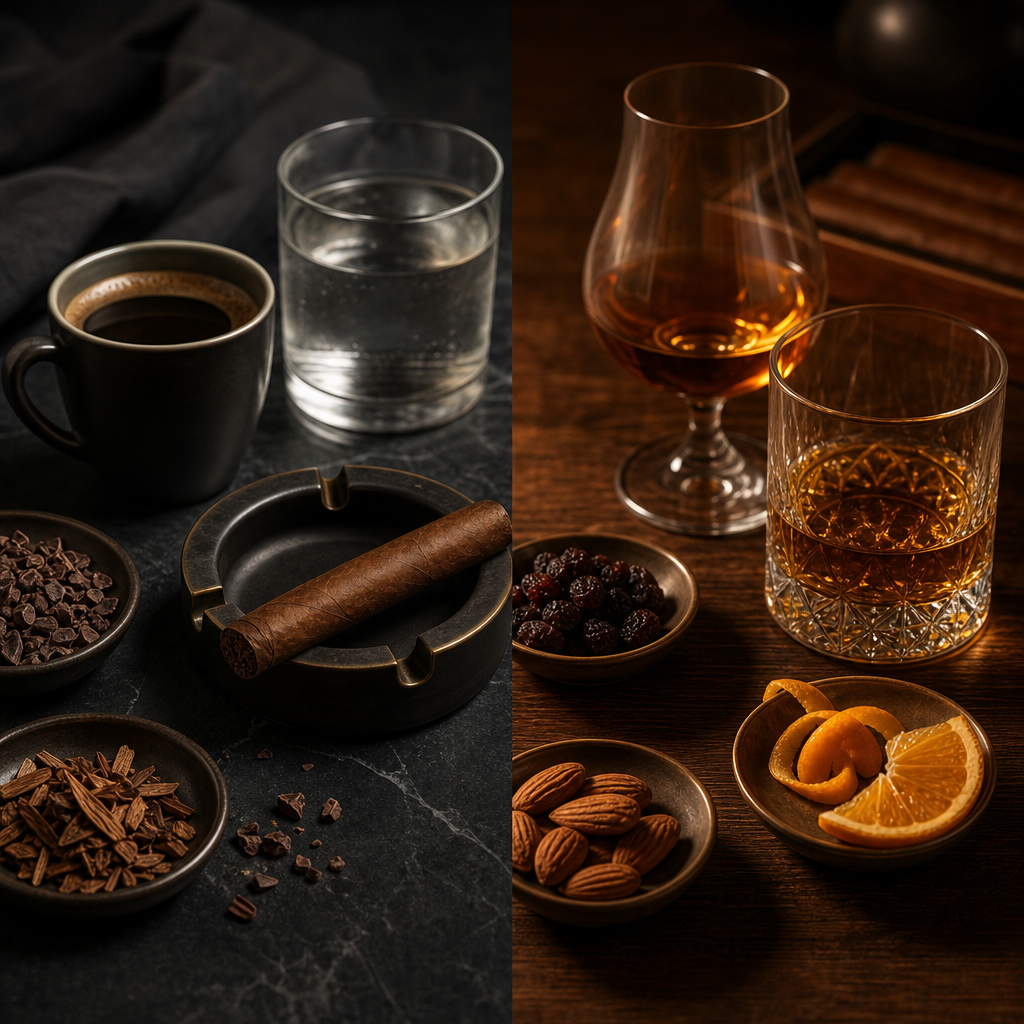
The Flavor Pairing of Cigars: Perfect Combination with Beverages
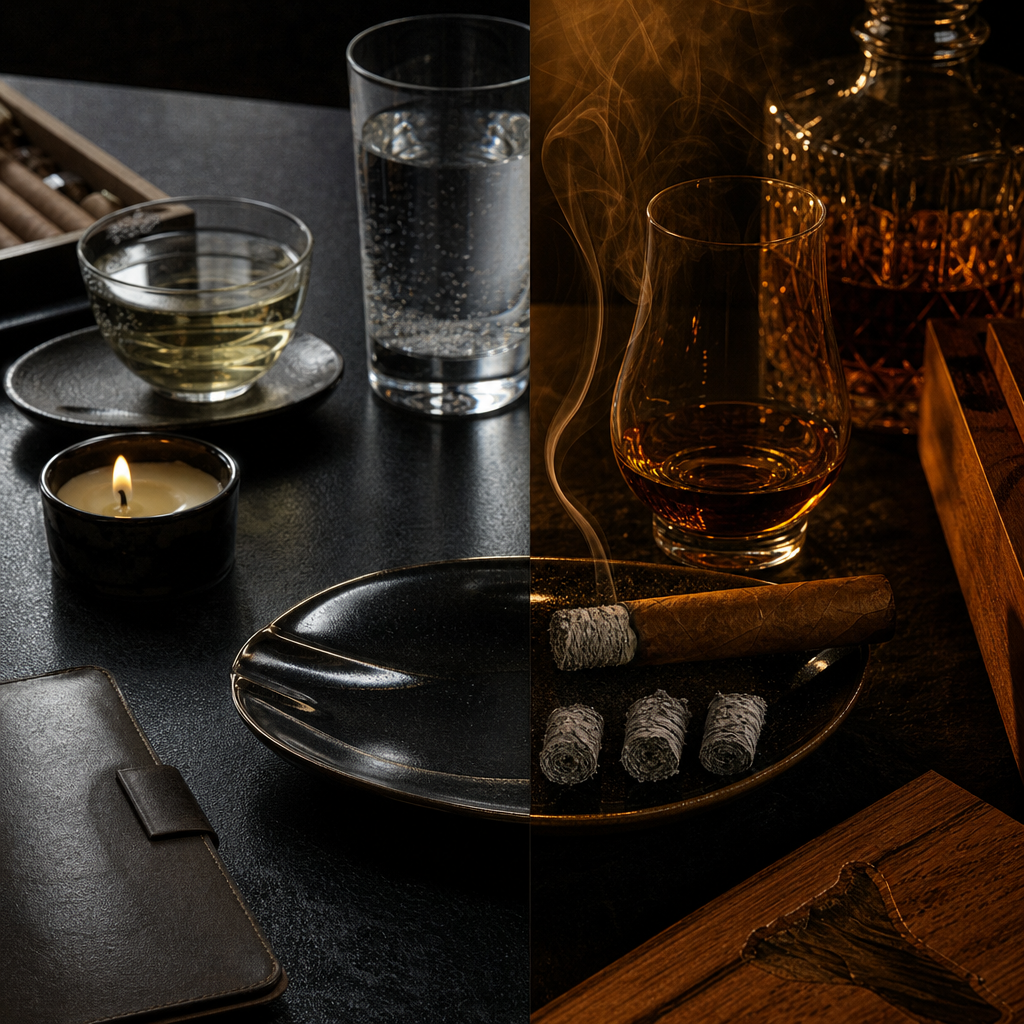
Pairing cigars with beverages is not about putting two "strong-tasting" things together, but about finding order among sweet, sour, bitter, salty, spicy, woody, oily sensations and aftertaste. Once beginners understand the basics of tasting, the next step is to learn how beverages can help you understand cigars.
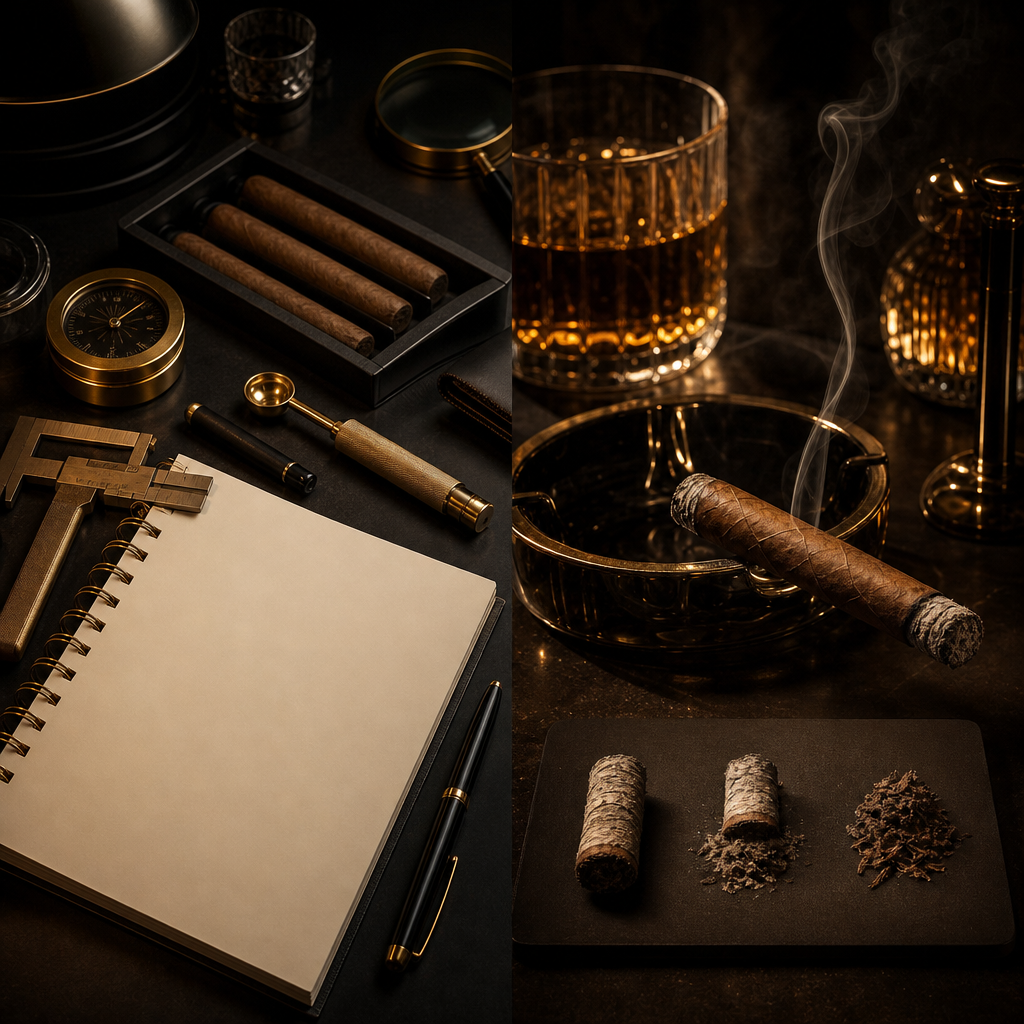
As the editor of "Cigar Bible," I often remind friends: pairing is not about showing off, but about controlling variables. Cigar size, aging state, humidity, beverage temperature, glass type, and drinking pace—any mistake in these can turn delicate flavors into coarse ones.
The First Principle of Pairing: Align Strength, Sweetness, and Aftertaste
When pairing cigars with beverages, the first step is not to look at brand prestige, but "strength." For example, a Corona with a 42 ring gauge and about 5 inches burns quickly and has concentrated flavors, suitable for medium-bodied coffee, bourbon, or dry sherry; if it's a Robusto Extra with a ring gauge above 54, with more oil and smoke, it requires a more structured beverage to support it.
Similar strength ensures one doesn't overpower the other; similar sweetness makes harmony easier to achieve. Take the GlenDronach 12-year bottled in 2019 as an example. The sherry cask brings raisin, cocoa, and caramel notes, which pair more naturally with a Dominican cigar with leather, nut, and cocoa tones than with a high-acid white wine.
Aftertaste is also crucial. If the beverage's finish is too short, the wood and spice of the cigar will feel lonely; if the beverage's finish is too bitter, it will amplify the astringency of the tobacco. My approach is to first drink a sip of water, then the beverage, then take a puff of the cigar and hold for 30 seconds, recording changes in the tongue, nasal cavity, and throat, before making a judgment after three rounds.
Whiskey: Peat, Sherry Casks, and Bourbon Casks Each Have Their Temperament
Whiskey is the most commonly paired beverage with cigars, but it is also the easiest to get wrong. Peaty whiskies like Laphroaig 10-year, Ardbeg 10-year, have iodine, sea breeze, smoky, and herbal notes. If paired with a Nicaraguan cigar that is already spicy, it often becomes smoke on smoke, impactful at first but quickly tiring.
Peaty whiskey is best paired with cigars that have a noticeable sweetness and clean woodiness, rather than another equally intense cigar to clash with. For example, choosing a Honduran or Dominican style with creamy, cedar, and almond tones can stretch the salty taste of peat, avoiding just a sharp smoky sensation.
Sherry cask whiskies are more suitable for beginners to practice with. Macallan 12 Sherry Oak, Glenfarclas 15-year, GlenDronach 15 Revival often have raisin, dark chocolate, orange peel, and nut tones, which can connect with medium to medium-high strength cigars. If the cigar's front is peppery and the middle turns to cocoa, the sweetness of the sherry cask will make the transition smoother.
Bourbon cask whiskies like Glenmorangie Original 10-year or Balvenie 12 DoubleWood often have vanilla, honey, coconut, and malt. They are suitable for pairing with Connecticut Shade-wrapped, more delicate cigars. When the alcohol content is 40% to 46%, adding 2 to 3 drops of water can reduce alcohol stimulation, making the nut and creaminess of the cigar clearer.
Rum and Cognac: Sweetness Is Not About Being Higher
Rum has a natural affinity with cigars, especially given the similar terroir background of the Caribbean. Dark rums like Zacapa 23, Diplomático Reserva Exclusiva, Mount Gay XO often have molasses, dried banana, vanilla, baking spices, and oak tones, which can amplify the caramel, coffee, and cocoa sensations in cigars.
The key to sweet spirits is not being sweeter, but having sweetness supported by acidity, woodiness, or spices. If the beverage only has a syrupy feel, the cigar's later stages can easily appear bitter; if the rum has dried fruit and oak structure, it can maintain balance during the 60 to 90-minute smoking pace. Beginners can practice with medium-strength Robusto, which is easier to control time-wise.
Cognac requires more finesse. Rémy Martin XO, Hennessy XO, Martell Cordon Bleu often have apricot, orange peel, floral, roasted almond, and leather notes. If paired with Cuban-style cigars with cedar, cream, hay, and light spice, the overall experience will be more elegant; if paired with overly spicy cigars, the fruitiness of the cognac will be weakened.
I usually keep cognac at 18°C to 20°C, with a glass volume not exceeding 20ml. Too much in the glass or too high a hand temperature will increase alcohol evaporation, interfering with the nasal cavity. After taking a small sip, wait 15 seconds, then smoke the cigar, feeling the dried fruit sweetness laying the foundation, followed by the cigar's wood and bean aroma, which is the essence of cognac pairing.
Wine and Champagne: Acidity Is a Friend and a Trap
Many people think wine is unsuitable for cigars, but the problem often lies in choosing the wrong type. High-tannin, young Bordeaux reds, such as some 2018 left-bank wines, have hard tannins and high acidity, which, when met with the bitterness and spice of cigars, make the tongue feel dry. Conversely, matured, rounded tannin reds have a better chance of successful pairing.
When pairing wine with cigars, it's better to choose mature, smooth, and fully flavored wines rather than sharp-tannin new vintage reds. For example, 2010 Rioja Reserva, 2012 Brunello di Montalcino, if well-preserved, can echo with medium-strength cigars with leather, dried fruit, and spice notes, without just leaving an acidic and astringent confrontation.
Champagne and sparkling wine offer another approach. The acidity and bubbles of Brut Champagne can cleanse the palate, especially suitable for cigars with high oiliness and prominent cream and toasted bread tones in the front. Fuller-bodied champagnes like Bollinger Special Cuvée, Louis Roederer Collection are more stable than extremely dry and lean styles.
In terms of white wine, oak-aged Chardonnay can pair with cigars with cream, nut, and toasted bread tones; if Riesling has too low sweetness and too sharp acidity, it can easily thin out the tobacco flavor. Beginners might remember: too light a body will be overshadowed by the cigar, too high acidity will amplify bitterness, and too high sweetness might unbalance the later stages.
Coffee, Tea, and Non-Alcoholic Beverages: Best for Practicing Basics
Coffee is one of the best beverages for practicing cigar flavors because it also has roasting, nut, cocoa, caramel, woody, and acidic qualities. Medium-roast Colombian, Guatemalan, or Brazilian coffee often pairs with medium-strength cigars; dark-roast Italian coffee suits styles with more oil, cocoa, and black pepper sensations.
To train your palate, start with black coffee and water, which can distinguish the layers of the cigar itself better than jumping straight to spirits. For example, brewing pour-over coffee with 92°C hot water at a 1:15 coffee-to-water ratio, take a sip, then smoke the cigar, observing if the acidity is suppressed by the tobacco, or if the caramel is amplified, which is more meaningful than just saying "smooth" or "strong."
Tea is also interesting. Ripe Pu'er has earthy, woody, and aged warehouse aromas, suitable for cigars with leather and cocoa tones; oolong like Dong Ding or Tieguanyin, with roasting, dried fruit, and floral notes, suits medium-strength cigars; black tea like Assam or Darjeeling, with noticeable tannins, requires attention not to dry out the tongue when pairing.
Non-alcoholic pairings don't mean boring. Sparkling water can cleanse the palate, coconut water can provide gentle sweetness, and unsweetened cocoa drinks can amplify chocolate sensations. In the afternoon, I choose room temperature water plus a cup of medium-roast black coffee to keep my palate sharp and avoid alcohol dulling my judgment.
Practical Pairing Table: Reverse Beverage Selection from Cigar Flavors
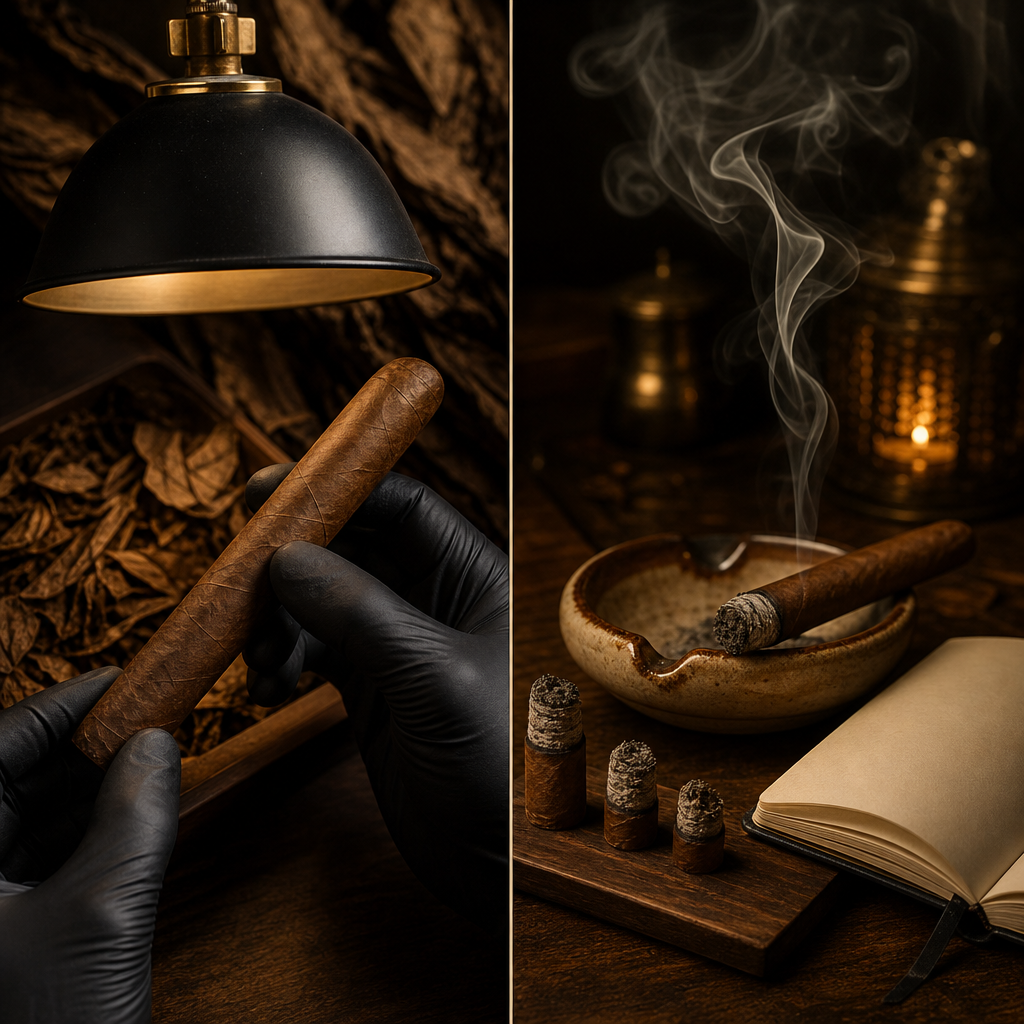
Beginners often ask: "What should I pair with this cigar in my hand?" My advice is not to start from the beverage, but to first judge the main axis of the cigar. View the first 2 cm as the opening, the middle as the main body, and the last third as a stress test; if bitterness increases in the later stages, rely on cleansing and pace adjustment.
The most stable pairing method is to reverse the beverage from the main flavor of the cigar, rather than blindly pursuing expensive spirits. The following table is not an absolute answer but a starting point for judgment; the same brand, different vintage batches, and storage conditions can all change the result.
| Main Cigar Flavor | Suitable Beverage | Reference Brand or Type | Notes |
|---|---|---|---|
| Cream, Nut, Hay | Bourbon Cask Whiskey, Latte, Oolong Tea | Glenmorangie 10, Brazilian Medium Roast Coffee | Avoid high peat |
| Cocoa, Coffee, Leather | Sherry Cask Whiskey, Ripe Pu'er, Cognac | Glenfarclas 15, Martell Cordon Bleu | Control alcohol stimulation |
| Pepper, Wood, Spice | Rum, Bourbon, Sparkling Water | Mount Gay XO, Woodford Reserve | Sweetness should not be overly cloying |
| Floral, Cedar, Light Fruit | Champagne, White Wine, Clear Tea | Bollinger, Oak-aged Chardonnay | Avoid high-acid thin wines |
When using the table, it's recommended to prepare two types of beverages: one main pairing and one for cleansing. The main pairing is responsible for amplifying flavors, while the cleansing beverage is usually room temperature water or sparkling water. Drinking water every 3 to 5 puffs of the cigar can prevent tar and spice buildup, making changes in the middle and later stages easier to detect.
Rhythm, Temperature, and Etiquette: Good Pairing Comes from Control
The biggest fear in pairing cigars and beverages is haste. If burning too fast, the cigar temperature rises, and ammonia, bitterness, and spiciness will emerge together; drinking spirits too quickly, alcohol numbs the taste buds, leaving only strength and pungency later. A typical Robusto takes about 45 to 60 minutes, Toro about 70 to 90 minutes, Churchill can exceed 100 minutes.
The ideal rhythm is one puff of the cigar every 45 to 90 seconds, with the beverage only as an aid, not stealing the spotlight. If the cigar starts to burn hot or bitterness rises, put it down for 2 to 3 minutes, drink water to cleanse, and don't rush to use alcohol to suppress the taste. Many pairing failures are not because the cigar or beverage is bad, but because the pace is too fast.
Temperature can also change the result. If the whiskey is too warm, alcohol evaporation will cover the aroma; if white wine and champagne are too cold, the aroma is locked, leaving only acidity. If coffee cools to lukewarm, acidity and bitterness become more pronounced. My usual range is: whiskey 18°C to 22°C, cognac 18°C to 20°C, champagne 8°C to 10°C, pour-over coffee 55°C to 65°C.
In terms of etiquette, first confirm venue regulations and the feelings of companions to avoid causing inconvenience in inappropriate environments. Do not touch the glass rim with cigar ash, and do not hold the cigar close to the glass for a long time to smell the aroma, as the smoke will pollute the glass aroma. If sharing the same bottle of wine with others, pour a small amount each time, allowing everyone to observe the changes in the cigar at different stages.
Frequently Asked Questions
How should a beginner choose their first pairing?
It is recommended to start with a medium-strength Robusto and medium-roast black coffee. This combination has fewer variables, is cost-controllable, and allows practice in distinguishing nut, cocoa, wood, and caramel. If you want to add alcohol, choose bourbon cask whiskey with 40% to 46% alcohol content, and drink in small amounts first to avoid alcohol interfering with judgment.
Can cigars be paired with beer?
Yes, but it depends on the type. Pilsner can be too refreshing and easily overshadowed by the cigar; Stout and Porter with coffee and chocolate tones are more compatible. The bitterness and hop aroma of IPA are obvious, and if paired with spicy cigars, the bitterness may stack up, so it's recommended to pair with softer, creamy cigars.
Does a more expensive beverage mean better pairing results?
Not necessarily. Expensive spirits with too hard tannins, too aggressive alcohol, or too sharp acidity can still disrupt balance. Pairing is about structure, not price. A stable cup of pour-over coffee often showcases the layers of a cigar better than an unsuitable high-priced spirit.
Why did the same cigar taste good last time, but the pairing is ordinary this time?
The reason could be humidity, storage, batch, beverage temperature, physical state, and meal content. If humidity is above 72%, burning is more muffled, and bitterness may increase; if below 62%, smoke can be dry and hard. It's best to record relative humidity, beverage, and time before pairing.
Does knowledge of pairing make cigar collection more valuable?
Pairing knowledge can enhance usage and judgment abilities and help you understand the importance of brand vintage, box condition, and storage. However, collection appreciation does not guarantee value increase; it still depends on source storage and market. For beginners, learning stable storage and proper recording is more practical than chasing trends.
I always believe that a good pairing of cigars and beverages is not about showing off what you drank, but about making a period of time more layered. When you can say "why this puff is sweeter, why the later stage turns bitter, why this drink restores balance," taste truly begins to form. Slow down, record it, and let every choice have a reason.
—Cigar Prince Wilson Tsai
Smoking is harmful to health. Under twenty years old is not allowed to smoke. Quit smoking hotline: 0800-636363. This article is for reference only for adults over twenty years old on cigar culture, storage, and regulations, not a tobacco advertisement, promotion, or purchase suggestion.